Is LNG Fuel Gas Supply System Right for Your Vessel?
If you are managing a new dual-fuel vessel project and weighing fuel system options, the short answer is: for most shipowners and shipyards targeting IMO Tier III compliance and CII performance today, an LNG fuel gas supply system is one of the most technically mature and commercially viable choices available. It acts as the thermodynamic bridge between cryogenic LNG storage and your main engine, conditioning fuel through pressurization, vaporization, and thermal regulation before delivery. Whether you need a low-pressure or high-pressure configuration depends on your engine selection—and getting that match right is everything.
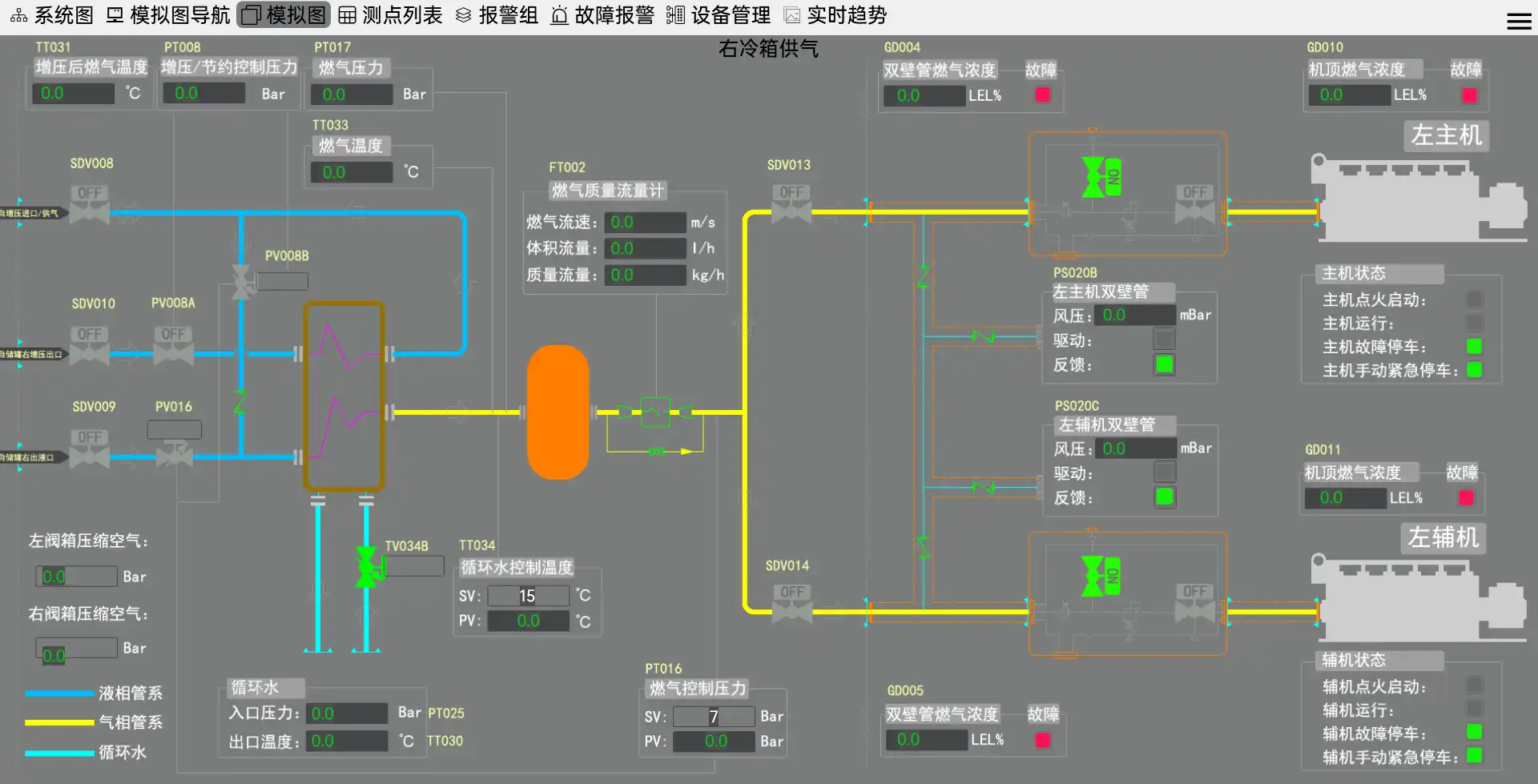
Understanding LNG Fuel Gas Supply Systems
What It Does and How It Works?
An lNG fuel gas supply system takes liquefied natural gas from a cryogenic storage tank, conditions it by raising the pressure to the right level, turns it into vapor, and sends the conditioned gas to the main engine or other boilers. There is a clear order to the steps: bunkering, storage, pressurization, vaporization, and delivery. To protect the engine's intake conditions, each step needs careful control of temperature and pressure.
Core Components You Need to Know
High-integrity cryogenic pumps, vaporizers with glycol-water heating circuits, pressure control valves, automated Emergency Shut-Down (ESD) systems, and Gas Combustion Units (GCU) for handling Boil-Off Gas (BOG) are all part of the system. It's important to choose the right material. Austenitic stainless steel is usually used for cryogenic pipes so they can handle temperature shrinkage and keep from becoming weak.
LP vs. HP: The Configuration Divide
Engines with an Otto cycle, like the WinGD X-DF series, use low-pressure systems (≤16 bar). Diesel engines like the MAN ME-GI use high-pressure systems (above 300 bar, which is achieved through PVU pressurization). These two system topologies are set during the planning phase and can't be switched between. From the start, the specification of your lNG fuel gas supply system is based on the engine you choose.
Benefits and Challenges of Using LNG Fuel Gas Supply Systems on Vessels
Environmental and Regulatory Advantages
When you burn LNG, you almost completely get rid of sulfur oxide (SOx) emissions, up to 85% less nitrogen oxide (NOx) emissions compared to heavy fuel oil, and 20–25% less carbon dioxide (CO₂) emissions. This directly meets the IMO 2020 sulfur cap standards and puts ships in a good situation within CII rating frameworks. This compliance cushion is important for shipowners who work in Emission Control Areas (ECAs) because it protects their finances and their business.
Operational and Economic Gains
An lNG fuel gas supply system does more than just reduce pollution; it also improves operations. The total cost of ownership goes down because fuel prices stay stable, engines that run on clean gas need less upkeep, and there is less chance of port state control. The economics make a lot of sense for PCTCs, container ships, and bulk carriers that can access established trade lanes and LNG bunkering.
Real Challenges to Plan For
The main problems are with the infrastructure. The availability of LNG bunkering varies by port region. This is a real problem for planning global tramping trades. Methane slip is still something that regulators are keeping an eye on as the IMO's greenhouse gas (GHG) rules change, especially for two-stroke low-pressure systems. Safety rules for cryogenics also make shipyard installations and crew training more difficult. These are manageable issues that won't kill the deal, but they do need to be planned for early on and coordinated between suppliers.
Selecting the Right LNG Fuel Gas Supply System for Your Vessel
Match System Pressure to Your Engine
The first selection criteria can't be changed: make sure you know the type of your main engine and how it takes fuel before putting out any equipment tenders. Cryogenic piston pumps are needed to feed MAN ME-GI engines with high pressures greater than 300 bar. Low-pressure gas below 16 bar is used in WinGD DF engines. If this isn't lined up right, it leads to expensive rework loops during the detailed design freeze stage.
Evaluate Supplier Track Record and Class Acceptance
Real vessel working experience is more important to B2B buying managers than specification sheets. TSC made its own low-pressure lNG fuel gas supply system, and it has been used on real ships for over a year with stable, proven performance. TSC has a CCS product certificate for its double-layer LNG tank made of stainless steel. This helps the classification society drawing approval process with inspectors from DNV, ABS, CCS, LR, and BV.
Consider Integrated Packaging and BOG Management
Integrated packaging is a useful way to set modern dual-fuel vessels apart because they are limited in space. TSC's method involves putting the LNG system's pipes and equipment inside the cold box of the C-type tank's Tank Cooling System (TCS). This creates a small, ready-to-use module. The system can also handle gas heaters and GCU units for getting rid of BOG, so the gas that evaporates is safely handled even when the main engine is not going. This unified method lowers the risk of contact between equipment packages during installation in the factory.
Here are the most important selection factors that procurement teams always put first:
- Engine compatibility: Confirm HP or LP architecture matches your main engine type (MAN GI series or Otto-cycle platforms).
- Class certification: Verify the supplier holds recognized classification society product certificates relevant to your vessel's flag and class.
- BOG handling capability: Confirm the system includes GCU or boiler integration to manage boil-off gas safely at all operating conditions.
- Delivery schedule alignment: Align the supplier's production and module delivery schedule with your shipyard's building berth plan—delays in fuel system delivery directly affect handover dates.
- After-sales support: Confirm local commissioning support, spare parts availability, and service engineers for the vessels' operational region.
All of these things together show if a company can actually complete a job and not just win a bid.
Maintenance, Troubleshooting, and Regulatory Compliance
Routine Maintenance Priorities
Because LNG doesn't lubricate, the parts of an lNG fuel gas supply system that wear out the fastest are the cryogenic pump seals and suction valves. The manufacturer should tell you how often to do maintenance, and you should specify seal kits when you buy them. As part of yearly inspections, the pressure safety valve (PSV) function is checked, the ESD logic is confirmed, and the sensor loop is calibrated.
Troubleshooting Common Issues
Problems with pressure regulation are usually caused by the way a valve actuator responds or the way parameters in the control system change over time. During port stays, BOG buildup events need GCU activation or boiler redirection. This is taken care of by proper automation logic, so no one has to do it. At the plant acceptance stage, Non-Destructive Testing (NDT) is used to make sure there are no problems in the field. NDT includes radiographic testing of butt welds and dye penetrant testing of socket welds.
Staying Compliant With IGF Code and Class Requirements
The IGF Code (International Code of Safety for Ships Using Gasses or Other Low-flashpoint Fuels) sets the rules for how systems should be designed, how safety zones should be labeled, and how ESD needs to be handled. All electrical equipment in dangerous areas needs to be ATEX or IECEx-rated to make sure it doesn't explode. Class inspectors watch as Factory Acceptance Tests (FAT) make sure that the control logic, PSV pop-tests, and emergency shutdown processes work properly before the machine is shipped.
Future Trends and Technology Developments in LNG Fuel Gas Systems
Digital Monitoring and Predictive Maintenance
Condition tracking with IoT is going from being a choice to something that is expected. Sensor networks that measure vibrations, temperature differences, and changes in pressure send data to analytics platforms on land. These platforms then use that data to make repair plans that are more accurate and lessen unexpected downtime. TSC works with automation architectures on vessels so that they can be monitored from afar using the vessel's main management system.
LNG as a Transition Fuel Toward Carbon Neutrality
Transition fuels are the way for the marine business to cut down on carbon emissions. LNG makes a big difference in lowering greenhouse gas emissions right now, and bio-LNG and synthetic LNG (e-LNG) can help get to almost zero lifecycle emissions using the same onboard infrastructure. If a shipowner buys an lNG fuel gas supply system now, they can switch fuels in the future without having to replace any core equipment.
Growing Infrastructure and Regulatory Momentum
Major ports around the world are adding more bunkering space for LNG. SEA-LNG says that over 200 LNG-capable ships are in service, and bunkering facilities are growing in Singapore, Rotterdam, and major Chinese ports. The IMO's Carbon Intensity Indicator (CII) and FuelEU Maritime frameworks are continuing to put pressure on regulators to close the window for unrestricted HFO operations. This is making it faster for all types of vessels to switch to LNG systems.
Conclusion
Picking the correct lNG fuel gas supply system is a technical choice made at the project level that will have long-lasting effects on how the business runs. The system needs to work with your engine's pressure design, have valid class certifications, and come from a provider who has actually run a vessel. CM Energy's marine energy brand, TSC, has both low-pressure and high-pressure FGSS versions. It also has C-type tank packaging built into TCS cold boxes and BOG control through a GCU or boiler. TSC meets all the needs for new dual-fuel ships with a low-pressure system that has been working well at sea for over a year and a high-pressure FGSS that was created in partnership with MAN.
FAQ
1. What is the difference between LP and HP LNG Fuel Gas Supply Systems?
LP systems supply gas below 16 bar, suited for Otto-cycle engines like WinGD DF platforms. HP systems pressurize LNG above 300 bar using cryogenic reciprocating pumps, serving diesel-cycle engines such as the MAN ME-GI. The two architectures are defined at engine selection and cannot be interchanged after design freeze.
2. How is Boil-Off Gas managed when the engine is not running?
When the main engine cannot consume BOG, the system routes it to auxiliary boilers or a Gas Combustion Unit (GCU). The GCU oxidizes the gas safely, preventing tank over-pressure. This is a standard design requirement under the IGF Code.
3. What certifications should an LNG Fuel Gas Supply System supplier hold?
Look for recognized classification society product certificates (CCS, DNV, ABS, LR, BV) covering storage tanks, cryogenic pumps, and control systems. ATEX/IECEx-rated electrical components for hazardous zones and a Factory Acceptance Test protocol witnessed by class surveyors are also baseline requirements.
4. How long does a low-pressure system remain reliable in service?
TSC's low-pressure lNG fuel gas supply system has completed over one year of actual vessel operation with stable, normal performance—a verifiable reference point for procurement teams evaluating supplier track records.
5. Can the same system support future bio-LNG or e-LNG fuels?
Yes. Bio-LNG and synthetic LNG share the same physical properties and storage requirements as fossil LNG. Vessels equipped with a standard lNG fuel gas supply system can switch to these lower-carbon variants without modifications to onboard equipment.
Ready to Specify Your LNG Fuel Gas Supply System? Contact CM Energy
CM Energy can offer a comprehensive solution, supported by marine engineering knowledge and unique technologies, for any evaluation of an LNG fuel gas supply system for a new vessel or fleet modification. High pressure FGSS for MAN GI engines and low pressure FGSS for Otto cycle gas engines are part of TSC’s LNG fuel delivery systems. The low pressure system has been in operation on actual vessels for over one year with reliable performance in real life settings. CM Energy also provides C-type tank integration and space-saving equipment and pipe arrangements in the tank cooling system, BOG elimination with gas boilers and GCU solutions, and lifecycle support including design, manufacture, commissioning and after-sales service. CM Energy has expertise in dual-fuel boats, LNG carriers and other maritime energy systems, and can build solutions around your vessel layout and operational needs. Discuss your vessel needs and the proper LNG fuel gas supply system for your project – contact info.cn@cm-energy.com.
References
1. International Maritime Organization (IMO). International Code of Safety for Ships Using Gases or Other Low-flashpoint Fuels (IGF Code). IMO Publishing, 2016.
2. MAN Energy Solutions. ME-GI Dual Fuel MAN B&W Engines: A Technical Review. MAN Energy Solutions, 2021.
3. SEA-LNG. LNG as a Marine Fuel: The Investment Opportunity. SEA-LNG Ltd., 2023.
4. DNV GL. Alternative Fuels Insight: LNG Bunkering Infrastructure and Fleet Growth. DNV, 2022.
5. Lloyd's Register. LNG-Fuelled Ships: Design and Safety Guidance. Lloyd's Register Marine, 2020.
6. WinGD. X-DF Technology: Dual-Fuel Engine Platform Overview and Field Performance Data. Winterthur Gas & Diesel Ltd., 2022.
