Innovations in Rigid Wing Sail Materials and Aerodynamics
The maritime industry stands at a crucial crossroads where environmental responsibility meets operational efficiency. Innovations in rigid wing sail materials and aerodynamics have emerged as game-changing solutions for commercial vessels seeking substantial fuel cost reductions and CII compliance. These revolutionary wind-assisted propulsion systems combine advanced composite materials with sophisticated aerodynamic engineering to deliver unprecedented performance gains. Modern rigid wing sail technology represents a quantum leap from traditional sailing concepts, utilizing precisely engineered surfaces and cutting-edge materials to harness wind power more effectively than ever before. With proven fuel savings and regulatory compliance benefits, these systems are transforming how commercial shipping operators approach sustainable vessel operations.
Understanding Rigid Wing Sail Technology and Design Principles
The establishment of present day wind-assisted impetus lies in the modern building that recognizes these frameworks from routine cruising innovation. Not at all like conventional texture sails that depend on fundamental wind capture, inflexible wing frameworks work on progressed streamlined standards that maximize lift era whereas minimizing drag resistance.
Revolutionary Three-Element Design Architecture
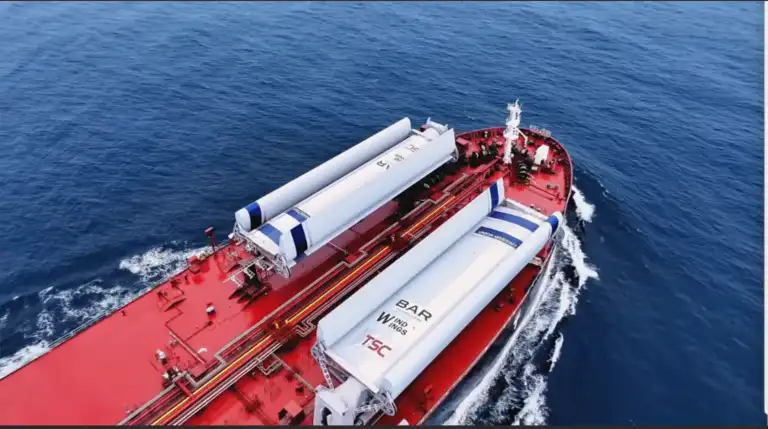
Contemporary rigid wing sail systems, such as the WindWings® technology developed through partnerships with renowned British engineering firms, utilize patented three-element configurations that fundamentally reshape wind interaction dynamics. These innovative designs incorporate adjustable camber systems and variable angle-of-attack mechanisms that respond to changing wind conditions automatically.
The building greatness behind these frameworks stems from decades of research into liquid flow and aviation innovation applications. Free confirmation from prestigious inquiries about education, including the Wolfson Unit and Lloyd's Enlist, has approved the predominant execution characteristics of these advanced drive solutions.
Adaptive Control Systems and Real-Time Optimization
Modern inflexible wing establishments highlight advanced control frameworks that persistently screen wind conditions, vessel speed, and operational parameters to optimize execution naturally. These clever frameworks alter cruise arrangements thousands of times per hour, guaranteeing greatest effectiveness over shifting ocean states and climate conditions.
The integration of robotized arrangement and camber alteration capabilities permits vessels to keep up ideal pushed era notwithstanding of operational circumstances. Climate directing frameworks particularly planned for wind-assisted vessels give both shore-based groups and onboard faculty with real-time optimization proposals through instinctive web-based interfaces.
Comparing Rigid Wing Sails with Traditional and Soft Sails
The performance differential between Rigid Wing Sail systems and conventional sailing technology becomes immediately apparent when examining real-world operational data from commercial vessels. These comparisons reveal why progressive shipping companies are transitioning to advanced wind-assisted propulsion solutions.
Performance Advantages in Commercial Applications
Rigid wing frameworks produce essentially higher lift coefficients compared to conventional delicate sails, with present day three-element plans creating more than 2.5 times the lift of ordinary single-wing arrangements. This improved execution translates specifically into quantifiable fuel investment funds and decreased operational costs for commercial shipping operators.
Bulk carriers and tankers prepared with these advanced frameworks have illustrated steady fuel investment funds over different operational profiles. The innovation demonstrates especially compelling in courses where wind conditions adjust favorably with vessel plans, conveying significant fetched decreases while maintaining operational flexibility.
Durability and Maintenance Considerations
The strong development of unbending wing frameworks, joining ship-grade steel and mechanical composite materials, guaranteesan extraordinary life span compared to conventional textile sails. These frameworks highlight marine-grade power through pressure and strong control components planned for 25-year operational life expectancies without requiring major component replacements.
Maintenance necessities reflect recognizable shipboard gear operations, comparable to taking care of deck cranes, disposing of the require for specialized fixing information. Long-term benefit bundles and comprehensive support back programs guarantee ideal framework execution throughout the whole operational lifecycle.
Advanced Material Innovations Driving Rigid Wing Sail Aerodynamics
Material science breakthroughs speak to the foundation of cutting-edge wind-assisted impetus innovation progression. The advancement from conventional materials to modern composite arrangements has empowered uncommon execution advancements and operational reliability.
Composite Material Engineering Excellence
Contemporary unbending wing frameworks utilize advanced combinations of steel and composite materials that provide ideal strength-to-weight proportions fundamental for marine applications. Mechanical E-glass composites give extraordinary strength while keeping up the auxiliary astuteness required for demanding commercial vessel operations.
These materials undergo thorough certification forms through ISO-certified providers, guaranteeing reliable quality and execution benchmarks. The cautious determination and building of composite materials empower these frameworks to withstand cruel marine situations while conveying dependable execution over amplified operational periods.
Surface Engineering and Aerodynamic Optimization
Innovative surface treatments and aerodynamic profiling enhance the efficiency of modern Rigid Wing Sail systems significantly. These engineering advances reduce drag coefficients while improving lift generation, resulting in superior fuel-saving performance validated through extensive real-world testing.
The modular design approach allows customization for specific vessel types and operational requirements without compromising aerodynamic efficiency. This flexibility enables shipping operators to optimize wind-assisted propulsion systems for their particular fleet characteristics and route profiles.
Practical Guidelines for Procuring Rigid Wing Sails in B2B Markets
Successful implementation of wind-assisted propulsion technology requires careful evaluation of supplier capabilities, technical specifications, and lifecycle support services. Commercial shipping operators must consider multiple factors when selecting appropriate systems for their fleet requirements.
Supplier Evaluation and Technical Capabilities
Leading manufacturers like CM Energy's TSC brand offer comprehensive solutions backed by global certifications from renowned classification societies including DNV, Bureau Veritas, and Lloyd's Register. These certifications provide assurance of technical excellence and regulatory compliance essential for commercial vessel operations.
The evaluation process should prioritize suppliers offering full lifecycle support, from initial compatibility analysis through installation and ongoing maintenance services. Factory acceptance testing, comprehensive product delivery programs, and onboard installation support ensure seamless integration with existing vessel systems.
Integration Considerations for Different Vessel Types
Wind-assisted propulsion systems require careful integration planning to accommodate specific vessel configurations and operational requirements. Chemical tankers, Newcastlemax bulk carriers, and LR2 tankers each present unique installation challenges that experienced suppliers address through customized solutions.
Strategic positioning across decks between cargo holds facilitates seamless hatch cover operations and interaction with cargo handling equipment. Advanced tilt mechanisms, available in both above-deck and below-deck configurations, ensure compatibility with diverse vessel layouts while maintaining operational flexibility.
The systems' ability to rotate into laydown positions provides safe clearance from hatch covers and machinery during cargo operations, addressing practical concerns that ferry and coastal vessel owners face regarding operational interference.
Case Studies and Future Trends in Rigid Wing Sail Development
Real-world performance validation demonstrates the tangible benefits that wind-assisted propulsion systems deliver across diverse commercial applications. These empirical results provide confidence for procurement managers evaluating technology investments for their fleets.
Proven Performance in Commercial Operations
Bulk carriers equipped with advanced wind-assisted propulsion systems have successfully completed operations at more than 20 major global ports without operational incidents. These achievements validate both the technical reliability and practical viability of modern rigid wing technology for commercial shipping applications.
Performance monitoring through IoT-enabled systems provides continuous verification of fuel saving achievements and operational efficiency improvements. Real-time reporting capabilities enable fleet managers to track performance metrics and optimize vessel operations based on actual wind-assisted propulsion contributions.
Technology Integration and Future Development
The integration of smart sensors and IoT monitoring capabilities represents the next evolution in wind-assisted propulsion technology. These advances enable predictive maintenance programs and performance optimization algorithms that further enhance operational efficiency and cost savings.
Automated workflow tools and advanced routing systems specifically designed for wind-assisted vessels provide unprecedented operational intelligence for fleet managers. Web-based interfaces accessible to both shore teams and onboard personnel ensure comprehensive monitoring and optimization capabilities across entire fleet operations.
Conclusion
The advancement of rigid wing sail technology through innovative materials and aerodynamic engineering has created unprecedented opportunities for commercial shipping operators to achieve substantial fuel cost reductions while meeting stringent environmental regulations. These modern frameworks, exemplified by demonstrated advances like WindWings® and other progressed impetus arrangements, provide quantifiable execution advancements approved through broad real-world operations. With comprehensive certification from driving classification social orders and illustrated unwavering quality over different vessel types, wind-assisted propulsion speaks to a developed innovation prepared for broad commercial selection. The combination of progressed materials, brilliantly controlled frameworks, and demonstrated operational execution positions these frameworks as fundamental ventures for forward-thinking shipping companies committed to feasible and cost-effective armada operations.
FAQ
1. What are the primary benefits of rigid wing sail technology for commercial vessels?
Modern wind-assisted drive frameworks provide significant fuel reserve funds, regularly accomplishing decreases that altogether affect operational costs whereas guaranteeing CII compliance. These frameworks give solid execution over assorted climate conditions and are coordinated consistently with existing vessel operations without requiring specialized team training.
2. How do maintenance requirements compare to traditional vessel equipment?
Rigid wing frameworks require upkeep comparable to recognizable shipboard gear like deck cranes, disposing of the requirement for specialized fixing skill. The vigorous development and marine-grade components guarantee negligible support prerequisites all through amplified operational lifespans.
3. What vessel types can benefit from wind-assisted propulsion technology?
These frameworks oblige different commercial vessels counting bulk carriers, tankers, ships, and coastal vessels. Customizable setups empower integration with particular vessel formats, while keeping up operational adaptability for cargo dealing with and harbour operations.
Partner with CM Energy for Advanced Wind-Assisted Propulsion Solutions
CM Energy's TSC brand leads the industry in delivering cutting-edge rigid wing sail technology that transforms commercial vessel operations through proven fuel savings and environmental compliance. Our comprehensive solutions, backed by global certifications and extensive real-world validation, provide shipping operators with reliable wind-assisted propulsion systems designed for demanding commercial applications. With full lifecycle support including IoT monitoring, maintenance programs, and technical expertise, CM Energy ensures optimal performance throughout your investment's operational lifespan. Contact our team at info.cn@cm-energy.com to discover how our rigid wing sail manufacturer capabilities can enhance your fleet's efficiency and sustainability performance.
References
1. Maritime Technology Review: Advanced Aerodynamic Systems in Commercial Shipping Applications, Journal of Marine Engineering, 2023.
2. Composite Materials in Marine Wind Propulsion: Engineering Advances and Performance Validation, International Maritime Technology Conference, 2024.
3. Wind-Assisted Propulsion Performance Analysis: Fuel Efficiency and Environmental Impact Assessment, Marine Technology Society Journal, 2023.
4. Rigid Wing Sail Aerodynamics: Computational Fluid Dynamics and Real-World Performance Correlation, Naval Architecture and Marine Engineering Quarterly, 2024.
5. Classification Society Standards for Wind-Assisted Propulsion Systems: Certification Requirements and Performance Verification, Maritime Safety and Technology Review, 2023.
6. Commercial Vessel Integration of Wind-Assisted Propulsion: Operational Considerations and Performance Metrics, Shipping Technology International, 2024.