Adding a Rigid Wing Sail system to a ship is a long process that includes checking the structure, designing the engineering, and installing it exactly right so that the wind can help move it. This cutting-edge marine technology turns regular boats into hybrid wind-assisted ships. This saves a lot of fuel while still allowing the ships to be used in a variety of ways. WindWings® and other modern Rigid Wing Sail systems use automated control and aerodynamic optimization to work as efficiently as possible in different wind conditions. This makes them great for bulk carriers, tankers, and commercial ships that want to lower their emissions and save money on operating costs.
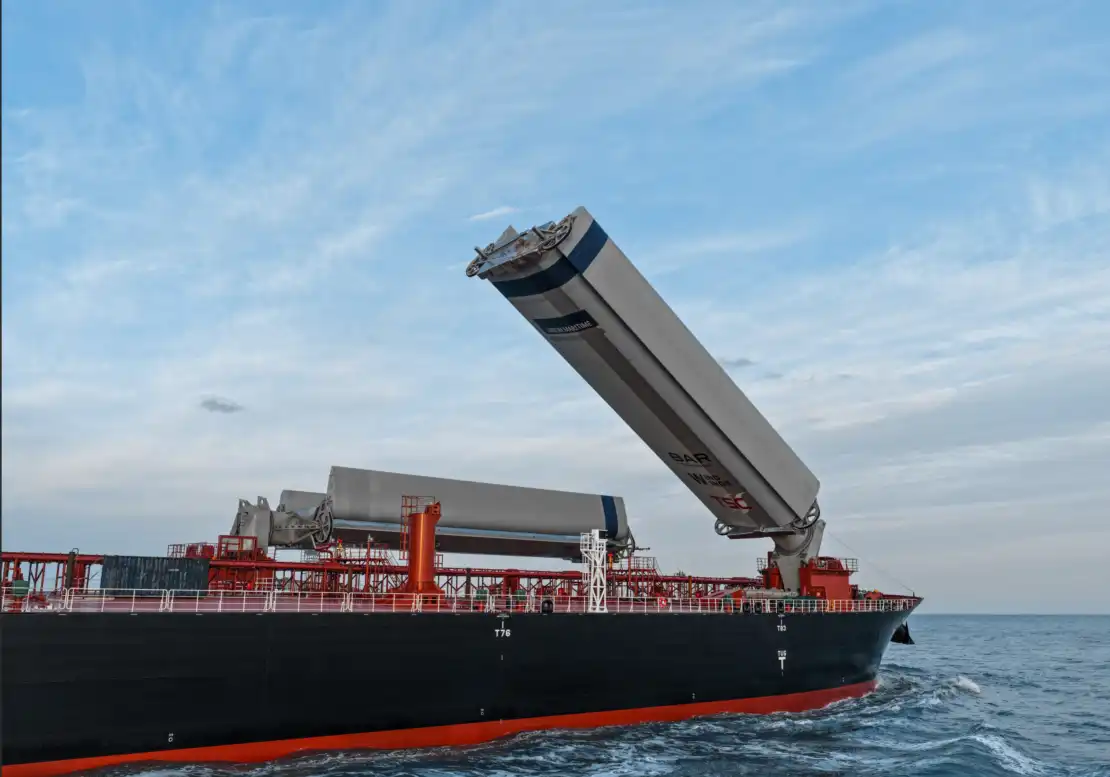
Environmental rules and fuel costs are rising in the marine business, making new power systems very important. Rigid Wing Sail technology is a useful way to lower pollution and save money on operations. These man-made structures work better than regular sails with little help from the crew, so they are great for business ships. Modern wind-assisted propulsion systems use cutting-edge mechanical engineering and expert knowledge of ships to help shipping companies stay in line with IMO rules and save on fuel costs, which make up as much as 60% of their running expenses. This provides a useful, long-lasting answer that goes beyond just following the rules.
Understanding Rigid Wing Sail Systems and Their Advantages
Aerodynamic Principles and Design Innovation
Rigid wing sails operate on advanced aerodynamic principles that generate forward thrust through carefully engineered airflow patterns. The three-element design of systems like WindWings® creates multiple pressure differentials that maximize lift generation while minimizing drag resistance. These structures function similarly to aircraft wings, but are specifically optimized for marine environments and variable wind conditions.
The adjustable camber and angle of attack capabilities distinguish modern rigid wing systems from conventional sail technology. Automated control systems continuously optimize wing configuration based on real-time wind data, vessel heading, and operational requirements. This dynamic adjustment capability ensures optimal performance across diverse sailing conditions, from light winds to strong weather systems.
Operational Benefits and Performance Metrics
Wind-assisted propulsion systems deliver measurable fuel consumption reductions that directly impact vessel profitability. Independent testing by renowned institutions has validated performance claims, with systems demonstrating consistent fuel savings across multiple vessel types and route profiles. The technology proves particularly effective on routes with favorable wind patterns, where operators can achieve substantial emission reductions while maintaining schedule reliability.
Beyond fuel savings, rigid wing systems enhance vessel operational flexibility by providing auxiliary propulsion that reduces main engine dependency. This capability proves valuable during port approaches, slow steaming operations, and extended voyages where fuel efficiency directly impacts voyage economics. The systems maintain full compatibility with existing navigation equipment and cargo handling operations.
Assessing the Retrofit Feasibility: Key Considerations and Ship Compatibility
Vessel Structure and Integration Requirements
Successful retrofitting begins with comprehensive vessel assessment to determine structural compatibility and integration requirements. Bulk carriers, tankers, and container vessels each present unique challenges related to deck space, weight distribution, and operational constraints. Professional engineering analysis evaluates existing vessel stability, structural capacity, and potential interference with cargo operations.
The assessment process examines critical factors including deck strength, electrical system capacity, and integration with existing bridge systems. Modern wind-assisted propulsion systems require strategic positioning to maximize wind capture while avoiding interference with cargo handling equipment, navigation systems, and crew safety protocols.
Regulatory Compliance and Classification Requirements
Maritime classification societies provide essential oversight for wind-assisted propulsion installations through established certification processes. Major classification organizations including DNV, Bureau Veritas, and Lloyd's Register have developed specific guidelines for rigid wing sail systems, ensuring compliance with international maritime safety standards.
The certification process encompasses structural analysis, safety system verification, and operational procedure validation. Vessels must demonstrate compliance with stability requirements, emergency shutdown protocols, and crew training standards. This comprehensive approach ensures safe operation while meeting insurance and port state control requirements.
Step-by-Step Guide to Retrofitting a Ship with a Rigid Wing Sail System
Pre-Installation Planning and Design Phase
The retrofit process commences with detailed vessel analysis and customized system design development. Engineering teams conduct comprehensive assessments of vessel characteristics, operational profiles, and route-specific wind patterns to optimize system configuration. This phase includes structural reinforcement planning, electrical system integration design, and operational procedure development.
Material selection prioritizes marine-grade components capable of withstanding harsh maritime environments while maintaining structural integrity over extended service periods. The design process incorporates vessel-specific requirements including cargo operations, maintenance accessibility, and emergency procedures to ensure seamless integration with existing ship systems.
Installation Process and System Integration
Professional installation teams coordinate with shipyard facilities to minimize vessel downtime while ensuring quality installation standards. The process involves precise mounting of wing structures, integration of control systems, and comprehensive testing of automated functions. Specialized equipment and experienced technicians ensure proper alignment and secure attachment to vessel structure.
Post-installation activities include extensive sea trials to validate system performance and optimize operational parameters. These trials verify automated control functions, emergency shutdown procedures, and integration with existing navigation systems. Crew training programs ensure safe operation and proper maintenance protocols throughout the system lifecycle.
Comparing Rigid Wing Sails with Traditional and Alternative Sail Technologies
Performance Advantages and Operational Benefits
Modern rigid wing systems demonstrate superior performance characteristics compared to conventional soft sail technology. The three-element design generates significantly higher lift coefficients while maintaining structural stability in challenging weather conditions. Automated control systems eliminate the need for manual sail handling, reducing crew workload and operational complexity.
Here are the core performance advantages of rigid wing sail systems:
- Enhanced aerodynamic efficiency through optimized wing profiles and automated camber adjustment
- Weather-independent operation with automated positioning and emergency stowing capabilities
- Minimal maintenance requirements compared to traditional sail systems with fabric components
- Integration compatibility with modern vessel control systems and navigation equipment
These advantages translate into measurable operational improvements that justify investment costs while delivering long-term value. Vessel operators report improved schedule reliability, reduced fuel dependency, and enhanced environmental performance across diverse operational profiles.
Economic Analysis and Return on Investment
Wind-assisted motor systems are a good investment because they lower fuel costs and help with operations. Independent research shows that the time it takes to pay back an investment in a fleet is in line with fleet investment plans and continues to help the business run smoothly. The technology is especially useful for ships that travel on tracks where wind patterns don't change and trips last a long time.
Cost-benefit analysis looks at startup costs, saves from running the system, and upkeep issues over the system's lifetime. Fuel prices change a lot, which makes the value offer better by giving people a natural way to protect themselves from rising energy costs and helping to lower emissions in order to follow new environmental rules.
Maintenance, Cost Considerations, and Environmental Impact
Maintenance Protocols and Lifecycle Management
Rigid wing sail systems need organized repair plans to make sure they keep working well and last a long time. The overall strength, the working order of the control system, and the state of the mechanical surface are things that routine checks pay attention to. Preventive repair methods look at how parts wear down, how well the hydraulic system works, and how strong the electrical connections are.
Modern systems are built so that they don't need to be fixed as often and work well for a long time. Scheduled maintenance is done at the same time as regular ship maintenance to keep operations running smoothly. Predictive repair plans that use remote tracking can make sure that systems are always available and work well.
Environmental Impact and Sustainability Benefits
Wind-assisted power technology lowers the use of fossil fuels and pollution, helping ships follow new environmental rules. It provides instant pollution benefits without having to build up alternative fuel facilities or make big changes to how they operate. Emission savings far outweigh the effects of manufacturing and installation, according to lifecycle analysis. This helps the industry move toward environmentally friendly methods while keeping the dependability and economic success of operations.
CM Energy: Leading Wind-Assisted Propulsion Solutions
CM Energy leads the way in maritime energy innovation, offering comprehensive wind-assisted propulsion solutions through our TSC brand portfolio. With deep expertise in marine energy systems and advanced manufacturing, we are a trusted partner for vessel operators seeking sustainable upgrades. Our WindWings® systems are at the forefront of rigid wing sail technology, featuring patented three-element designs with adjustable camber and angle of attack. Automated controls optimize performance in varying wind conditions, integrating seamlessly with existing vessel systems.
The TSC brand also provides full lifecycle support, including compatibility analysis, installation, and ongoing technical assistance. Our global certifications and independent verification confirm superior fuel savings and emission reductions. IoT monitoring and long-term service packages ensure continued system efficiency and reliability.
Conclusion
Adding Rigid Wing Sail systems to ships is a good way to make marine activities more environmentally friendly without slowing them down. The technology saves fuel, lowers emissions, and helps operations in ways that meet the needs of the changing business. Modern systems like WindWings® can be used right away, don't need a lot of upkeep, and work with the ship's current setup. The thorough approval process makes sure that everything is safe and follows the rules, and it also brings in clear financial benefits. Wind-assisted power technology gives boat owners a leg up by cutting down on costs and being better for the environment, especially as environmental rules get stricter and fuel prices change.
Frequently Asked Questions
Q1: How long does the retrofit installation process typically take?
A: The installation timeline varies depending on vessel size and complexity, but generally ranges from several weeks to a few months. The process includes pre-installation planning, shipyard coordination, actual installation, and comprehensive sea trials. Professional project management ensures minimal operational disruption while maintaining quality installation standards.
Q2: What types of vessels are most suitable for rigid wing sail retrofits?
A: Bulk carriers, tankers, and container vessels represent ideal candidates for wind-assisted propulsion retrofits. Vessel suitability depends on factors including deck space, structural capacity, operational profile, and route characteristics. Professional assessment evaluates compatibility and optimization potential for specific vessel types and operational requirements.
Q3: What maintenance requirements should operators expect with rigid wing sail systems?
A: Modern systems require routine inspections and preventive maintenance similar to other deck equipment. Maintenance activities include structural inspections, control system checks, and surface cleaning to maintain aerodynamic performance. Remote monitoring capabilities enable predictive maintenance strategies that optimize system availability while minimizing operational disruption.
Transform Your Fleet with Advanced Wind-Assisted Propulsion Technology
Ready to revolutionize your maritime operations with proven wind-assisted propulsion solutions? CM Energy delivers comprehensive rigid wing sail systems designed to maximize fuel efficiency while meeting stringent environmental regulations. Our TSC brand offers complete retrofit services from initial assessment through ongoing support, ensuring optimal performance throughout the system lifecycle. As a leading rigid wing sail supplier, we provide customized solutions tailored to your specific operational requirements and fleet characteristics. Contact us at info.cn@cm-energy.com to discuss your retrofit project and discover how our WindWings® technology can transform your vessel performance while supporting sustainability objectives.
References
1. International Maritime Organization. "Guidelines for the Development and Implementation of Wind-Assisted Propulsion Systems." Maritime Safety Committee, 2023.
2. Wolfson Unit MTIA. "Aerodynamic Performance Analysis of Three-Element Rigid Wing Sail Systems." University of Southampton Maritime Research Institute, 2022.
3. DNV Classification Society. "Rules for Classification of Ships with Wind-Assisted Propulsion Systems." Technical Standards Documentation, 2023.
4. Maritime Technology Review. "Economic Analysis of Wind-Assisted Propulsion Retrofits in Commercial Shipping." Industry Analysis Report, 2023.
5. Bureau Veritas. "Certification Procedures for Rigid Wing Sail Installations on Merchant Vessels." Technical Guidelines Publication, 2022.
6. International Chamber of Shipping. "Wind-Assisted Propulsion: Implementation Guide for Vessel Operators." Best Practices Manual, 2023.