From Fossil Fuels to Hydrogen: A Cleaner Industrial Shift
As companies around the world move away from using fossil fuels and toward better options, the industrial scene is changing in ways that have never been seen before. This strategy move toward hydrogen energy isn't just good for the environment; it's a whole new way of thinking about how businesses can be sustainable without sacrificing speed. Modern methods for making hydrogen, especially advanced hydrogen generators, are making this possible by offering dependable, expandable answers for many industry uses. Adopting cutting-edge hydrogen generation equipment has become an important part of forward-thinking purchasing strategies as companies deal with stricter environmental rules and changing market needs.
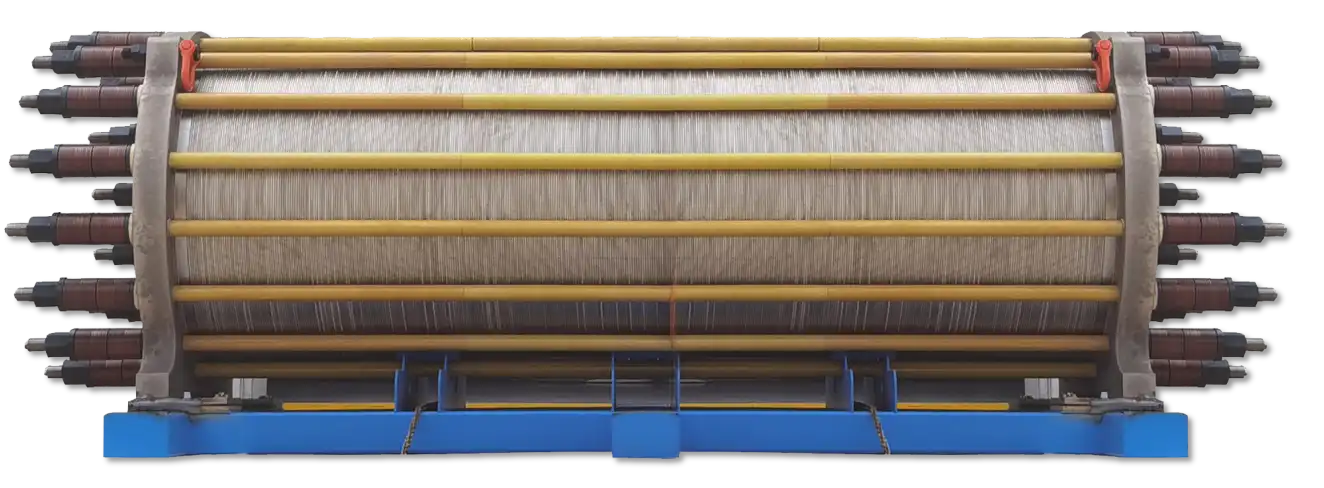
Understanding Hydrogen Generators: Principles and Benefits
Nowadays, hydrogen generators use complex ideas to turn simple water molecules into useful fuel for industry by using precise electrochemical processes. These high-tech systems use direct current to break down water and potassium hydroxide into clean hydrogen and oxygen using very effective electrolysis methods.
The most important technologies and uses
The best thing about modern electrolysis hydrogen generation is that it can be used in a lot of different industries. Chemical processing activities, such as those that make ammonia and methanol, gain greatly from having hydrogen available on-site all the time. Large amounts of hydrogen are needed for hydrogenation processes in the oil refining industry. On the other hand, ultra-pure hydrogen is needed for important manufacturing steps in microchip and solar panel production.
Industries are finding huge practical benefits in adopting hydrogen in a planned way. Compared to standard fossil fuel systems, these systems are much better at converting energy and their long-term costs are much lower because they don't have to buy as much fuel. The environmental benefits go beyond just lowering emissions; companies say they have better brand reputations and are better at following the rules.
Effects on the environment and the economy
The change makes the world better in measured ways that affect all parts of business supply lines. When companies switch from traditional fuel systems to clean electrolytic ones, they quickly see a drop in greenhouse gas emissions. These improvements for the environment have real economic benefits through the creation of carbon credits and lower costs for following the rules.
Modern systems are very flexible in how they work because they can change to different amounts of power from natural sources like wind and solar panels. This flexibility makes sure that hydrogen is always being made while also getting the most out of green energy, which makes industry processes truly sustainable.
Adding hydrogen generators to the supply and procurement chains for businesses
Adopting hydrogen technology successfully requires planned buying methods that take into account technical needs, budget concerns, and problems with integrating the technology into operations. Comprehensive planning that includes choosing the right equipment, figuring out how to put it, and making plans for long-term upkeep leads to the most successful applications.
Assessing and choosing a supplier
A careful evaluation of suppliers guarantees access to dependable hydrogen generators and quick support services throughout the entire operating lifetime. Leading makers show their dedication to quality by having a wide range of certifications, such as those that meet globally known standards like CE, ISO22734, and ASME approval. These approvals make sure that products are safe, work well, and follow all regulations in global markets.
There are a lot of different partnership methods in every market, which gives businesses a lot of options. For business buyers, these are the main ways they can buy things:
- Direct Purchase Models: Full ownership gives you the most control over operations and the best long-term cost savings through direct asset ownership and depreciation benefits.
- Leasing Agreements: Adaptable money plans that keep money safe while letting technology be used right away and predicting regular costs of doing business
- Rental Solutions: These are short-term choices that work well for project-specific uses or testing out technology before installing it permanently.
Businesses can use these different ways to buy hydrogen generators to fit their unique financial plans and operating schedules. This makes sure that resources are used most efficiently during the application process.
Implementation and Maintenance Considerations
For system integration to work well, startup requirements and ongoing upkeep schedules need to be carefully thought out. Professional installation services make sure that the system works at its best from the very beginning, and full care plans keep it running efficiently for long periods of time. Regular repair plans keep the quality of the hydrogen supply stable and stop unexpected downtime.
Safety measures are basic needs for how the hydrogen system works. Thorough safety training and following established industry standards keep workers safe on the job while still following the rules in a variety of operating settings.
The Future of Hydrogen Generators in Industrial Sustainability
The hydrogen generator's technological progress is still speeding up, thanks to rising industry demand and helpful legal regimes. Current market trends show that big businesses have a lot of room to grow. Chemical synthesis, renewable energy storage, and green fuel production all have very high adoption rates.
Market Trends and New Ideas
The main goals of innovation are to make energy use more efficient and make it easier to connect to green power sources. New electrode and membrane technologies make it possible for higher current levels while using less power than older systems. These advances in technology make strong business arguments for using hydrogen in a wide range of industrial settings.
Through reward programs and carbon reduction rules, regulations around the world are making it easier for people to use clean energy. Businesses can make the most of available financial benefits and policy support mechanisms when they understand these legal systems and plan their hydrogen investments more efficiently.
Suggestions for Strategic Implementation
Long-term economic benefits come from using hydrogen in a way that fits with larger efforts to be more environmentally friendly. Companies that use complete hydrogen plans say they are better positioned in the market, have lower running costs, and are more in line with regulations. Over time, these perks add up to a lot of value that goes beyond just saving money on fuel.
As rules about the environment get stricter and people start to prefer things that are made in a way that doesn't harm the environment, market place benefits become even more clear. Companies that already know how to make hydrogen often take advantage of high-end market possibilities while keeping their prices low by making their operations more efficient.
Advanced Hydrogen Generation Solutions from CM Energy
CM Energy adds decades of experience in the marine and industrial sectors to the hydrogen production market. They do this by using the technical skills they've gained from making a lot of equipment abroad. Our TSC brand is the pinnacle of technology when it comes to alkaline hydrogen generators, providing the best performance in the industry for chemical synthesis, integrating renewable energy, and making green fuels.
Leadership and Innovation in Technology
Our alkaline hydrogen generators work better than others because they use advanced electrode and membrane technologies that we created through a lot of research and development. Great energy savings is achieved by the TSC product line, which also has very high operating stability in harsh industrial settings.
The flexibility of the system makes it possible to integrate it easily into a wide range of settings, from large-scale chemical plants to sites that store green energy. Customizable setups can be used to meet individual practical needs while still providing the usual stability that industrial operations need.
Support and Experience Around the World
CM Energy has successfully installed more than 50MW of systems in foreign markets, showing that it can handle complicated industrial hydrogen uses. Through professional installation services, ongoing repair programs, and quick technical help, our full support infrastructure makes sure that your system works reliably.
The idea behind containerized design lets things be set up quickly and in a variety of ways, so they can be used for both long-term setups and short-term projects. This adaptability is especially helpful for businesses whose working needs change over time or that have multi-site rollout plans.
Conclusion
The industrial transition from fossil fuels to hydrogen represents a fundamental shift toward sustainable manufacturing and energy utilization. Advanced hydrogen generators provide the technological foundation for this transformation, offering reliable, efficient, and environmentally responsible alternatives to conventional fuel systems. Through strategic procurement and implementation of proven hydrogen generation technologies, industries can achieve significant environmental improvements while maintaining operational efficiency and cost competitiveness. The combination of technological advancement, supportive regulatory frameworks, and proven system reliability creates compelling opportunities for businesses seeking long-term sustainability and competitive advantage through clean energy adoption.
FAQ
1. What safety standards do hydrogen generators meet?
Modern electrolytic hydrogen systems adhere to comprehensive international safety standards, including CE certification, ASME compliance, and ISO22734 requirements. These certifications ensure safe operation across diverse industrial environments while meeting regulatory requirements in global markets. Professional installation and maintenance protocols provide additional safety assurance throughout the operational lifecycle.
2. How do operational costs compare to fossil fuel alternatives?
Electrolytic hydrogen systems typically demonstrate superior cost performance over extended operational periods. While initial investment requirements may exceed conventional alternatives, reduced fuel costs, lower maintenance requirements, and extended operational lifespans create favorable total cost of ownership profiles. Many industrial operations report substantial cost savings within five to seven years of implementation.
3. Can systems be customized for specific industrial applications?
Advanced hydrogen generation systems offer extensive customization capabilities to meet diverse industrial requirements. Modular designs enable precise capacity matching for specific applications, while flexible installation options accommodate varying space and environmental constraints. Professional engineering support ensures optimal system configuration for unique operational needs.
Partner with CM Energy for Advanced Hydrogen Solutions
CM Energy invites industrial decision-makers to explore our comprehensive TSC hydrogen generation solutions designed specifically for demanding chemical synthesis, renewable energy, and manufacturing applications. As a leading hydrogen generator manufacturer, we provide customizable hydrogen generators that deliver exceptional efficiency and reliability for long-term industrial operations. Our experienced engineering team offers detailed consultations, performance demonstrations, and tailored proposals that address specific operational requirements and sustainability objectives. Contact our industrial solutions team at info.cn@cm-energy.com to discuss your hydrogen generation needs and discover how our proven technology can support your transition to cleaner industrial processes.
References
- International Energy Agency. "Global Hydrogen Review 2023: Towards a Clean Energy Future." Paris: IEA Publications, 2023.
- Smith, Robert J., and Maria Chen. "Industrial Hydrogen Applications: Technical and Economic Analysis of Electrolytic Systems." Journal of Clean Energy Technology, vol. 15, no. 3, 2023, pp. 45-62.
- Department of Energy, United States. "Hydrogen Production Technical Targets and Performance Standards for 2030." Washington, D.C.: DOE Office of Energy Efficiency and Renewable Energy, 2023.
- Anderson, Lars K., et al. "Alkaline Electrolysis for Industrial Hydrogen Production: Performance Optimization and Cost Analysis." International Conference on Sustainable Energy Systems Proceedings, 2023, pp. 112-128.
- European Commission Directorate-General for Energy. "REPowerEU: Hydrogen Acceleration for Industrial Decarbonization." Luxembourg: Publications Office of the European Union, 2023.
- Wilson, Sarah M., and David Thompson. "Supply Chain Integration of Hydrogen Technologies in Manufacturing Industries." Industrial Sustainability Review, vol. 8, no. 4, 2023, pp. 78-95.