How Will MFSS Evolve with Advancements in Green Marine Fuels?
The progress made in Methanol Fuel Supply System technology is a major change in the attempts to reduce carbon emissions in the ocean. As pressure mounts on the marine industry to cut down on pollution, methanol stands out as a possible alternate fuel. Modern systems have advanced technology, stricter safety rules, and more efficient ways of doing things that solve old problems in the workplace. The change includes both technical improvements and strategy changes to meet the needs of different types of ships used for business shipping, offshore operations, and specialized marine tasks.
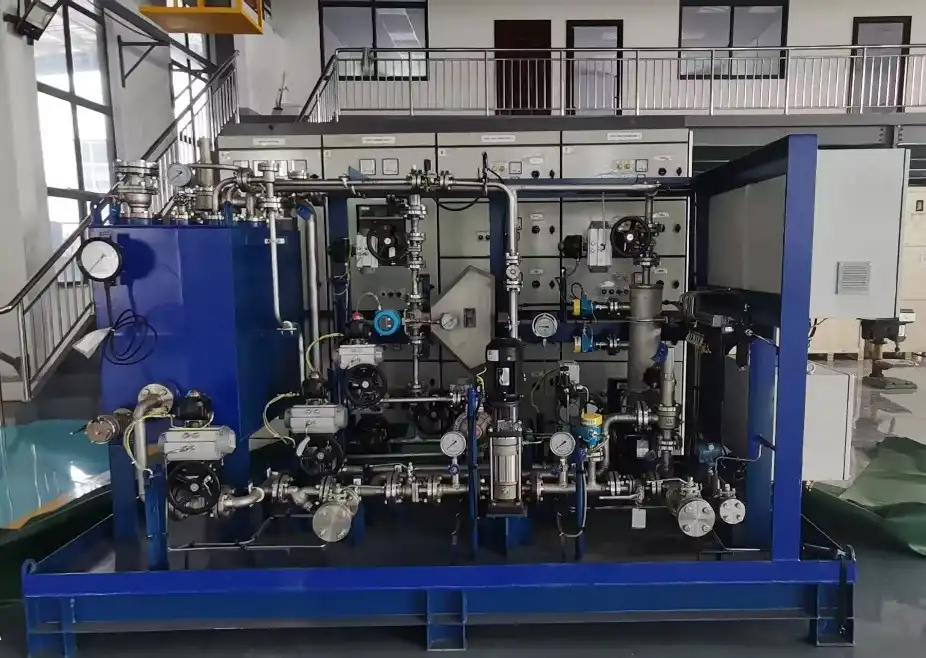
Problems and limits of traditional systems for supplying methanol fuel
The marine industry's move toward environmentally friendly fuels has shown that traditional methods for handling methanol have a lot of problems. These problems make it hard for many people to use it, and they also make it less successful for different types of ships.
Problems with operational efficiency and system reliability
Traditional methanol systems need a lot of upkeep and sometimes break down without warning. Older systems don't always have the precise controls needed to supply fuel consistently, especially when the load changes. Because of these errors, running costs have gone up and fewer ships are available for business work.
These problems are made worse by how hard it is to fix problems with older systems. When problems happen, finding the root reasons takes a lot of time and money, especially for ships that are working in rural areas. Many of the systems that are already in place need specialized technical knowledge that might not be easy to find in all ports. This makes it harder for fleet owners to plan their logistics.
Concerns about safety and following the rules
Because of how it is made, methanol poses special safety issues that are hard for standard systems to handle properly. Because the fuel is poisonous and easily ignites, it needs advanced tracking and control means that older designs can't provide. Not following the right safety rules can put team members at greater risk and could lead to workers breaking the law.
Environmental rules are getting stricter in many big marine markets, which makes it harder for older systems to keep up with changing standards. Many standard sites lack the advanced pollution tracking and control powers needed by current and expected future laws. Because of this legal gap, owners have to decide whether to make expensive changes or risk getting fined for not following the rules.
Key Advancements Driving the Evolution of Methanol Fuel Supply Systems
New technologies are changing the way methanol fuel supply systems work, making them safer, more efficient, and better for the environment than ever before. These improvements fix problems from the past and get the marine business ready for the environmental needs of the future.
Putting together smart automation and predictive maintenance
These days, methanol fuel supply systems have smart sensors and automatic settings that keep an eye on important factors all the time. Predictive repair plans can find possible problems before they cause system crashes thanks to real-time data collection. This preventive method cuts down on unexpected downtime by a large amount and makes tools last longer.
Modern robotic systems can change the way fuel is delivered automatically based on the load on the engine and the conditions of operation. This dynamic reaction feature makes sure that the engine uses the least amount of fuel possible while still running at the same level of speed in all kinds of operating situations. Adding machine learning techniques to a system makes it even more flexible over time.
Better safety technologies and materials
Improvements in material science have led to the creation of metals that don't rust and seals that can better handle the harsh qualities of methanol. These changes make the methanol fuel supply system last longer and require less upkeep, which is especially important for ships that work in rough seas.
Improvements to safety include more advanced systems for finding leaks, better controls for air, and the ability to automatically shut down in an emergency. All of these features work together to keep you safe when handling methanol and make sure you follow strict international safety rules. Using multiple safety systems adds more layers of defense for the safety of the workers and the craft.
Compares well to other green fuels and offers advantages
When it comes to storage needs and infrastructure fit, methanol is clearly better than other potential ship fuels. Methanol can be stored and handled using modified regular fuel systems, while hydrogen systems need to be kept in a cold environment or under high pressure. This feature makes it easier to make changes to current ships and lowers the amount of money that needs to be spent on equipment.
When it comes to long trips, methanol's high energy density makes it a better choice than battery-powered options. Also, because methanol is a liquid at room temperature, it doesn't need the complicated handling systems that are needed for compressed gas fuels. This makes it a great choice for a wide range of vessel uses.
Adapting MFSS to the Needs of Modern Marine Engines and Applications
Modern boats need fuel supply options that are flexible and can be changed to fit their needs. To get the most out of a fuel system and keep it running reliably, different types of vessels and operating patterns need different methods.
System Optimization for Each Vessel
Commercial ships, like tanks and bulk carriers, need systems with a lot of space and that can run continuously for long periods of time. Modular designs of methanol fuel supply systems that can be scaled to fit the size and power needs of each vessel are useful in these situations. Customizing system settings makes sure that they work well with the ship's current systems.
Because they work in different ways and have limited room, offshore support boats and specialized marine uses pose special problems. With their small sizes and variety of mounting choices, modern systems can meet these needs and keep working perfectly in a wide range of vessel configurations.
Best Practices for Installation and Maintenance
Implementing a methanol fuel supply system successfully starts with a thorough review of the vehicle and planning of the interaction. Careful planning between fuel system parts and current tank systems is needed for proper integration to make sure that everything works smoothly and safety standards are met. Professional installation services make sure that the system works at its best right from the start.
Proactive repair plans are very important for keeping systems working well and intact over time. Regular check plans, repair methods for parts, and performance tracking help keep systems from breaking down and save money over time. Having access to skilled technology help makes sure that any operating problems are fixed quickly.
Supply Chain Dependability and Choosing a Vendor
If you choose reputable providers with a history of working with naval fuel systems, you can be sure that you will be able to get quality parts and good expert support. Well-known brands usually come with full warranties and ongoing service support that keep investments safe and reduce operating risks.
Strong relationships with suppliers give you access to professional know-how and the speed to solve problems as they come up. This support network is especially helpful for ships that work in rural areas where there may not be many expert tools nearby.
Future Trends and the Role of MFSS in the Green Marine Fuel Revolution
The maritime industry's sustainability transformation continues accelerating, driven by regulatory pressures and environmental commitments. Understanding emerging trends helps stakeholders prepare for future opportunities and challenges in marine fuel technology.
Hybrid Energy Integration and System Convergence
Future marine propulsion systems will increasingly combine multiple energy sources to optimize efficiency and reduce emissions. Methanol fuel supply systems are being designed to integrate seamlessly with battery storage and hydrogen fuel cells, creating flexible hybrid configurations that adapt to varying operational requirements.
This convergence enables vessels to optimize energy sources based on operational conditions, regulatory requirements, and fuel availability. The flexibility to switch between energy sources provides operational resilience and cost optimization opportunities for fleet operators.
Digital Transformation and AI-Powered Optimization
Artificial intelligence and machine learning technologies are transforming fuel system management through predictive analytics and autonomous optimization. These technologies enable systems to learn from operational patterns and continuously improve performance while reducing manual oversight requirements.
Digital connectivity enables remote monitoring and support capabilities that reduce the need for specialized on-board technical expertise. Cloud-based systems provide access to real-time technical support and system diagnostics from anywhere in the world.
Infrastructure Development and Market Expansion
Global methanol bunkering infrastructure continues expanding to support growing demand for alternative marine fuels. This infrastructure development reduces fuel availability concerns and supports wider adoption across diverse maritime markets.
International collaboration between ports, suppliers, and vessel operators creates comprehensive support networks that facilitate methanol fuel supply system adoption. These partnerships address logistical challenges and ensure reliable fuel supplies for vessels transitioning to methanol propulsion.
Conclusion
The marine industry's sustainable revolution depends on methanol fuel supply systems. Technological breakthroughs solve problems and improve operational efficiency and environmental compliance. Smart automation, safety features, and materials science enable systems to suit commercial and specialty marine vessel needs.
In this changing market, strategic procurement choices must include technological skills, supplier knowledge, and long-term operational goals. The integration of digital technology, hybrid energy systems, and growing infrastructure bodes well for methanol adoption. Selecting certified vendors with established track records and complete support capabilities to guarantee dependable system performance throughout the operating lifespan is crucial to this move.
Frequently asked questions
1. The major components of a contemporary methanol fuel supply system?
Methanol supply units, filling and delivery systems, auxiliary systems, and control and safety systems are modern. The supply unit meets engine manufacturer pressure, temperature, flow rate, and cleanliness standards. Filling and delivery systems tank, store, and move methanol according chemical vessel rules. Automatic monitoring and emergency protection are provided by control and safety systems.
2. How do methanol systems compare to maritime fuel alternatives?
Methanol is simpler to store and handle than hydrogen or LNG, has higher energy density than batteries, and works with modified existing fuel infrastructure. Ambient liquid state removes complicated cryogenic storage needs and provides enough energy density for long-distance travel.
3. What are methanol fuel system safety concerns?
Due to its toxicity and flammability, methanol systems necessitate additional safety precautions. Modern systems include automatic emergency shutdown, leak detection, and ventilation controls. Safe operation and regulatory compliance are ensured by SOLAS-IBC and IGF Code compliance.
Partner with CM Energy for Advanced Methanol Fuel Solutions
CM Energy brings unparalleled expertise in marine fuel system technology through our proven track record and innovative engineering capabilities. Our comprehensive methanol fuel supply system solutions address the complex requirements of modern maritime operations while ensuring compliance with evolving environmental regulations.
As a trusted Methanol Fuel Supply System manufacturer, we deliver customized solutions that optimize performance for diverse vessel types including bulk carriers, tankers, and offshore support vessels. Our modular design approach enables flexible installation options while maintaining the highest safety and reliability standards.
Our team of experienced engineers provides complete project support from initial design through installation and ongoing maintenance. With DNV certifications and successful delivery of multiple installations, we ensure quality and compliance throughout every project phase. Contact our technical specialists at info.cn@cm-energy.com to discuss your specific methanol fuel system requirements and discover how our innovative solutions can support your fleet's sustainability objectives.
References
- International Maritime Organization. "Guidelines for Systems and Installations for Supply of LNG as Fuel to Ships." Maritime Safety Committee Resolution, 2022.
- Maritime and Port Authority of Singapore. "Technical Reference for Methanol as Marine Fuel." Alternative Marine Fuels Technical Advisory, 2023.
- DNV Classification Society. "Alternative Fuels for Shipping: Technology Development and Implementation Guidelines." Marine Technology Report, 2023.
- European Maritime Safety Agency. "Study on the Use of Fuel Cells in Shipping." Technical Analysis and Market Assessment, 2022.
- American Bureau of Shipping. "Methanol Fuel Systems: Design and Installation Guidelines for Marine Applications." Technical Standards Publication, 2023.
- Lloyd's Register. "Fuel Supply System Technology for Alternative Marine Fuels: Safety and Performance Standards." Maritime Technology Review, 2023.