Multiple top makers of LNG Fuel Supply Systems have been named by the global marine industry as providing reliable and cutting edge solutions for seafaring uses. Leading sources include Wärtsilä (Finland), MAN Energy Solutions (Germany), Rolls-Royce Marine (UK), TGE Marine (Germany), GTT (France), Chart Industries (USA), Hyundai Heavy Industries (South Korea), and new Chinese companies like CM Energy. They offer full fuel gas supply systems (FGSS) with different pressure options, working with a wide range of vessels, from bulk ships to offshore support vessels. These companies have a history of safety and use cutting-edge technology.
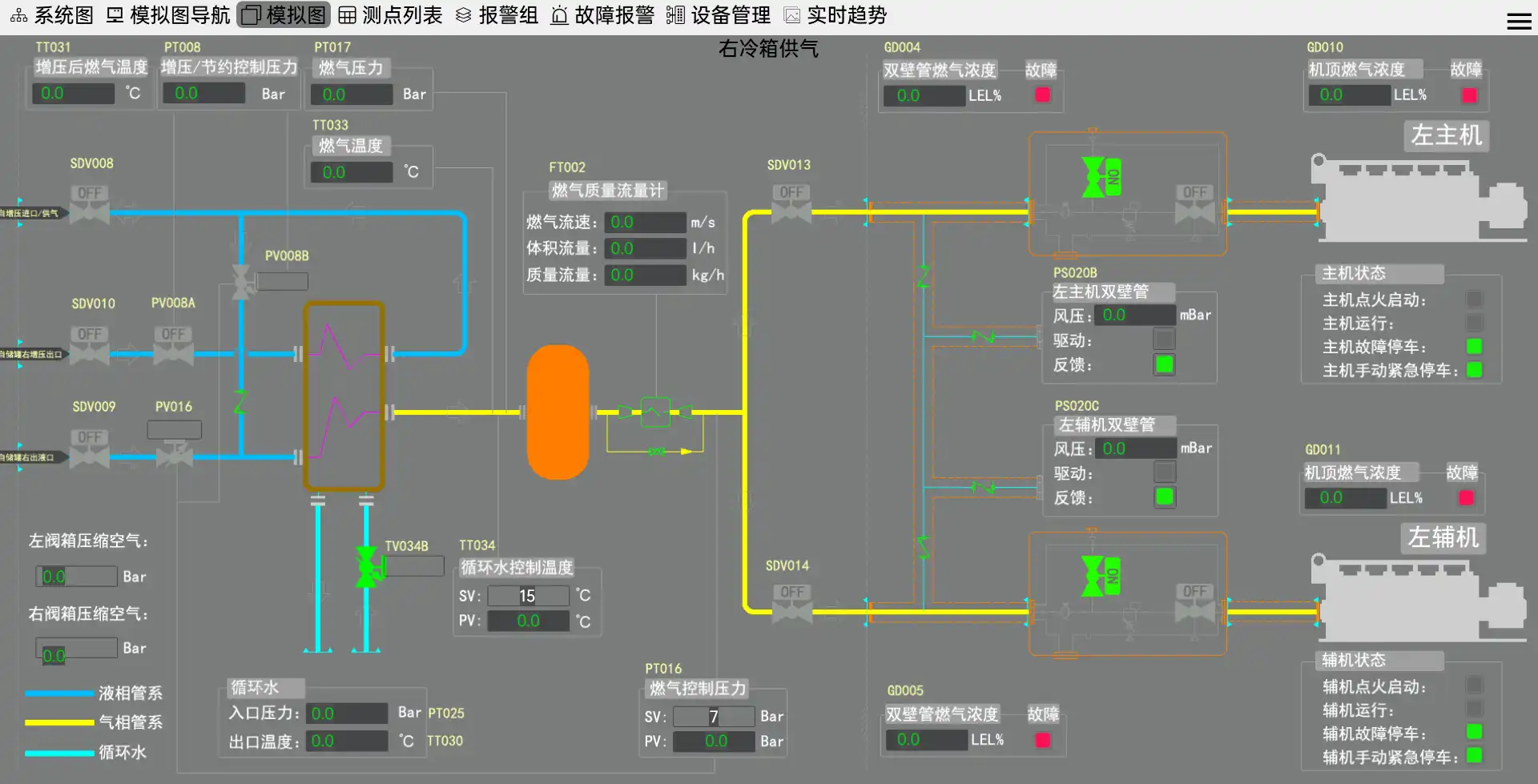
Current Maritime Fuel Landscape and LNG Adoption Trends
There is a growing amount of demand on the marine sector to cut emissions while still maintaining production efficiency. With LNG delivering a considerable decrease in CO2 emissions in comparison to typical marine gas oil, the International Maritime Organization (IMO) actively encourages shipowners to choose greener fuels.
LNG use is growing, and big shipping companies are spending in LNG-powered ships to help the economy and the environment. The LNG Fuel Supply System is very important for this shift to go smoothly. China's shipbuilding industry is ready to meet this demand thanks to its improved engineering and low prices. It is also backed by a strong supply chain that allows it to increase production and meet needs around the world.
Strategic Advantages of Chinese LNG System Manufacturing
Advanced Engineering Capabilities and Innovation
Chinese manufacturers excel in cryogenic pump technology and fuel injection systems, investing heavily in R&D to develop competitive, proprietary solutions. Advanced facilities use automation and precision engineering, while collaboration with top European design firms ensures global standards are met, offering high-quality products at competitive prices.
Comprehensive Production Infrastructure
China's connected industrial environment gives manufacturers a lot of benefits. Supply lines cover everything from making steel to insulating buildings. Costs and shipping times go down because of this vertical integration. Customization is possible at a reasonable price with large-scale production, especially for specific vessel uses that need custom system setups.
Essential Criteria for Selecting Reliable LNG System Manufacturers
Technical Expertise Assessment
Evaluate manufacturers' experience with similar vessel types and fuel tank integration, focusing on maritime engineering challenges. Review proprietary technologies and patents, particularly for boil-off gas management and pressure regulation. Ensure technical documentation demonstrates full system integration capabilities.
Operational Track Record Evaluation
Ask for case studies of successful setups in a range of marine settings, paying special attention to system uptime and repair needs. Get independent reviews from current customers to check out what the maker says. Focus on comments on ongoing help and long-term operating success, not just the results of the original installation.
Quality Management System Verification
Examine quality control processes and testing protocols. Trusted manufacturers follow strict quality management systems and ensure safety valve testing meets international maritime standards. Review audit reports, quality certifications, and continuous improvement efforts. Verify supplier management and material traceability procedures to ensure high manufacturing standards are consistently upheld.
Engineering Design Capabilities
Assess design team expertise and software capabilities, ensuring proficiency in advanced modeling and simulation tools. Evaluate the ability to customize systems for unique vessel requirements, addressing operational constraints and performance goals. Engineering solutions should include tailored pipeline routing and gas detection integration for specific vessel needs.
After-Sales Support Infrastructure
Evaluate global service network coverage and response times, ensuring reliable technical support and emergency procedures. Service agreements should guarantee spare parts availability. Review training programs for crew and maintenance staff to ensure safe operation and optimal performance. Documentation should include detailed operational procedures and troubleshooting guides.
Critical Certification Standards and Regulatory Compliance
International Maritime Certifications
LNG Fuel Supply System needs approval from classification societies like DNV, ABS, and CCS to ensure design integrity and safety compliance, meeting IGF and SOLAS standards. Type approval certifies equipment suitability, with individual certifications for vaporizers and fuel monitoring systems, supported by comprehensive documentation.
Quality Management Certifications
ISO 9001 certification ensures quality management, with facilities maintaining regular audits. ISO 14001 indicates environmental management. Welding and personnel certifications guarantee construction quality, while certified welders are required for LNG applications. Material traceability supports quality assurance throughout the system lifecycle.
Safety and Environmental Compliance
ATEX certification is required for equipment in explosive atmospheres, with gas compressors and electrical components needing hazardous area certifications. SIS components must meet IEC 61508. Environmental certifications ensure sustainability, while emission control components require performance certifications and lifecycle assessments.
Effective Sourcing Channels and Platform Strategies
Direct Manufacturer Engagement
Establish direct relationships with manufacturers for better communication and project coordination, avoiding intermediary markups. Manufacturer visits allow evaluation of production and quality systems. Attend trade shows like Marintec China and Gastech to meet suppliers and discuss technical capabilities face-to-face.
Professional B2B Platforms
Use B2B platforms for maritime equipment procurement, offering supplier verification, transaction protection, and detailed profiles with certifications and feedback. Industry-specific platforms enhance technical matching, helping identify suppliers with specific technologies, while providing documentation trails for procurement processes.
Industry Association Networks
Leverage maritime association memberships for supplier recommendations and peer insights. Networking at events connects you with potential suppliers and experts. Participating in technical committees offers insights into industry trends, emerging technologies, and regulatory changes impacting the LNG Fuel Supply System.
Strategic Approaches to OEM and ODM Partnerships
Partnership Model Selection
Choose collaboration models based on technical needs and market strategy. OEM partnerships offer proven designs with custom branding, while ODM allows more design flexibility and IP control. Evaluate design capabilities and ensure clear IP agreements to protect innovations and quality objectives.
Technology Transfer Considerations
Establish clear technology transfer protocols with detailed documentation for fuel supply control and safety systems. Provide training for local engineering teams. Define ongoing support and collaboration for system improvements, regulatory updates, and maintaining technical competency for long-term success.
Quality Assurance Integration
Implement integrated quality management systems with aligned objectives and regular reviews. Establish joint testing and validation procedures for new products, sharing resources and expertise. Quality gate approvals should be mutually agreed upon to maintain consistent standards throughout the partnership.
Effective MOQ and Pricing Negotiation Strategies
Volume Planning and Forecasting
Develop accurate volume forecasts based on market demand and production capacity to optimize MOQ and pricing. Use phased deliveries to manage cash flow. For high-value items like LNG tanks, consider individual negotiations or bundling strategies for complete system procurement.
Payment Term Optimization
Negotiate payment terms based on project risks and financial capabilities, using milestone-based schedules for protection. Letter of credit secures international transactions. Explore financing options, such as equipment financing or lease-to-purchase arrangements, to reduce capital requirements and offer operational flexibility.
Long-term Agreement Benefits
Establish framework agreements for multiple projects to ensure pricing stability and supply security, with preferential pricing and priority allocation. Include technology update provisions to incorporate advancements, protecting investment value and maintaining competitive performance through upgrade pathways.
Comprehensive Factory Audit and Quality Assurance Protocols
Pre-Audit Preparation
Develop comprehensive audit checklists covering all critical manufacturing processes. Focus areas include welding procedures, testing capabilities, and quality control systems. Review quality manuals and process documentation prior to facility visits.
Assemble qualified audit teams with relevant technical expertise. Include specialists familiar with fuel filter manufacturing and pressure testing procedures. Multi-disciplinary teams provide comprehensive evaluation coverage.
Manufacturing Process Evaluation
Examine manufacturing workflows and quality control integration points. Observe actual production activities rather than relying solely on documentation review. Pay particular attention to critical processes affecting system safety and reliability.
Evaluate testing and inspection capabilities including equipment calibration status. Witness testing procedures for representative components and assemblies. Document any deviations from established procedures or quality standards.
Continuous Monitoring Systems
Establish ongoing monitoring protocols for supplier performance tracking. Regular quality metrics reporting provides early indication of potential issues. Supplier scorecards facilitate objective performance comparisons.
Implement corrective action procedures for quality non-conformances. Rapid response protocols minimize impact on delivery schedules. Root cause analysis requirements prevent recurring quality issues.
Leading Supplier Characteristics in the Current Market
Technological Innovation Leadership
Top suppliers continuously innovate in LNG bunkering and system integration, investing in R&D to improve efficiency and reduce complexity, backed by strong patent portfolios. Leading manufacturers offer a comprehensive range of products for all vessel types, with modular, scalable designs that maintain flexibility and standardized interfaces to meet varying capacity needs.
Global Service Capabilities
Market-leading suppliers offer global service networks with standardized procedures for consistent support. Digital monitoring enables proactive maintenance and remote diagnostics. Local training reduces response times, while spare parts management ensures availability. Service level agreements guarantee performance and accountability.
Sustainability and Environmental Leadership
Forward-thinking suppliers integrate sustainability, with environmental management systems minimizing impact and lifecycle assessments supporting customer goals. Investment in next-generation fuels like hydrogen and ammonia, along with hybrid systems, positions suppliers for future market evolution and long-term industry transformation.
Conclusion
Picking the best LNG fuel supply system maker means looking at their technical skills, quality standards, and prospects for a long-term relationship. Chinese makers have benefits like solid infrastructure, advanced tech, and low prices. Innovative providers and smart partnerships help the marine industry reach organizational success as it switches to cleaner fuels. Long-term success depends on choosing the best seller after a full evaluation process.
Frequently Asked Questions
Q1: What are the key differences between high-pressure and low-pressure LNG fuel supply systems?
A: Lots of pressure When FGSS systems are used with MAN GI engines, they work at high pressures and offer much less methane slip than regular engines. Low-pressure systems work with Otto-cycle gas engines and usually have much lower pressures. The choice is based on things like the type of engine, pollution standards, and how the vehicle will be used.
Q2: How long does it typically take to manufacture and install an LNG fuel supply system?
A: Manufacturing timeframes depend on the complexity of the system and customization needs. Standard systems usually take a few months for production, while customized solutions may require a bit longer. Installation time varies based on vessel type and modification needs, generally taking several weeks, including commissioning and testing.
Q3: What ongoing maintenance requirements should be expected for LNG fuel systems?
A: Safety valves are checked regularly, fuel lines are put under pressure, tracking systems are calibrated, and cold pumps and heaters get preventative care. Most manufacturers suggest that important parts be serviced every couple of months and that the whole system be inspected once a year. Maintenance is important to make sure that things work well and follow the rules.
Partner with CM Energy for Advanced LNG Fuel Supply Solutions
CM Energy stands among China's premier LNG Fuel Supply System manufacturers, delivering innovative solutions for diverse maritime applications. Our proven track record includes successful installations on bulk carriers, chemical tankers, and offshore vessels with over one year of operational reliability. We offer comprehensive services from system design through lifecycle support, backed by strategic partnerships with leading international firms. Ready to explore cutting-edge fuel gas supply systems for your fleet? Contact us at info.cn@cm-energy.com to discuss your specific requirements and discover how our advanced technology can enhance your vessel operations.
References
- International Maritime Organization. (2024). "Guidelines for Ships Using Fuel Cells and Guidelines for Low-flashpoint Fuels." IMO Technical Publications.
- Maritime and Port Authority of Singapore. (2023). "LNG Bunkering Safety Guidelines and Port Regulations." MPA Safety Standards.
- DNV Classification Society. (2024). "Rules for Classification of Ships Using Low-flashpoint Fuels." DNV Technical Standards.
- International Gas Union. (2023). "Global LNG Marine Fuel Market Development and Safety Standards." IGU Industry Report.
- China Classification Society. (2024). "Guidelines for LNG Fuel Supply Systems on Ships." CCS Technical Requirements.
- Lloyd's Register. (2023). "Type Approval Requirements for Marine LNG Fuel Gas Supply Systems." LR Technical Standards.