How to Choose a Rigid Wing Sail for Your Boat
Choosing the right rigid wing sail for your vessel is one of the most consequential capital decisions a fleet technical director or procurement manager will make. A rigid wing sail is a vertically mounted aerodynamic structure that converts wind energy into auxiliary propulsion, delivering significantly higher lift-to-drag ratios than traditional soft sails. Unlike flexible canvas, a rigid wing sail maintains its precise aerodynamic shape across all wind conditions, enabling fuel savings that directly address IMO EEXI and CII compliance requirements. This guide walks you through everything you need to evaluate before committing to a rigid wing sail investment.
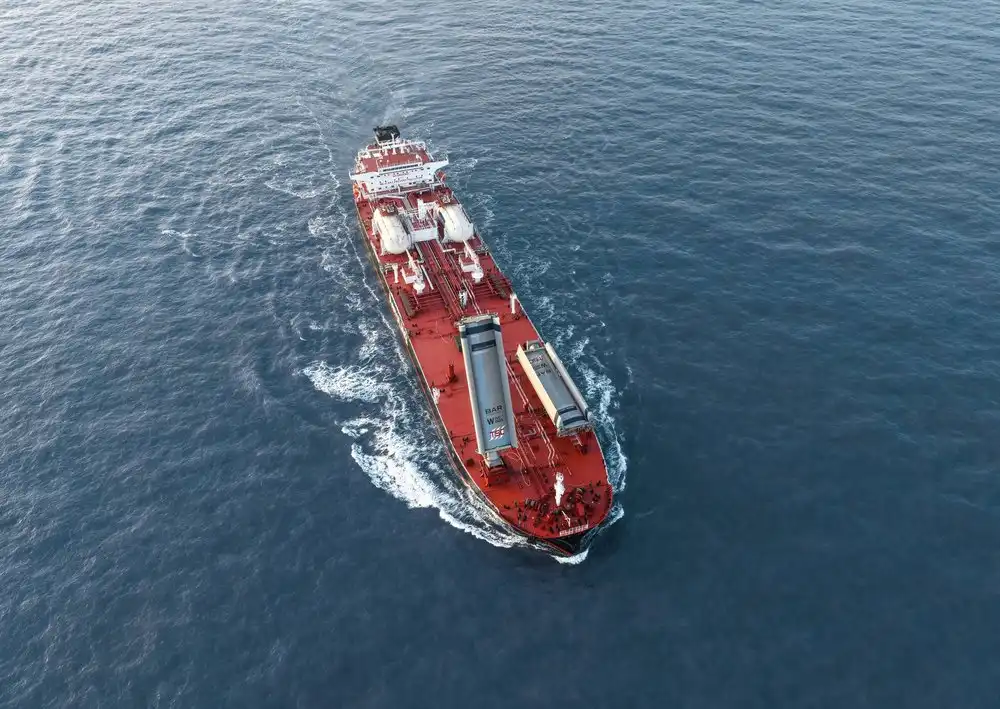
Understanding Rigid Wing Sails: Key Concepts and Benefits
A rigid wing sail works like an airplane wing in terms of aerodynamics, but it is attached vertically to the deck of a ship. Its structure makes consistent, high-efficiency lift without deforming under load, which is one of the main problems with soft sail systems. For tankers and bulk carriers that make long trips across the ocean, this means that they will use less fuel on every trip.
How Aerodynamic Lift Works in Wing Sail Systems
A well-built rigid wing sail has a lift coefficient that is much higher than what soft sails can do. Multi-element designs, which include a main wing body and following flaps that can be adjusted, let you change the camber, which means that the aerodynamic form can change based on the wind conditions at any given time. This automatic change is what makes a modern wind-assisted propulsion system different from older ideas like secondary sails.
Materials That Define Durability
For commercial-grade rigid wing sail structures, ship-grade steel frames and industrial-grade glass fiber composite panels are the norm. Over a 25-year service life, these materials can handle the harsh, high-load conditions of open-ocean sailing. When choosing a rigid wing sail supplier, you must make sure that they get their raw materials from sources that are ISO-certified and do quality checks that are required by the classification society.
Environmental and Regulatory Advantages
Each rigid wing sail that is put on a bulk ship or tanker directly lowers the amount of CO2 that is released each journey day. Because of the EU ETS carbon pricing and FuelEU Maritime responsibilities, that decrease means that money will be saved directly on carbon credits. Fleet owners who are worried about CII rating drops after 2026 will find that a rigid wing sail is one of the easiest ways to raise carbon intensity scores without lowering cargo space.
Core Criteria for Choosing the Right Rigid Wing Sail
Not every rigid wing sail works with every boat. To choose the best method, you need to do an organized analysis that takes into account your trade routes, the size of your vessels, the limitations of your ports, and the total cost of ownership over the product's lifetime.
Vessel Type and Trade Route Compatibility
A rigid wing sail works best on ships that travel trade routes that are reliable and wind-friendly. For example, beam and reaching wind directions are always good for bulk ships crossing the Pacific and Atlantic. Before making a decision, ask your provider to do a route-specific wind study. A reliable rigid wing sail manufacturer will give you DNV-verified figures of how much fuel you will save based on how you actually run your business, not just general predictions.
Control Systems and Operational Simplicity
The way a rigid wing sail is controlled is very important for crew satisfaction. The best systems use automated software to adjust the ship's alignment and camber. This software works with the ship's existing bridge equipment, such as the ECDIS and anemometer feeds. So that officers can control the rigid wing sail without having to get special training or extra certifications, the manual override interfaces should be easy to use, like using a deck crane.
Economic Evaluation: CAPEX vs. Lifetime Savings
A rigid wing sail system costs a lot of money up front. But with proven fuel savings of up to 1.6 tons per wing per day, the business case quickly looks strong when compared to the present price of bunker fuel. A thorough payback study should look at the carbon credits saved under the EU ETS, the possibility of getting green loans through ESG-linked loan facilities, and the value of the rigid wing sail itself, since it can be moved from one ship to another. ROI times are usually between three and seven years, but they depend on the route and the price of fuel.
Comparing Rigid Wing Sails with Alternatives: Make an Informed Choice
Fleet buying teams often look at rigid wing sails along with other technologies that use wind to help move ships. There are trade-offs between each choice in terms of speed, deck space, crew workload, and acceptance by the classification society.
Rotor sails, also known as Flettner rotors, need electricly driven turning cylinders, which makes up for some of the fuel they save. Kite sails need a lot of space on the forward deck and are hard to set up, so they can't be used with most bulk ship designs. Soft sail systems don't have the consistent structure needed for fully automated operation, so they need to be trimmed by hand by skilled people.
A rigid wing sail, on the other hand, automatically provides high lift with little help from the crew and has been approved by DNV, BV, LR, and CCS for all types of business vessels. Its folding laydown system lets you get to the full hatch cover without stopping cargo operations. This is a useful feature that rotor and kite solutions on standard bulk carrier deck plans can't match.
When choosing a rigid wing sail supplier, it's best to go with one that has real-world data from commercial voyages instead of just tank test results. When boards decide to approve capital expenditures, real-world validation from outside groups like DNV is given a lot more weight than just computational fluid dynamics models.
How to Procure Your Rigid Wing Sail: Supplier and Transaction Insights
Getting a rigid wing sail is an organized process that usually takes between six and eighteen months, from the first compliance check to the fitting on the first ship.
Identifying Qualified Rigid Wing Sail Suppliers
A qualified rigid wing sail provider has at least one major classification society's current type approval and can show that they have either AiP or full class qualification. Ask for proof of how well the ship is doing while it is in service, such as records of port calls and any incident reports. For a first retrofit job, suppliers who have only made twenty commercial port calls in their past are more likely to cause problems during integration.
Customization, New Build Integration, and Retrofit Options
A rigid wing sail can be added as part of a new build design, which raises the EEDI index during the contract stage, or it can be added later during a planned dry-dock window. For retrofit jobs, you need to do a compatibility study that looks at the electrical power source, hatch cover clearance geometry, and structural deck strengthening. Reliable providers do this research before you sign the contract and give you a thorough installation plan that works with your docking schedule.
After-Sales Support and IoT Monitoring
How happy you are with your rigid wing sail in the long term depends on how well you are helped after installation. Look for providers that offer weather routing optimization services, IoT-based remote performance tracking, and structured repair contracts. A 25-year design life is only possible if the supplier keeps the service capability active throughout the product's use.
Practical Tips and Best Practices for Long-Term Satisfaction
The owners of rigid wing sails that get the best returns on their investments follow a few simple steps that keep the boats running well and protect their investment's value.
Routine Inspection and Preventive Maintenance
Plan to visually check the composite skin every time it's in dry dock and after any major weather event. Every year, hydraulic or electromechanical valves need to have their seals replaced and their oil checked. Keeping inspection records in sync with the audit cycles of the classification society stops unplanned repair downtime and helps with guarantee claims.
Crew Familiarization and Onboard Procedures
Before your first trip with the rigid wing sail operating, you should spend money on an organized onboard familiarization program. Officers need to know how to use the automated trim reasoning, how to change it manually, and how to lay down for port approach. When suppliers offer web-based training tools and technical help from shore, crew trust grows a lot.
Avoiding Common Procurement Mistakes
Most of the time, buying mistakes happen when promises of saving fuel are believed without asking for an independent verification report. Ask for the DNV or a similar paper from a third party every time. A second common mistake is not realizing how hard it is to integrate deck equipment on ships with lots of cargo gear. Before you sign any rigid wing sail supply deal, ask for a full review of the deck setup.
CM Energy WindWings®: A Rigid Wing Sail Built for Commercial Fleets
The Hong Kong Stock Exchange lists CM Energy as a company that does business under the TSC name. They sell the WindWings® rigid wing sail system, which they created with BAR Technologies in the UK. The three-element rigid wing sail called WindWings® is trademarked and has fully changeable camber and angle of attack to get the best aerodynamic setup at any given time. The Wolfson Unit and Lloyd's have separately checked the performance, and DNV has approved it.
WindWings® make more than 2.5 times as much lift as a regular single-wing rigid wing sail and come in three span sizes to fit different types of boats. The system has made stops at more than twenty major ports around the world without any problems. This gives ship owners and classification society engineers the real-world track record they need. Type approval from DNV and BV has been given to TSC's WindWings®, and AiP certification confirms that they are structurally and operationally compliant.
Here are the main benefits of the WindWings® rigid wing sail that make it stand out in business fleet settings:
- Automated camber and alignment control: Specialized software constantly figures out the best wing position and shape, reporting thrust performance in real time without any help from the crew.
- Operational compatibility with cargo equipment: The rigid wing sail can be turned into a laydown position to make room for hatch covers and deck gear. This way, at every port, cargo handling is not hampered.
- Full lifecycle support: CM Energy and TSC handle the installation, provide remote IoT tracking, optimize weather routes, and offer long-term maintenance contracts from the time the product is put into service until it is retired after 25 years.
- Transferable asset value: The rigid wing sail can be taken off and put back on a different ship, so the capital value is kept even when the fleet changes.
These benefits directly address the two issues that come up most often in board-level CAPEX reviews: being sure of saving fuel and causing as little trouble as possible to vessel operations. With CM Energy and TSC, buyers get a rigid wing sail that is backed by real-world performance data, not just guesses.
Conclusion
When choosing a rigid wing sail for a commercial bulk carrier or tanker, it is important to carefully check its aerodynamic performance, get it certified by a classification society, make sure it can be integrated into the deck, and make sure the supplier can provide good service. When real bunker costs and carbon prices are used to make accurate models, the financial case is strong. The TSC brand of CM Energy's WindWings® rigid wing sail, which was created in collaboration with BAR Technologies, offers verified in-service performance data, multi-class certification, and full lifecycle support. This gives procurement teams the proof they need to confidently move forward with a capital expenditure proposal.
FAQ
1. How long does a rigid wing sail typically last?
A rigid wing sail made for business use is built to last for 25 years without needing major structural repairs. This is based on the idea that the actuators, seals, and composite skin integrity will be properly maintained at each planned dry-dock period.
2. Which vessel types are compatible with a rigid wing sail?
Rigid Wing Sail systems are primarily used on trucks and bulk ships. Compatibility depends on how the deck is laid out, how the hatch covers are shaped, and what kind of power source is available. Before committing to a retrofit, the first step is usually for the provider to do a compatibility study.
3. What fuel savings can a fleet owner realistically expect?
WindWings® have been independently checked by DNV and found to save up to 1.6 tons of fuel per wing per day on bulk ship launches. The amount of money saved depends on the trade route, the wind, and the speed of the ship. For board approval purposes, route-specific modeling with a qualified supplier gives the most accurate projection.
4. Does a rigid wing sail require special crew certification?
You don't need any special marine certifications. Using it is like handling tools on a deck crane. The practical needs of the crew are met by familiarization training and automated control systems provided by the supplier.
5. Can a rigid wing sail be installed during a routine dry-dock?
Yes, as long as the work on the compatibility study and structure engineering is done ahead of time. Getting the installation plan to work with your docking schedule will help you lose as few working days as possible.
Partner with CM Energy for Your Rigid Wing Sail Solution
CM Energy and the TSC brand support WindWings® as a rigid wing sail provider that has been used in the real world and has been approved by global class authorities. Whether you are looking at a first retrofit project or choosing a rigid wing sail for a new build program, our engineering team will help you figure out how much money you will save on each route and then install it for you. Get in touch with us right away to ask for a technical advice or a quote on a job.
Website: cm-energy.com
Email: info.cn@cm-energy.com
References
1. DNV. Wind-Assisted Propulsion Systems: Type Approval and Verification Methodology. DNV, 2023.
2. International Maritime Organization. 2023 IMO Strategy on Reduction of GHG Emissions from Ships. IMO, 2023.
3. Lloyd's Register. Wind-Assisted Ship Propulsion: Guidance for Designers and Operators. Lloyd's Register, 2022.
4. Tradewinds. Wind Propulsion Technologies and Their Role in Shipping Decarbonization. Tradewinds, 2023.
5. Wolfson Unit for Marine Technology and Industrial Aerodynamics. Aerodynamic Performance Verification of Rigid Wing Sail Systems. University of Southampton, 2022.
6. Bureau Veritas. Alternative Propulsion and Wind-Assisted Vessels: Classification Requirements and AiP Framework. Bureau Veritas, 2023.
