LPG Cargo Handling System: Key Functions and Equipment
An LPG cargo handling system is the operational backbone of any liquefied petroleum gas carrier. It governs every stage of the cargo's journey — from loading at the terminal to discharge at the destination port. Unlike general cargo handling equipment, an LPG-specific system must account for the pressurized or refrigerated nature of the gas, integrating pumps, pipelines, monitoring instruments, and emergency shutdown functions into one coordinated framework. For ship owners, shipyards, and EPC project teams, selecting the right cargo handling system directly determines vessel safety, operational efficiency, and regulatory compliance.
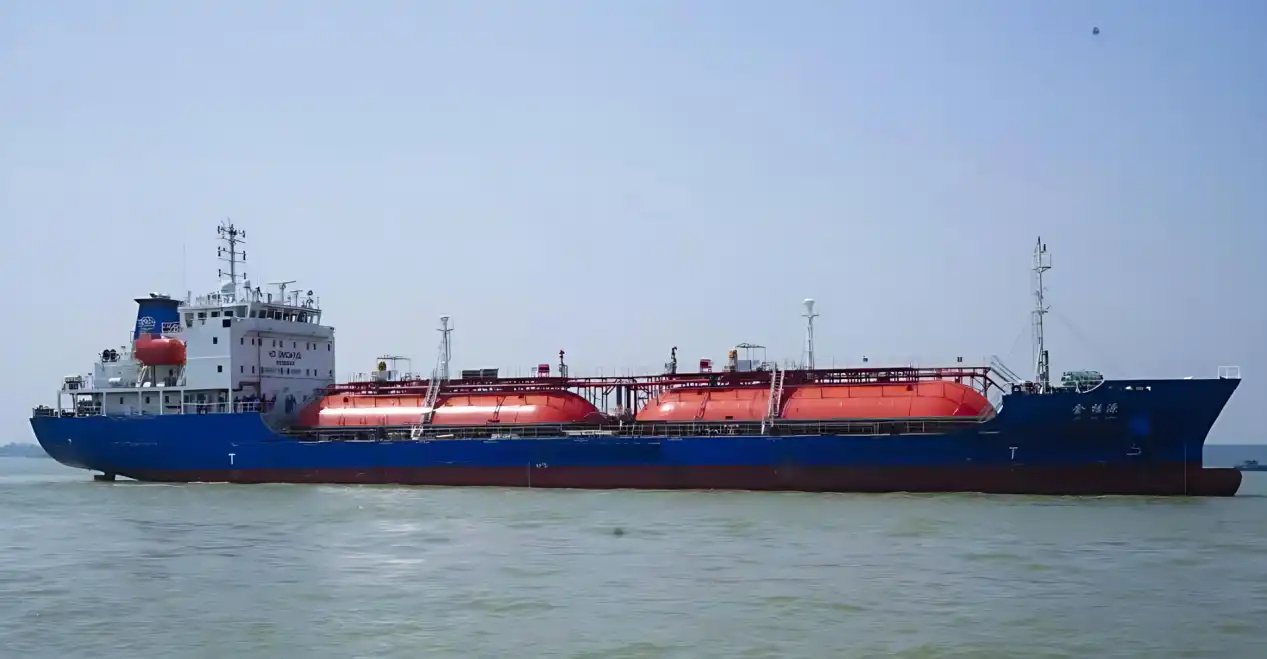
Understanding LPG Cargo Handling Systems
What Does an LPG Cargo Handling System Actually Do?
An LPG cargo handling system controls the flow of liquefied gas from the cargo tanks on the ship to terminals on land. It's not just a pump and pipe set-up. The system handles managing pressure, keeping an eye on temperature, controlling boil-off gas (BOG), and isolating the system in an emergency all at the same time. Every part has to work properly in the unique physical conditions of LPG, no matter if the cargo is under full pressure, partially refrigerated, or fully refrigerated.
The Three Main Vessel Types and Their System Requirements
There are three types of LPG carriers: fully compressed, semi-chilled (semi-cold semi-pressure), and fully refrigerated. The cargo handling system needs to be set up differently for each type of vehicle. Fully pressurized ships carry gas at room temperature under high pressure, and fully refrigerated ships keep cargo at temperatures close to absolute zero. Designs that are half-cold are in the middle. A key part of any newbuilding project is making sure that the cargo handling system is right for the type of vessel being built.
Core Components of the System
A full LPG cargo handling system usually has cargo pumps, compressors, liquid and vapor pipelines, re-liquefaction equipment, tracking instruments for the cargo tank, and an emergency shutdown (ESD) system. All of these parts work together to keep things safe while they are being loaded, moved, and unloaded. The ESD system is especially important; when it's turned on, it instantly separates the cargo and starts a controlled shutdown to stop pressure spikes.
Key Functions and Benefits of LPG Cargo Handling Systems
Safe and Precise Cargo Transfer
The main job of an LPG cargo handling system is to safely move gas cargo from the ship to the terminal. This needs exact control of the flow rate, tracking of the pressure in real time, and automatic responses to problems. When filling and unloading go more quickly, port turnaround time goes down. This has a direct effect on how much it costs to run the vessel and how well the hire party does.
BOG Management and Re-liquefaction
One of the most difficult parts of transporting LPG is managing the boil-off gas. Vapor builds up inside the tanks as the cargo gets warmer during a trip. Either the cargo handling system has to safely let this gas out, re-liquefy it to make it liquid again, or send it to the fuel system of the ship. Good BOG management protects the amount of cargo, keeps tank pressure within safe limits, and cuts down on emissions, which is becoming more important under IMO environmental rules.
Regulatory Compliance and Safety Certification
When ships carry liquefied gasses in bulk, they must follow the International Code for the Construction and Equipment of Ships (IGC Code) and have their systems approved by a classification society like DNV, ABS, or Lloyd's Register. Compliance is required in order for the craft to operate. A well-thought-out cargo handling system lowers the chance of costly delays during port state control checks and class reviews.
Types and Technologies of Cargo Handling Systems in LPG Logistics
Manual Versus Automated System Architectures
In the past, cargo handling systems relied on local gage reading and manually operating valves. Programmable logic controllers (PLCs) and centralized cargo control room (CCR) interfaces are built into modern systems. This lets the chief officer handle and watch all cargo functions from a single workstation. This change cuts down on human mistake during complicated tasks involving multiple tanks by a large amount.
The main technological trends that are affecting the design of LPG cargo handling systems right now are:
- Centralized cargo control and automation: Pressure receivers, temperature sensors, and level gages send real-time data to a central display, which lets workers know what's going on right away and speeds up the time it takes to fix problems.
- Remote monitoring integration: IoT-enabled cargo systems let expert teams on land access vessel data from afar, enabling condition-based repair and faster troubleshooting without having to be onboard in person.
- ESD interlock logic: Modern ESD designs use built interlock logic to make sure that valve closure processes happen in the right order. This stops hydraulic hammer and keeps pipes from breaking during emergency stops.
These improvements in technology give ship owners more control over how cargo is handled while also making it easier for the crew to do their jobs safely. Understanding the automation architecture is just as crucial as looking over the mechanical specifications when evaluating a new cargo handling system.
Fully Pressurized vs. Refrigerated System Comparison
Fully pressurized cargo handling systems are easier to build because they don't need cold insulation or cooling equipment. Because of this, they work well for smaller LPG carriers that do trades in the same area. Fully cooled systems move more stuff at lower temperatures, so they need better BOG control and insulation design. Semi-refrigerated systems are a middle ground because they combine moderate cooling with pressure containment to be able to handle more types of cargo.
Selecting the Right LPG Cargo Handling System for Your Business
Matching System Type to Trade Route and Cargo Profile
The right cargo handling system for you depends on the types of goods you want to transport, the trade routes you use, and the terminal compatibility needs at the ports where you load and unload. For propane and butane on short-sea trips, fully sealed systems are the norm. For large-scale LPG export trades, fully refrigerated systems are best. When the system isn't right for the trade profile, it creates operational problems that are hard to fix after the ship is built.
Evaluating Suppliers: What Matters Beyond Price
Documented delivery records are very important when narrowing down the list of cargo handling system providers. A supplier that has built and supplied full systems for real working ships can give you more confidence than a company that only does design. During the long process of building a new ship, the risk of the project is lower when the LPG cargo handling system is approved by a classification society, when the company has worked well with design firms, and when there is after-sales service that includes the availability of spare parts around the world.
Implementation and Optimization of LPG Cargo Handling Systems
Installation Process and Interface Coordination
There is a set order to installing an LPG cargo handling system. Once the vessel design plans and system interface standards are confirmed, the prefabricated modules are brought to the dock and put in place with the help of lifting equipment. Base fixation is done according to the structural needs of the vessel, and full sealing checks are done on all connections between transfer pipelines, support pipes, and control wires. For this process to work, the system supplier, the shipyard, and the design company need to work together closely.
Commissioning and Performance Verification
Once the cargo handling system is mechanically finished, each part is tested separately, and then the whole system is put into use. Before the ship goes out to sea, the design specification is checked against each function, such as loading, discharging, BOG management, and ESD response. This is one of the most important quality checks in the new building process because it's where mistakes in the installation are found and fixed.
TSC's Delivered Track Record
CM Energy's TSC brand has developed and shipped three full fully pressurized LPG cargo handling system packages for ships that are already in use. TSC works with WTC, a Norwegian design company known for its skill in creating semi-refrigerated and fully refrigerated gas carriers. For these more complicated ship types, TSC also provides cargo handling system options. With both in-house delivery experience and a foreign design relationship, TSC has a solid base that procurement teams can check against real vessel references.
Conclusion
Buying an LPG cargo handling system is not like buying a product; it's a long-term investment. The right system affects the safety of the vessel, its ability to work with other terminals, the time it takes to get class approval, and its overall cost of ownership over its entire service life. Documented delivery records and foreign design credentials are the best ways for newbuilding managers and shipyard buying teams to figure out how good a provider is. Because TSC has already delivered systems and worked with WTC, CM Energy is seen as a reliable partner for LPG cargo handling system projects on all three types of ships.
FAQ
1. What international standards govern an LPG cargo handling system?
The IGC Code is the main international document that says how LPG cargo handling systems on gas ships should be designed and built. The IGC Code has more specific technical standards that are added to by classification society rules from DNV, ABS, Lloyd's Register, and others. Before they can be built, all system ideas must be approved by the class.
2. Can an existing manual cargo system be upgraded to an automated one?
You can make upgrades, but you need to carefully consider whether they are doable. The existing piping layout, tank configurations, and control cable routing all have an impact on the work that needs to be done. A vendor who has both design and installation experience can figure out if an important upgrade is possible while the vessel is still in good shape.
3. What does BOG management involve in a cargo handling system?
BOG management includes finding, moving, and getting rid of the gas that forms inside cargo drums while they are being transported. This is taken care of by the cargo handling system's re-liquefaction equipment, pressure control valves, or link to the ship's fuel gas system. When BOG is managed correctly, it guards the volume of the goods and keeps the tank pressure safe throughout the trip.
4. How long does cargo handling system class approval typically take?
When a design is approved depends on the classification society and how complicated the system is. The approval process for a full cargo handling system on a new LPG carrier can take anywhere from six to twelve months, depending on the type of ship and how much information is sent.
Ready to Discuss Your LPG Cargo Handling System Requirements? Contact CM Energy
The TSC brand from CM Energy has proven delivery experience in designing and building LPG cargo handling systems. It is backed by a strategic partnership with WTC and the engineering resources of China Merchants Industry as a whole. Our team is ready to talk about your project, whether you want to build a fully pressurized, semi-refrigerated, or fully refrigerated new building. Contact us at info.cn@cm-energy.com or go to cm-energy.com to get in touch with a cargo handling system source who can help you with your project from planning to putting it into use.
References
1. International Maritime Organization. International Code for the Construction and Equipment of Ships Carrying Liquefied Gases in Bulk (IGC Code). IMO Publishing, 2016.
2. DNV GL. Rules for Classification: Ships — Part 5, Chapter 5: Liquefied Gas Tankers. DNV, 2023.
3. Society of International Gas Tanker and Terminal Operators (SIGTTO). Liquefied Gas Handling Principles on Ships and in Terminals. 4th ed., Witherby Publishing, 2016.
4. Lloyd's Register. ShipRight Design and Construction: Procedures for the Classification of Liquefied Gas Carriers. Lloyd's Register, 2022.
5. Eyres, D.J., and Bruce, G.J. Ship Stability for Masters and Mates, 7th ed. Butterworth-Heinemann, 2012.
6. Ffooks, R. Natural Gas by Sea: The Development of a New Technology. Witherby & Co., 1993.
