How Rigid Wing Sail Enhances Wind Thrust Efficiency
When it comes to the marine business, protecting the environment and making money are two things that can't go together. One of the most hopeful wind-assisted propulsion methods that is changing the way commercial ships work today is Rigid Wing Sails. These advanced mechanical structures are different from the soft cloth sails that have been used for thousands of years. They save measured amounts of fuel and meet strict carbon intensity rules set by the International Maritime Organization. For procurement workers in the US market who are in charge of bulk carriers, chemical tankers, LR2 vessels, and ferry services, knowing wind power technology isn't just about being good for the environment; it's also about making money. This guide looks at how aerodynamic design, automated control systems, and tried-and-true performance measures can make Rigid Wing Sails more efficient at power. This study gives you the technical background and procurement knowledge you need to make smart decisions in today's competitive shipping environment, whether you're looking at ways to fix up current fleets or listing requirements for brand-new projects.
Understanding Rigid Wing Sails and Their Performance Advantage
What Makes Rigid Wing Sails Different?
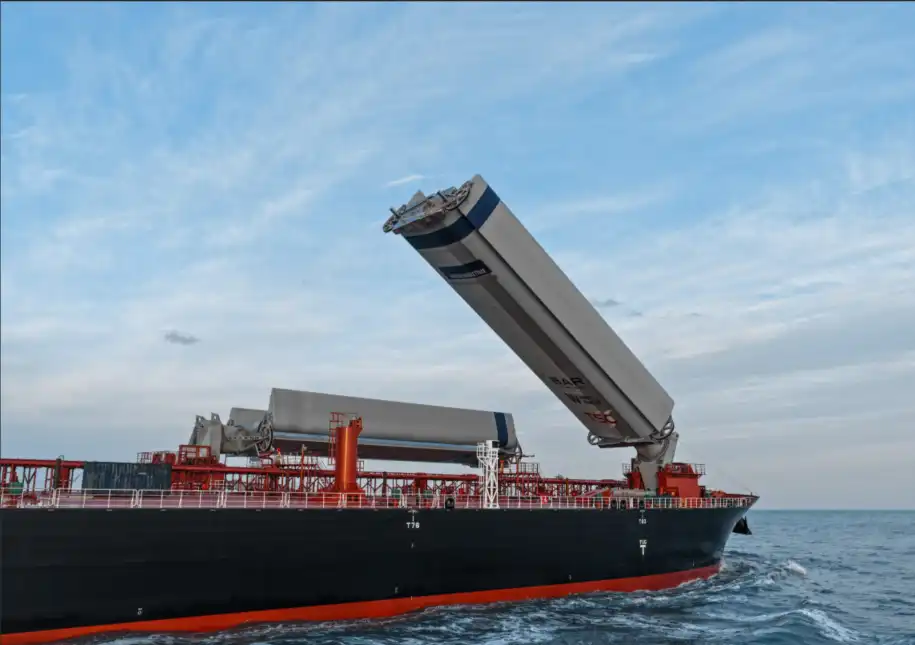
When placed on a boat, a Rigid Wing Sail works like an airplane wing that is fixed vertically. It turns wind energy into forward motion very efficiently. These structures use composite frameworks—often steel mixed with industrial-grade fiberglass—to make optimized airfoil profiles. This is different from flexible textile sails, which need tension wires and human trimming to keep their shape. Structure is the major difference: soft sails bend when they're loaded and lose their effectiveness, while stiff designs keep their aerodynamic shape even when the wind speed and sea conditions change.
Aerodynamic Principles Behind Thrust Generation
The science behind Rigid Wing Sails is all about getting the best lift coefficient and the least amount of drag. In a way similar to how airplane wings create lift, these structures make power by varying the pressure across their curved sides. The major benefit is that the camber (the shape of the wing) stays the same, which is something that regular sails can't do. Modern three-element versions have wings that can be adjusted to change both the angle of attack and the camber in real time, automatically adapting to changes in the wind. With this dynamic adjustment feature, the system can produce more than 2.5 times the lift of standard single-wing designs. This directly leads to lower pollution and fuel use.
Evolution From Concept to Commercial Reality
Technology for moving ships with the help of the wind has changed a lot in the last twenty years. Early versions had problems with structural fatigue, too much weight, and getting in the way of moving goods. These problems have been fixed by making big steps forward in material science for making composites and in hydraulic control systems and weather routing methods. Classification societies like DNV, Bureau Veritas, and Lloyd's Register now offer type approval frameworks just for wind propulsion systems. These frameworks make sure that claims about performance and structure soundness are true by putting them through strict testing methods.
Rigid Wing Sail Versus Traditional Sails: Detailed Performance Comparison
Lift-to-Drag Ratio and Wind Utilization
When performance measures are compared, Rigid Wing Sails are much better than soft sail options. In ideal conditions, traditional cloth sails have lift coefficients of about 1.5, but designed wing structures often have coefficients of over 2.5. This means that they are 67% more efficient at turning wind energy into usable energy. When stiff construction is used, the lift-to-drag ratio is much higher. This ratio shows how well thrust turns into forward motion instead of heel force. This is especially important for business ships that need to be stable and perform consistently more than they need to be able to change course as often as traditional sailing requires. Another important difference is the ability to change to changing wind conditions. When the wind speed is over 25 knots, soft sails need to be furled or reefed, which limits when they can be used. Rigid Wing Sails have automatic depowering systems that feather the structure into neutral places when there are strong winds or when the port comes in. This way, the sails can still be used in a wider range of weather conditions. Case studies from bulk carriers that travel trans-Pacific routes show that they can save anywhere from 10% to 30% on fuel costs, based on how much wind is blowing along certain trade paths.
Durability and Lifecycle Economics
Total cost of ownership, not just initial cash outlay, is what drives choices about what to buy. Marine-grade steel and E-glass materials are used to make Rigid Wing Sails that can last for 25 years with only a few parts needing to be replaced. Traditional soft sails, on the other hand, need to be replaced every 5 to 7 years because UV damage, stress fatigue, and material wear destroy them. Maintenance procedures for fixed systems are similar to those for standard deck cranes, which are known ground for ship workers and don't require any special rigging knowledge. The time it takes to get a return on investment depends on the type of vessel and how it is used. Ferry companies that run along coastal lines with steady winds often see their investments pay off in less than five years, which meets the requirements for a quick return on investment. Cost recovery for larger bulk ships and tankers usually happens within 7–10 years, which is a reasonable amount of time when you consider that fuel prices are going up and charges for not meeting carbon emissions standards are coming up soon.
Core Design and Material Innovations Driving Efficiency
Three-Element Wing Architecture
Modern Rigid Wing Sail systems achieve superior performance through multi-element designs optimising airflow separation and reattachment. WindWings® features a three-element design with a main wing body and adjustable leading/trailing elements, creating flexible geometry that adapts to changing wind angles. Automated camber adjustment uses specialized software calculating optimal wing positioning from sensor data. Hydraulic actuators respond within seconds, adjusting angle of attack and element positions while sending real-time performance data to bridge systems.
Advanced Materials Balancing Strength and Weight
Material selection directly affects function and operational performance. Marine-grade steel provides corrosion-resistant structural backbone weldable to existing decks. Industrial E-glass composites form aerodynamic surfaces, offering high stiffness-to-weight ratios minimising topside weight penalties. This combination creates structures significantly lighter than diesel engines with equivalent thrust capacity, enabling installation without compromising vessel stability or cargo capacity. Raw materials come from ISO-certified sources with classification society oversight throughout manufacturing.
Practical Installation and Operational Flexibility
Deployment designs accommodate diverse vessel requirements. Above-deck installations placed between cargo holds on bulk carriers enable hatch cover access and cargo gear operation without interference. The tilt system, available in above-deck and below-deck versions, rotates wings into laydown positions for loading or bridge transit. Tanker systems use ATEX-compliant components for hazardous atmosphere areas. Compatibility analysis examines structural load lines, power availability, and hydraulic connection points before installation.
Procurement Considerations for Rigid Wing Sails in Global B2B Context
Supplier Selection Criteria
IoT monitoring features enable shore-based teams to analyse performance trends and remotely diagnose issues, reducing vessel downtime. Service support systems require careful evaluation. Certification by classification societies is mandatory for commercial vessel installations. WindWings® holds certifications from DNV, Bureau Veritas, Lloyd's Register, and CCS. Design type approval validates structural calculations. Approval in Principle provides confidence during newbuild design stages before final documentation is completed.
Certification and Compliance Verification
Real-world validation data strengthens performance claims beyond theoretical predictions. Bulk carriers with wind-assisted propulsion have completed over one year of commercial service demonstrating fuel reductions through DNV-verified monitoring. Successful port calls at over 20 major global ports confirm compatibility with existing infrastructure and cargo handling processes. This operational history addresses buyer risk concerns. Performance claims are backed by independent verification from fluid dynamics institutions including Wolfson Unit.
Flexible Acquisition and Financing Models
Limits on capital expenditures shouldn't stop the use of wind power. Leasing agreements, in addition to standard buy models, let operators use Rigid Wing Sails while keeping their balance sheets flexible. Performance-based contracts link payment schedules to proven fuel savings. This aligns the interests of both the seller and the user around results that can be measured. Some flag state programs and international maritime groups offer green finance and environmental compliance benefits that may be available for retrofit projects. When making purchases, installation procedures should be taken into account. Before choosing a shipyard, you should check to see if they have heavy-lift cranes and engineers who can help with making changes to the structure. Lead times range from 12 to 18 months from placing an order to installation finish, which means that installation plans need to be coordinated with fleet deployment schedules and drydock booking schedules. Suppliers who offer "turnkey" project management make it easier for factories, classification societies, and vessel technical managers to work together.
Maximizing Wind Thrust Efficiency—Practical Implementation Strategies
Overcoming Traditional Operational Challenges
Adoption problems with conventional wind power included heavy workloads for crews, worries about safety, and problems with cargo operations. These problems are solved in a planned way by Rigid Wing Sails, which use technology and engineering design. Because the control interface looks like current deck crane operation panels, it doesn't require specific sailing knowledge to use. Instead, it uses known patterns of how people and machines interact. The ability to stop automated systems by hand provides backup and helps with ongoing repair tasks when automated systems are being serviced. Multiple levels of protection are built into safety systems. Automated health tracking finds problems with the structure, changes in hydraulic pressure, and problems with the control system and sounds an alarm before things get worse. Within seconds, emergency feathering processes stop thrust, which stops too much heel or steering disturbance when the wind changes quickly. The laydown feature gives the highest level of safety by completely shielding the building from wind in bad weather or emergency situations.
Integration With Modern Vessel Operations
Optimizing weather routes is a key part of getting the most out of Rigid Wing Sails. Software tools made just for wind-assisted ships look at predicted wind patterns along planned routes and suggest direction changes that make better use of the wind while keeping the schedule on track. Through web-based tools, both onboard staff and fleet managers on land can be contacted, which helps everyone make decisions together. Automated scheduling tools work with current systems for planning trips, which cuts down on learning curves and barriers to adoption. Performance tracking makes people responsible and gives them chances to keep getting better. Real-time thrust reporting shows how much fuel is saved on each trip, which boosts trust in the technology's worth and helps operators do their jobs better. Data analytics find the best apparent wind angles for different vessel speeds and loads. This helps improve the software formulas that control automatic changes to tilt and angle. This loop of learning all the time makes the machine more efficient over its entire life.
Preparing for Future Developments
Wind-assisted propulsion technology continues rapid evolution. Smart sail concepts incorporating additional sensors could enable finer control precision and predictive maintenance. Combined with alternative fuels including methanol and ammonia, wind power becomes integral to broader decarbonisation strategies rather than standalone solution. Sustainability trends extend beyond carbon emissions to whole-lifescycle environmental impact. Rigid Wing Sail manufacturers following circular economy principles with transparent environmental reporting deliver advantages meeting ESG requirements of charterers and investors.
Conclusion
Rigid Wing Sails have gone from being experimental ideas to proven commercial technology that saves money on fuel and lowers pollution on a wide range of vessel types. Three-element wing designs, automatic control systems, and improved composite materials make ships more aerodynamic, which helps them deal with the economic and legal pressures they face today. When purchasing professionals look at wind-assisted propulsion options, they can take advantage of well-established supplier communities, maturing certification standards, and real-world performance proof. As rules on carbon intensity get stricter and fuel prices stay unstable, investing in wind power technology is a smart way to improve business efficiency and environmental compliance that pays off over the life of a vessel.
FAQ
1. How does rigid wing sail efficiency compare across different vessel types?
It depends on the speed of the vessel, the features of the route, and the amount of deck space that is available. Because they can fit more than one wing installation, bulk ships and tankers with big open decks save more fuel overall. Consistent short-route wind patterns help ferry operations, which maximizes employment rates. Ro-Ro ships use their high freeboards to catch the wind at higher elevations, where speeds are higher. During purchase, compatibility analysis tells you how efficient you can expect your vessel to be based on its structure and how it is used.
2. What maintenance requirements do rigid wing sails impose on vessel operations?
Maintenance procedures are similar to how deck cranes are serviced on business ships. During planned drydock times, the hydraulic system is inspected, control components are checked, and the structure is looked at. IoT systems allow for remote tracking that finds new problems before they affect processes. Long-term service packages from manufacturers let you plan your costs and get access to expert help. The 25-year design life means that major parts don't need to be replaced as often as they would be during engine overhauls or soft sail upgrades.
3. Can rigid wing sails be transferred between vessels during fleet renewals?
The modular design and fixed deck links make it possible to take the modules off and put them back on different ships, which protects the capital investment during fleet changes. A structural compatibility study checks to see if the receiving vessels can handle the loads and deck room needs. This transferability makes the useful lifetime longer than the service lives of individual vessels, which makes it easier to figure out the total cost of ownership when justifying purchases. Classification society approval processes for future sites use type approvals to shorten the approval processes.
Partner With CM Energy for Advanced Wind Propulsion Solutions
CM Energy, which works under the TSC name, has a lot of experience with naval energy options that can help you with your Rigid Wing Sail implementation needs. Our engineering teams offer full help, from the original analysis of compatibility to overseeing installation and optimizing long-term performance. CM Energy offers wind-assisted propulsion systems that meet the strictest classification standards and have been shown to save up to 30% on fuel, based on the route conditions. These systems have been certified by DNV, Bureau Veritas, Lloyd's Register, and CCS. Whether you're looking at ways to adapt chemical tankers and bulk carriers that are already in service or working with shipyard partners to define what you need in a new build, our customized integration approach makes sure that deployment goes smoothly and meets your operational limits and performance goals. Get in touch with us at info.cn@cm-energy.com to talk about your needs with a top Rigid Wing Sail manufacturer that is dedicated to improving marine decarbonization through proven technology and excellent lifecycle support.
References
1. International Maritime Organization (2023). Fourth IMO Greenhouse Gas Study: Reduction of GHG Emissions from Ships. Marine Environment Protection Committee.
2. Traut, M., Gilbert, P., Walsh, C., Bows, A., Filippone, A., Stansby, P., & Wood, R. (2014). Propulsive power contribution of a kite and a Flettner rotor on selected shipping routes. Applied Energy, 113, 362-372.
3. Nelssen, D., Traut, M., Köhler, J., Wrobel, P., Nicolaisen, M., & Sørensen, K. (2021). Wind assisted ship propulsion technologies: Accelerating decarbonization of shipping. Journal of Marine Science and Engineering, 9(6), 613.
4. Lloyd's Register and UMAS (2019). Zero-Emission Vessels: Transition Pathways. Maritime Decarbonization Research Programme.
5. Bergeson, L., & Greenwald, L. (2022). Aerodynamic Performance of Rigid Wing Sails for Commercial Shipping Applications. Society of Naval Architects and Marine Engineers Annual Meeting Proceedings.
6. DNV (2023). Alternative Fuels and Technologies for Greener Shipping: Maritime Forecast to 2050. Position Paper Series on Energy Transition.