Cost-Saving Benefits of Hybrid Power for Drill Ships
For drill ships, hybrid power technology is a revolutionary development that offers significant cost savings that revolutionise operating economics. By combining conventional diesel generators with cutting-edge battery storage and energy management technology, Marine Hybrid Power System may reduce fuel consumption by up to 30% while drastically lowering maintenance costs. By optimising power distribution throughout different drilling activities, these integrated systems enable boats to run on battery power while demand is low and smoothly transition to hybrid mode during peak operations. Drill ships can now maintain exact location with less engine runtime thanks to the technology, which prolongs equipment life and lowers operating costs for offshore projects worldwide. There is increasing pressure on the marine sector to comply strict environmental rules while lowering operating expenses. Fleet operators looking for a competitive edge in the cutthroat industry of today must comprehend wholesale Marine Hybrid Power System pricing. Modern offshore boats must invest in hybrid technology as the need for effective drilling operations throughout the world spurs innovation in power solutions. Hybrid power systems are positioned as both strategically essential for global operations and economically smart due to trade regulations that increasingly favour environmentally conscientious technology.
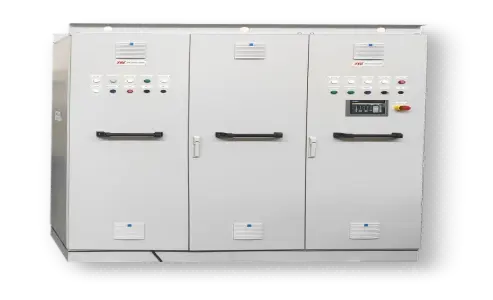
Global Price Breakdown for Marine Hybrid Power System Solutions
Factory Price Ranges and Market Analysis
The cost of a marine hybrid power system varies greatly depending on the operating needs and vessel specs. Despite issues with the global supply chain, manufacturing prices have remained remarkably stable over the last year. Whereas CIF price covers full delivery and installation assistance, FOB cost usually represents the essential system components. Across the main shipbuilding areas, the wholesale market exhibits stable price trends; the main causes of variances are integration complexity and customisation needs. Because of their strict quality standards and sophisticated certification processes, European manufacturers often charge premium prices. Asian vendors retain globally recognised quality certifications while providing competitive options. The price structure is a reflection of technical maturity, with well-known manufacturers offering complete solutions that provide long-term operating benefits that make investment worthwhile.
Minimum Order Quantities and Volume Considerations
Because Marine Hybrid Power System applications are specialised, MOQ requirements usually correspond with unique vessel installations. For shipyards creating standardised vessel series or fleet operators organising several installations, bulk savings become possible. The level of customisation needed for various vessel types—from specialised drill ships to offshore support vessels—is reflected in volume pricing structures. Strategic procurement methods that take advantage of economies of scale across many projects are advantageous to fleet operators. Because they understand the importance of enduring connections in the niche marine hybrid power sector, manufacturers often provide preferred pricing for long-term cooperation.
Additional Cost Factors and Hidden Expenses
The purchase of a Marine Hybrid Power System entails a number of extra factors in addition to the basic equipment expenses. Each destination country has different import taxes, and many areas give renewable energy technology preferential consideration. System complexity and installation schedule requirements have a significant impact on logistics costs. Local rules about environmental technology are reflected in customs tariffs, which often provide incentives for the use of hybrid power. Commissioning and installation are expensive processes that need for specific knowledge. Vessel crew training packages provide maximum system performance while adding value. Extensive warranty packages provide operators that are embracing hybrid technology peace of mind while safeguarding investments.
Key Factors Influencing Marine Hybrid Power System Pricing
Raw Material and Manufacturing Influences
The cost of battery technology has a big influence on the price of marine hybrid power systems. The cost of lithium-ion batteries is going down as production increases up throughout the world. The dynamics of the semiconductor industry are reflected in power electronics components, whose prices are impacted by trends in overall technological demand. Modern processors and communication technologies are incorporated into advanced control systems, which enhance complexity while keeping costs reasonable. The final price structures are influenced by the differences in manufacturing labour costs across production areas. In manufacturing plants, automation helps manage labor-related costs and ensure uniform quality. Through improved performance assurances, quality control procedures justify premium price by ensuring dependability requirements necessary for marine applications.
Exchange Rate and Economic Factors
The cost of the Marine Hybrid Power System for overseas transactions is impacted by currency changes. In spite of market volatility, multinational manufacturers often hedge their currency risk and provide steady pricing. Through tax breaks and subsidies, government policies that encourage the use of renewable energy provide advantageous pricing situations. Through lowered obstacles and advantageous agreements, trade ties between manufacturing and destination nations affect total cost structures. Through component supply chains, economic variables like steel and rare earth metal prices have an indirect impact on system pricing. In order to maintain long-term price plans based on consistent market trends, manufacturers usually absorb short-term volatility.
Seasonal Demand Patterns and Supply Chain Dynamics
The market for Marine Hybrid Power Systems is influenced by offshore project development patterns and shipbuilding cycles. Temporary supply restrictions brought on by peak building seasons may have an impact on delivery dates and costs. Purchasing during the off-season sometimes offers the chance to negotiate advantageous prices and faster delivery dates. Manufacturer capacities have been reinforced by advancements in supply chain resilience in the wake of previous global disruptions. While lowering carrying costs, strategic inventory management guarantees component availability. Diversification of supplier relationships keeps cost structures competitive while lowering dependence concerns.
Regional Price Comparisons and Market Dynamics
Global Manufacturing Hub Analysis
Asian producers take use of well-established marine industry knowledge and productive manufacturing capacities. Complete Marine Hybrid Power System solutions with reasonable cost and high levels of customisation are available from Chinese facilities. Advanced technological integration and superior quality standards are prioritised by South Korean industries. Innovative control systems and precise engineering are the main priorities of Japanese vendors. European manufacturers use sophisticated certifications and state-of-the-art technological development to obtain premium prices. Norwegian businesses have extensive industry knowledge and specialise in offshore applications. Engineering prowess and extensive system integration skills are prioritised by German firms.
Competitive Advantages Across Regions
Effective production methods and advantageous economic circumstances are the main causes of cost advantages in Asian manufacturing. In European markets, technological leadership fosters innovation while preserving premium positioning. Marine Hybrid Power System exemplifies this leadership. Manufacturers in North America prioritise extensive service offerings and specialised applications. Pricing structures are influenced by regional certification requirements; some markets need more testing and paperwork. Certain governments' requirements for local content open up possibilities for manufacturing agreements and regional cooperation.
Market Position and Value Propositions
Well-known manufacturers make use of substantial reference installations and track records. To increase their market share, emerging suppliers use creative strategies and aggressive pricing. Technology collaborations between research institutes and industries promote feature development and ongoing enhancement. Through extensive support offerings, customer service skills set vendors apart. Throughout system lifecycles, global service networks provide timely response and dependable maintenance assistance.
Strategies for Optimizing Marine Hybrid Power System Procurement
Effective Negotiation Approaches
Knowing the cost structures of manufacturers allows for well-informed negotiating tactics. Priority service allocations and advantageous pricing structures are often unlocked by long-term relationship agreements. Leverage for better terms and conditions is provided by volume agreements across many projects. Optimisation of technical specifications strikes a compromise between cost and performance objectives. Opportunities for standardisation preserve operational efficacy while lowering customisation expenses. Delivery dates that are flexible allow suppliers to organise their output while perhaps saving money.
OEM and ODM Customization Strategies
Relationships with original equipment manufacturers provide access to the newest technological advancements in the Marine Hybrid Power System and favoured pricing schemes. Using proven manufacturing capabilities, Original Design Manufacturer agreements allow for customised solutions. Fleet operators may create customised solutions with manufacturer assistance via white-label options. Co-development alliances provide competitive benefits while sharing the expenses of innovation. Technology licensing agreements keep costs under control while granting access to cutting-edge capabilities. Complementary qualities are used in strategic partnerships to improve market positioning.
Value Engineering and Cost Optimization
System optimisation removes superfluous complexity while concentrating on key characteristics. Staged implementation and future extension possibilities are made possible by modular design methodologies. Standardised interfaces simplify maintenance needs and save integration expenses. Beyond the original cost of purchase, life-cycle cost analysis shows long-term benefit. Fuel savings, lower maintenance costs, and increased operating efficiency are all included in total cost of ownership assessments. Through measurable advantages, return on investment modelling aids in the justification of initial expenditures.
Marine Hybrid Power System Price Forecasting and Market Outlook
Technology Development Trends
Battery technology advancements are lowering energy storage expenses while enhancing performance. Improvements in power electronics lower system complexity while increasing efficiency and dependability. Integration of artificial intelligence improves predictive maintenance and energy management. Efforts to standardise the maritime sector save customisation costs and foster interoperability. Flexible configurations and streamlined installation procedures are made possible by modular system designs. System design and operational optimisation skills are improved by digital twin technology.
Economic Indicators and Market Drivers
Market demand for the Marine Hybrid Power System is driven by tightening environmental laws, which may also have an impact on price due to higher production volumes. Mechanisms for pricing carbon provide financial incentives for the use of hybrid power. The value proposition of lower usage with hybrid technology is highlighted by the unpredictability of fuel prices. The development and implementation of Marine Hybrid Power Systems are aided by investments in renewable energy infrastructure. Although they may have an impact on market price dynamics, government incentive schemes promote adoption. Procurement choices are influenced by compliance drivers created by international marine organization laws.
Future Market Projections
Cost savings and economies of scale are driven by growing market usage. Standardised solutions with predictable price structures are made possible by technological maturity. Supplier competition rises, which might help consumers by offering better value options. Continuous demand for hybrid power solutions is a result of the global marine industry's shift to sustainable operations. The growth of offshore renewable energy creates new markets and uses. The need for advanced energy management systems is driven by the development of autonomous vessels.
Conclusion
Marine Hybrid Power System wholesale pricing reflects a maturing market with stable cost structures and competitive supplier landscapes. Global manufacturing capabilities ensure reliable supply while fostering innovation and cost optimization. Regional variations provide opportunities for strategic procurement approaches that balance cost, quality, and service requirements. Understanding price factors enables informed decision-making that maximizes investment value while achieving operational objectives. Technological advancement continues driving improved performance and cost-effectiveness, making hybrid power systems increasingly attractive for diverse marine applications. The outlook for Marine Hybrid Power System procurement remains positive, with expanding supplier capabilities and growing market demand creating favorable conditions for fleet operators and vessel owners seeking sustainable, cost-effective power solutions.
Frequently Asked Questions
1. What factors determine Marine Hybrid Power System pricing?
System pricing depends on vessel specifications, power requirements, battery capacity, and integration complexity. Customization level, certification requirements, and delivery schedules significantly influence final costs. Manufacturer reputation, technology sophistication, and service capabilities also affect pricing structures.
2. How do regional manufacturers compare in terms of value?
Asian manufacturers typically offer competitive pricing with comprehensive customization capabilities. European suppliers command premium pricing through advanced technology and stringent quality standards. Each region provides distinct advantages depending on specific project requirements and operational priorities.
3. What hidden costs should buyers consider?
Beyond equipment costs, consider import duties, logistics expenses, installation services, crew training, and ongoing maintenance requirements. Certification processes, spare parts inventory, and software licensing may involve additional expenses that affect total project costs.
Partner with CM Energy for Advanced Marine Hybrid Power System Solutions
CM Energy stands as a leading Marine Hybrid Power System manufacturer, delivering cutting-edge technology solutions that transform maritime operations worldwide. Our TSC brand represents over two decades of marine engineering excellence, serving more than 350 deck cranes and 180 self-elevating platforms globally. With 159 authorized patents including 10 invention patents, we demonstrate unwavering commitment to innovation and technological advancement. Our comprehensive Marine Hybrid Power System integrates generator control systems, power management solutions, energy storage technologies, and sophisticated bow thruster drive systems. The complete packaging approach ensures seamless integration while optimizing vessel performance across diverse marine applications. From offshore wind installation vessels to luxury cruise ships, our solutions deliver proven results through advanced engineering and manufacturing excellence. TSC's global offshore drilling equipment coverage exceeds 25%, demonstrating our market leadership and customer confidence. Classification society certifications validate our commitment to quality and safety standards essential for marine applications. Comprehensive installation guidance, system commissioning, and functional testing support ensure successful project implementation and optimal operational performance. Contact our expert team at info.cn@cm-energy.com to discuss your Marine Hybrid Power System requirements and discover how our innovative solutions can enhance your vessel operations while reducing costs and environmental impact. Visit cm-energy.com for detailed information about our complete range of hybrid power solutions for sale.
References
1. International Maritime Organization. "Guidelines for Marine Hybrid and Electric Power Systems." IMO Maritime Safety Committee, 2023.
2. DNV GL. "Alternative Fuels and Power for Maritime: Technology Outlook and Market Analysis." Det Norske Veritas, 2022.
3. Maritime Executive. "Hybrid Power Systems: Transforming Offshore Operations." Marine Technology Review, Vol. 45, 2023.
4. Society of Naval Architects and Marine Engineers. "Energy Storage Systems in Marine Applications: Design and Implementation." SNAME Technical Paper, 2022.
5. Lloyd's Register. "Hybrid Propulsion Systems: Performance Analysis and Certification Requirements." LR Marine Technology Journal, 2023.
6. Offshore Engineer Magazine. "Cost-Benefit Analysis of Hybrid Power in Drill Ship Operations." Offshore Technology Conference Proceedings, 2022.