Hydrogen Generator for Methanol Production: What You Should Know
Understanding the important part of a Hydrogen Generator is necessary for successful manufacturing when hydrogen generation is used to make methanol. Modern methanol production depends on a steady source of high-purity hydrogen. This makes choosing the right method for making hydrogen a very important choice for chemical makers. Modern electrolytic systems now provide long-lasting alternatives to old reforming methods, making production routes better while keeping practical efficiency and cost-effectiveness high for large-scale methanol production.
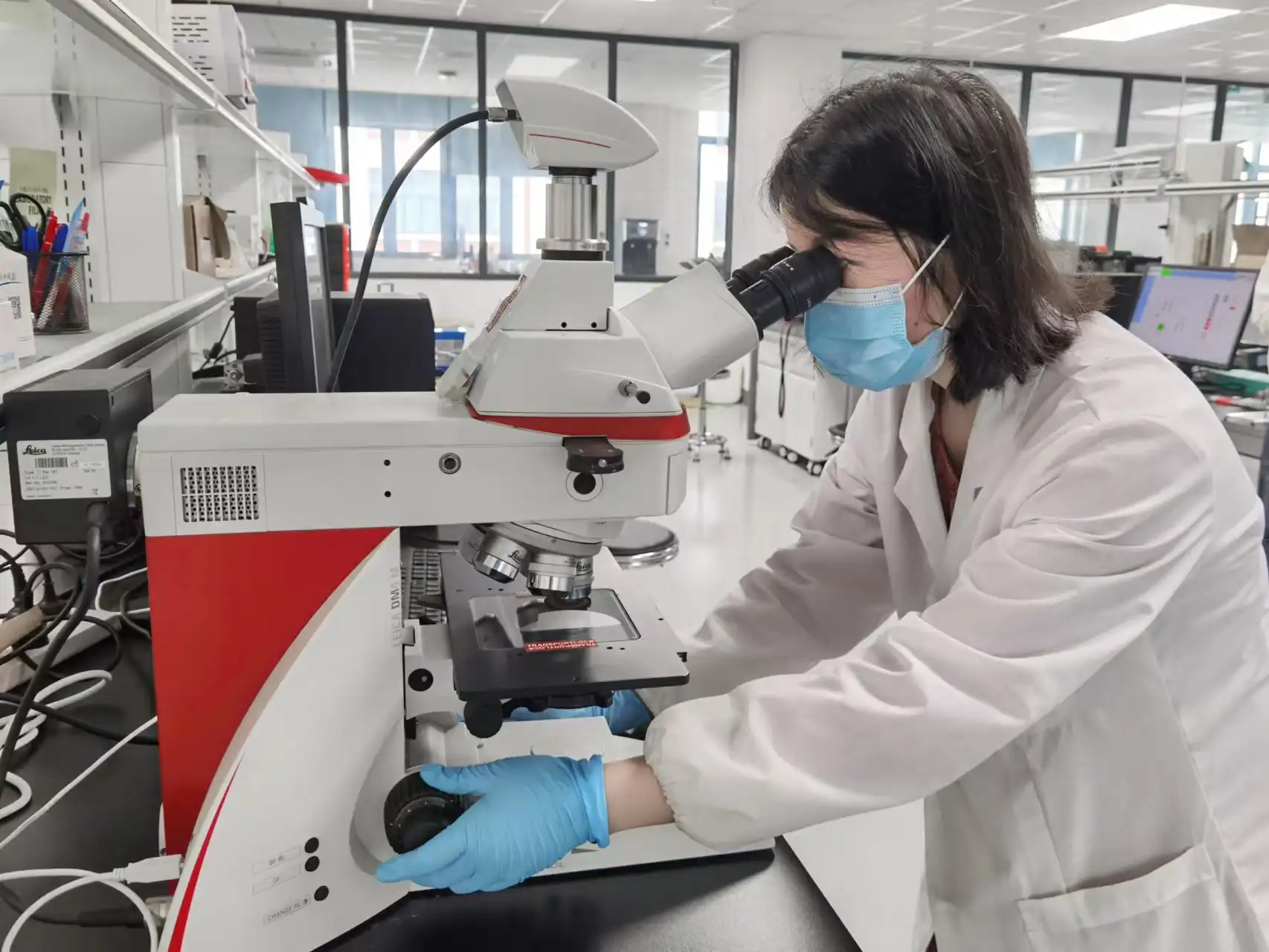
Understanding Hydrogen Generators in Methanol Production
Modern operations that make methanol depend on hydrogen generators, which provide the necessary hydrogen fuel for chemical conversion processes to work well. The basic idea behind it is to turn water into hydrogen and oxygen using different technologies. Electrolysis is quickly becoming the best long-term option for commercial uses.
Steam Methane Reforming vs. Electrolytic Generation
Natural gas has been the main fuel for traditional steam methane reforming, which has been the main way to make hydrogen for decades. But electrolytic hydrogen production is a big step towards making industry more environmentally friendly. Electrolyzer-based devices use electricity to break down water, making ultra-pure hydrogen without releasing carbon into the air when they are driven by green electricity sources. The TSC ALK Hydrogen Generator exemplifies this technological evolution, employing direct current to electrolyze water and potassium hydroxide into hydrogen and oxygen. This process generates green hydrogen while utilizing electricity from grid-power, solar, and wind sources, facilitating energy conversion using carbon-neutral materials that align with environmental sustainability goals.
Operational Advantages and Environmental Benefits
Electrolytic hydrogen producers of today have clear benefits over older ways of reforming. These systems offer more operating freedom, letting you quickly adapt to changing output needs while keeping hydrogen purity levels stable. The natural benefits include not releasing carbon dioxide when hydrogen is made, which supports business green efforts and meets legal standards. Energy efficiency represents another critical advantage, with advanced electrolyzers achieving significant reductions in power consumption compared to industry averages. Third-party verification demonstrates that cutting-edge systems can achieve DC consumption rates that surpass traditional benchmarks, establishing new performance standards for industrial hydrogen generation applications.
Selecting the Right Hydrogen Generator for Methanol Production
To choose the best hydrogen production device, you need to look at a lot of different practical and financial factors. To make sure that methanol production goals are met, procurement professionals must look at measures for energy efficiency, safety compliance, capacity needs, and the total cost of ownership.
Essential Procurement Criteria
Successful Hydrogen Generator selection starts with operational ability matching. Companies that make things need to look at their hydrogen demand patterns, taking into account both their normal usage and their high output needs. Metrics for energy economy have a direct effect on running costs. This means that power usage traits are an important part of evaluating a business for long-term success. Safety compliance includes a lot of different rules and regulations, such as CNAS, CE, ISO22734, and ASME certifications that make sure technology meets strict industry standards. These licenses give people faith in the stability of operations and help with legal compliance in a wide range of foreign markets and working settings.
Technology Comparison and Brand Evaluation
When it comes to making methanol, industrial electrolysers are clearly better than handheld ones. Large-scale manufacturing needs a steady source of hydrogen. For chemical synthesis uses, industrial-grade systems with a history of dependability are the best choice. The TSC ALK Hydrogen Generator stands out through its proprietary key components, including advanced electrodes and membranes that have attained numerous patents. These innovations enable high current density operation while maintaining long-term stable performance, supporting continuous methanol production operations with minimal interruption or performance degradation.
Supplier Reliability and Service Considerations
CM Energy has a lot of experience with hydrogen production technology. They have sold a lot of generators that have worked great in projects in both local and foreign markets. Our all-around method includes designing and building equipment, installing it, and providing continued support services that make sure the system works at its best throughout its operating lifecycle. Technical assistance includes more than just the initial installation. It also includes upkeep procedures, the availability of extra parts, and services for responding to emergencies. These service aspects are very important for keeping production going and reducing unplanned breaks that could affect plans and profits for making methanol.
Installation, Maintenance, and Safety Considerations
Adding hydrogen generation systems to methanol production plants that are already there needs to be carefully planned and carried out. Installation best practices cover things like making sure the building works with the safety systems, connecting utilities, integrating safety systems, and improving the way work gets done so that production goes smoothly.
Integration Best Practices and Common Challenges
Facility integration starts with a full suitability study that looks at the capability and change needs of the current infrastructure. Modern hydrogen generators are small and come in containers, which makes them easy to place both indoors and outdoors in a variety of temperature ranges. This gives operators the freedom to set up their machines in a variety of ways. Product shipping and on-site setup instructions make sure that the right steps are taken during installation while causing as little damage as possible to production. Professional installation teams work closely with building staff to plan and coordinate integration activities. During the execution process, they take into account the unique needs of the place and any practical limitations that may exist.
Maintenance Schedules and Troubleshooting
Routine maintenance protocols ensure optimal equipment performance while extending operational lifespan well beyond decades with minimal degradation. Preventive maintenance schedules address component inspection, cleaning procedures, performance monitoring, and replacement part installation to maintain peak efficiency levels. The skills for troubleshooting include ways to find problems, improve performance, and take right action. Complete paperwork for maintenance helps building staff find possible problems early and take the right steps to fix them so that output doesn't stop.
Safety Protocols and Risk Mitigation
Industrial hydrogen production needs strict safety rules that cover how to handle gases, electrical systems, pressure management, and what to do in an emergency. Comprehensive safety training makes sure that operating staff know the right way to do things and are always aware of possible dangers and how to deal with them. In emergency reaction plans, there are steps for shutting down systems, how to report incidents, and how to work with building safety systems. These all-around methods encourage practical success while making sure that safety standards and government rules are followed.
Environmental and Economic Impact of Hydrogen Generators in Methanol Production
Onsite hydrogen generation delivers substantial environmental advantages while supporting economic optimization objectives. Green hydrogen production aligns with global environmental regulations while reducing carbon footprint impacts associated with methanol manufacturing operations.
Environmental Advantages and Regulatory Compliance
Environmental benefits of electrolytic hydrogen generation include elimination of carbon dioxide emissions during production processes when powered by renewable electricity sources. This transformation supports corporate sustainability initiatives while ensuring compliance with increasingly stringent environmental regulations governing chemical manufacturing operations. Carbon footprint reduction initiatives benefit significantly from onsite hydrogen generation capabilities. Traditional hydrogen supply chains involve transportation, storage, and handling activities that contribute additional emissions. Onsite generation eliminates these logistical emissions while providing greater supply chain control and operational independence.
Economic Analysis and Cost Optimization
Cost driver analysis reveals multiple economic advantages associated with onsite Hydrogen Generator implementation. Elimination of hydrogen transportation costs, reduced storage requirements, and improved supply chain reliability contribute to substantial long-term savings that enhance overall manufacturing profitability. Energy efficiency improvements deliver ongoing operational benefits through reduced power consumption per unit of hydrogen produced. Advanced electrolytic systems achieve significant efficiency gains compared to industry averages, translating directly into lower operational costs and improved competitive positioning in methanol markets.
Future Technology Trends and Market Forecasts
Emerging technology developments continue advancing hydrogen generation capabilities, with innovations in electrode materials, membrane technologies, and system integration approaches driving performance improvements. Market forecasts indicate continued growth in electrolytic hydrogen generation adoption across chemical manufacturing sectors through 2025 and beyond. Strategic investment recommendations emphasize forward-looking technology selection that anticipates future performance requirements while providing scalability for expanding production demands. These considerations ensure optimal return on investment while positioning facilities for long-term competitive advantage in evolving methanol markets.
Conclusion
For methanol production plants looking for long-lasting, efficient, and cost-effective ways to get hydrogen, Hydrogen Generator technology could be a game-changer. Modern electrolytic systems are much better than old-fashioned ways of changing because they are better for the environment and help meet business success and legal compliance goals.As part of the decision process, the total cost of ownership, safety standards, energy economy measures, and capacity needs to be carefully looked at. For adoption to go smoothly, it needs to be installed correctly, have thorough upkeep plans, and have strong safety measures in place that make sure the system works at its best for a long time.The TSC ALK Hydrogen Generator from CM Energy is a great example of the technology progress that methanol makers can now enjoy. It combines proven performance with new design features that help meet sustainable production goals while also providing economic value.
FAQ
1. What types of Hydrogen Generator systems work best for methanol production?
Electrolytic hydrogen generators prove most suitable for methanol production due to their ability to produce ultra-pure hydrogen consistently. These systems offer operational flexibility, environmental benefits, and long-term reliability that align with industrial methanol manufacturing requirements.
2. How does onsite hydrogen generation compare to delivered hydrogen supply?
Onsite generation provides superior cost control, supply reliability, and environmental benefits compared to delivered hydrogen. Elimination of transportation costs, storage requirements, and supply chain dependencies creates substantial operational and economic advantages for methanol production facilities.
3. What safety measures are essential for industrial hydrogen generation?
Industrial hydrogen generation requires comprehensive safety protocols including proper ventilation, gas detection systems, electrical safety measures, pressure management controls, and emergency response procedures. Regular safety training and equipment maintenance ensure safe operational practices throughout system lifecycles.
Partner with CM Energy for Advanced Hydrogen Generation Solutions
CM Energy specializes in cutting-edge Hydrogen Generator technology designed specifically for industrial methanol production applications. Our TSC ALK systems deliver exceptional performance with industry-leading efficiency, reliability, and safety features that support sustainable manufacturing objectives. As a trusted hydrogen generator supplier, we provide comprehensive solutions including system design, installation, maintenance, and ongoing technical support services. Contact our expert team at info.cn@cm-energy.com to discuss customized hydrogen generation solutions tailored to your methanol production requirements and operational goals.
References
1. International Energy Agency. "The Future of Hydrogen: Seizing Today's Opportunities." IEA Technology Roadmap, 2019.
2. Methanol Institute. "Methanol Production Technologies and Economics Analysis." Global Methanol Industry Report, 2023.
3. U.S. Department of Energy. "Hydrogen Production: Electrolysis Technical Targets." Office of Energy Efficiency and Renewable Energy, 2024.
4. Chemical Engineering Progress. "Advances in Industrial Hydrogen Generation for Chemical Synthesis." AIChE Technical Publication, 2023.
5. Journal of Cleaner Production. "Environmental Impact Assessment of Onsite Hydrogen Generation Systems." Elsevier Scientific Publication, 2024.
6. Industrial Gases Magazine. "Electrolyzer Technology Developments for Chemical Manufacturing Applications." Technical Industry Analysis, 2023.