How Rigid Sail Technology Achieves Significant Fuel Savings at Sea
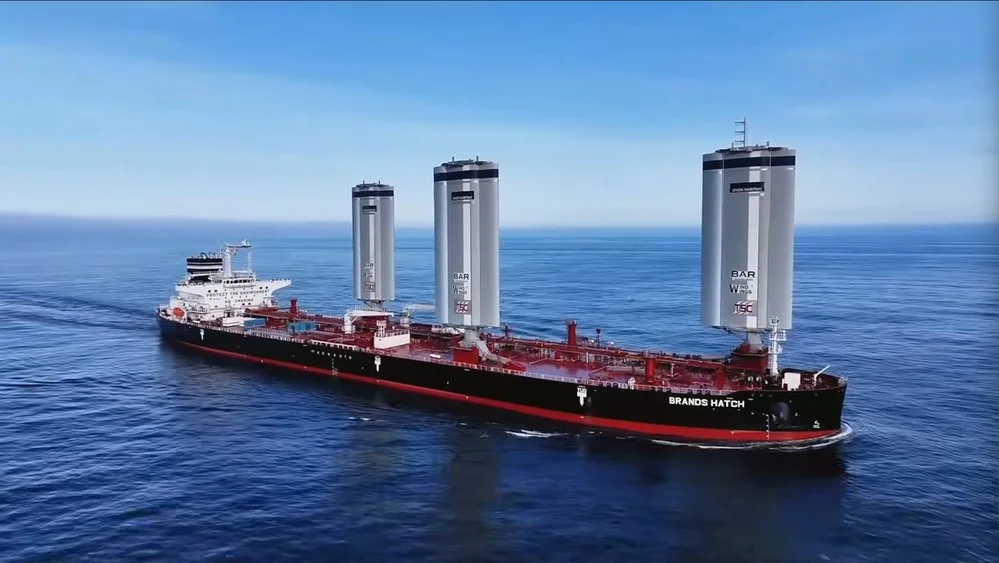
Increasing fuel costs and strict emission rules are pushing business ship owners to find new ways to move their ships. The Rigid Sail technology is a tried-and-true solution that uses solid structures that are aerodynamically optimised to absorb wind energy and cut down on fuel use. Instead of fabric sails, which aren't very durable and are hard to operate, Rigid Sails offer automated, weather-resistant performance that fits perfectly on bulk carriers, tankers, and other commercial ships. This reduces fuel use, raises CII ratings, and lowers operational costs on transoceanic routes.
Understanding Rigid Sail Technology and Fuel Efficiency Benefits
Rigid Sail technology changes how ships use wind power by replacing stretchy cloth with structures that look like wings. By changing the flow of air over carefully shaped surfaces, these systems create push. This creates aerodynamic lift that moves ships forward and makes them less reliant on their main engines.
How Aerodynamic Design Drives Fuel Savings
Rigid Sails and other wind-assisted propulsion methods use aerofoil ideas from the aircraft world. The stiff structure keeps its shape even when the weather is bad, which maximises the lift-to-drag ratio. When these installations are lined up correctly with the apparent wind, they can provide a steady propelling force throughout trips. This is especially true on routes with reliable wind patterns, like crossing the North Atlantic or shipping grains across the Pacific. It means that chemical ships and Newcastlemax bulk carriers can stick to their plans while using a lot less marine diesel because of this additional power that is always on.
Automation Eliminates Traditional Sail Complications
Modern Rigid Sail systems have fully automatic control systems that change the angle of attack and tilt in real time. Sensors measure the speed, direction, and heading of the wind and send that information to the software on board that sets up the sails in the best way possible without any help from the crew. Concerns in the past about the need for staffing and operating safety have been addressed by this technology. Deck officers can handle these systems using screens that look like buttons for cranes. They don't need to know anything special about rigging. The technology takes care of feathering the sails when entering a port and automatically securing them when bad weather hits. This keeps safety standards high while consistently saving fuel.
Quantified Environmental and Financial Impact
Commercial users who use Rigid Sail technology say they save anywhere from 10% to 30% on fuel, based on the trip and the size of the installation. On a normal LR2 truck that uses several tonnes of fuel every day, even small cuts of 15% save a lot of money every year. These systems not only save money right away, but they also raise the Carbon Intensity Indicator scores, which helps ship owners meet the IMO 2030 goals and keep charterers' desires for cleaner tonnage. Rigid Sail adoption is highly useful for fleet modernisation plans because it lowers costs and meets regulations at the same time.
Comparing Rigid Sails with Traditional and Other Sail Technologies
To compare wind propulsion choices, you need to know how the different technologies work in terms of reliability, performance, and operational needs.
Performance Characteristics Across Sail Types
Traditional soft sails need to be adjusted all the time and can't be used in all kinds of weather. Through uniform aerodynamic profiles that remain effective across wider wind angles, Rigid Sail systems provide better performance. With its main wing, flap, and slat configurations, the three-element design produces lift values above 2.5, which is more than twice as high as what single-element systems can do. Because of this higher level of efficiency, ships with Rigid Sails can useable thrust even when travelling closer to headwinds. This means that more operations can be done while saving fuel.
Durability and Maintenance Requirements
UV light, constant bending, and salty rust all damage fabric sails, so they need to be replaced every couple of seasons. Marine-grade steel and composite materials are used to build Rigid Sail frames, which can last for decades with little wear. As part of maintenance, the hydraulic motors are checked regularly, and the bearings are oiled. These steps are similar to those used for repairing other deck equipment. The longer service life and less frequent upkeep lower the total cost of ownership while keeping the device running smoothly for as long as it is used.
Return on Investment Analysis
Rigid Sail setups cost more up front than traditional soft sail systems, but when you look at the long-term costs, rigid technology is more cost-effective. Commercial ships with the right-sized Rigid Sails usually pay for themselves in five to seven years through fuel savings. The economic benefit is stronger when you consider lower upkeep costs and higher vessel rental rates because of better environmental performance. Because they run their boats so often and on reliable routes, ferry managers and owners of coastal vessels can get a quick return on their investment.
Implementing Rigid Sails: Installation, Maintenance, and Operational Best Practices
A Rigid Sail deployment that goes well requires careful planning, expert installation, and structured upkeep procedures that are followed for the life of the system.
Pre-Installation Assessment and Integration Planning
Any Rigid Sail job starts with a vessel compatibility study. Naval engineers check the deck's ability to survive overturning moments caused by sail forces and decide what kind of reinforcements are needed before they are put in place. For tankers and bulk carriers, placement is important to make sure that sails don't get in the way of loading or unloading goods. Usually, installations are placed between hatch covers so that they can tilt out of the way while the ship is loading. Getting makers involved early in newbuild projects is good for shipyards and design firms because it lets them make WAPS designs that optimise weight distribution and utility routing from the bottom up.
Installation Process and Technical Requirements
Rigid Sail installation is done in a planned way that starts with making changes to the structure and preparing the base. Attaching tilt mechanisms and turning pedestals to reinforced deck sections is made easy by mounting kits that are securely attached to them. The electrical and hydraulic systems work together with the power and control networks on the ship. Factory acceptance testing makes sure the system works before it is sent to the customer, and commissioning teams watch over installation onboard and do sea trials to make sure the performance meets requirements. This methodical technique, along with monitoring from the classification society, makes sure that systems get certified and can start running safely.
Ongoing Maintenance and Performance Optimization
Regular care keeps the Rigid Sail working well for as long as it is used. Regularly checking the fluid and seals in hydraulic systems is important. For electric motors, it's important to grease them and make sure the electrical connections are correct. Composite surface checks find any impact damage that needs to be fixed before water gets in and weakens the structure. IoT tracking in more advanced setups keeps an eye on performance measures and lets operators know when problems start to arise. This allows for proactive maintenance that stops unplanned downtime. Manufacturers that offer full service packages help with remote diagnosis and plan repair during regular dry-docking. This keeps operations running as smoothly as possible while increasing system uptime.
Procurement Insights: How to Source and Evaluate Rigid Sail Solutions
To choose the right Rigid Sail technology, you need to carefully look at the suppliers, their certifications, and their technical skills to make sure they meet your unique operational needs.
Certification and Quality Verification
Classification group approval is an important way to make sure that the Rigid Sail system is safe and working well. Leading sites have certifications from DNV, Bureau Veritas, Lloyd's Register, and other well-known organisations that show they meet structural and operating safety standards. Procurement teams should check that makers have quality management systems that are certified to ISO standards. This will make sure that the quality of the products is uniform and that they can be tracked all the way through the supply chain. Verification of performance by reputable research institutions gives manufacturers' promises more weight by giving unbiased information on how much power is generated and how much fuel can be saved.
Technology Assessment and Customization Options
The design, size, and level of automation of Rigid Sail devices change. Three-element versions with changeable camber work best, but they are more difficult to set up and use. When making a procurement choice, you should weigh the performance skills against how easy they are to use and how much maintenance they need. Installation choices, such as above- or below-deck tilt systems, affect how much air flows through the ship and how much deck room is used. CM Energy's TSC brand provides custom integration solutions for both retrofit and newbuild projects. They work closely with vessel owners to choose the best designs that fit their routes and operational needs.
Evaluating Supplier Capabilities and Support Infrastructure
For Rigid Sail technology to work in the long run, the manufacturer must provide help after the initial installation. Professionals in charge of buying things should look at how much experience the seller has with similar types of ships and how well their global service network works. Downtime risk is kept to a minimum by manufacturers who keep spare parts in stock and offer quick expert help. Training programs that make sure crew members know how systems work and how to fix basic problems boost working trust. Companies like CM Energy, which have decades of experience with maritime tools and proven lifetime support skills, are very helpful for deploying difficult marine technology.
Real-World Case Studies Demonstrating Fuel Savings with Rigid Sails
Real-world data from ships with Rigid Sail technology backs up claims of better performance and shows how it can help all types of business shipping.
Bulk Carrier Performance Documentation
Newcastlemax bulk ships with multiple Rigid Sail installations have finished longer work periods while using less fuel, which has been proven. The best effects are seen on ships that travel on iron ore lines between South America and Asia, which have steady trade wind patterns. Real-world tracking that has been confirmed by classification societies shows that, in good conditions, daily fuel savings of more than 1.5 tonnes per sail are achieved. These savings add up over the course of a normal 15–20-day trip, resulting in big cost savings while also lowering greenhouse gas emissions in a way that is related to the decrease in fuel use.
Tanker Sector Adoption and Results
Chemical trucks and product carriers are great uses for Rigid Sail technology because they use a lot of fuel and follow normal routes. Operators say that Rigid Sail installations work well both when they are loaded and when they are empty, providing regular secondary power no matter how much the vessel moves. The automatic control systems are especially helpful on tankers, where the crew's main concern is the safety of the goods and following the rules. Successful port calls at major terminals around the world—with no operating problems linked to sail systems—show that the technology is mature and reliable in demanding commercial service.
Regulatory Compliance and Market Positioning Benefits
In a marine market that is becoming more concerned about carbon emissions, Rigid Sail technology offers strategic benefits in addition to direct fuel savings. Ships with higher CII scores can get better charter rates and meet environmental standards that are becoming more important to charterers when choosing a vessel. As rules get stricter, ship owners who adopt Rigid Sail early and position themselves as leaders in sustainability will have an edge over their competitors. Because the technology has been used before and has been backed by a classification society, sites will continue to provide value even as emissions standards get stricter, which is expected to happen through 2030 and beyond.
Conclusion
In all areas of commercial ships, Rigid Sail technology has been shown to reduce fuel consumption, increase safety, and increase operating effectiveness. When you put together advanced aerodynamic design, automated control systems, and strong construction, you get reliable secondary power that cuts down on costs and meets environmental standards. As rules on pollution get stricter and the price of fuel stays unstable, wind-assisted transportation systems move from being experimental ideas to being strategically important fleet technologies. If operators engage in Rigid Sail installations now, they will be better prepared for tomorrow's carbon-limited marine market and will instantly see big drops in their fuel use.
FAQ
1. What fuel savings can operators realistically expect from rigid sail installations?
Depending on the route, the type of vessel, and the size of the system, fuel consumption decreases are usually between 10% and 30%. Savings are better on routes with stable wind patterns and good apparent wind angles. When more than one Rigid Sail is installed, the benefits are relatively bigger, but optimisation curves show that the benefits decrease after a certain point. The actual outcomes depend on the working profile, but case studies from business ships that have been properly documented are good guides for budgeting.
2. Can rigid sail technology be added to ships that are already in use, or can it only be put on brand-new ships?
There is a big market possibility for retrofitting because it lets current fleets use wind power without having to wait for delivery slots for new ships. For retrofits to work, the structure needs to be checked to make sure the deck can handle the loads that are being put on it, and, where needed, support needs to be added. While newbuild integration can help with design optimisation, experienced manufacturers often do retrofit installations during planned dry-docking times. This keeps operations running smoothly and extends the useful life of current tonnage.
3. How does maintenance complexity compare to traditional vessel systems?
Rigid Sail repair needs are more like those for regular deck tools than for handling sails in a special way. Following the manufacturer's instructions, crews do regular checks on motors, hydraulic systems, and structural parts. Service times are the same as normal dry-docking plans, so there aren't any more interruptions to operations. The strong construction and automated operation make upkeep a lot easier than with cloth sail alternatives, and they make sure that the system works the same way for decades.
Partner with CM Energy for Advanced Wind Propulsion Solutions
CM Energy has a lot of experience with maritime engineering and can help business users who want to save money on fuel and protect the environment by implementing Rigid Sail technology. As a reliable Rigid Sail provider with a track record in marine energy solutions, we offer full support from the original feasibility study to installation, testing, and ongoing upkeep throughout the system's lifetime. Our TSC brand goods work perfectly with a wide range of ship types, such as bulk carriers, tankers, and speciality ships that need custom power solutions.
When you work with CM Energy, you get access to strict quality control, certifications from classification societies, and a global service system that keeps your fleet running smoothly. Our engineering teams work with shipyards, design companies, and vessel owners to create WAPS installations that are the best fit for each operation. Talk to our experts at info.cn@cm-energy.com about how Rigid Sail technology can lower the fuel costs of your fleet while still meeting stricter emission rules. Find out why top operators choose CM Energy for their marine decarbonisation projects.
References
1. International Maritime Organization, "Fourth IMO Greenhouse Gas Study 2020," IMO Publishing, 2021.
2. Smith, T.W.P., et al., "Wind-Assisted Propulsion: Recent Developments and Future Prospects," Journal of Marine Engineering & Technology, Vol. 19, No. 3, 2020.
3. Maritime Research Institute Netherlands, "Performance Analysis of Modern Wind-Assisted Ship Propulsion Systems," MARIN Technical Report, 2022.
4. Lloyd's Register, "Wind-Assisted Ship Propulsion: Technology and Classification Guidance," Lloyd's Register Marine & Offshore, 2021.
5. European Maritime Safety Agency, "Wind Propulsion Technologies for Commercial Shipping: Technical and Operational Assessment," EMSA Special Report, 2023.
6. American Bureau of Shipping, "Guide for Wind-Assisted Propulsion Installations," ABS Technical Publications, 2022.