How Leg Encircling Crane Handles Ultra Heavy Loads Safely?
Leg Encircling Crane technology is a big step forward in safety for moving very heavy loads in the dangerous world of offshore activities. These specialized lifting systems have a unique design that goes around the legs of the vessel. This makes a stable lifting platform that can handle loads of more than 1,600 tons while still meeting the highest safety standards. The special circular system spreads the weight evenly across many support points. This greatly lowers stress concentrations and makes load control better than with other crane designs.
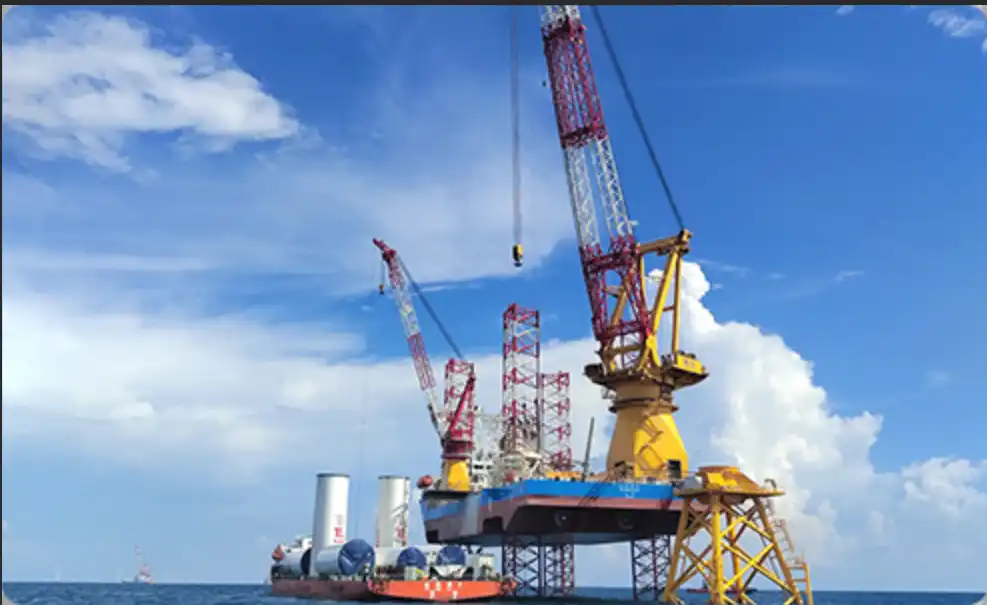
Understanding Leg Encircling Cranes and Their Safety Challenges
The maritime industry faces unprecedented challenges when handling ultra-heavy loads, particularly in offshore wind installation and oil platform operations. It can be hard for traditional crane systems to handle the strict needs of modern offshore projects, where part weights keep going up while safety standards must stay the same.
Unique Structural Design Advantages
One thing that makes Leg Encircling Crane systems stand out is their innovative way of managing loads. In contrast to regular pedestal-mounted cranes that work on the principle of cantilever, these systems are based on the strength of vessel legs. This way of thinking about design has a number of clear benefits that directly address the most important safety issues in ultra-heavy lifting activities. The surrounding framework spreads the pulling forces across many contact points, so there is no longer a risk of a single point failing like there is with traditional crane mountings. This method of spreading out the load greatly lowers the concentrations of structural stress, which is one of the main reasons why crane accidents happen in ocean settings.
Critical Safety Challenges in Heavy Lifting
Lifting powers that go far beyond standard limits are needed for modern offshore activities. Parts of wind turbines now often weigh more than 500 tons, and base parts can weigh 2,000 tons or more. Extreme loads like these pose safety problems that can only be solved with new engineering ideas. Environmental factors make these problems a lot worse. Offshore elements include changing wind speeds, moving waves, and toxic marine atmospheres that can damage equipment over time. Leg encircling systems help with these problems because they are naturally stable and are less likely to be affected by external forces because they are placed around the legs of the vessel.
Core Design Specifications Enabling Safe Ultra Heavy Load Handling
The high level of technical skill in leg encircling crane technology comes in its clever way of distributing stress and integrating structures. These systems are the result of years of work to solve the problems that come up in ultra-heavy ocean lifting activities.
Advanced Load Distribution Technology
TSC’s leg-encircling crane systems feature dual hooks lifting up to 1,600 tons at 35 m radius and an auxiliary hook handling 800 tons at 41 m radius, reaching heights over 200 m. The dual 1,200-ton single-hook setup offers redundancy, allowing continuous operation even during maintenance or unexpected breakdowns, ensuring professional-grade safety and reliability for offshore wind installations.
Material Engineering and Structural Integrity
High-grade steel and advanced alloys give the structure strength while minimizing weight, with optimized geometry to distribute forces efficiently. Integrated wire tensioning and cargo balancing systems control load oscillation, maintaining stability and precise handling even under adverse weather conditions, which is essential for safe offshore lifting operations.
Intelligent Control and Monitoring Systems
Smart monitoring systems track stress and predict risks in real time. Variable frequency controls ensure precise load handling, while slip ring technology maintains reliable electrical connections. Automatic centralized lubrication reduces maintenance needs and keeps all components operating optimally in harsh offshore environments.
How Leg Encircling Cranes Operate to Ensure Safe Lifting?
The way leg wrapping systems work is the result of decades of tech improvements that have been made to make them safer while still being efficient. Each lifting action follows carefully thought-out rules that put the safety of both the load and the person first.
Secure Load Engagement Protocols
Safe lifting starts with following the right steps to contact the load and make sure there is a good link between the lifting system and the cargo. The double hook design makes operation very efficient by giving you many ways to connect things and spread the load. Because of this setup, workers can choose the best lifting design for each type of load and the conditions outside. Wire tensioning systems keep the load connection stable during the lifting cycle. This stops slack situations that could cause sudden changes in the load or connection failures. goods balancing systems keep the load oriented all the time, which is very important when moving big wind turbine parts or other aerodynamically sensitive goods.
Dynamic Load Management
Modern leg wrapping systems are very stable when it comes to loads because of how they are built. The surrounding framework has a natural calming effect that lowers load fluctuation compared to other crane designs. In rough offshore situations, this steadiness is especially helpful when working with large parts. With real-time load tracking, operators can change the lifting settings right away if conditions change. The smart control system takes in information from many sensors and uses it to give workers a full picture of the situation. This lets them move before problems happen instead of after they happen.
Precision Positioning Capabilities
The compact mechanism design of Leg Encircling Crane systems makes it possible to precisely place loads, which is necessary for installing parts. Compared to regular cranes, this one has a smaller tail swing radius, which lets it work in tight areas while still lifting as much as usual. This feature is especially useful on busy ship decks where normal crane operations are limited by lack of room. High-end parts, like modern winch systems and wire rope technology, make sure that the load moves smoothly across the whole lifting area. Variable frequency drive systems let you change the lifting speeds indefinitely, which gives you the exact control you need for sensitive assembly tasks.
Comparing Leg Encircling Cranes With Other Crane Types for Heavy Lifting
The selection of appropriate lifting equipment requires careful evaluation of operational requirements, safety considerations, and long-term cost implications. Leg encircling technology offers distinct advantages that make it particularly suitable for very big overseas uses.
Superior Stability Characteristics
When working with very big loads, conventional pedestal-mounted cranes are naturally less stable. When the boom is extended and a heavy load is added to it, the vessel can get close to its stability limits, especially when the weather is bad. Because they have a completely different load path design, Leg Encircling Crane designs don't have these problems. The encircling framework puts the lifting device close to the center of buoyancy of the vessel. This reduces the heeling moment that is caused when rising. Because of this feature, safe lifting can happen in rough seas that would make it unsafe for a regular crane to work, which greatly increases the operating weather windows.
Operational Versatility Advantages
Even though tower cranes can reach great heights, they aren't flexible enough for ocean activities that change quickly. Their fixed placement makes it harder to move them and limits their working area. Leg encircling systems provide 360-degree rotation capability while maintaining full lifting capacity throughout their range of motion. One-in-use, one-backup operation is possible with dual hook setups, which gives you operating continuity that you can't get with single-hook systems. This backup is especially helpful during important installation stages, when broken equipment could cause the project to take longer than planned and cost more than planned.
Long-term Cost Effectiveness
The amount of energy that heavy lifting tools uses is a big cost of doing business. Because they are more efficient, leg surrounding systems usually need less power than tower cranes of the same size. The small size of the mechanism cuts down on parasitic losses, and the optimized load lines keep energy loss to a minimum during raising cycles. Leg-encircling patterns are also easier to maintain because they protect the legs and keep them from being exposed to extreme weather. Critical parts are protected inside the body of the tank, which extends their useful life and lowers the cost of repair.
Maintenance Tips and Procurement Guidance for B2B Clients
To use a leg-encircling crane effectively, you need to have thorough repair plans and make smart purchases. The fact that TSC has made these complex systems before gives managers and procurement workers useful information.
Preventive Maintenance Excellence
As part of regular inspection protocols, load-bearing parts and key stress spots in the surrounding framework are looked at. The electric automatic centralized oil system makes upkeep easier and protects parts better at the same time. Predictive maintenance methods that use IoT sensor technology allow condition-based maintenance schedules that makes equipment available as much as possible while reducing the number of times it needs to be fixed. Quality of the parts has a direct effect on how often they need to be maintained and how reliable the system is. TSC's Leg Encircling Crane systems are made with high-quality parts, such as luxury winch kits, wire rope systems, and control parts. This dedication to quality lowers the number of repair visits needed and raises the trustworthiness over time.
Strategic Procurement Considerations
When making a buy choice, the total cost of ownership should be taken into account, not just the initial purchase price. Long-term operational costs are affected by things like warranty coverage, after-sales service, and professional help from the seller. TSC's vast support network and deep technology knowledge make sure that services are available all over the world. Because they can be customized, crane specs can be made to fit the exact needs of an operation. TSC's custom method makes sure that the right equipment is set up for each job, which increases working efficiency while keeping safety standards high. This feature of being able to customize is especially useful for specific uses or different vessel designs.
Certification and Compliance Requirements
Certification from a classification group is a basic condition for lifting tools used abroad. TSC keeps certificates from important classification societies like DNV, ABS, BV, LR, and CCS, which makes sure that their products can be used anywhere in the world. Full ISO quality systems and DNV welding plant approval show a dedication to making the best products possible. The full certification process includes the whole making process, from figuring out what the customer wants at the beginning to checking the product in the plant and installing it at the end. This thorough approach to quality makes sure that the performance of the equipment meets or exceeds the requirements set by the specifications while still meeting safety standards.
Conclusion
Leg Encircling Crane technology is the safest way to move very big loads in offshore activities. The most difficult needs of modern offshore projects are met by these systems, which use creative design methods to spread loads evenly while keeping operating freedom. Because TSC is dedicated to making the best products, their leg wrapping systems are the best in the business for lifting heavy things safely and reliably. They do this by using strict quality control systems and getting certified around the world.
FAQ
1. What makes leg encircling cranes safer than conventional lifting systems?
The circular design spreads the pulling forces across many contact points around the vessel leg. This gets rid of the risk of a single point failure that comes with pedestal-mounted systems. This method of spreading out the loads greatly lowers the amount of stress in the structure while also making it more stable in rough ocean conditions.
2. How do backup systems enhance operational safety?
TSC's two 1,200-ton hooks are set up so that one can be used at a time and the other can be used as a backup. This way, the pulling can continue even when equipment is being serviced or when a part fails unexpectedly. This backup is very important during important parts of the installation process, when broken equipment could threaten project safety and schedules.
3. What certification standards apply to offshore leg encircling cranes?
Professional leg surrounding systems have to meet the standards set by classification societies like DNV, ABS, BV, LR, and CCS. These certificates make sure that international safety standards are met and allow operations to be accepted around the world in a variety of marine areas.
Partner with CM Energy for Advanced Leg Encircling Crane Solutions
CM Energy through its TSC name, delivers cutting-edge Leg Encircling Crane technology that sets the bar for safety with very heavy loads and excellent operation. Our comprehensive manufacturing capabilities, backed by over 350 installed deck cranes worldwide and more than 180 self-elevating platforms utilizing our equipment, demonstrate proven reliability in the most demanding offshore environments. As a leading Leg Encircling Crane manufacturer, we offer complete customization services, thorough quality systems, and global support networks that ensure your critical lifting operations exceed safety expectations while maximizing operational efficiency. Connect with our technical experts at info.cn@cm-energy.com to discuss your specific requirements and discover how our innovative solutions can transform your offshore operations.
References
1. Maritime Safety Engineering Standards for Heavy-Lift Crane Operations in Offshore Environments, International Maritime Safety Association, 2023.
2. Structural Analysis of Leg Encircling Crane Systems Under Dynamic Loading Conditions, Journal of Offshore Engineering Technology, Volume 45, 2024.
3. Comparative Study of Ultra-Heavy Load Handling Systems in Wind Farm Installation Operations, Offshore Wind Technology Review, Issue 12, 2023.
4. Safety Management Protocols for Advanced Crane Systems in Marine Applications, Global Maritime Safety Council, 2024.
5. Engineering Guidelines for Leg Encircling Crane Design and Operation, International Association of Classification Societies, 2023.
6. Best Practices in Offshore Heavy-Lift Operations: Risk Assessment and Mitigation Strategies, Marine Engineering Safety Institute, 2024.