Methanol Fuel Supply System: Complete Guide for Marine Use
A methanol fuel supply system represents a revolutionary approach to marine propulsion, offering vessel operators a comprehensive solution for storing, conditioning, and delivering methanol fuel to engines with enhanced safety and environmental benefits. These specialized systems address the unique challenges of methanol handling in marine environments, incorporating advanced safety protocols, precise fuel conditioning, and automated control mechanisms. Unlike conventional marine fuel systems, methanol supply systems require sophisticated double-walled containment, inert gas purging capabilities, and specialized materials resistant to methanol's corrosive properties, making them essential for modern sustainable shipping operations.
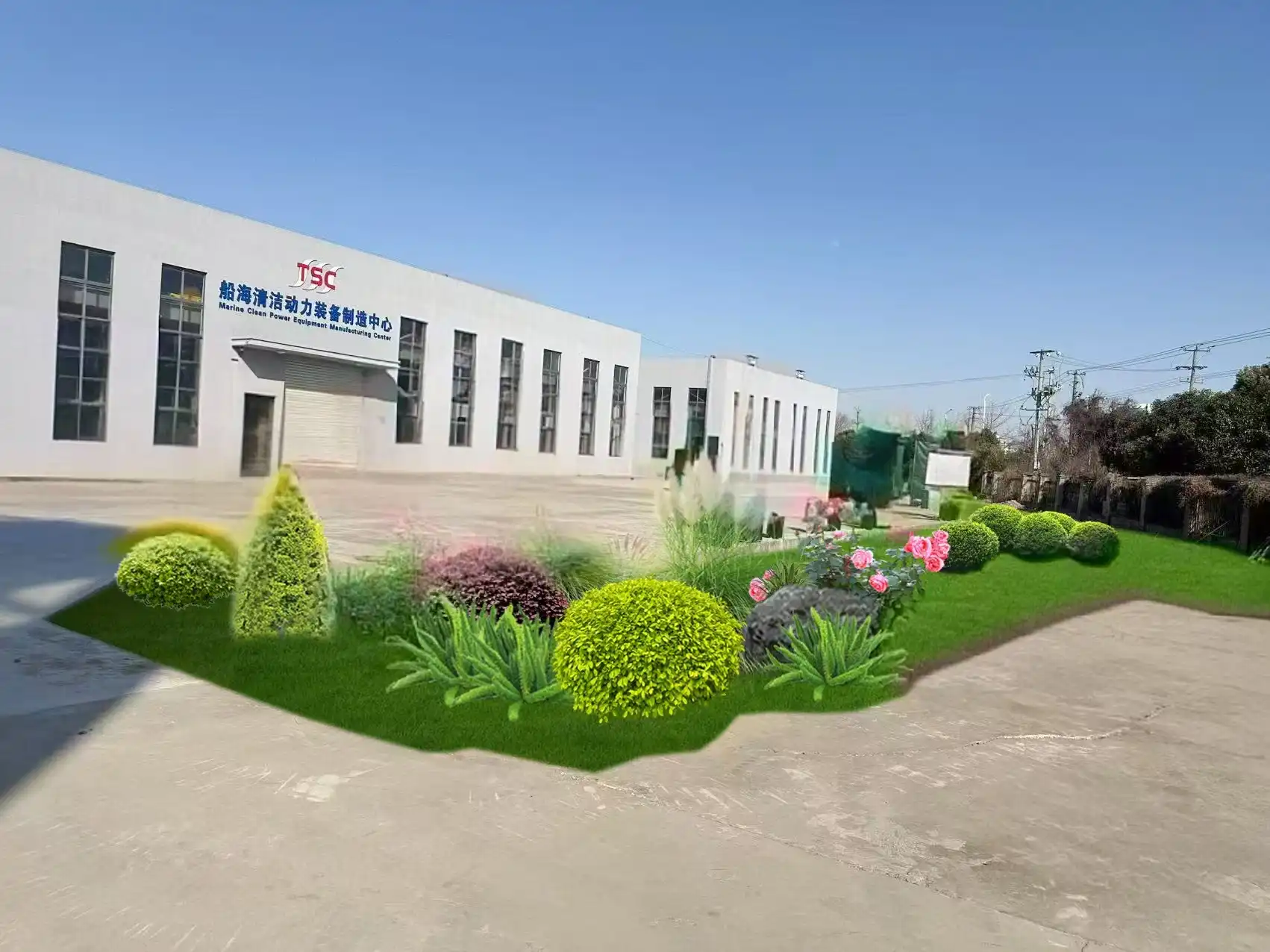
Understanding Methanol Fuel Supply Systems
Fundamental Operation and Core Components
Modern methanol fuel delivery systems ensure safe and efficient shipboard fuel control. Key components include stainless-steel storage tanks, high-precision pumps, and advanced control units that maintain pressure, temperature, and fuel cleanliness. Integrated heat management and flow regulation keep fuel properly conditioned, while connected devices work together to meet strict engine and safety requirements, ensuring stable supply under varying loads and conditions.
Design Principles and Maritime Compliance
Safety-centered design underpins these systems, with double-walled tanks and leak detection. Compliance with SOLAS-IBC and IGF Codes guarantees global operational approval. Modular installations allow retrofit across vessel types, reducing conversion costs. This flexibility, combined with strict adherence to maritime standards, ensures reliable operation while protecting crew, cargo, and the environment from fuel hazards.
Environmental Benefits and Efficiency Metrics
Methanol’s environmental advantages include lower NOx emissions and near-zero SOx output. Engines maintain diesel-like efficiency with reduced maintenance and cleaner combustion. Using green methanol from renewable sources further cuts greenhouse gases. These benefits make methanol fuel systems essential for sustainable shipping, supporting emission reduction targets and improving overall operational efficiency in modern maritime fleets.
Comparing Methanol Fuel Supply Systems with Other Marine Fuel Systems
System Design Differences and Safety Profiles
Methanol fuel supply systems differ from conventional marine fuel setups because of methanol’s chemical properties and safety needs. Unlike heavy fuel oil systems, methanol systems include vapor management and advanced containment technologies. Methanol’s low flashpoint requires careful handling, but its solubility in water reduces environmental impact if spilled. Compared to hydrogen, methanol remains liquid at ambient conditions, simplifying storage and infrastructure requirements.
Operational Reliability and Engine Compatibility
Engine tests show methanol works in many marine engines, from large main engines to auxiliary units. Corrosion-resistant metals and elastomers protect system components, while regular cleaning maintains stability and prevents material degradation. Reliability metrics indicate methanol systems perform consistently in varied marine environments, offering predictable operations compared to more volatile alternative fuels.
Financial Considerations and Return on Investment
Financially, methanol systems have lower installation costs than LNG or hydrogen systems and provide long-term operating savings. Reduced infrastructure and maintenance needs, combined with methanol’s competitive pricing and regulatory incentives for clean fuels, improve return on investment. These economic benefits make methanol an attractive, sustainable choice for modern shipping operations.
Procurement Guide for Methanol Fuel Supply Systems in Marine Use
Key Selection Criteria and Capacity Requirements
The methanol fuel supply system is chosen based on the needs of the vessel. The capacity is calculated by looking at the engine's power, how it will be used, and how long the trip will be. Bulk carriers that go on long-distance routes need different system requirements than ships that go on short-distance routes or rural waterways. Certification requirements are very important when choosing a seller. Approval from DNV, ABS, and Lloyd's Register makes sure that regulations are followed and the supplier is accepted by operations. Systems need to show that they follow both the IGF Code rules for low-flashpoint fuels and the rules for treating chemicals that apply. Integration skills show how well a system works with the electrical systems, control networks, and safety management systems that are already on board the craft. Modular design methods make it easier to add upgrades after the fact while still allowing for operating freedom.
Leading Manufacturers and Supplier Verification
There are well-known marine equipment companies in the global methanol fuel system market that have a track record of using clean fuel technologies. CM Energy is one of the first companies to develop complete methanol fuel systems, and they have experience working with a wide range of vessel types. TSC brand systems from CM Energy offer full combined solutions that include designing the system, making it, and helping with installation. Their track record shows that they can deliver successfully for both RoRo boats and specialized tankers, showing that they know how to deal with a wide range of working needs. When a supplier is being checked, their manufacturing skills, quality certifications, and project completion records should all be looked at. Reference setups and performance data give you useful information about how reliable a system is and how well the provider can support it.
Pricing Models and After-Sales Service
Total ownership costs, such as the original system purchase, installation services, training needs, and ongoing maintenance assistance, must be taken into account in procurement strategies. A lot of the time, all-inclusive service packages are a better deal than buying tools separately. Warranty terms usually cover system parts for long amounts of time. Equipment made specifically for methanol, like pumps, valves, and control systems, are covered in a special way. Service level agreements make sure that important system problems are fixed quickly. For global ship operations to work, technical support networks are necessary, which means that providers must be able to repair and provide parts all over the world. Local service relationships speed up responses and keep operations running smoothly.
Maintenance, Safety, and Troubleshooting Best Practices
Routine Maintenance Schedules and Inspection Points
For methanol fuel systems, preventive maintenance plans are mostly about checking the quality of the materials and testing the systems that find leaks. Regular inspections check for possible rust points, check the state of seals, and make sure the control system is calibrated. Specialized gaskets, filter elements, and pump seals made for methanol service are important parts that need to be replaced on a regular basis. These parts are made of high-tech materials that are designed to fight the corrosive effects of methanol while keeping the system's purity. Performance tracking includes checking the quality of the fuel, figuring out how well the pressure is being controlled, and making sure the flow rate is correct. These factors make sure that the engine works at its best and find any problems with the system before they affect operations.
Safety Protocols and Emergency Procedures
The safety rules for the methanol fuel supply system stress the importance of protecting workers by making sure they have the right gear and enough air flow. Training programs make sure that team members know how to handle methanol safely since it is dangerous. Emergency reaction methods cover possible leak situations, how to put out fires, and how to treat people who have been exposed to methanol. These steps are in line with international rules for marine safety and take into account the unique dangers of methanol. Inert gas systems are an important part of managing methanol tanks because they keep the air safe and stop mist from building up. These safety systems are kept working and set properly by checking them on a regular basis.
Troubleshooting Common System Issues
Common problems with methanol systems can be quickly found using diagnostic methods. These include pump turbulence, pressure regulation issues, and control system oddities. Systematic methods to fixing keep downtime to a minimum and make sure that problems are fixed safely. Problems with specialized methanol handling equipment like vapor recovery systems, leak detection networks, and automatic control functions are covered in debugging guides that are written for each part. With these tools, people on board can handle small problems on their own. Technical support progression processes make sure that customers can get help from the maker with complicated system issues. Specialists on land can help with fixing and system improvement thanks to remote diagnostics.
Future Trends and Innovations in Methanol Fuel Supply Systems
Emerging Technologies and Automation Advances
Automation technologies keep improving the powers of methanol fuel supply system capabilities by adding better safety management systems, predictive repair tools, and better control algorithms. These new ideas make things easier to use while also making the system safer and more reliable. Through satellite communications and cloud-based analytics tools, digital integration makes it possible to watch and improve system performance from afar. These features help with methods for managing fuel across a fleet and meeting legal reporting needs. The main goals of developing advanced materials are to make them more resistant to rust, make them last longer, and make them safer. These new ideas make systems last longer and work more reliably while reducing the amount of upkeep that needs to be done.
Regulatory Framework Evolution
The rules for ships in international waters are always changing to make it easier for people to use clean fuels by making the approval process easier and setting uniform safety standards. These changes make it easier to put things into action and make sure that world standards are always the same. Pricing systems for carbon and trade systems for emissions make it more cost-effective to use clean fuels. These market forces speed up the spread of methanol systems and help vessel owners build business cases. As part of the growth of port infrastructure, methanol bunkering and specialized handling facilities are being added. This improvement to the infrastructure makes it possible for more ships to use methanol fuel on their trips around the world.
Strategic Market Positioning
Environmental laws and companies' promises to being environmentally friendly are driving up interest in methanol fuel systems, according to a study of the market. Early adopters put themselves in a good situation for future market possibilities and regulatory needs. When fuel producers, technology providers, and vessel owners work together to form partnerships, they create value chains that support the use of methanol fuel. These partnerships lower the risks of operation and make sure that fuel supply lines are reliable. Technology roadmaps show that new ways of making methanol will keep coming up, such as carbon-neutral and green methods. These changes improve methanol's environmental reputation and could make it more cost-effective.
Conclusion
Marine decarbonization can be done with methanol fuel supply systems, which are a mature and useful option that use tried-and-true technology and have clear safety guidelines and approval paths set up by regulators. Because these systems are so complete, they can handle the unique problems that come with handling methanol while still providing solid performance across a wide range of vessel types and operating profiles. As the maritime industry continues to switch to more environmentally friendly fuels, methanol fuel supply system technology provides an accessible pathway for vessel operators seeking immediate emission reductions without compromising operational reliability or safety standards. The combination of environmental benefits, technical maturity, and economic viability positions methanol fuel systems as a cornerstone technology for sustainable maritime operations.
FAQ
1. What are the main components of a methanol fuel supply system?
A methanol fuel supply system comprises four primary subsystems: the methanol supply unit that conditions fuel to engine specifications, the filling and delivery system for safe fuel transfer operations, auxiliary systems providing support functions, and comprehensive control and safety systems ensuring secure operation throughout all operational phases.
2. How does methanol fuel system safety compare to conventional marine fuels?
Methanol fuel systems incorporate enhanced safety features including double-walled containment, automated leak detection, and inert gas purging capabilities. While methanol requires specialized handling due to its toxicity and low flashpoint, its water solubility provides environmental advantages over petroleum-based fuels in case of accidental release.
3. What vessel types are suitable for methanol fuel system installation?
Methanol fuel systems adapt to various vessel types including bulk carriers, crude oil tankers, chemical tankers, car carriers, and offshore support vessels. The modular design approach enables both newbuild integration and retrofit applications across diverse operational profiles and vessel sizes.
Partner with CM Energy for Advanced Methanol Fuel Supply System Solutions
CM Energy offers the best methanol fuel supply system options in the business, backed by a wealth of technical knowledge and a track record of successfully completing projects. As the first company to make a methanol fuel supply system, our TSC brand systems have proven to be very reliable in a wide range of marine uses, from bulk ships to specialized chemical tankers. Our all-around method includes planning, production, installation, and ongoing support services, so it will work perfectly with your ship's operations. CM Energy has the technical know-how and quality guarantee your projects need. They are DNV certified and have completed multiple methanol fuel supply system setups successfully. Get in touch with us at info.cn@cm-energy.com to talk about unique options for your methanol fuel supply system needs.
References
1. International Maritime Organization. Guidelines for Ships Using Methyl/Ethyl Alcohol as Fuel. IMO Publishing, 2022.
2. Maritime and Port Authority of Singapore. Technical Circular on Low-Flashpoint Fuel Supply Systems. MPA Technical Publications, 2023.
3. DNV Maritime Advisory. Methanol as Marine Fuel: Safety and Regulatory Considerations. DNV Technical Report Series, 2023.
4. American Bureau of Shipping. Guide for Methanol-Fueled Vessels. ABS Technical Publications, 2022.
5. Lloyd's Register Marine. Methanol Fuel Supply System Design and Installation Guidelines. LR Technical Standards, 2023.
6. International Association of Classification Societies. Common Structural Rules for Methanol Fuel Systems. IACS Technical Requirements, 2022.