Can Automated Sail Systems Reduce Fuel Costs for Your Shipping?
Automated sail systems can significantly reduce fuel costs for shipping operations by up to 30%, depending on route conditions and vessel specifications. These innovative wind-assisted propulsion technologies combine advanced sensor networks, real-time data processing, and intelligent control algorithms to optimize sail performance automatically. Unlike traditional manual sail systems, an Automated Sail System continuously adjusts sail angle and camber based on wind conditions, reducing engine dependency and delivering substantial fuel savings for commercial vessels including bulk carriers, tankers, and ferry operations.
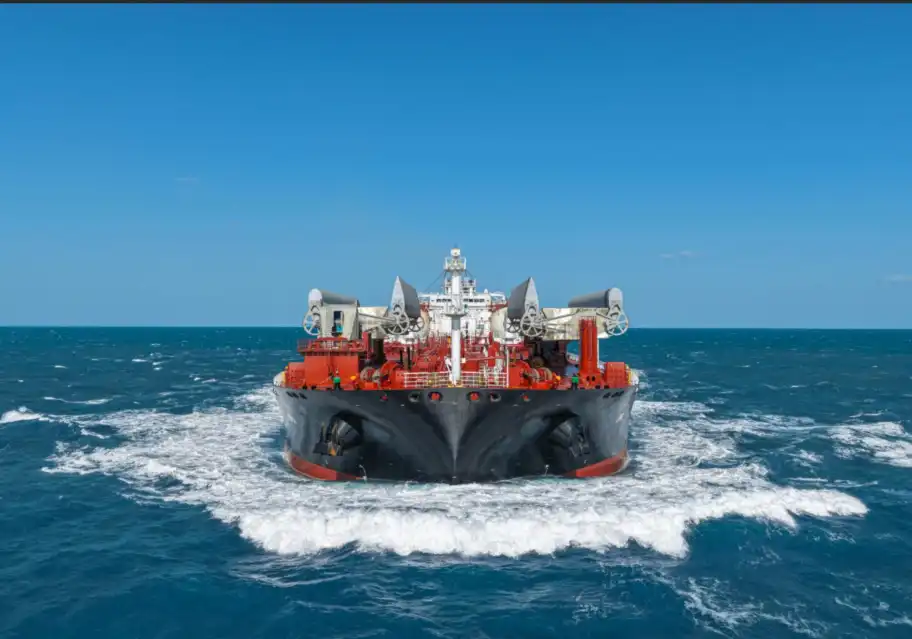
Understanding Automated Sail Systems and Their Impact on Fuel Costs
There is an extraordinary amount of demand on modern ships to comply strict environmental rules while lowering operating expenses. For the majority of commercial boats, fuel expenditures account for 50–60% of overall trip expenses, making them the highest operating cost. The marine sector has been compelled by this economic reality to look for creative ways to cut costs right away without sacrificing operational effectiveness. The system technology, which combines state-of-the-art automation with centuries-old wind power principles, is a new method to marine fuel management. To continually maximise sailing efficiency, these systems make use of sophisticated control algorithms, GPS integration, and powerful sensor networks. Decades of marine innovation gave rise to the technology, which combined contemporary automation capabilities that react to real-time environmental data with ancient sailing principles.
How Wind-Assisted Propulsion Reduces Engine Load
Wind-assisted propulsion systems use harvested wind energy to augment conventional engine power. To identify the best sail configurations, the Automated Sail System continually measures the wind's speed, direction, and vessel heading. The technique may dramatically lower engine load under ideal wind conditions, which directly saves gasoline. This hybrid strategy makes use of natural wind resources while preserving the dependability of the vessel schedule. Complex algorithms are used in the integration phase to determine the best mix of motor propulsion and wind power. These real-time computations guarantee that ships keep the best possible speed and trajectory while using the least amount of fuel possible. The inefficiencies of manual sail management, where human reaction delays and decision-making constraints may lower overall efficacy, are eliminated by the system's capacity to make rapid changes.
Economic Benefits for Commercial Shipping Operations
Commercial shipping operators utilizing the System technology report substantial economic benefits beyond immediate fuel savings. Reduced engine operating hours extend machinery lifespan, lowering maintenance costs and reducing downtime for repairs. The technology also contributes to improved Carbon Intensity Indicator (CII) ratings, helping operators comply with international environmental regulations while avoiding potential penalties. The economic impact becomes particularly significant for vessels operating on regular routes where wind patterns can be predicted and optimized. Ferry operators and coastal vessel owners benefit from short-route efficiency improvements, while bulk carriers and tankers experience fuel cost reductions across longer voyages. The technology's ability to provide return on investment within five years makes it an attractive option for fleet modernization initiatives.
Comparative Analysis: Automated Sail Systems vs. Manual and Conventional Systems
Conventional engine-only propulsion, which provides consistent performance but is unable to take use of natural wind resources, is a major component of traditional shipping operations. Despite their ability to capture wind energy, manual sail systems have serious operational drawbacks that restrict their usefulness in business settings. Because the system technology eliminates human error and offers fast reaction capabilities, it overcomes the inherent shortcomings of both manual and traditional techniques. Regardless of shifting weather conditions, the technology constantly optimises sail settings by using dynamic algorithms and GPS integration
Performance Comparison Across Different Vessel Types
The system implementations frequently outperform conventional propulsion systems, according to comparative studies carried out by independent maritime research organisations. When compared to traditional engine-only operations, bulk carriers with automated wind-assisted propulsion systems save fuel usage by 15–30%. Similar benefits are enjoyed by LR2 and chemical tankers, with further benefits in terms of operating flexibility and pollution reduction. Longer trips, where cumulative fuel savings compound over time, make the performance benefits more noticeable. The reliable fuel savings offered by automatic wind assistance are especially helpful to Newcastlemax bulk carriers, which usually use large quantities of gasoline because of their size and operating needs. Regardless of weather fluctuations, the technology's capacity to function in a variety of sea conditions guarantees consistent fuel cost savings.
Operational Efficiency Improvements
Automated Sail System technology improves overall vessel performance by increasing operational efficiency in addition to fuel savings. Because the system is automated, the crew has less work to do, freeing up marine experts to concentrate on other crucial operational duties. Both safety results and overall operational effectiveness are improved by this reassignment of crew duties. Through the system's connection with contemporary vessel management systems, real-time performance data is made available, enabling improved route optimisation and voyage planning. Shipping operators may get comprehensive data on the performance of wind-assisted propulsion, which enables better operational planning and more precise forecasts of fuel usage. Better fleet management choices and more operational transparency are two benefits of these data-driven insights.
Choosing the Right Automated Sail System for Your Fleet
A thorough assessment of the vessel's specs, operating needs, and performance objectives is necessary for choosing the best automated sail system. From commercial cargo ships to ferry operations needing a rapid return on investment, the present industry provides a variety of options tailored for distinct transportation needs. With its three-element rigid sail design and patented technology created in collaboration with BAR Technologies, CM Energy's WindWings technology is a prime example of the system innovation. The system uses cutting-edge materials, such as industrial composites and ship-grade steel, to ensure long-term performance and endurance in harsh marine settings
Key Features for Fleet Integration
Comprehensive integration features are provided by contemporary system solutions, which are intended to integrate easily with current vessel systems. The WindWings system has manual operating interfaces for crew supervision and automated control capabilities that keep an eye on system health and safety metrics. This dual-control strategy preserves automated efficiency gains while guaranteeing operational flexibility. The technology is appropriate for a variety of fleet applications since it can optimise performance depending on particular vessel characteristics. The Automated Sail System may be incorporated into tanker designs or mounted on bulk carriers placed strategically between cargo holds to meet the needs of each individual vessel. Customisation is possible according to vessel specifications and operating requirements because to the technology's modular nature.
Installation and Compatibility Considerations
To guarantee optimum performance and safety compliance, a comprehensive compatibility investigation is necessary before implementing an automated sail system. Comprehensive evaluations of the vessel's structural needs, electrical system compatibility, and operational workflow integration are carried out by professional installation services. These thorough assessments guarantee that the selected technology maintains vessel safety regulations while providing the anticipated performance gains. There are many stages to the installation procedure, including as thorough crew training, onboard system installation, and factory acceptance testing. Throughout this process, CM Energy offers complete lifecycle support, guaranteeing operators thorough training and continuous technical assistance. The technology's dependability and adaptability are shown by the company's vast expertise with worldwide installations, which includes successful deployments across more than 20 major international ports.
Installation, Maintenance, and Troubleshooting for Automated Sail Systems
Maximising Automated Sail System performance and guaranteeing long-term operating advantages need proper installation and continuous maintenance. In order to maintain optimum performance levels, expert installation services and organised maintenance plans are necessary due to the complexity of contemporary wind-assisted propulsion systems. The installation of Automated Sail Systems by CM Energy places a strong emphasis on thorough planning and methodical execution. Comprehensive vessel compatibility study is the first step in the process, which is then followed by factory testing methods and customised system design. This meticulous process guarantees that every installation satisfies particular operating needs while upholding the highest safety standards.
Professional Installation Process
An Automated Sail System installation entails many specialised stages intended to guarantee peak performance and safety adherence. Initial compatibility study looks at operational workflow concerns, electrical system capacity, and vessel structural needs. This comprehensive evaluation determines installation schedules that minimise operating disturbance and identifies any required adjustments. Coordination with vessel operations teams and specialised technical knowledge are necessary for onboard installation processes. System mounting, electrical integration, control system design, and thorough testing procedures are all part of the process. Expert installation teams guarantee that every part works as intended and that crew members are properly trained for routine maintenance and daily tasks.
Maintenance Requirements and Long-term Performance
Automated Sail System maintenance includes regular actions intended to maintain system functionality and increase operational longevity. Sensor calibration, hydraulic system inspection, control component testing, and structural integrity evaluations are examples of routine maintenance tasks. In addition to avoiding unplanned malfunctions that can interfere with vessel operations, these preventative actions aid in maintaining the best possible fuel savings capacity. Major component replacements won't be necessary over the 25-year operating lifetime of the WindWings system. This prolonged service life reduces lifetime costs while offering superior long-term value. IoT monitoring capabilities are included in CM Energy's complete maintenance packages, allowing for proactive maintenance scheduling and remote system diagnostics.
Troubleshooting Common Issues
Common troubleshooting for Automated Sail Systems includes fixing mechanical component problems, control system failures, and sensor abnormalities. Comprehensive diagnostic features in the WindWings system help find any issues before they affect system performance. Real-time notifications for maintenance needs and system irregularities are provided by automated health monitoring systems. Rapid operational issue resolution is ensured by technical support protocols, which also provide explicit escalation methods for complicated situations needing specialised knowledge. With control interfaces akin to those of a typical deck crane, the system's design places an emphasis on operational simplicity, lowering the need for training and streamlining troubleshooting processes for ship operators.
Future Trends and Strategic Benefits of Automated Sail Systems in Shipping
The maritime industry continues evolving toward sustainable technologies that deliver both environmental benefits and economic advantages.The system technology represents a significant component of this transformation, offering immediate fuel savings while supporting long-term sustainability objectives. Industry projections indicate substantial growth in wind-assisted propulsion adoption as shipping companies seek compliance with increasingly stringent environmental regulations. Technological innovations continue advancing Automated Sail System capabilities through artificial intelligence integration, machine learning algorithms, and enhanced weather routing systems. These developments enable more precise optimization of sail performance, contributing to increased fuel savings and improved operational efficiency. The integration of advanced materials and manufacturing techniques also enhances system durability and reduces maintenance requirements.
Regulatory Compliance and Environmental Benefits
International maritime regulations increasingly emphasize emission reduction and fuel efficiency improvements. The system technology directly addresses these regulatory requirements by reducing fuel consumption and associated emissions. The technology contributes to improved Carbon Intensity Indicator ratings, helping operators maintain compliance with International Maritime Organization regulations while potentially qualifying for environmental incentives. The environmental benefits extend beyond immediate emission reductions to include reduced dependency on fossil fuels and enhanced operational sustainability. Shipping companies implementing Automated Sail System technology demonstrate commitment to environmental stewardship while achieving tangible operational improvements. This combination of environmental and economic benefits positions wind-assisted propulsion as an essential component of future fleet strategies.
Market Development and Investment Opportunities
The system market continues expanding as more shipping companies recognize the technology's economic and environmental benefits. Investment in wind-assisted propulsion technology offers attractive returns through fuel cost savings, regulatory compliance benefits, and enhanced fleet competitiveness. The technology's proven performance record and growing industry acceptance support continued market expansion. Leading manufacturers like CM Energy continue driving innovation through research and development investments, partnerships with technology leaders, and comprehensive customer support programs. These ongoing developments ensure that Automated Sail System technology remains at the forefront of maritime sustainability solutions while delivering reliable performance for diverse commercial applications.
About CM Energy and TSC Product Services
CM Energy stands as a technology-driven enterprise committed to pioneering advancements in sustainable maritime energy solutions. Listed on the Hong Kong Stock Exchange since 2009, the company has established itself as a leader in innovative marine technologies, including advanced the system solutions through its TSC brand name. Our expertise encompasses comprehensive Automated Sail System development, manufacturing, and integration services tailored for commercial shipping fleets worldwide. With over 159 authorized patents and extensive experience in marine equipment manufacturing, CM Energy delivers innovative solutions that meet the demanding requirements of modern commercial shipping operations.
Comprehensive Product Range and Support Services
CM Energy's WindWings the system represents cutting-edge wind-assisted propulsion technology designed for diverse commercial applications. The system features patented three-element rigid sail design with fully adjustable camber and angle of attack capabilities, ensuring optimal aerodynamic performance across varying wind conditions. Independent verification by renowned research institutions confirms the system's superior performance characteristics and reliability. Our comprehensive support services include customizable system integration, professional installation, operator training, and ongoing maintenance programs. The TSC brand delivers complete lifecycle support from initial system design through long-term operational support, ensuring customers achieve maximum return on their Automated Sail System investment. This commitment to customer success has enabled numerous clients to achieve measurable fuel savings and enhanced operational efficiency.
Global Certification and Quality Assurance
CM Energy maintains the highest quality standards through comprehensive certification programs and rigorous testing procedures. Our the system products hold certifications from leading classification societies including DNV, Bureau Veritas, Lloyd's Register, and China Classification Society. These certifications validate system safety, performance, and reliability for commercial maritime applications. Quality control measures include sourcing materials exclusively from ISO-certified suppliers and implementing comprehensive factory acceptance testing procedures. Our global manufacturing capabilities and established supply chain relationships ensure consistent product quality while maintaining competitive delivery schedules for customer projects worldwide.
Conclusion
Automated Sail System technology offers proven fuel cost reduction capabilities for commercial shipping operations, delivering savings of up to 30% depending on route conditions and vessel specifications. The technology combines traditional wind power principles with modern automation to provide reliable, efficient performance across diverse maritime applications. CM Energy's WindWings system exemplifies this technology's potential, offering comprehensive solutions backed by global certification and extensive industry experience. The strategic implementation of wind-assisted propulsion technology positions shipping companies for enhanced profitability while supporting environmental sustainability objectives in an increasingly regulated industry.
FAQ
1. Can existing vessels be retrofitted with automated sail systems?
Yes, many existing vessels can be successfully retrofitted with Automated Sail System technology after thorough compatibility assessments. The retrofit process involves detailed structural analysis, electrical system evaluation, and operational workflow integration. Professional installation teams conduct comprehensive vessel assessments to determine optimal system configurations and identify any necessary modifications. The modular design of modern systems like WindWings facilitates integration with existing vessel infrastructure while maintaining operational safety standards.
2. What fuel savings can shipping operators expect from automated sail systems?
Typical fuel savings from Automated Sail System implementations range from 15% to 30%, depending on vessel type, operational routes, and prevailing wind conditions. Bulk carriers and tankers operating on routes with favorable wind patterns often achieve savings at the higher end of this range. The automated nature of these systems ensures consistent performance optimization, maximizing fuel efficiency across varying weather conditions. Real-world validation studies confirm these savings ranges across diverse commercial applications.
3. How does automated sail technology impact crew operations and workload?
Automated Sail System integration significantly reduces crew workload by eliminating manual sail adjustments and optimization tasks. The automated control systems continuously monitor and adjust sail configurations based on real-time data, allowing crew members to focus on other critical operational responsibilities. This redistribution of tasks enhances overall safety and operational efficiency while reducing the specialized sailing knowledge requirements for vessel crews. The systems include user-friendly interfaces that integrate seamlessly with existing vessel operations.
Partner with CM Energy for Advanced Automated Sail System Solutions
CM Energy delivers industry-leading Automated Sail System technology through our proven WindWings platform, offering fuel savings up to 30% with comprehensive certification from DNV, Bureau Veritas, and other leading classification societies. As a trusted automated sail system supplier with over 159 authorized patents and extensive global experience, our TSC brand provides complete lifecycle support from installation through maintenance. Contact us at info.cn@cm-energy.com to explore customized wind-assisted propulsion solutions that can transform your fleet's operational efficiency and environmental performance.
References
1. International Maritime Organization. "Guidelines on the Method of Calculation of the Attained Energy Efficiency Design Index for New Ships." Marine Environmental Protection Committee, 2021.
2. DNV Maritime Advisory. "Wind-Assisted Propulsion Systems: Performance Validation and Classification Requirements." Technical Report on Automated Sail Technologies, 2023.
3. Wolfson Unit Marine Research Institute. "Aerodynamic Performance Analysis of Three-Element Rigid Sail Systems." University of Southampton Fluid Dynamics Research, 2022.
4. Bureau Veritas Marine Classification. "Certification Standards for Wind-Assisted Propulsion Systems in Commercial Shipping." Technical Guidelines and Safety Requirements, 2023.
5. Lloyd's Register Maritime Research. "Fuel Efficiency Benefits of Automated Wind-Assisted Propulsion in Commercial Vessel Operations." Independent Performance Study, 2022.
6. Maritime Technology Review. "Economic Impact Assessment of Automated Sail Systems in Global Shipping Operations." Industry Analysis and Market Trends Report, 2024.