LNG Fuel Supply System for Ships: Marine Application Guide
The LNG Fuel Supply System is a completely new way to power ships, and it will change how ships in the whole shipping business handle fuel management and environmental compliance. As rules about emissions get stricter and costs go up for ships around the world, LNG fuel gas supply systems have become the best way to keep operations running smoothly. This detailed marine application guide looks at the important parts of putting LNG technology to use on a wide range of vessels, such as bulk carriers, crude oil tankers, offshore support vessels, and specialized chemical carriers. It gives procurement professionals and marine operators the information they need to successfully set up systems and run them well for a long time.
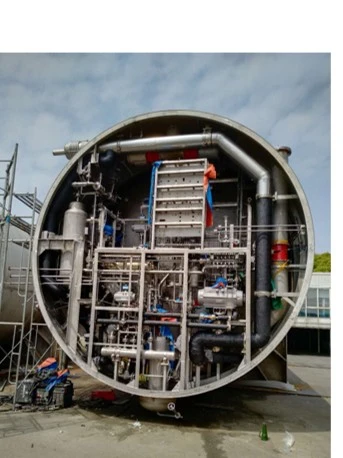
Understanding LNG Fuel Supply Systems for Ships
Modern LNG Fuel Supply System technology is an advanced combination of cryogenic engineering and the needs of naval transportation. These systems handle the tricky job of keeping liquefied natural gas at very low temperatures and sending it to naval engines at just the right temperature for the best burning performance.
Core Components and Architecture
Naval LNG systems rely on key components working together to ensure safe, efficient fuel supply. Cryogenic tanks keep LNG near -163°C using advanced insulation, minimizing boil-off gas. Fuel prep units—including pumps, vaporizers, and pressure regulators—convert the liquid into gas at precise conditions for engines. TSC’s integrated piping within tank cooling systems saves space while maintaining safety, adapting to different vessel layouts.
Operational Mechanics and Safety Integration
Operationally, LNG systems use continuous monitoring of temperature, pressure, and flow. Emergency shutdowns and layered safety systems protect personnel, while advanced control algorithms optimize storage conditions and adjust fuel supply to changing engine demands. This ensures reliable, adaptable operation even under dynamic sea and tactical conditions.
Benefits and Design Principles of LNG Fuel Supply Systems in Maritime Use
When you use LNG Fuel Supply System technology, you get big operating benefits that go far beyond just switching fuels. These features completely change how well a ship handles its surroundings while also making it easier to run and follow the rules.
Environmental Performance Advantages
Burning LNG produces far less pollution than standard marine fuels, with sulfur oxides cut by nearly 100% and nitrogen oxides by about 85%. Carbon dioxide emissions also drop significantly, helping shipowners meet stricter environmental rules. In Emission Control Areas, advanced FGSS-equipped vessels operate safely without costly fuel-switching procedures, ensuring compliance with tight air-quality standards.
Design Principles for Marine Applications
Marine LNG systems are engineered for reliability under harsh sea conditions, handling temperature shifts, vessel motion, and long operating cycles. TSC emphasizes modular designs and integrates equipment into tank cooling systems to save space while maintaining safety. Corrosion-resistant metals, high-performance insulation, and automated monitoring ensure long-term durability and safer, easier operation for crews.
Comparison: LNG Fuel Supply Systems vs Traditional Marine Fuel Systems
When you compare LNG Fuel Supply System technology to other naval fuel systems, you'll see that it has big benefits in a lot of different ways. Knowing these differences in benefits helps marine professionals make smart choices about updating their fleets and choosing the right specs for new ships.
Operational Cost Analysis
Even though they require a bigger starting investment, LNG systems have better long-term operating economics. When the price of regular fuel changes a lot, the benefits of using alternative fuels become even more noticeable. They also require less upkeep than standard fuel systems because they burn cleaner. Getting rid of the steps needed to switch fuels in emission control areas makes operations simpler and lowers the cost of labor. Vessels can keep up the same fuel operations no matter what operational zone they are in. This makes things easier for the crew and lowers the chance of operational mistakes.
Performance and Efficiency Metrics
The latest FGSS technology makes engines run better by making sure the fuel quality is always the same and improving the way it burns. Because LNG doesn't contain sulfur and has a lower particle load, it helps engine parts last longer and requires less upkeep. Through working together with major engine makers, TSC has created high-pressure devices that are incredibly efficient. These partnerships make sure that the fuel supply systems and propulsion equipment work together perfectly. This improves the total performance of the ship while meeting the high standards of dependability needed for business maritime operations.
Technology Advancement Trends
Recent changes in the market focus on better automation and building in safety features that make operations simpler and more reliable. Advanced tracking systems give real-time information about performance that lets repair be planned ahead of time and operations be run more efficiently. Moving toward uniform parts and modular designs makes installation easier and upkeep less necessary. These improvements in technology make LNG systems more appealing for both retrofitting old ships and building new ones in a wide range of marine fields.
Procurement Guide for LNG Fuel Supply Systems in Marine Applications
To successfully buy LNG Fuel Supply System technology, you need to carefully consider the skills of the suppliers, the technical requirements, and the long-term assistance plans. Because marine LNG systems are so complicated, they need thorough procurement plans that cover both the needs for instant installation and long-term operating assistance.
Supplier Evaluation Criteria
Leading providers have a lot of knowledge with marine uses and have a track record of success with a wide range of vessel types. TSC has a lot of experience designing and building dual-fuel boats, liquefied gas carriers, and chemical tankers. They have a deep understanding of all the complicated needs of the marine business. When suppliers are being evaluated, those who offer complete solutions that include planning, production, installation, and ongoing help should be given the most weight. TSC's all-around method includes systems for supplying methanol and ammonia fuels as well as systems for handling LPG goods. This shows how flexible alternative fuel technologies are.
Cost Structure and Investment Planning
Procurement workers need to look at more than just the initial price of an item when deciding what to buy. Installation costs, crew training needs, and ongoing upkeep costs all add up to a big part of the total investment needed. Financing choices and payment structures can have a big effect on how feasible a project is and how well you can handle your cash flow. Leading makers like TSC use a modular approach that lets them do phased implementation strategies that spread out the costs of investments over longer periods of time while letting users gain operating experience with initial installs.
Installation and Commissioning Considerations
For a FGSS installation to go smoothly, shipyards, equipment providers, and vessel managers must work together carefully. Planning before installation includes making changes to the structure, integrating pipes, and connecting the electrical system in a way that makes the whole system work together smoothly. TSC's full support method includes checking the design, overseeing the installation, and thorough testing steps that make sure the system works well before handing it over to the next person to run it. This all-around help lowers the risks of installation and makes sure that the system works at its best from the start.
Technical Support, Compliance, and Regulatory Framework
Implementing LNG Fuel Supply System technology means navigating complicated rules and making sure ongoing compliance throughout the system's operating life. By understanding these models, you can make sure that the right systems are built and that operations are carried out in a way that is safe and legal.
Regulatory Compliance Requirements
Gas-fueled ships must follow basic safety and operation rules set by the IMO IGF Code. Documents showing compliance must show that these international standards are being followed, along with any regional rules that may be specific to certain operating areas. Through thorough review and inspection processes, classification society approval processes make sure that the quality of the system design and installation. TSC's systems have certificates from major classification groups, which means they are safe to use and follow the rules.
Technical Support Infrastructure
Comprehensive technical support includes training programs for crews, technical documents, and ongoing upkeep instructions that make sure the system works at its best for as long as it is in use. With today's systems, you can watch and fix problems from afar thanks to improved diagnostics. TSC offers full lifecycle support, which includes design advice, production oversight, installation help, and full service after the sale. This unified method makes sure that users get uniform help throughout the whole lifecycle of the system, from setting it up to taking it offline.
Maintenance and Reliability Management
Proactive repair programs make systems more reliable while reducing the number of times they have to be shut down. Condition-based maintenance strategies are possible with the help of advanced tracking technologies. These strategies set the best maintenance intervals based on how well the system is actually working, not on random plans. TSC's low-pressure goods have been reliable for over a year, with stable performance. This shows that current FGSS technology is fully developed. This operating experience gives you faith in the system's dependability and backs up maintenance methods that were created after a lot of time spent in the field.
Conclusion
As the marine industry moves toward more environmentally friendly practices, LNG Fuel Supply System technology is becoming an important part of modern fleet management plans. TSC's all-around approach to FGSS development, which includes both high-pressure and low-pressure options, meets all the different needs of modern marine operations while still meeting the high standards of stability needed by commercial shipping. LNG technology is the best way to reduce carbon emissions and improve operating efficiency in all types of ships and operations because these systems have been used for a long time and have a lot of support infrastructure. They also follow all the rules.
FAQ
1. What makes LNG fuel systems safer than traditional marine fuel systems?
Marine LNG systems have many safety features that work together to keep them safe. These include advanced leak detection, emergency stop procedures, and special ventilation systems. If the gas is let out, it spreads out quickly, unlike leaks of liquid fuel, which pose a constant fire risk. Modern FGSS technology has automatic safety reactions that lower risks by isolating the system right away and letting gas out.
2. How long does installation typically take for new vessel construction?
Installation times depend on the size of the vessel and how complicated the system is. For smaller installations, the time frame is usually a few weeks, but for big business vessels, it can be several months. When compared to standard field-built systems, TSC's modular method and pre-fabricated parts make installation much faster. Coordinating with port plans and other building activities going on at the same time affects the total length of the project.
3. Can existing vessels be retrofitted with LNG fuel systems?
The ability to retrofit relies on the amount of room that is available, the changes that need to be made to the structure, and the need to follow regulations. Many types of vessels can have FGSS retrofits installed, but the exact needs must be determined by a thorough engineering evaluation. TSC's small designs and ability to integrate tank cooling systems make retrofitting easier while reducing the number of structure changes that need to be made for installation to go smoothly.
Partner with CM Energy for Advanced LNG Fuel Supply System Solutions
CM Energy's TSC brand delivers industry-leading LNG Fuel Supply System technology, along with a lot of naval engineering knowledge and a wide range of support services. Our track record shows that we can successfully place systems on a wide range of vessels, from PCTCs to chemical tankers. This guarantees steady performance in harsh maritime settings. As a reliable company that makes LNG Fuel Supply Systems, we use our creative design skills and smart connections to give you custom solutions that meet your exact operational needs. Email our team at info.cn@cm-energy.com to talk about your project needs and find out how our cutting-edge FGSS technology can help your fleet do better in terms of the environment while also cutting costs.
References
1. International Maritime Organization. "International Code of Safety for Ships Using Gases or Other Low-Flashpoint Fuels (IGF Code)." Maritime Safety Committee, 2015.
2. DNV GL. "Alternative Fuels for Shipping: Technology, Operation and Regulatory Framework." Maritime Forecast Report, 2023.
3. Society of Naval Architects and Marine Engineers. "LNG as Marine Fuel: Safety, Technology and Operational Considerations." Technical Paper Series, 2024.
4. Lloyd's Register. "Marine Fuel Gas Supply Systems: Design and Installation Guidelines." Classification Society Standards, 2023.
5. American Bureau of Shipping. "Requirements for Gas Fueled Ships and Installations." ABS Rules and Guides, 2024.
6. Maritime and Port Authority of Singapore. "Technical Reference for LNG Bunker Supply Chain." Port State Guidelines, 2023.