How does a mud mixer improve drilling fluid efficiency?
A Mud Mixer makes drilling fluid work better by mixing additives, binding agents, and chemicals into the drilling mud in a uniform way. The Mud Mixer makes sure that the density, viscosity, and gel strength of the fluid stay the same by controlling agitation and turbulence production. These qualities have a direct effect on how well the digging works. This blending stops settling, lowers fluid loss, keeps wellbore conditions stable, and makes equipment last longer. When drilling fluids are mixed correctly, they cut down on downtime, lower costs, and improve safety on offshore platforms, in shale gas operations, geothermal wells, and directional drilling projects.
Introduction
Drilling operations depend on how well the drilling fluid works, which has a direct effect on how long the equipment lasts, how costs are managed, and how the project turns out. Whether you're in charge of jack-up platforms in the Gulf of Mexico or shale gas operations in the Permian Basin, how well your drilling mud works affects how much you can get done and how much money you make. Fluid management systems depend on Mud Mixers to make sure that all of the additives and binding agents are properly mixed so that the fluid's properties stay at their best.
We've seen a lot of drilling operations where bad mixing caused expensive downtime, too much machine wear, and wellbore instability problems. This blog post tells B2B procurement managers, drilling experts, and equipment sellers everything they need to know about how Mud Mixers improve the efficiency of drilling fluid. Our goal is to help you make smart choices about what equipment to buy and how to use it, whether you need an offshore drilling platform or a horizontal directional drilling system.
Understanding Mud Mixers and Their Role in Drilling Fluid Efficiency
The Core Function of Mud Mixers in Drilling Operations
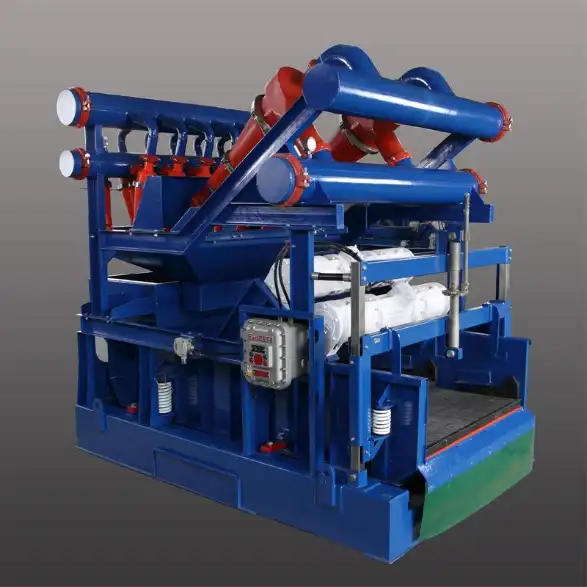
Specialized machines called Mud Mixers are made to mix drilling fluids evenly, making them stable and consistent, which is important for good drilling performance. These tools can be used for mining, geothermal growth, oil and gas research, and building projects. The main goal is to keep solid additions like bentonite, barite, and plastics suspended in the base fluid without letting phases separate, which would make drilling less effective.
Operating Principles That Drive Mixing Performance
A Mud Mixer only works if it creates enough movement and shear forces to spread the bits out evenly. The speed of the mixing, the shape of the impellers, and the size of the tank all affect how the chemicals are spread out in the fluid. Electric systems offer steady torque for manmade muds with a high viscosity, while pneumatic systems can work safely in areas where explosions are a risk. When procurement teams understand these operating factors, they can better match the powers of tools to the needs and fluid formulations of each site.
Direct Benefits to Drilling Efficiency and Equipment Longevity
When Mud Mixers work right, they make the fluid more stable, which means less friction in the drill string, better waste transport, and less damage to the rock. Consistent fluid qualities keep the wellbore intact, keep pumps from breaking down, and keep downhole tools from wearing out. These operating benefits have a direct effect on drilling efficiency by cutting down on time that can't be used for drilling and increasing the time between service gaps for important equipment parts across your drilling program.
Key Factors That Influence Mud Mixer Efficiency
Mixing Speed and Capacity Control Parameters
How well a Mud Mixer works depends on how well the speed and mass capacity are controlled. Operators can change the amount of motion based on the density of the fluid and the properties of the additives. Higher mixing speeds make shear forces stronger, which helps break up clumps. Controlled speeds keep fluid systems from getting too airy. Your mud system's throughput (measured in barrels per minute) needs to match your capacity so there are no bottlenecks during busy digging phases.
Equipment Type Selection for Specific Drilling Environments
Different types of mixers, like portable vs. fixed and jet mixers vs. mechanical agitators, have different performance qualities that are best for different drilling situations. Portable units that are made up of separate parts can be quickly set up at different well sites to help with horizontal directional drilling and cleanup jobs. Offshore saltwater operations and well closure are done with stationary systems made of materials that don't rust. Choosing the right types of tools makes sure that it can work with oil-based drilling fluids, synthetic-based muds, and water-based systems in a variety of operating settings.
Maintenance Practices That Sustain Performance Standards
Routine inspections, lubricating bearings, and replacing seals are all important parts of effective maintenance processes that help keep equipment running smoothly and for a long time. Integrated IoT sensors that track performance in real time make it possible for predictive repair plans to find problems before they affect operations. The quality of the mixing is always the same because automatic drilling fluid density and viscosity control systems are calibrated on a regular basis. These upkeep tasks keep the mixer working at its best and the quality of the drilling fluid stable over long drilling operations.
How Mud Mixers Solve Common Drilling Fluid Challenges?
Addressing Phase Separation and Settling Issues
A lot of the time, heavy weighting agents fall to the bottom of the tank while lighter components rise. This is called phase separation. This problem is solved by Mud Mixers, which keep solid objects in suspension by stirring the mud all the time. Modern centrifuge systems work with mixing tools to get rid of solids smaller than a micron while keeping the fluid's properties. This combined method stops barite sag in wellbores that aren't straight and makes sure that the drill bit always gets the right amount of mud.
Ensuring Uniform Chemical Dispersion Throughout Fluid Systems
Uneven chemical distribution makes areas with too little additive content, which hurts the performance of the drilling fluid. Mud mixers with high-efficiency shale shaker technology and multi-layer vibration screens make sure that plastics, lubricants, and pH control agents are spread out evenly. In a turbulent mixed environment, additive groups are broken up, and uniform solutions are made that give the whole fluid system the same performance.
Optimizing Mixing Parameters for Varied Fluid Properties
Finding the best mixing conditions for different types of fluids is essential. For example, low-viscosity fluids are needed for high penetration rates, while high-density muds are needed to reduce pressure in deepwater research boats. Automatic Mud Mixers that can control the density and viscosity of the drilling fluid let workers change the mixing settings based on what's happening downhole at any given time. This flexibility lets you precisely control the properties of the fluid, which improves drilling efficiency while reducing damage to the rock and wellbore instability.
Real-World Performance Improvements and Cost Savings
We have records of many instances where upgrading to more advanced Mud Mixer systems led to measured changes in operations. A shale gas company in Texas cut mixing time by 40% after installing hydraulic power units that use less energy and have better blade designs. Through better additive distribution and less waste, an offshore station in the North Sea was able to cut the cost of drilling fluid by 15%. Using examples from real life, these examples show how investing in high-quality mixing tools made for your unique needs can really pay off.
Selecting the Best Mud Mixer for Your Drilling Needs
Critical Performance Metrics for Equipment Evaluation
To pick the best Mud Mixer, you need to carefully consider how much power it uses, how well it mixes, how portable it needs to be, and how long it will last in rough conditions. When equipment is made with closed-loop systems, it releases less toxic trash and still meets environmental standards. Safety systems that are approved by DNV and ABS are very important for operations in dangerous areas where explosive atmospheres are always a risk. These performance metrics help buyers make choices that balance the cost of the original investment with the value it will bring in the long run.
Comparing Market-Leading Manufacturers and Technology Platforms
Leaders in the industry have built their names on a track record of success in tough drilling conditions. When comparing choices, you should look at the warranties that are available, the availability of the global service network, and how quickly technical help responds. As the needs of a project change, modularly designed equipment that can be quickly deployed and retrofitted gives operators more options. The ability for tools to work with both oil-based and synthetic-based drilling fluids makes it more useful in a wider range of drilling projects and markets.
Tailoring Equipment Selection to Project-Specific Requirements
Size of the project, ranges of fluid viscosity, and access issues at the spot all have a big impact on the best tools choice. For large offshore drilling platforms, stationary sites with a lot of volumetric capacity work best. For environmental remediation drilling, on the other hand, movable units that can move quickly between places are needed. For drilling and maintaining geothermal wells, you need materials that don't rust and can handle high temperatures and harsh fluid chemicals. Matching the specs of the equipment to how it will be used guarantees the best return on investment and increases in drilling efficiency.
Rental Versus Purchase Considerations for Budget Optimization
Strategies for buying equipment should take into account the length of the project, the amount of money that is available, and the long-term goals for operations. For short-term directional drilling for urban building projects, renting may be the best option because it lowers the initial costs and gets rid of the need to maintain the equipment. For long-term mining core sample projects, buying tools that can be used only for that job and can be customized is usually a good idea. A lot of procurement managers use a mix of owned core tools and rented capacity for times of high demand.
Procurement and After-Sales Considerations for Mud Mixers
Identifying Trusted Suppliers and Distribution Networks
Finding reliable providers with competitive prices, bulk discounts, and clear standard paperwork is the first step to efficient buying. Established distributors keep ties with many makers, which gives them access to a wide range of products that meet a wide range of business needs. Online sites for buying things give buyers more seller choices and let them compare prices and look over specifications. Building relationships with reliable suppliers guarantees access to technical advice when choosing tools and ongoing help for running the business.
Understanding Logistics and Lead Time Planning
When there are global supply lines, shipping logistics, customs clearance methods, and delivery wait times need to be carefully thought out. Equipment going to offshore drilling sites has to work with the plans and weather windows of the vessels that will be carrying it. Land-based businesses that are far away need transportation plans that can handle big tools and tough access conditions. When making project schedules, procurement managers should include realistic lead times that take into account things like manufacturing capacity, quality checks, and foreign shipping factors that affect the availability of equipment.
Critical After-Sales Support Elements for Operational Success
It is very important to have spare parts on hand, a warranty that covers everything, and quick technical help in order to keep operations running smoothly. Field service-capable suppliers can fix problems and solve on-site, which cuts down on downtime during busy drilling operations. Advanced features, such as automated controls and integrated tracking systems, are taught to operators through training programs. Strategic partnerships after the sale are very important for making sure that the Mud Mixer works well and reliably, and for general drilling success over the life of the equipment.
Conclusion
Mud Mixers are an important part of digging operations because they have a direct effect on how well the fluid works, how efficiently the operations run, and how much the project costs. These systems are very important for offshore platforms, shale gas fields, geothermal projects, and directed drilling because they can make regular suspensions, keep fluid properties constant, and adapt to different drilling situations. You can get the best performance for your business by choosing the right tools based on its mixing ability, power systems, safety certifications, and servicing needs. Strategic procurement choices, which involve weighing the initial investment against long-term dependability and support, set up drilling programs for long-term success in competitive markets that demand high levels of operating quality and cost control.
FAQ
1. How often should mud mixers undergo maintenance servicing?
The amount of work that needs to be done, the properties of the fluid, and the surroundings all affect how often maintenance needs to be done. Most suggestions call for daily checks while drilling is happening, weekly lubrication of moving parts, and full monthly checks that include checking the state of seals and electrical connections. Offshore and high-temperature areas may need to be serviced more often to keep up with faster rust and wear.
2. What distinguishes mud mixers from mud agitators in drilling operations?
New additives are constantly mixed into drilling fluids by Mud Mixers, which create initial mixes with high shear forces that break up particle clumps. Mud agitators keep fluids that have already been mixed in suspension by stirring them more gently. This keeps the fluids from settling during storage and movement. Most drilling activities use both systems at the same time, with mixers doing the initial preparation work and agitators keeping the fluid's qualities up to date.
3. Can portable mud mixers effectively handle high-viscosity drilling fluids?
Modern portable units with the right power sources and propeller designs that work best with thick fluids do a good job of handling them. Some important things to think about are the motor's power rate, the shape of the mixing chamber, and speed controls that can be changed based on the fluid's resistance. Many portable systems now have features that were only available on fixed setups before. This makes them more useful in a wider range of demanding situations.
Partner with CM Energy for Advanced Mud Mixer Solutions
CM Energy is a reliable company that makes Mud Mixers and has a track record of providing high-tech fluid management systems to tough drilling jobs around the world. Our TSC brand equipment is used in more than 350 offshore sites around the world. It is backed by 159 approved patents that show that drilling technology is always getting better. We know how important it is for jack-up platforms, shale gas operations, geothermal wells, directional drilling projects, and horizontal directional drilling setups to use drilling fluid efficiently.
Our products are made in a modular way so they can be set up quickly. They also have built-in IoT sensors that let us watch performance in real time and safety systems that are DNV/ABS-certified and meet the strictest industry standards. Corrosion-resistant materials make sure that things work reliably in saltwater settings at sea, and hydraulic power units that use less energy lower the costs of running the business. Whether you need closed-loop setups that are good for the environment or mud mixing systems that work with synthetic-based drilling fluids, our engineering team can make solutions that fit your needs.
As a Mud Mixer provider that wants to build long-term relationships, CM Energy offers full after-sales support, such as spare parts, professional training, and the ability to do work in the field. Our global life-cycle services make sure that your equipment keeps working at its best even during long digging operations. Get in touch with us at info.cn@cm-energy.com to talk about your unique needs, get full specifications, and find out how TSC Mud Mixer technology can improve the efficiency of your drilling fluid and operational output.
References
1. Mitchell, R.F. and Miska, S.Z. (2011). Fundamentals of Drilling Engineering. Society of Petroleum Engineers, Richardson, Texas.
2. Bourgoyne, A.T., Millheim, K.K., Chenevert, M.E., and Young, F.S. (1991). Applied Drilling Engineering. Society of Petroleum Engineers Textbook Series, Volume 2.
3. Darley, H.C.H. and Gray, G.R. (1988). Composition and Properties of Drilling and Completion Fluids. Gulf Professional Publishing, Houston, Texas.
4. Caenn, R., Darley, H.C.H., and Gray, G.R. (2017). Composition and Properties of Drilling and Completion Fluids, Seventh Edition. Gulf Professional Publishing, Cambridge, Massachusetts.
5. American Petroleum Institute (2017). API Recommended Practice 13B-1: Recommended Practice for Field Testing Water-Based Drilling Fluids, Fifth Edition. API Publishing Services, Washington, D.C.
6. International Association of Drilling Contractors (2019). Drilling Fluids Management and Mud Mixing Systems: Industry Best Practices Guide. IADC Technical Publications, Houston, Texas.