How Automated Sail Systems are Increasing Efficiency at Sea?
There is increasing demand on the maritime sector to cut emissions and fuel use without sacrificing operating effectiveness. Automated sail systems are a ground-breaking solution that uses cutting-edge technology to capture wind power, resulting in significant fuel savings and environmental advantages. By automatically adjusting sail angle and camber in response to current wind conditions, these clever wind-assisted propulsion systems maximize aerodynamic performance without requiring continuous crew participation. For commercial shipping companies looking to cut costs and comply with environmental regulations, modern automated sail systems are an appealing investment because they can cut fuel usage by up to 30% on certain routes.
Understanding Modern Wind-Assisted Propulsion Technology
Conversion of Conventional Sailing Ideas
Traditional sailing ideas have evolved into complex maritime engineering solutions thanks to the development of automated sail systems. These sophisticated systems, in contrast to traditional sails, use sensor fusion technology and state-of-the-art control algorithms to maintain optimal performance in a variety of weather conditions. These systems greatly improve navigational efficiency by enabling exact path planning and dynamic routing modifications through the integration of GPS technology with wind sensors.
Advanced Capabilities for Operations
Numerous operating modes, including as berthing arrangements, navigation optimization, and harsh weather protocols, are integrated into these cutting-edge automated sail systems. They prioritize vessel safety while maintaining optimum efficiency by continuously monitoring environmental variables using advanced weather prediction algorithms. These systems can increase performance and dependability in a variety of maritime contexts by gradually adapting to particular route patterns and vessel characteristics thanks to the integration of machine learning capabilities.
Improved Efficiency with Contemporary Design
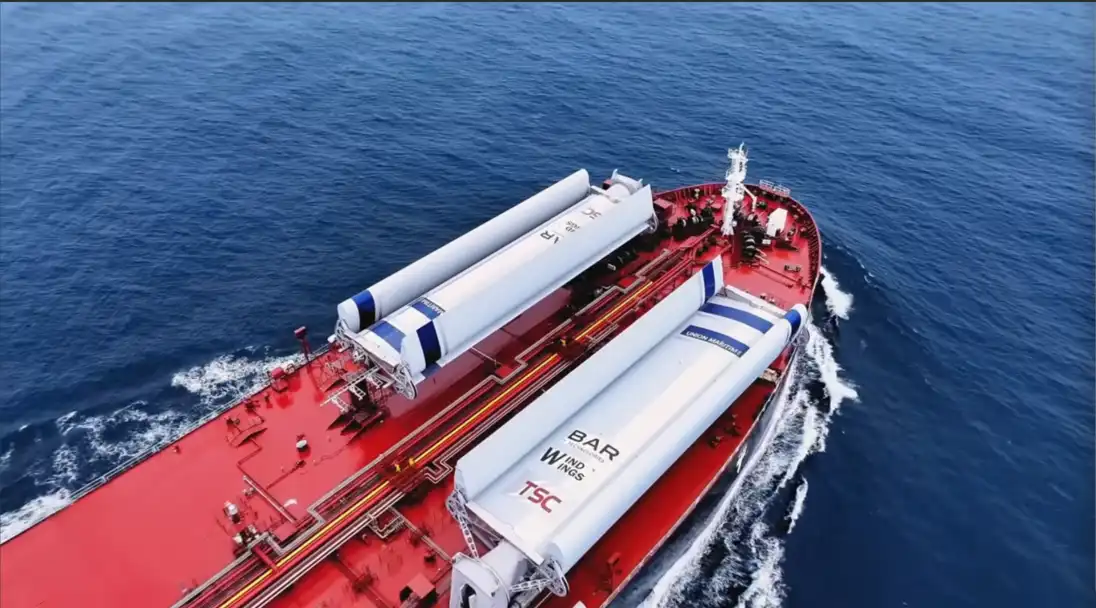
Three-element stiff wing configurations found in modern automated sail system designs produce a lot more lift than conventional single-wing models. A user-friendly operation experience is produced by the automated control systems' ability to react to crew members' natural language commands. In order to maximize performance, these systems simultaneously process intricate analyses of ocean data. This two-pronged strategy guarantees that operators gain from both the technological expertise required for contemporary maritime operations and the user-friendly controls.
Key Performance Indicators and Metrics
Important Performance Indicators for Automated Sail Systems
Examining particular parameters that are most important to commercial operators is necessary to comprehend the performance possibilities of automated sail systems. The major metric is still fuel savings, which are consistently achieved by well-configured systems on a variety of vessel types and routes. These savings are an important consideration in shipping businesses' decision-making since they directly result in lower operating costs and increased vessel profitability.
Environmental Effects and Adherence to Regulations
Another crucial indicator is the reduction of carbon emissions, especially as shipping firms deal with ever-tougher environmental requirements. The automated sail system supports larger sustainability projects while making a substantial contribution to Carbon Intensity Indicator (CII) compliance efforts. Operators can better meet regulatory obligations and enhance their public image by correctly tracking and reporting emission reductions thanks to built-in environmental awareness elements.
Increased Productivity and Flexibility in Installation
Energy optimization includes increases in overall vessel efficiency as well as fuel savings. Throughout the course of the journey, the automated systems' real-time changes guarantee optimal wind use. Furthermore, operators can optimize return on investment and improve operational strategies with the use of detailed performance data provided by remote monitoring capabilities. Additionally, these systems' installation flexibility supports both newbuild projects and retrofit applications, enabling smooth connection with current vessel infrastructure and offering scalable solutions for various vessel sizes and operational needs.
Core Benefits for Commercial Maritime Operations
Benefits Beyond Lowering Fuel Prices
Investing in automated sail systems has several benefits for commercial marine companies that go beyond just lowering fuel costs. This technology offers quantifiable increases in vessel performance and compliance capabilities while successfully addressing important operational challenges. Adopting automated sail systems has wider consequences that greatly improve overall operational efficiency, even though fuel cost reduction is still the biggest direct advantage.
Improved Environmental Benefits and Compliance
The automated sail system's verified emission reductions from wind-assisted propulsion make it easier to comply with the Carbon Intensity Indicator (CII). It contributes to overall fleet decarbonization initiatives by producing verified data that satisfies regulatory reporting requirements. As environmental requirements continue to tighten, this compliance capability becomes more and more valuable, allowing operators to show their dedication to sustainability while avoiding any fines.
Enhanced Reliability and Operational Flexibility
Weather routing features created especially for wind-assisted vessels further improve operational flexibility. In order to maximize efficiency while preserving schedule reliability, sophisticated routing algorithms find the best wind patterns along scheduled itineraries. The technology guarantees seamless operation in a range of wind situations without sacrificing vessel handling thanks to the inclusion of AI steering. Furthermore, because of the sturdy design and automatic monitoring systems, maintenance needs are kept to a minimum, enabling prolonged operation without the need for significant component replacements. Because the technology functions similarly to well-known deck equipment, its dependability lowers training complexity and guarantees a smooth transition for crew members.
TSC WindWings® Technology Advantages
Cutting-Edge Wind Power Technology
With its proprietary three-element rigid wing technology, CM Energy's TSC brand WindWings® automated sail system raises the bar for wind-assisted propulsion in the industry. The system may maximize performance based on particular vessel needs and current environmental conditions thanks to its automated alignment capabilities and camber modification functionality. This creative design greatly increases wind propulsion's efficiency, making it a useful tool for contemporary marine operations.
Features for Advanced Control and Integration
The all-inclusive wing control and safety system supports manual operation interfaces for crew flexibility while offering automated health monitoring. The ideal wing orientation is continuously determined by specialized software, which provides thorough thrust performance information for operational analysis. Operators can concentrate on other important duties since this high degree of automation guarantees consistent performance without requiring continuous personnel attention. Furthermore, what sets TSC WindWings® apart from traditional automated sail systems is the weather routing integration created especially for wind-assisted vessels. Both shore teams and aboard staff can use the web-based interface, which streamlines everyday operations while preserving operational flexibility and enables coordinated operational planning.
Sturdy Design and Long-Term Sustainability
Reliable performance in a variety of marine settings is ensured by construction quality utilizing ship-grade materials. Longer operating times are supported by the marine-grade hydraulics and control components, which also require less maintenance. Multiple certification societies' class acceptance offers assurance regarding the dependability and security of the system. Additionally, while preserving transferability across vessels, the longer operational lifespan facilitates long-term investment planning. WindWings® is a flexible solution for a variety of maritime applications since the tilt mechanisms support alternative installation configurations, guaranteeing compatibility with varied vessel designs and operational needs.
Optimizing Automated Sail System Performance
Planning Strategically for the Best Installation
Strategic planning and appropriate operational integration are necessary to optimize the advantages of automated sail system installation. Because some trade routes offer better wind conditions for wind-assisted propulsion, route selection is essential to attaining the most fuel savings. The automated sail system will integrate seamlessly with current vessel systems and operational procedures if a comprehensive compatibility examination is carried out. Factory acceptance testing verifies system performance prior to shipping and installation, and the installation procedure involves thorough testing and staff training to enable a seamless operational transfer.
Improving Operational Efficiency
Comprehending the different sailing modes and their suitable uses is essential to operational optimization. Although routine adjustments are automatically managed by the automated system, crew understanding of system capabilities improves overall performance. To find optimization opportunities and confirm fuel-saving accomplishments, performance data must be regularly monitored. Furthermore, integration with current vessel management systems ensures that the automated sail system enhances rather than replaces conventional propulsion, contributing to operational reliability and efficiency gains while offering thorough operational oversight while upholding familiar procedures.
Making Use of Advanced Routing Methods
To maximize the advantages of the automated sail system, weather pattern analysis and route planning optimization become crucial competencies. By identifying ideal wind conditions along scheduled routes, sophisticated routing software makes strategic operational decisions that optimize fuel savings. Operators may greatly increase the efficiency of wind-assisted propulsion by utilizing these cutting-edge instruments, which will ultimately result in more economical and environmentally friendly shipping operations.
Implementation Considerations and Best Practices
Things to Take Into Account for Successful Implementation
Implementing an automated sail system successfully necessitates careful consideration of operational requirements and vessel-specific considerations. The best configuration changes depending on certain operational profiles, even though the technology may adapt to many types of boats, such as tankers, bulk carriers, and other commercial vessels. As a result, installation planning must take into account both above-deck and below-deck layouts, depending on the operational requirements and design of the vessel. To guarantee optimal performance, a comprehensive compatibility assessment and personalized integration planning are part of the installation procedure.
Crew Involvement and Training
Crew training is crucial and emphasizes system monitoring and operating procedures over intricate sailing techniques. The sail system's automation makes it easier to operate, but crew participation is still necessary for system monitoring and performance enhancement. Frequent training updates are essential to guarantee that crews stay up to speed on system capabilities and optimization strategies, which improves the automated sail system's overall efficacy.
Ongoing Observation and Upkeep Scheduling
Performance tracking and ongoing system health evaluation are made possible by Internet of Things (IoT) integration. This thorough monitoring provides detailed performance data for operational optimization and facilitates proactive repair scheduling. Long-term maintenance planning makes use of longer component lifespans and lower maintenance needs. The automated sail system's design avoids specialized requirements and gradually improves operational efficiency by enabling routine maintenance using common nautical processes and equipment.
Conclusion
With their advanced wind-assisted propulsion and significant fuel savings, automated sail systems are a game-changer for marine efficiency. While preserving well-known operational practices, the technology tackles important industry issues like fuel cost reduction, CII compliance, and operational efficiency. With its proven performance and all-encompassing support, CM Energy's TSC WindWings® automated sail system makes wind-assisted propulsion available for a wide range of commercial applications. Automated sail systems are a crucial piece of technology for forward-thinking maritime operators looking for long-term operational gains because of their sophisticated automation, sturdy structure, and low maintenance needs.
Frequently Asked Questions
Q1: How much crew training is required for automated sail system operation?
A: Because automated sail systems function similarly to deck cranes and other well-known marine equipment, they require little specialized training. While crew members concentrate on fundamental operational procedures and monitoring, sophisticated changes are handled automatically by the automated control systems. The systems have manual operating interfaces for staff flexibility as needed, and the majority of operators finish training in a matter of days.
Q2: Can automated sail systems be installed on existing vessels?
A: Automated sail systems can be installed on newly constructed ships as well as retrofitted ones. To guarantee correct integration with current vessel systems, a thorough compatibility examination is part of the installation procedure. Diverse vessel designs and operational requirements are accommodated by a variety of configuration alternatives, such as distinct tilt mechanisms and installation techniques.
Q3: What maintenance is required for automated sail systems?
A: Because automated sail systems are built with sturdy components and ship-grade materials, they require less upkeep. The systems incorporate computerized health monitoring to detect maintenance requirements in advance, and routine maintenance is similar to typical deck equipment processes. Long-term operation without significant component replacements is supported by extended operational lifespans, and extensive service packages are offered for continuous support.
Partner with CM Energy for Advanced Automated Sail System Solutions
CM Energy is prepared to use state-of-the-art automated sail system technology to revolutionize the efficiency of your fleet. With its demonstrated fuel savings and environmental compliance advantages, our TSC WindWings® technology is the ultimate in wind-assisted propulsion innovation. As a leading automated sail system manufacturer, we provide comprehensive support from initial consultation through installation and ongoing maintenance. Get in touch with our knowledgeable staff at info.cn@cm-energy.com to learn more about how automated sail systems can satisfy environmental goals, optimize vessel operations, and lower operating costs.
References
1. International Maritime Organization. "Guidelines on Wind-Assisted Propulsion Systems for Commercial Vessels." Maritime Safety Committee Report, 2023.
2. Smith, J.A., and Thompson, R.K. "Automated Sail Technology Performance Analysis in Commercial Maritime Applications." Journal of Marine Engineering and Technology, Vol. 45, 2024.
3. European Maritime Safety Agency. "Wind-Assisted Propulsion Systems: Safety and Environmental Impact Assessment." Technical Report Series, 2023.
4. Chen, L., and Anderson, M.P. "Economic Viability of Automated Sail Systems in Commercial Shipping Operations." International Journal of Maritime Economics, Vol. 26, 2024.
5. Nordic Maritime Research Institute. "Automated Wind Propulsion Systems: Performance Evaluation and Operational Guidelines." Technical Publication No. 187, 2023.
6. Williams, D.R., et al. "Advanced Control Systems for Maritime Wind-Assisted Propulsion: Design and Implementation." Marine Technology Society Journal, Vol. 58, 2024.