What Is an MFSS and How Does It Support Marine Engines?
As a key innovation in naval transportation, the Methanol Fuel Supply System (MFSS) is made to supply methanol fuel precisely and reliably. It has supply units, methods for filling and delivering fuel, extra systems, and advanced control features to meet the pressure, temperature, flow rate, and cleaning standards set by the engine maker. As the shipping industry moves towards more environmentally friendly fuels, MFSS provides a quick and effective answer. This makes it essential for ship owners who want to stay ahead in today's changing market.
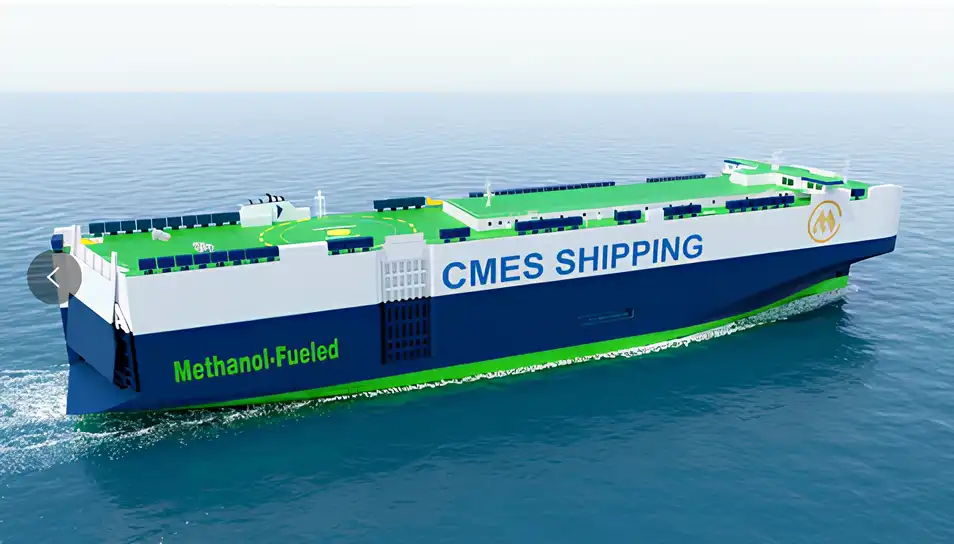
Understanding Methanol Fuel Supply Systems (MFSS)
Using methanol fuel supply systems is very different from using diesel-based engines because they completely change how naval engines get fuel and use it. These systems control a complicated web of parts that make sure the right amount of methanol is delivered every time, meeting the exact standards needed for marine engine operation.
Core Components and Architecture
An effective methanol fuel supply system relies on four critical subsystems working together. The methanol supply unit regulates fuel delivery, maintaining steady pressure and flow across varying operational loads. The filling and delivery system uses special pumps, filters, and transfer devices to move fuel safely and efficiently, taking into account the unique features of methanol. Modern sensors and control units keep an eye on the system and make changes to it all the time, making sure that it works at its best and is safe during engine start-up, load changes, and shutdown.
Operational Excellence Through Design
Modern methods for supplying methanol with fuel are great because they can adapt to changing operating conditions. Unlike traditional fuel systems, which work within stricter limits, these systems are very adaptable to meet the needs of different engines. The technology makes sure that the same quality of fuel is delivered no matter the sea conditions, changes in the temperature outside, or changes in the volume of operations. When adding methanol fuel supply systems to naval equipment that is already there, compatibility factors need to be carefully thought through. These systems can be installed on both new ships and old ones. This gives ship owners options for using environmentally friendly fuels without limiting their ability to do their jobs.
Key Components and Maintenance of MFSS
For the methanol fuel supply system to work properly, you need to know how the different gear parts and repair procedures work together. Each part of the system is very important for making sure that fuel is delivered reliably and that safety standards are met, which is very important for marine activities.
Essential Hardware Elements
Fuel storage systems designed especially for methanol uses are part of the core hardware framework. These storage systems are made with materials and designs that take into account the special chemical properties of methanol and make sure they will last for a long time in sea settings. Specialised pumps made for methanol service give constant pressure even when operating conditions change. Regulatory control units precisely control the flow rates and pressures of fuel, changing factors based on what the engine needs at any given time. These units have advanced tracking features that keep an eye on system performance measures and let you know early on if you might need to do some maintenance. Modern filter systems make sure that the fuel meets strict cleanliness standards that keep engine parts further down the line from getting dirty. These filter systems have several steps of cleaning that are especially designed for methanol use. They get rid of impurities that could hurt the performance or life of the engine.
Maintenance Strategies and Safety Protocols
Methanol fuel supply system repair programs that work well stress the importance of regular inspections that find problems before they affect operations. Regular system tests check for wear patterns on parts, the integrity of seals, and the accuracy of instrument readings to keep performance at its best. According to safety rules, dealing methanol requires special training and tools that are made to deal with the unique properties of this fuel. These rules include what kind of personal safety equipment is needed, how much air should flow, and what to do in an emergency that is especially made for using methanol in marine settings. Maintenance methods are in line with global safety standards when they follow international rules, such as the needs of the SOLAS-IBC Code. These rules and regulations give detailed instructions on how to handle, store, and move methanol in a way that keeps people and the structure of the vehicle safe.
Comparing MFSS with Other Marine Fuel Systems
As the marine industry moves towards more environmentally friendly fuels, all of the available transportation systems need to be carefully looked at. Methanol fuel supply systems are better than standard and alternative fuel systems in many ways, especially when it comes to operating freedom and environmental performance.
Performance Metrics and Environmental Impact
Methanol fuel supply systems are better at lowering emissions than standard diesel systems, which makes a big difference in the work to reduce carbon emissions in the marine sector. Lower sulphur oxide and particle matter pollution are caused by these systems. This helps ship owners follow the stricter environmental rules that are being put in place along the world's trade routes. Operational efficiency metrics reveal that methanol fuel supply systems maintain competitive fuel economy while providing enhanced engine reliability. The consistent fuel quality achieved through these systems contributes to reduced maintenance requirements and extended engine service intervals compared to conventional fuel systems.
Comparative Analysis with Alternative Fuels
When evaluated against other alternative fuel systems such as liquefied natural gas or hydrogen, methanol fuel supply systems offer unique advantages in terms of infrastructure requirements and operational complexity. These systems require less specialized port infrastructure compared to cryogenic fuel alternatives, facilitating broader adoption across diverse maritime markets. The total cost of ownership for methanol fuel supply systems reflects favorable economics when considering fuel availability, storage requirements, and maintenance complexity. Unlike hydrogen fuel systems that require extensive infrastructure investments, methanol systems leverage existing maritime fuel handling expertise while introducing manageable technological upgrades.
Procurement and Sourcing of MFSS
The global marketplace for methanol fuel supply systems continues expanding as maritime operators recognize the strategic value of sustainable propulsion technologies. Successful procurement strategies require understanding vendor capabilities, technical specifications, and long-term support commitments that ensure optimal system performance throughout operational lifecycles.
Vendor Evaluation and Selection Criteria
Leading suppliers in the methanol fuel supply system market demonstrate expertise in marine engineering, regulatory compliance, and custom system integration. Evaluation criteria should encompass technical capabilities, manufacturing quality standards, and comprehensive service offerings that support both installation and ongoing operations. Cost considerations extend beyond initial system acquisition to include installation complexity, training requirements, and lifecycle maintenance costs. Procurement teams benefit from evaluating total cost of ownership models that account for fuel efficiency improvements, emission compliance benefits, and potential operational cost reductions over extended timeframes.
Installation and Technical Support
Professional installation services ensure optimal system integration with existing vessel infrastructure while maintaining compliance with maritime safety standards. Experienced installation teams understand the complexities of methanol fuel supply system deployment and can navigate technical challenges that arise during integration processes. Ongoing technical support encompasses preventive maintenance programs, emergency response capabilities, and system upgrade services that maintain optimal performance throughout operational lifecycles. Comprehensive support agreements provide vessel operators with confidence in their methanol fuel supply system investments while ensuring reliable operation across diverse maritime applications.
CM Energy's Advanced Methanol Fuel Supply Solutions
As a leader in developing new methanol fuel supply systems, CM Energy uses its decades of experience in marine engineering to give the global shipping business the most cutting-edge solutions. As a tech-focused company dedicated to expanding sustainable energy, CM Energy has built a reputation as a reliable partner for ship owners looking for methanol fuel supply systems through its TSC brand.
Industry-Leading Expertise and Innovation
The engineers at CM Energy are very good at designing dual-fuel vessels and chemical ship systems, and they are now working on making advanced methanol fuel supply systems. CM Energy is a star in its field because of its innovative approach to safety standards and constant changes in system performance, dependability, and economy.
Comprehensive Product Portfolio and Capabilities
The TSC brand has systems that handle methanol, LNG fuel, and cargo all in one, which gives ship owners a complete answer. CM Energy's modular designs make sure that the systems can be used together and are flexible. CM Energy is a solid partner for unique power solutions. They have installed many successful systems, such as the Stena RoRo methanol systems.
Conclusion
Methane fuel supply systems are a key piece of technology that will help the marine industry move towards more environmentally friendly ways to move ships. Such complex systems give modern ship owners the dependability, economy, and environmental performance they need, while also making it easy to follow the changing rules for the environment. Multiple benefits of MFSS technology, such as lower pollution and more operating freedom, make these systems must-have investments for marine organisations that want to stay ahead of the curve. As businesses look for more environmentally friendly options, methanol fuel supply systems are a tried-and-true way to achieve both environmental duty and operational excellence. This is why they are an important part of today's marine fleet.
FAQ
1. What maintenance intervals are recommended for methanol fuel supply systems?
Regular maintenance schedules typically include monthly visual inspections, quarterly system diagnostics, and annual comprehensive servicing. The specific intervals depend on operational intensity and environmental conditions, but proactive maintenance ensures optimal performance and extends system longevity.
2. Can existing marine engines be retrofitted with methanol fuel supply systems?
Many existing marine engines can accommodate methanol fuel supply system retrofits with appropriate modifications. The feasibility depends on engine design, vessel configuration, and regulatory requirements. Professional assessment determines retrofit compatibility and identifies necessary modifications.
3. How does methanol fuel impact engine performance and longevity?
Methanol fuel generally provides clean combustion characteristics that can reduce engine wear and extend service intervals. The consistent fuel quality delivered by modern methanol fuel supply systems contributes to improved engine reliability and performance compared to traditional fuel systems.
Partner with CM Energy for Advanced Methanol Fuel Supply System Solutions
CM Energy invites maritime operators to explore the transformative potential of advanced methanol fuel supply systems tailored for modern vessel requirements. Our comprehensive expertise in marine engineering, combined with proven track record in clean fuel technologies, positions us as the ideal Methanol Fuel Supply System supplier for your fleet modernization initiatives. Whether you require individual components or complete integrated systems, our TSC brand delivers reliable solutions backed by comprehensive technical support and worldwide service capabilities. Contact our expert team at info.cn@cm-energy.com to discuss your specific requirements and discover how our methanol fuel supply systems can enhance your operational efficiency while meeting environmental compliance objectives. Visit cm-energy.com to explore our complete product portfolio and technical resources designed to support your maritime energy transition.
References
1. International Maritime Organization. "Guidelines for Ships Using Methyl/Ethyl Alcohol as Fuel." Maritime Safety Committee, 2023.
2. DNV GL. "Assessment of Selected Alternative Fuels and Technologies for Shipping." Technical Report on Marine Alternative Fuels, 2022.
3. Maritime and Port Authority of Singapore. "Technical Reference for Methanol as Marine Fuel." Alternative Marine Fuels Guidelines, 2023.
4. American Bureau of Shipping. "Guide for Methanol-Fueled Ships." Classification Society Standards for Alternative Fuels, 2023.
5. Society of Naval Architects and Marine Engineers. "Methanol Fuel Systems Design and Integration for Commercial Vessels." Marine Technology Journal, 2023.
6. Lloyd's Register. "Fuel Supply System Requirements for Methanol-Powered Vessels." Technical Guidance for Alternative Marine Fuels, 2023.