How WAPS is Shaping the Future of Eco-friendly Maritime Travel?
Adopting sustainable technology while preserving operating effectiveness and profitability is putting the marine sector under unprecedented strain. There is a pressing need for creative ideas that can revolutionize the way ships traverse our seas since traditional vessel operations contribute considerably to global emissions. Wind-Assisted Propulsion Systems (WAPS), which provide ship operators with a tried-and-true method of lowering fuel consumption and environmental effect, are an innovative solution to environmentally responsible marine transport. These cutting-edge technologies use natural wind energy to augment traditional propulsion, resulting in quantifiable carbon emission savings for a variety of vessel types, such as bulk carriers, chemical tankers, and commercial shipping fleets. Carbon Intensity Indicator (CII) compliance, fuel cost optimization, and the increasing demand for sustainable shipping solutions from international charterers and regulatory agencies are just a few of the significant industry issues that are addressed by the strategic use of WAPS technology.
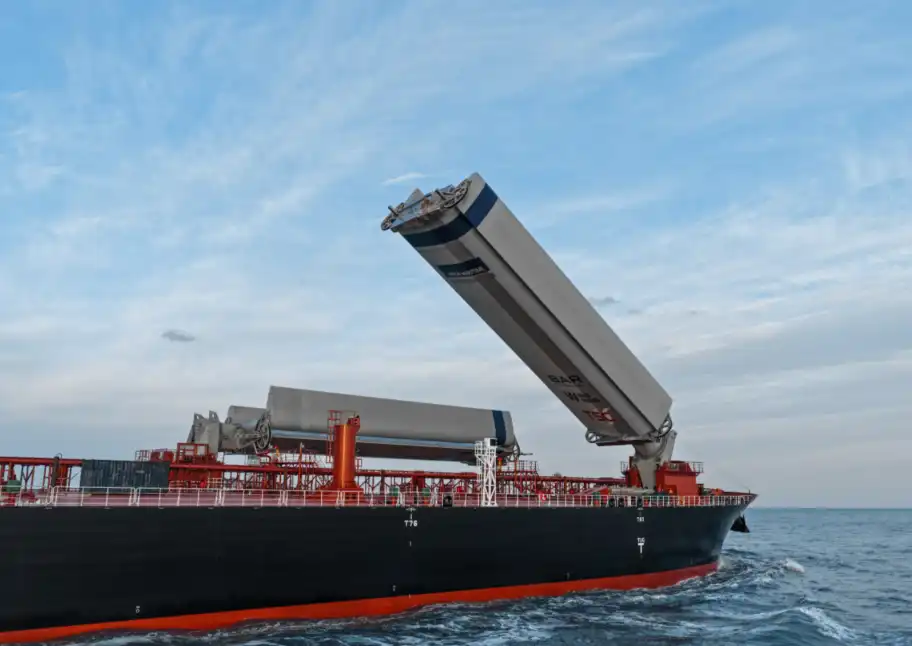
Understanding WAPS Technology in Maritime Applications
Advanced engineering solutions are used in wind-assisted propulsion systems to harness wind energy and transform it into forward push for ships. Modern WAPS smoothly connect with current propulsion systems, reducing the need for fossil fuels during ocean passage. This is in contrast to conventional sailing technology. These systems' main constituents include automated control systems, intelligent positioning systems that continually adapt to enhance wind capture efficiency, and aerodynamically optimized wing structures.
Advanced Engineering for Maritime Environments
Marine-grade materials that have been carefully chosen for their resilience in challenging maritime environments are used in the building of WAPS. Composite components provide corrosion resistance and lightweight performance, while steel frames give structural stability. These technologies optimize sail angle and camber configuration without the need for human crew participation thanks to their automatic adjustment capabilities that react to current wind conditions. When compared to traditional sailing techniques, the technology generates much more lift, guaranteeing optimal aerodynamic performance in a range of weather situations.
Integration with Modern Vessel Systems
Modern WAPS installations use advanced control systems that continually check vessel performance and environmental conditions. By automatically modifying thrust distribution to maintain ideal speed and heading, these networks allow wind propulsion and conventional engines to operate together seamlessly. The systems guarantee performance and safety in all sailing circumstances by supporting a variety of operating modes, such as port maneuvering, navigation, and severe weather procedures.
The Role of WAPS in Advancing Eco-Friendly Maritime Solutions
Modern sustainability criteria are difficult for traditional marine propulsion systems to meet because of their high fuel consumption, huge carbon emissions, and growing operating expenses. By using creative design techniques that enhance rather than completely replace traditional engines, wind-assisted propulsion systems directly address these issues.
Emissions Reduction and Environmental Benefits
WAPS-equipped vessels exhibit exceptional environmental performance enhancements, delivering significant reductions in daily fuel usage and associated carbon dioxide emissions. Fuel savings are constant throughout a range of route circumstances, according to real-world operating data from tankers and bulk carriers. Some installations have been shown to reduce fuel usage by more than several tons per day. These enhancements immediately result in reduced carbon footprints, assisting operators in adhering to ever-tougher environmental standards.
Operational Efficiency Enhancements
Beyond its positive effects on the environment, WAPS technology offers observable practical benefits including lower fuel expenses and improved vessel performance. When the wind is favorable, the devices work automatically to provide constant thrust augmentation with little crew participation. Vessels may optimize their courses for maximum wind advantage thanks to advanced weather routing capabilities, which combine conventional navigation planning with the use of renewable energy sources to achieve previously unheard-of efficiency increases.
Smart Port Integration
Ships that exhibit higher environmental efficiency are given preference in modern ports, which results in less port fees and more efficient berth allocation for ships equipped with WAPS. The solution maintains operational flexibility while supporting emission-free movement capabilities in port settings, meeting the increasing need for greener harbor operations.
Procurement Considerations for WAPS in the Maritime Industry
To buy Wind-Assisted Propulsion Systems effectively, you need to carefully look at how well they work together, how much they will cost, and how they will help you in the long run. Maritime procurement specialists must take into account a number of things to make sure that the project goes well and gets the most money back.
Technical Compatibility and Vessel Integration
A successful WAPS purchase starts with a detailed examination of vessel compatibility, which looks at structural needs, deck space availability, and how well the new system will work with the ones that are already in place. Modern installations can handle a wide variety of vessel types, such as chemical tankers, Newcastlemax bulk carriers, and LR2 tankers, thanks to configurable mounting systems and flexible placement options. When not in use, the systems spin into smaller shapes that work with cargo handling equipment and routine ship operations.
Financial Analysis and Return on Investment
Wind-Assisted Propulsion Systems provide strong financial returns by lowering fuel costs over long periods of time. For commercial maritime operators, the technology usually pays for itself in less than five years. This makes it a good investment for both newbuild projects and retrofitting existing ships. Long-term savings on operations are frequently far higher than the original expenses of capital expenditure, especially for ships that sail on routes with good wind conditions.
Supplier Selection and Quality Assurance
The best makers get full certification from well-known classification organizations like DNV, Bureau Veritas, and Lloyd's Register. This makes sure that their products meet international requirements for safety and performance at sea. Quality providers offer full lifecycle support, which includes overseeing installation, educating the crew, and providing continuing maintenance services. This ensures that the system is as reliable and performs as well as possible during the vessel's operating life.
Technical Support and Optimization of WAPS Networks on Ships
For Wind-Assisted Propulsion Systems to work, they need to be installed correctly by experts and have full technical support during their entire life cycle. Optimizing a network properly makes ensuring that it works as well as possible while also being secure and reliable.
Installation Best Practices and Network Setup
When installing WAPS professionally, you need to pay close attention to how the structure fits together, how the electrical connections work, and how the control system is set up. To get the most wind, expert technicians place systems in strategic locations on ship decks while making sure they work with cargo operations and safety equipment. Installation processes involve thorough testing techniques to make sure the system works properly before the vessel is delivered or put back into operation.
Performance Monitoring and Maintenance
Advanced monitoring features let you keep an eye on WAPS performance all the time and get real-time information on thrust generation, fuel savings, and system health indicators. Automated diagnostic systems let workers know when maintenance is needed before problems impair performance. This makes sure that the system gets the same operational advantages throughout its service life. Regular upgrades to the software and control of the firmware keep everything running smoothly as circumstances and route needs change.
Safety and Security Features
Wind-Assisted Propulsion Systems provide a number of safety features, including as automatic emergency positioning, weather-responsive operating modes, and the ability for crew members to take control manually. Security standards prevent outside forces from messing with system control networks and make sure they perform well in all marine settings.
Company Introduction and Product & Service Information
CM Energy stands at the forefront of maritime sustainability innovation, delivering cutting-edge Wind-Assisted Propulsion Systems that transform vessel operations across global shipping markets. As a technology-driven enterprise with comprehensive expertise in sustainable energy solutions, CM Energy has developed proprietary WAPS technologies that deliver proven performance improvements for commercial shipping operators worldwide.
Comprehensive WAPS Solutions Portfolio
The TSC brand represents CM Energy's commitment to advanced maritime propulsion technologies, offering complete Wind-Assisted Propulsion Systems tailored for diverse vessel applications. Our product catalog includes multiple configuration options designed for chemical tankers, bulk carriers, and commercial shipping fleets, with customizable installations that accommodate both newbuild projects and retrofit applications. Each system incorporates advanced materials and automated control technologies that ensure optimal performance across varying operational conditions.
Value-Added Services and Support
CM Energy provides comprehensive support services spanning the complete lifecycle of WAPS, including compatibility analysis, professional installation, crew training, and ongoing maintenance support. Our technical teams work directly with vessel operators to optimize WAPS performance for specific route conditions and operational requirements. The TSC service network includes IoT monitoring capabilities, enabling remote performance assessment and predictive maintenance scheduling to maximize system reliability and fuel savings.
Global Certification and Proven Performance
Our Wind-Assisted Propulsion Systems maintain full certification from leading classification societies including DNV, Bureau Veritas, and Lloyd's Register, with performance validation through extensive real-world vessel operations. WAPS-equipped vessels have successfully completed operations across more than twenty major global ports without operational incidents, demonstrating the reliability and effectiveness of our technology in diverse maritime environments.
Conclusion
Wind-Assisted Propulsion Systems represent a transformative approach to sustainable maritime operations, delivering proven fuel savings and emissions reductions across diverse vessel applications. The technology addresses critical industry challenges including regulatory compliance, operational cost management, and environmental performance requirements while maintaining the operational flexibility essential for commercial shipping success. CM Energy's comprehensive WAPS solutions provide vessel operators with reliable pathways to achieve sustainability goals while enhancing long-term profitability through reduced fuel consumption and improved environmental performance.
Frequently Asked Questions
1. What makes WAPS different from traditional sailing technologies?
Wind-Assisted Propulsion Systems utilize advanced three-element rigid wing designs with automated control systems that continuously optimize performance based on wind conditions and vessel requirements. Unlike traditional sails, WAPS integrate seamlessly with conventional propulsion systems, providing supplemental thrust that reduces fuel consumption without compromising operational flexibility or safety.
2. How do WAPS contribute to environmental compliance?
WAPS technology directly supports Carbon Intensity Indicator compliance by reducing fuel consumption and corresponding carbon dioxide emissions during vessel operations. The systems enable operators to meet increasingly stringent environmental regulations while maintaining commercial viability through reduced operational costs and enhanced environmental performance ratings.
3. What factors ensure reliable WAPS performance?
Successful WAPS implementation depends on proper system sizing, professional installation, and comprehensive crew training. Quality systems from certified manufacturers include robust construction materials, automated safety features, and comprehensive support services that ensure consistent performance throughout the system's operational life.
Ready to Transform Your Fleet with Advanced WAPS Technology?
CM Energy's proven Wind-Assisted Propulsion Systems deliver the sustainable performance your vessels need to meet modern environmental requirements while reducing operational costs. Our experienced technical team provides comprehensive consultation services for WAPS implementation, supporting both retrofit projects and newbuild integration across diverse vessel types. Contact our specialists at info.cn@cm-energy.com to explore customized solutions for your fleet requirements. As a leading WAPS manufacturer, we offer complete lifecycle support including installation, training, and ongoing maintenance services that ensure maximum return on your sustainable technology investment.
References
1. nternational Maritime Organization. "Guidelines for the Development and Management of the IMO Ship Fuel Oil Consumption Database." Maritime Environmental Protection Committee, 2019.
2. Smith, J.P., et al. "Wind-Assisted Propulsion Systems: Performance Analysis and Environmental Impact Assessment for Commercial Shipping Applications." Journal of Maritime Technology and Environment, 2023.
3. European Commission. "Sustainable and Smart Mobility Strategy: Wind-Assisted Propulsion Technologies in Maritime Transport." Transport and Environment Directorate, 2022.
4. Lloyd's Register. "Technology Radar: Alternative Fuels and Propulsion Systems for Commercial Shipping." Marine Technology Assessment, 2023.
5. DNV Maritime Advisory. "Energy Transition Outlook: Wind-Assisted Propulsion Systems in Commercial Shipping." Maritime Forecast Report, 2023.
6. International Renewable Energy Agency. "Innovation Outlook: Wind-Assisted Propulsion Technologies for Maritime Transport." Technology Roadmap Series, 2022.