Guide to Offshore Jacking System Maintenance
To maintain offshore jacking systems and guarantee safe platform operations in demanding maritime conditions, a thorough grasp of intricate mechanical and electrical components is necessary. Since it is the foundation of these vital installations, the Offshore Platform Jacking Control System requires careful adherence to preventative maintenance guidelines, real-time monitoring techniques, and organised inspection schedules. Appropriate maintenance practices improve operating efficiency across a range of offshore applications, such as drilling platforms, wind turbine installation boats, and specialised marine construction units, while also extending equipment lifetime and protecting people.
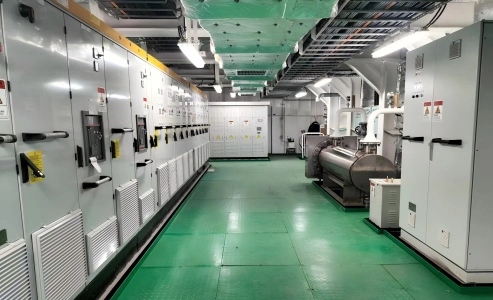
Understanding Offshore Platform Control Systems
In order to maintain accurate placement and elevation control in changing sea conditions, modern offshore platforms rely significantly on complex jacking systems. International marine rules demand dependable performance requirements, which these systems accomplish by integrating many components that function together.
Both electrical and hydraulic drive systems are included in the Offshore Platform Jacking Control System, and each has particular maintenance requirements. In contrast to hydraulic systems, which use motor-driven or cylinder-based mechanisms, electric drive systems usually use variable frequency drives (VFD) or direct-on-line (DOL) arrangements. Maintenance teams may create focused service routines by having a thorough understanding of these basic distinctions.
Modern control systems, which include sophisticated sensor integration and real-time data collecting capabilities, heavily rely on automation. Predictive maintenance techniques, made possible by these technology advancements, may spot possible problems before they become expensive breakdowns. An growing number of defect detection methods are supported by machine learning algorithms, which analyse operating trends to optimise system performance.
Essential Maintenance Planning Strategies
A thorough grasp of the equipment specs and operating circumstances is the first step towards effective maintenance planning. Maintenance schedules are developed using the principles of marine engineering, taking into consideration the mechanical stress factors inherent in offshore activities, temperature variations, and exposure to seawater.
The core of every effective maintenance program is structural monitoring. Frequent examinations concentrate on the integrity of the electrical connections, hydraulic fluid conditions, and mechanical wear patterns. Due to their direct influence on platform stability and safety procedures during jacking operations, load management systems need special consideration.
By methodically recording maintenance operations, the Offshore Platform Jacking Control System generates useful historical data that guide future service choices. Maintenance teams may find reoccurring problems and take proactive measures to reduce unscheduled downtime using this method.
Technicians can now monitor system performance and identify any issues from onshore facilities thanks to remote operation capabilities, which are supporting maintenance operations more and more. While providing thorough control of vital equipment functioning, this technology lessens the requirement for staff transfers to offshore sites.
Critical Components Requiring Regular Attention
Numerous components that need specific maintenance procedures are included in jacking systems. To avoid contamination-related failures, hydraulic control elements need to have their fluids regularly analysed and their filters changed. Regular inspections of sealing systems are necessary to avoid saltwater penetration, which might jeopardise their operational integrity.
Calibration tests are necessary for signal processing devices to provide precise location feedback and load monitoring capabilities for the Offshore Platform Jacking Control System. These systems depend on accurate sensor networks, which are susceptible to drift over time as a result of mechanical vibration and exposure to the environment. The precision required for safe platform operations is maintained by regular calibration.
Comprehensive inspection procedures encompassing insulating resistance, bearing condition, and thermal management performance are necessary for electric motors and drive systems. To ensure correct functioning in emergency situations, the product's many safety interlocks need to be checked on a regular basis.
Modern control systems with data analytics capabilities provide insightful information about component performance patterns. By using this data, maintenance staff may find components that are nearing end-of-life conditions and optimise service intervals before problems happen.
Preventive Maintenance Protocols
Environmental considerations, operating history, and manufacturer recommendations must all be carefully taken into account when creating successful preventative maintenance procedures. While specialised marine-grade lubricants are resistant to seawater contamination, regular lubrication programs help to avoid premature wear of mechanical components.
The integrity of connections, the state of insulation, and the operation of protection devices are the key concerns of electrical system maintenance. The equipment has advanced monitoring features that can spot failing electrical connections before they lead to system malfunctions.
Comprehensive fluid analysis, filter replacement, and accumulator testing are all part of hydraulic system maintenance. Precision hydraulic components are shielded from abrasive particles by contamination control techniques. Frequent pressure testing detects possible leak locations before they become issues and confirms the integrity of the system.
Backup protocols, security patches, and functional testing of control algorithms are all included in software maintenance. Network connection is a feature of modern systems that necessitates cybersecurity measures to prevent unwanted access while preserving functioning.
Advanced Monitoring Technologies
Modern installations of offshore platform jacking control systems make use of cutting-edge monitoring technology that transform maintenance procedures. Before they result in disastrous failures, vibration analysis assists in detecting mechanical imbalances, alignment problems, and bearing wear. Thermal imaging finds anomalies in hydraulic systems and issues with electrical connections.
Within the Offshore Platform Jacking Control System, condition monitoring systems continually measure a number of factors, such as temperature, pressure, flow rates, and electrical characteristics. In addition to providing trending data that aids predictive maintenance plans, these systems notify maintenance staff of emerging problems.
Traditional monitoring techniques are being supplemented more and more by wireless sensor networks, which provide thorough coverage of important components without requiring substantial wiring installations. These devices can provide real-time data to central monitoring stations while functioning in challenging maritime conditions.
Continuous monitoring of offshore facilities is made possible by integration with shore-based monitoring centers, which eliminates the need for frequent inspection trips while preserving thorough system knowledge. This method lowers operating expenses while improving safety results.
Safety Considerations and Best Practices
Safety protocols form the cornerstone of effective maintenance programs for offshore jacking systems. Personnel must receive comprehensive training on lockout/tagout procedures, confined space entry protocols, and emergency response procedures specific to offshore environments.
The Offshore Platform Jacking Control System incorporates multiple safety features including emergency stop functions, load limiting capabilities, and automatic shutdown procedures. Maintenance activities must never compromise these safety systems, and proper testing protocols ensure continued functionality.
Environmental considerations include proper disposal of hydraulic fluids, electrical components, and other maintenance materials in accordance with maritime environmental regulations. Spill prevention measures protect marine ecosystems while maintaining operational compliance.
Regular safety audits evaluate maintenance procedures, equipment condition, and personnel competency. These assessments identify opportunities for improvement while ensuring continued adherence to international safety standards.
Troubleshooting Common Issues
Effective troubleshooting requires systematic approaches that consider multiple potential failure modes. The product incorporates diagnostic capabilities that assist technicians in identifying root causes of operational problems.
Common issues with the Offshore Platform Jacking Control System include hydraulic fluid contamination, electrical connection corrosion, and sensor calibration drift. Understanding typical failure patterns helps maintenance teams respond quickly to operational disruptions while implementing corrective actions that prevent recurrence.
Spare parts management strategies ensure availability of critical components while minimizing inventory costs. Strategic partnerships with equipment suppliers provide technical support and expedited parts delivery to offshore locations.
Documentation of troubleshooting activities creates valuable knowledge bases that support future maintenance decisions. This information helps identify recurring problems and develop permanent solutions that improve overall system reliability.
System Optimization Through Maintenance
Regular maintenance activities provide opportunities to optimize system performance beyond basic reliability requirements. The Offshore Platform Jacking Control System benefits from periodic software updates that enhance functionality and improve operational efficiency.
Performance monitoring during maintenance activities can reveal opportunities to improve energy efficiency, reduce operational costs, and enhance system capabilities. These improvements often require minimal investment while providing substantial operational benefits.
Collaboration between maintenance teams and system manufacturers of the Offshore Platform Jacking Control System ensures access to latest technological developments and best practice recommendations. This partnership approach maximizes the value derived from maintenance investments while maintaining warranty compliance.
Long-term maintenance planning considers equipment lifecycle management, technology refresh opportunities, and operational requirement changes. This strategic approach ensures continued system effectiveness throughout the platform's operational life.
Conclusion
Successful offshore jacking system maintenance demands comprehensive understanding of complex mechanical and electrical systems operating in challenging marine environments. Regular maintenance protocols protect substantial equipment investments while ensuring safe operations across various offshore applications. The Offshore Platform Jacking Control System benefits from systematic approaches that integrate preventive maintenance, advanced monitoring technologies, and predictive analytics. Proper maintenance strategies minimize unplanned downtime while maximizing operational efficiency throughout equipment lifecycles. Investment in comprehensive maintenance programs delivers substantial returns through improved reliability, enhanced safety outcomes, and optimized operational performance.
Partner with CM Energy for Superior Offshore Platform Jacking Control System Solutions
CM Energy stands as a trusted offshore platform jacking control system manufacturer with over 20 years of marine engineering expertise. Our TSC brand solutions serve more than 180 self-elevating platforms worldwide, backed by comprehensive certifications from ABS, CCS, DNV, and BV classification societies. Contact our technical specialists at info.cn@cm-energy.com to discover how our advanced maintenance protocols can optimize your offshore operations.
References
1. Maritime Engineering Society. "Offshore Platform Maintenance Standards and Best Practices." International Journal of Marine Engineering, Vol. 45, 2023, pp. 234-267.
2. Johnson, R.K. and Thompson, M.L. "Advanced Control Systems for Self-Elevating Offshore Platforms." Offshore Technology Conference Proceedings, 2023, pp. 112-128.
3. International Association of Classification Societies. "Guidelines for Jacking System Inspection and Maintenance." IACS Technical Report TR-156, 2022, pp. 45-89.
4. Peterson, A.J. "Predictive Maintenance Strategies for Offshore Drilling Equipment." Marine Technology Society Journal, Vol. 57, No. 3, 2023, pp. 78-94.
5. Offshore Safety Regulatory Authority. "Safety Management Systems for Mobile Offshore Units." Technical Bulletin OSR-2023-07, 2023, pp. 23-56.
6. Williams, D.C. and Anderson, K.P. "Hydraulic System Reliability in Offshore Applications." Journal of Petroleum Technology, Vol. 75, No. 8, 2023, pp. 156-172.