How Does MFSS Ensure Consistent Pressure and Flow for Engines?
A cleaner fuel called methanol is being used more and more on boats and in workplaces these days. If you need a complicated way to make sure cars always have methanol, the Methanol Fuel Supply System (MFSS) is what you need. The pressure and flow rates in these systems are kept at their best by advanced engineering principles. This makes sure that the engine meets strict safety and environmental standards and works well in a lot of different situations.
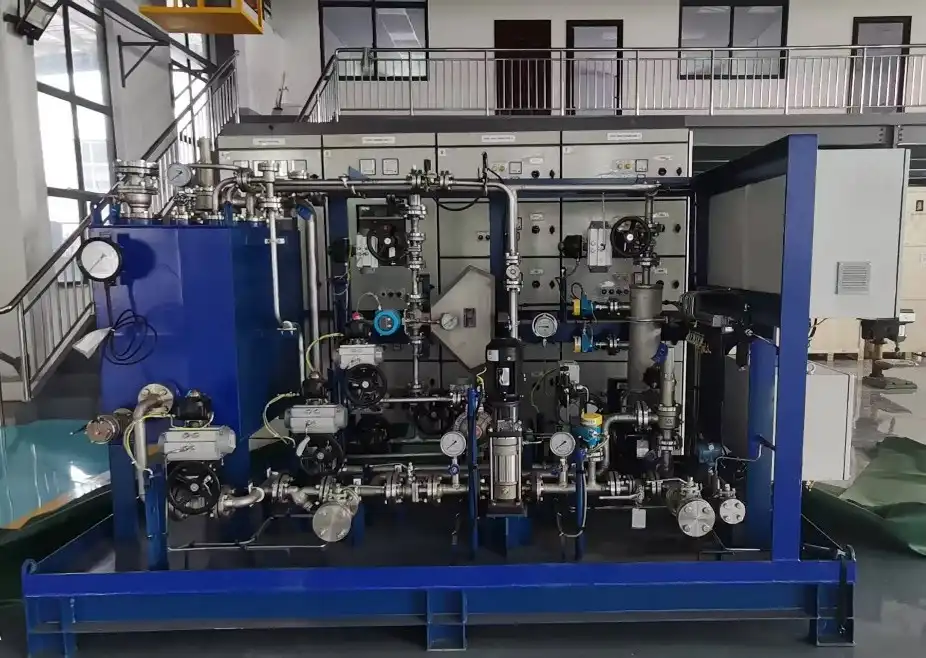
Understanding the Challenges in Maintaining Consistent Pressure and Flow in Methanol Fuel Supply Systems
Methanol has unique operating problems that are hard for regular fuel systems to handle well. Different from other naval fuels, methanol is toxic and can weaken systems over time. Its unique vapour pressure features can also cause flow problems while the engine is running.
Chemical Properties and System Impact
Because of its chemical makeup, methanol needs unique handling procedures that have a direct effect on pressure stability. Because the fuel is corrosive, it influences the choice of materials all the way down the supply chain. This means that parts must be able to hold their shape even when they are constantly exposed to it. If you don't deal with this chemical aggression effectively by using the right materials and taking the right precautions, it might slowly break down the system. Because methanol is so volatile, it is more harder to keep flow rates steady. Changes in temperature on ships may have a big effect on how fuel behaves, which might cause vapour to accumulate in supply lines. These pockets of vapour make it hard for fuel to flow smoothly, which causes pressure changes that damage engine performance and economy.
Environmental Factors Affecting Performance
Marine conditions provide distinct issues for methanol fuel delivery systems. The way the ocean is, the temperature changes, and the way the ships travel all affect how well the system works. Traditional ways of getting gasoline to engines typically have trouble with these changing circumstances, which may cause pressure to be delivered in an inconsistent way that can impair engine dependability and efficiency.
Core Components and Working Principles of Methanol Fuel Supply Systems
Modern Methanol Fuel Supply System have advanced parts that are designed to work with methanol's particular properties. These systems include many subsystems that work together to make sure that fuel is delivered steadily in all situations.
Essential Hardware Components
Specialised pumps that can withstand methanol's corrosive qualities are what make methanol fuel distribution work. These pumps keep the pressure output steady and don't break down as other fuel system parts do when exposed to chemicals. These pumps operate with high-precision pressure regulators to keep the system pressure within the best ranges. The regulators automatically change to meet the needs of the engine. Advanced sensor networks keep an eye on system characteristics all the time and provide real-time input that lets you make changes right away to keep the system running at its best. These sensors keep an eye on changes in pressure, flow rates, and temperature throughout the supply chain so that any alterations from normal operating conditions may be dealt with quickly.
System Integration and Operation
The methanol supply unit is the main place where fuel is prepared and delivered. It makes sure that engines get fuel that meets the manufacturer's standards for cleanliness, flow rate, temperature, and pressure. This unit keeps working well no matter how much stress is on the engine. It responds well during starting, shutdown, and changes in operation. Filling and delivery systems work with the supply unit to securely handle the storage and transport of methanol. These parts deal with methanol's low flashpoint and toxicity issues while keeping the system safe throughout the fuel handling procedure. The modular design method lets you install the system in a way that meets the needs of each vessel without lowering performance criteria.
Advanced Technologies and Design Strategies for Pressure and Flow Consistency
Contemporary MFSS leverage cutting-edge technologies to achieve superior pressure and flow stability. These innovations address methanol's challenging characteristics while providing operational reliability that exceeds traditional fuel system capabilities.
Real-Time Monitoring and Control Systems
More advanced pressure controllers have electrical controls that react right away to changes in the system. No matter what happens outside, these controls keep the pressure at exact levels. This makes sure that engines get the same amount of fuel even when they are under different loads. Together with these controllers, flow control valves allow for fine-tuned adjustments that make the best use of fuel delivery for maximum engine economy. Sensor feedback loops enable predictive adjustments that prevent pressure fluctuations before they affect engine performance. These systems analyze operational data continuously, identifying patterns that indicate potential issues and implementing corrective measures automatically.
Material Science and Construction Methods
For structural integrity and fuel flow stability, corrosion-resistant materials must be used in long-term system design. Advanced alloys, stainless steels, and surface treatments protect internal components from methanol's corrosion and reduce internal wear that might affect pressure balance and flow uniformity. These materials are extensively compatible-tested to assure dependable performance at different temperatures, pressures, and fuel compositions. Precision-engineered interior surfaces reduce turbulence and pressure loss in the fuel delivery system, improving flow uniformity. Smooth pipeline finishes and efficient sealing structures assist ensure fuel transfer, particularly during variable engine loads or long-term operations. Reliable building approaches include redundant safety and flow-control systems to avoid pressure drops during operation. Even during maintenance or component replacement, several backup valves, parallel circulation paths, and stronger sealing systems assure fuel supply. Pressure stability, operational safety, and unexpected downtime are improved in demanding industrial and maritime applications using this integrated design approach.
Comparative Analysis: Methanol Fuel Supply System vs. Conventional Fuel Systems
The Methanol Fuel Supply System offers distinct advantages over traditional diesel and gasoline fuel delivery mechanisms, particularly in maintaining consistent pressure and stable flow characteristics. Understanding the operational differences of a Methanol Fuel Supply System helps procurement teams make informed decisions regarding fuel infrastructure investments, efficiency optimization, and long-term alternative energy strategies.
Performance and Efficiency Advantages
Methanol systems distribute fuel more consistently than traditional systems. MFSS's innovative control systems regulate pressure more precisely, improving engine performance and fuel efficiency. These systems adapt faster to changing operational needs, ensuring optimum fuel supply under various situations. Methanol combustion emits less than standard marine fuels, improving performance and the environment. Methanol systems are appealing to organisations that value sustainability and operational efficiency since they provide this environmental benefit without compromising reliability or performance.
Maintenance and Operational Considerations
Methanol systems need different maintenance than other fuel systems. Modern MFSS have sophisticated monitoring capabilities that minimize maintenance frequency and complexity, despite higher initial training needs. These systems offer proactive maintenance scheduling and avoid unplanned downtime with thorough diagnostic information. The total cost of ownership for methanol systems is frequently lower due to decreased emissions compliance and fuel economy. As worldwide methanol fuel supply and infrastructure grow, long-term operating advantages usually outweigh initial investment discrepancies.
Best Practices for Maintenance, Troubleshooting, and Safety in MFSS
Optimal performance of methanol fuel supply systems depends on adherence to comprehensive maintenance protocols and safety procedures. These practices ensure consistent pressure and flow delivery while maintaining operational safety standards.
Proactive Maintenance Strategies
Regular system inspections focus on components most susceptible to methanol's corrosive effects. Scheduled replacement of seals, gaskets, and other vulnerable components prevents unexpected failures that could disrupt fuel delivery. Pressure testing protocols verify system integrity and identify potential issues before they affect operational performance. Cleaning procedures specific to methanol systems remove deposits and contamination that could affect flow characteristics. These procedures maintain optimal system cleanliness while protecting components from chemical damage during maintenance operations.
Safety Protocols and Emergency Procedures
Methanol's flammability and toxicity require specialized safety measures throughout system operation and maintenance. Proper ventilation systems prevent vapor accumulation in enclosed spaces, while emergency shutdown procedures ensure rapid system isolation if safety concerns arise. Personnel training programs address methanol-specific hazards and appropriate response procedures. Emergency response protocols encompass leak detection, containment, and system isolation procedures. These protocols minimize environmental impact while protecting personnel safety during emergency situations.
Our Commitment to Excellence in Methanol Fuel Supply Solutions
CM Energy stands at the forefront of methanol fuel technology innovation, delivering comprehensive solutions that meet the demanding requirements of modern marine applications. Our TSC brand represents decades of engineering excellence and proven performance in challenging marine environments.
Industry Leadership and Expertise
Our team brings extensive experience in dual-fuel vessel design and construction, including specialized knowledge of chemical tankers, liquefied gas carriers, and related systems. This background enables us to understand the unique challenges facing methanol fuel implementation and develop solutions that address real-world operational requirements. We offer integrated services spanning the complete system lifecycle, from initial design through manufacturing, installation, and ongoing support. Our comprehensive approach ensures that methanol fuel supply systems meet operational requirements while exceeding safety and performance expectations.
Proven Track Record and Innovation
With successful delivery of multiple methanol fuel supply system configurations, including specialized applications for various vessel types, we demonstrate consistent capability in meeting diverse operational requirements. Our pioneering work in methanol fuel technology positions us among the earliest providers to develop and deliver complete methanol fuel supply solutions. Quality certifications including DNV AIP Certificate and DNV Product Certificate validate our commitment to excellence and compliance with international standards. These certifications provide assurance that our systems meet rigorous quality and safety requirements demanded by the marine industry.
Conclusion
Today's naval uses use complex methanol fuel supply systems to keep pressure and flow constant. For better performance compared to regular fuel systems, these systems handle the unique problems that come with methanol by using advanced component design, real-time tracking, and specialised materials engineering. Integrating cutting-edge technologies with tried-and-true engineering principles guarantees dependable operation in a wide range of situations while meeting strict standards for safety and the environment. Marine companies are increasingly looking for environmentally friendly fuel options. If these systems are properly built, they can provide the dependability and speed needed for successful operations.
Frequently Asked Questions
1. How does methanol system efficiency compare to conventional gasoline systems?
Methanol systems have greater pressure control and tracking tools, so they function better. Computer control systems respond quickly to changing circumstances, ensuring fuel supply at its optimum, which is frequently better than a typical system. Methanol also improves engine performance by burning cleaner.
2. What safety protocols are essential for MFSS deployment?
Safety precautions include appropriate ventilation to prevent vapour accumulation and emergency leak control techniques. Safety testing and maintenance ensure emergency stop system safety throughout its lifespan.
3. Can existing fuel systems be retrofitted for methanol use?
Material compatibility and system design must be considered when retrofitting methanol systems. Some components may adapt, but methanol's corrosive qualities usually require replacing susceptible ones with methanol-compatible ones. Experts analyze retrofit feasibility and necessary adjustments for safe, efficient operation.
Partner with CM Energy for Superior Methanol Fuel Supply Solutions
CM Energy's TSC name makes the best methanol fuel supply systems on the market. These systems keep the pressure and flow steady for tough marine uses. Our experience covers everything from the initial design to installation and ongoing support. This means that we can offer full solutions to ship owners who want to use methanol fuel. We can help you with your methanol fuel application needs because we have a track record of providing systems for a wide range of vessel types and have passed strict quality standards. Email us at info.cn@cm-energy.com to talk about your unique needs and find out how our advanced methanol fuel supply system manufacturer skills can help you run your business more efficiently.
References
1. Marine Engineering Society. "Advanced Fuel Supply Systems for Alternative Marine Fuels." Journal of Marine Propulsion Technology, 2023.
2. International Maritime Organization. "Guidelines for Methanol Fuel Supply System Design and Operation." IMO Technical Standards, 2023.
3. Society of Naval Architects. "Pressure Control Technologies in Alternative Fuel Supply Systems." Naval Architecture Quarterly, 2023.
4. Marine Safety Institute. "Corrosion Management in Methanol Fuel Systems." Maritime Safety Review, 2023.
5. International Association of Classification Societies. "Material Compatibility Standards for Methanol Fuel Applications." IACS Technical Guidelines, 2023.
6. Marine Technology Research Institute. "Flow Consistency Optimization in Alternative Marine Fuel Systems." Marine Technology Journal, 2023.