The offshore oil and gas industry faces mounting pressure to reduce emissions while maintaining operational efficiency. Marine Hybrid Power System technology represents the most viable solution for platforms seeking to balance environmental responsibility with economic performance. These advanced systems combine traditional diesel generators with renewable energy sources, battery storage, and intelligent energy management to deliver superior fuel efficiency, reduced emissions, and enhanced operational reliability for offshore drilling operations worldwide.
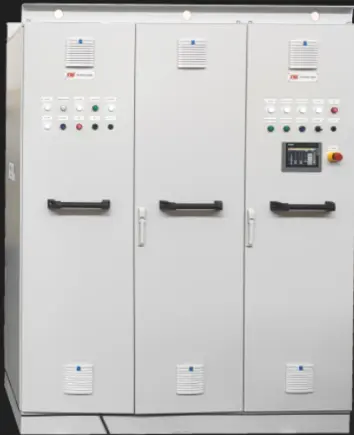
Why Offshore Oil Rigs Need Advanced Power Solutions?
The seaward penetrating industry works in one of the most challenging situations on Soil. Stages require ceaseless, dependable control for basic operations, including penetrating gear, security frameworks, and group housing. Conventional diesel-only control frameworks expend gigantic amounts of fuel and create considerable emissions, raising both environmental and financial concerns.
Modern seaward operations request control arrangements that can adjust to shifting stack requirements while keeping up strict security measures. The inaccessible nature of seaward stages makes fuel conveyance costly and strategically complex. Controlling blackouts can result in disastrous gear disappointment and security dangers. These challenges drive the require for more advanced vitality systems.
Hybrid control innovation addresses these concerns by joining numerous energy sources into a bound-together framework. This approach decreases fuel utilization by up to 30%, minimizes emissions, and gives repetitive control pathways for upgraded security. The innovation moreover, empowers prescient support capabilities that avoid expensive downtime.
Environmental controls proceed fixing over worldwide oceanic purviews. The Universal Oceanic Organization has executed progressively strict outflow guidelines that conventional control frameworks battle to meet. Cross breed arrangements give a clear pathway to compliance whereas keeping up operational excellence.
Selection Criteria for Marine Hybrid Power Systems
Choosing the right hybrid power solution requires careful evaluation of multiple factors specific to offshore operations. The performance and suitability of a Marine Hybrid Power System depend on several key pillars.
Performance and Reliability
Performance reliability is critical offshore. Systems like the Marine Hybrid Power System must have a proven marine track record with robust fault tolerance to prevent severe consequences from power failures.
Integration and Compatibility
Integration capability determines effectiveness. The best solutions, including advanced Marine Hybrid Power Systems, seamlessly work with existing infrastructure, minimizing modifications while ensuring compatibility with controls and safety protocols.
Certification and Maintenance
Certification from societies like DNV GL ensures standards are met. Furthermore, maintenance accessibility through remote monitoring and modular design in a Marine Hybrid Power System is vital for controlling long-term costs and ensuring availability.
CM Energy TSC Integrated Marine Hybrid Power System
CM Energy's TSC brand conveys comprehensive cross breed control arrangements particularly built for seaward boring applications.
Key Components and Capabilities:
- Generator set control systems with advanced load management
- Intelligent Power Management System (PMS) for seamless operation
- Energy storage systems with configurable battery capacity
- Shaft generator integration for propulsion-linked power generation
- Isolation transformers and frequency conversion devices
- Bow thruster drive systems for dynamic positioning
The TSC arrangement exceeds expectations in top shaving and valley filling operations, naturally optimizing control era based on real-time request. The coordinates Battery Administration Framework (BMS) persistently screens voltage, capacity, and release parameters whereas communicating with the central PMS for facilitated operation.
This framework works viably in parallel with existing diesel generators, giving consistent moves between control sources. The islanding capability guarantees persistent operation indeed when essential generators require upkeep. Shore control integration empowers battery charging amid harbour operations, diminishing fuel utilization amid travel periods.
Multiple classification society certifications approve the system's unwavering quality and security execution. The measured plan encourages establishment and support in the kept seaward spaces. Real-time checking capabilities empower prescient support planning that minimizes operational disruptions.
CM Energy's worldwide benefit organization gives comprehensive commissioning, review, and continuous back services. The company's 159 authorized licenses, counting 10 development licenses, illustrate proceeded development in marine control innovation. TSC frameworks have demonstrated unwavering quality in requesting seaward situations worldwide.
Advanced Battery Storage Integration
Modern offshore platforms benefit significantly from sophisticated battery storage systems that complement traditional power generation. These systems provide an instantaneous response to load fluctuations while reducing generator cycling and fuel consumption. Advanced lithium-ion technologies offer superior energy density and cycle life compared to traditional lead-acid alternatives.
Battery System Advantages:
- Rapid response to sudden load changes
- Silent operation for noise-sensitive areas
- Zero emissions during discharge cycles
- Extended generator maintenance intervals
- Emergency backup power capabilities
- Grid stabilization functions
Smart battery management systems optimize charging, discharging, and temperature control, ensuring longevity and safety in harsh marine environments. Modular, hot-swappable batteries enable scalable capacity, while energy harvesting and load balancing maximize efficiency. Remote monitoring provides real-time updates and predictive maintenance alerts.
Intelligent Energy Management Systems
Sophisticated energy management platforms form the backbone of effective hybrid power solutions. These systems continuously analyze power demand patterns, equipment status, and environmental conditions to optimize energy generation and distribution. Machine learning algorithms improve performance over time by identifying operational patterns and efficiency opportunities.
Core Management System Features
Key features of a Marine Hybrid Power System include real-time load forecasting, automated generator control, and power quality monitoring. The platform also tracks fuel consumption, emissions, and equipment health. These integrated capabilities ensure reliable and efficient power distribution across all operational conditions.
Operational Coordination and Analytics
Advanced algorithms coordinate multiple power sources to maintain optimal efficiency. The system dynamically adjusts generator output and battery usage based on real-time demand. Furthermore, predictive analytics identify potential equipment issues proactively, preventing operational disruptions before they occur.
System Visibility and Security
User interfaces provide comprehensive control via customizable dashboards displaying performance metrics and alarms. Historical data analysis supports planning and improvements. Crucially, robust cybersecurity features, including encryption and multi-factor authentication, protect the Marine Hybrid Power System from unauthorized access in vulnerable offshore environments.
Global Market Characteristics and Regulations
The global offshore oil and gas industry operates under increasingly stringent environmental regulations that drive adoption of cleaner power technologies. The European Union's maritime emission standards set aggressive targets for pollution reduction, while similar regulations emerge in Asia-Pacific and North American markets.
Regional preferences vary significantly based on local environmental priorities and regulatory frameworks. European operators prioritize emission reduction and renewable energy integration, while Asian markets emphasize efficiency and operational reliability. North American platforms focus on safety compliance and cost optimization.
Technology adoption rates differ across regions due to varying regulatory timelines and economic conditions. Mature offshore markets demonstrate higher hybrid system penetration, while emerging markets gradually transition from traditional power solutions. Government incentives and carbon pricing mechanisms influence adoption decisions in many jurisdictions.
Cultural factors impact technology acceptance and implementation approaches. Western markets emphasize automation and remote monitoring capabilities, while other regions prioritize local technical support and maintenance accessibility. Understanding these preferences ensures successful technology deployment and long-term customer satisfaction.
Supply chain considerations affect system availability and cost structures across different markets. Regional manufacturing capabilities, import regulations, and service network coverage influence competitive positioning. Local partnerships often prove essential for market penetration and ongoing customer support.
Purchasing Recommendations and Considerations
Successful hybrid power system implementation requires careful planning and evaluation of platform-specific requirements. Conduct comprehensive energy audits to understand current consumption patterns and identify optimization opportunities. This analysis provides the foundation for system sizing and configuration decisions.
Engage with experienced Marine Hybrid Power System suppliers early in the planning process. Their expertise helps navigate technical complexities and regulatory requirements while optimizing system design for specific operational needs. Request detailed proposals that include performance guarantees and long-term support commitments.
Consider total cost of ownership rather than initial purchase price alone. Hybrid systems typically require higher upfront investment but deliver significant operational savings through reduced fuel consumption and maintenance requirements. Factor in fuel price volatility and potential carbon tax implications when evaluating economics.
Plan for comprehensive crew training on new system operation and maintenance procedures. Hybrid technology introduces new operational considerations that require updated protocols and procedures. Invest in training programs that ensure safe and efficient system operation.
Establish clear performance metrics and monitoring protocols to track system effectiveness over time. Regular performance reviews identify optimization opportunities and validate expected benefits. Document lessons learned to inform future projects and system improvements.
Industry Trends and Summary
The seaward vitality industry proceeds advancing toward feasible control arrangements as natural directions fix and operational costs rise. Crossover control innovation speaks to the most commonsense way forward, advertising quick benefits while supporting long-term sustainability objectives. Progressed vitality administration frameworks and battery capacity capabilities empower phenomenal productivity and unwavering quality changes. As innovation costs proceed declining and execution makes strides, crossbreed appropriation will accelerate over worldwide offshore operations, making early execution a competitive advantage.
Frequently Asked Questions
Q1: How much fuel savings can offshore platforms expect from hybrid power systems?
A: Well-designed marine hybrid power systems typically achieve 20-30% fuel consumption reduction compared to traditional diesel-only systems. Actual savings depend on operational patterns, system configuration, and platform power requirements. Peak shaving and load optimization contribute significantly to these efficiency gains.
Q2: What maintenance requirements do hybrid power systems have compared to conventional systems?
A: Cross-breed frameworks by and large require less maintenance due to diminished generator working hours and progressed monitoring capabilities. Battery frameworks require intermittent capacity testing and inevitable substitution, but prescient upkeep calculations offer assistance optimize benefit interims. Generally, upkeep costs regularly diminish due to decreased motor wear and improved framework reliability.
Q3: Can existing offshore platforms retrofit hybrid power technology?
A: Most seaward stages can suit crossbreed control retrofits with appropriate designing and arranging. Measured framework plans minimize alteration necessities while maximizing execution enhancements. Space imperatives and electrical framework compatibility require cautious assessment amid the plan stage to ensure effective integration.
Partner with CM Energy for Advanced Marine Hybrid Solutions
CM Energy leads in marine hybrid power systems, delivering reliable TSC solutions for offshore applications. With extensive global deployments, we provide customized design, manufacturing excellence, and comprehensive support for long-term operational success. As a leading marine hybrid power system supplier, we understand the unique challenges facing offshore operators and develop solutions that address specific operational requirements. Our continued investment in research and development ensures our customers benefit from the latest technological advances and industry best practices.
Ready to transform your offshore power systems? Contact us at info.cn@cm-energy.com to discuss your specific requirements and discover how our proven hybrid solutions can enhance your operational efficiency while reducing environmental impact.
References
1. International Maritime Organization. (2023). Marine Environmental Protection Committee Guidelines for Offshore Emission Reduction Technologies.
2. Offshore Energy Association. (2024). Global Survey of Hybrid Power Implementation in Offshore Oil and Gas Operations.
3. Maritime Power Systems Institute. (2023). Comparative Analysis of Energy Storage Technologies for Marine Applications.
4. World Energy Council. (2024). Offshore Platform Electrification: Trends and Technologies Report.
5. DNV GL Maritime. (2023). Classification Requirements for Hybrid Propulsion and Power Systems in Offshore Applications.
6. Offshore Technology Research Center. (2024). Economic Assessment of Hybrid Power Systems in Deep Water Drilling Operations.
