Maximizing vessel efficiency while meeting stringent environmental regulations has become paramount for modern maritime operations. An advanced LNG Fuel Supply System transforms your rig's performance by delivering clean-burning natural gas precisely when needed, reducing emissions up to 20% compared to traditional marine fuels. These sophisticated systems integrate seamlessly with existing vessel infrastructure, providing reliable fuel delivery through carefully engineered cryogenic storage and conditioning equipment that maintains optimal performance across diverse operating conditions.
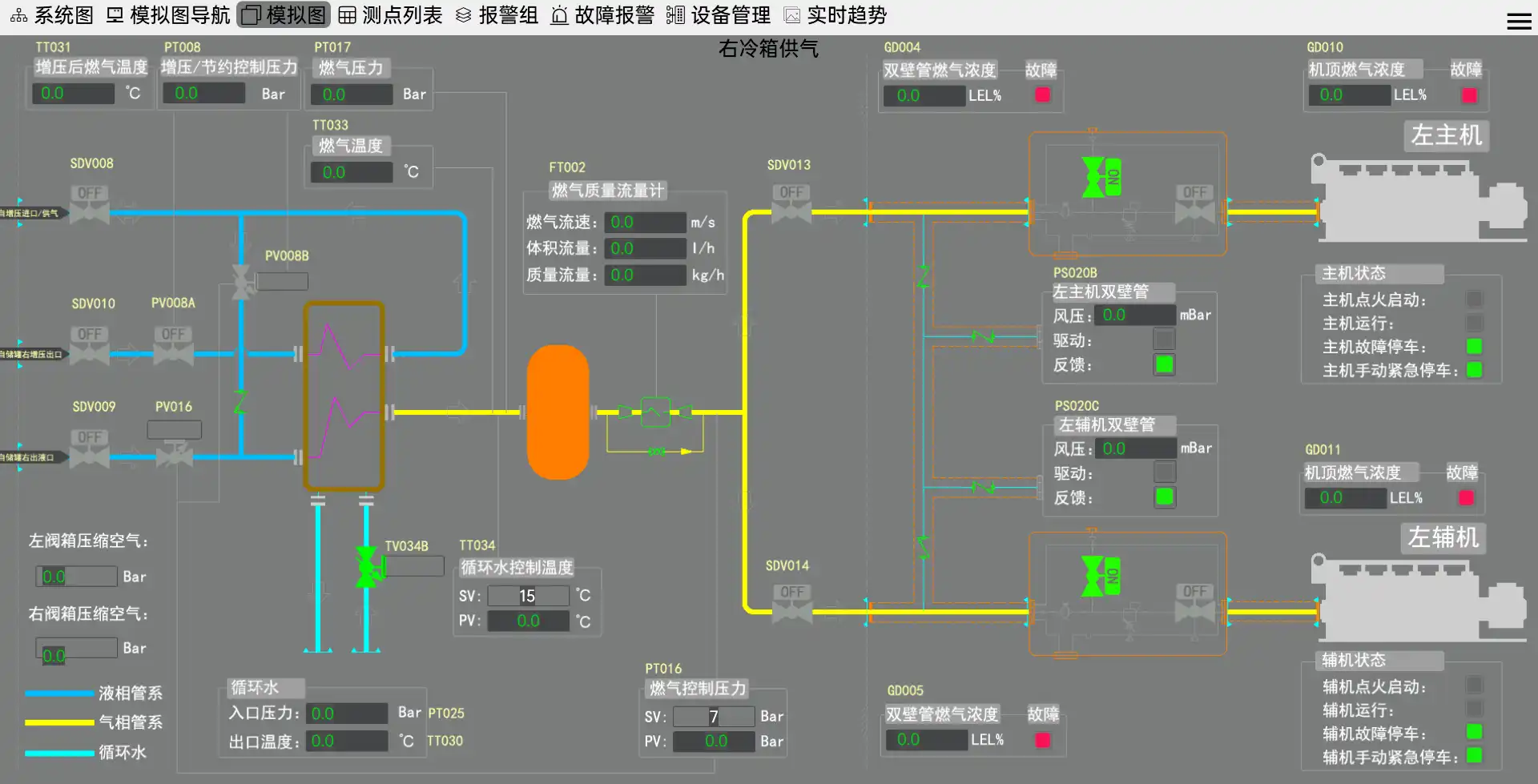
Understanding Modern Fuel Gas Supply Solutions
Maritime administrators confront mounting pressure to decrease their natural impression while keeping up operational brilliance. The move toward cleaner fuel choices has quickened, with melted common gas rising as a driving force for vessel administrators looking for prompt emission reductions.
Advanced fuel gas conditioning frameworks convey characteristic gas at exact temperatures and pressures required by modern dual-fuel motors. These frameworks consolidate modern vaporizer innovation that converts cryogenic LNG into vaporous fuel reasonable for combustion. Temperature sensors persistently screen framework execution, guaranteeing ideal fuel conveyance beneath changing ocean conditions.
Cryogenic tanks store LNG at greatly moo temperatures, regularly around -162°C, requiring specialized cover and handling hardware. Legitimate fuel gas radiator integration guarantees reliable fuel temperature conveyance to motors, anticipating execution variances that might affect vessel operations. Advanced frameworks join repetitive security features including crisis shutdown capabilities and comprehensive gas location networks.
Key Components Driving Operational Excellence
Core Compression and Regulation
An effective LNG Fuel Supply System relies on precisely engineered components working in harmony to deliver consistent performance. Central to this are fuel gas compressors, which maintain required pressure levels throughout the distribution network, and pressure control valves that regulate flow rates based on engine demand. Complementing these, flow meters provide critical real-time consumption data. This integrated setup enables operators to optimize fuel usage, predict refueling requirements accurately, and ensure the entire pressure management chain operates within strict efficiency and safety parameters.
Vapor Management and Filtration
This stage addresses fuel conditioning and misfortune anticipation. Boil-off gas administration frameworks are essential for capturing naturally occurring vapor from cryogenic capacity, which avoids squander while keeping tank pressure within safe working limits. These frameworks frequently consolidate gas combustion units that convert overabundance vapor into valuable energy, in this manner improving generally system efficiency. Concurrently, fuel filtration hardware expels strong and fluid contaminants that seem to harm sensitive downstream components. Progressed multi-stage filtration frameworks are essential for ensuring the fuel quality meets exacting producer details some time recently injection.
Delivery and System Control
The last organize includes exact fuel conveyance and overarching framework administration. Fuel infusion frameworks get the conditioned fuel and convey absolutely metered amounts to combustion chambers, which is principal for optimizing motor execution and minimizing outflows. In general organization is given by centralized control boards, which empower administrators to screen execution measurements, alter framework parameters, and react quickly to changing requests. Furthermore, remote monitoring capabilities allow shore-based support teams to provide real-time assistance and facilitate predictive maintenance scheduling, ensuring the LNG Fuel Supply System operates reliably and efficiently.
Safety Systems and Operational Reliability
Continuous Gas Monitoring and Leak Detection
Safety considerations drive every aspect of modern fuel supply system design, such as in an LNG Fuel Supply System. Gas detection systems continuously monitor for potential leaks, automatically triggering emergency shutdown protocols when necessary. These systems incorporate multiple detection points throughout the vessel, ensuring comprehensive coverage of all potential risk areas. This layered monitoring approach is critical for identifying even minor leaks early, allowing for immediate corrective action to prevent hazardous gas accumulation and maintain a safe operational environment.
Pressure Management and Emergency Shutdown
Integrated safety mechanisms are vital for controlling system parameters. Safety relief valves prevent dangerous pressure buildup within storage and distribution systems. These devices activate automatically when pressure exceeds predetermined limits, venting gas safely overboard. Furthermore, emergency shutdown systems provide operators with immediate system isolation capabilities during emergencies, activatable manually or automatically. Together, these features, rigorously maintained and tested, form a critical barrier against equipment failure and personnel injury in an LNG Fuel Supply System.
Pipeline Integrity and Crew Preparedness
Physical infrastructure and human factors combine to ensure safety. Fuel supply pipeline design incorporates multiple safety features, including double-wall construction with interstitial leak detection monitoring for an LNG Fuel Supply System. These pipelines route fuel while minimizing exposure to ignition sources. This engineered safety is supported by comprehensive training programs that prepare crew members to respond effectively to various emergency scenarios. Regular inspections and proper installation maintain this integrated system's integrity throughout the vessel's operational lifecycle.
Performance Optimization Strategies
Operational Calibration and Monitoring
Maximizing fuel system performance requires careful attention to operational procedures and maintenance practices. Regular system calibration ensures accurate fuel delivery and consumption monitoring, a cornerstone for any efficient LNG Fuel Supply System. Fuel gas analyzer equipment provides detailed composition analysis, enabling operators to adjust system parameters for optimal combustion efficiency. This continuous monitoring and precise adjustment are fundamental to maintaining peak performance, minimizing waste, and ensuring the fuel's energy content is fully utilized across all operational conditions.
Preventive Maintenance and Component Care
Preventive maintenance schedules address critical system components before failures occur, which is vital for the integrity of an LNG Fuel Supply System. These programs include regular inspection of cryogenic storage vessels, fuel supply pipelines, and associated control systems. Such diligent upkeep prevents leaks, maintains temperature specifications, and ensures safety interlocks function correctly. Proper maintenance extends equipment life while ensuring reliable operation during critical missions, thereby avoiding costly downtime and protecting both the asset and crew from potential hazards related to fuel system failures.
System Integration and Advanced Blending
Fuel blending systems allow operators to optimize fuel composition based on operational requirements and availability, adding flexibility to the overall LNG Fuel Supply System. These systems can adjust ratios, enabling procurement and storage management adaptability. Furthermore, integration with vessel management platforms provides comprehensive oversight. These integrated systems enable coordinated management of propulsion, power generation, and auxiliary systems, optimizing overall vessel efficiency. Real-time data analysis from this integration identifies precise opportunities for performance improvement and cost reduction across the entire fuel lifecycle.
TSC Innovation in Marine Fuel Systems
TSC has spearheaded breakthrough innovations in marine fuel supply frameworks, creating arrangements particularly designed for requesting seaward situations. Our low-pressure frameworks have illustrated remarkable unwavering quality through broad real-world testing on board working vessels. These frameworks join inventive bundling plans that maximize space effectiveness while keeping up the most elevated security standards.
Partnership with driving motor producers guarantees compatibility with the most recent dual-fuel propulsion systems. High-pressure setups back progressed motor advances that convey predominant fuel effectiveness and diminished methane slip. These organizations empower TSC to give coordinated arrangements that optimize generally vessel performance.
Custom building capabilities address interesting vessel necessities and working profiles. Whether supporting bulk carriers exploring worldwide courses or specialized vessels working in challenging situations, TSC conveys custom-fitted arrangements that meet particular operational needs. Our building group works closely with shipowners and administrators all through the planning and usage process.
Comprehensive lifecycle back guarantees long-term framework, unwavering quality, and execution. This back incorporates establishment supervision, commissioning help, administrator preparation, and continuous upkeep support. Our worldwide benefit organization gives responsive support notwithstanding of vessel area, minimizing downtime and operational disruptions.
Conclusion
Modern LNG fuel frameworks speak to a transformative innovation for sea administrators looking for progressed performance and environmental compliance. These advanced frameworks convey dependable, clean-burning fuel while joining comprehensive security features and operational adaptability. As administrative prerequisites proceed advancing, speculation in progressed fuel supply innovation positions administrators for maintained victory in a progressively competitive market. The combination of demonstrated innovation, comprehensive back, and progressing advancement guarantees these frameworks convey enduring esteem all through their operational lifetime.
Transform Your Fleet with CM Energy's Advanced Solutions
CM Energy stands as a trusted LNG Fuel Supply System manufacturer, delivering cutting-edge solutions that revolutionize maritime operations across diverse vessel types. Our proven technology portfolio includes both high-pressure and low-pressure configurations, each optimized for specific engine requirements and operational profiles. With over 180 self-elevating platforms and 350 deck cranes utilizing CM Energy technology worldwide, our track record speaks to the reliability and performance that major operators demand.
Ready to optimize your vessel's performance while reducing environmental impact? Our technical specialists are prepared to discuss how advanced fuel supply systems can transform your operations. Contact us at info.cn@cm-energy.com to explore customized solutions that deliver immediate operational benefits and long-term value for your fleet.
References
1. International Maritime Organization. "Fourth IMO GHG Study: Full Report and Final Report Summary." Marine Environment Protection Committee, 2020.
2. Liu, Zhigang, and Yang Wang. "LNG Fuel Supply System Design for Large Container Ships: Safety and Efficiency Considerations." Journal of Marine Engineering Technology, vol. 19, no. 3, 2020, pp. 145-158.
3. Nordic Maritime University Research Institute. "Comparative Analysis of Marine Fuel Systems: Performance and Environmental Impact Assessment." Scandinavian Maritime Studies, 2021.
4. Chen, Wei, et al. "Optimization of Cryogenic Fuel Storage Systems for Ocean-Going Vessels: A Technical Review." International Journal of Naval Architecture and Ocean Engineering, vol. 13, 2021, pp. 89-104.
5. European Maritime Safety Agency. "Technical Guidelines for LNG Bunkering Operations and Fuel Supply Systems." EMSA Publications, 2021.
6. Anderson, Peter, and Maria Rodriguez. "Dual-Fuel Engine Integration with Advanced Gas Supply Systems: Case Studies from Commercial Operations." Marine Technology Society Journal, vol. 55, no. 2, 2021, pp. 67-81.