Automated Sail System Fuel Saving Explained: How WindWing Reduces Vessel Costs
Rising gas prices and stricter environmental rules have made ship owners rethink how they move their ships. Using smart technology, an Automated Sail System uses natural wind power to cut down on engine use, which saves a lot of fuel and money on running costs. WindWing is a big step forward in wind-assisted propulsion. This unique three-element rigid sail changes its camber and angle of attack in real time to get the most aerodynamic power without the need for any human help. WindWing has been independently checked by the Wolfson Unit and approved by DNV. It has been shown to save fuel on chemical tankers, Newcastlemax bulk carriers, LR2 tankers, and other commercial ships that travel on global trade lines.
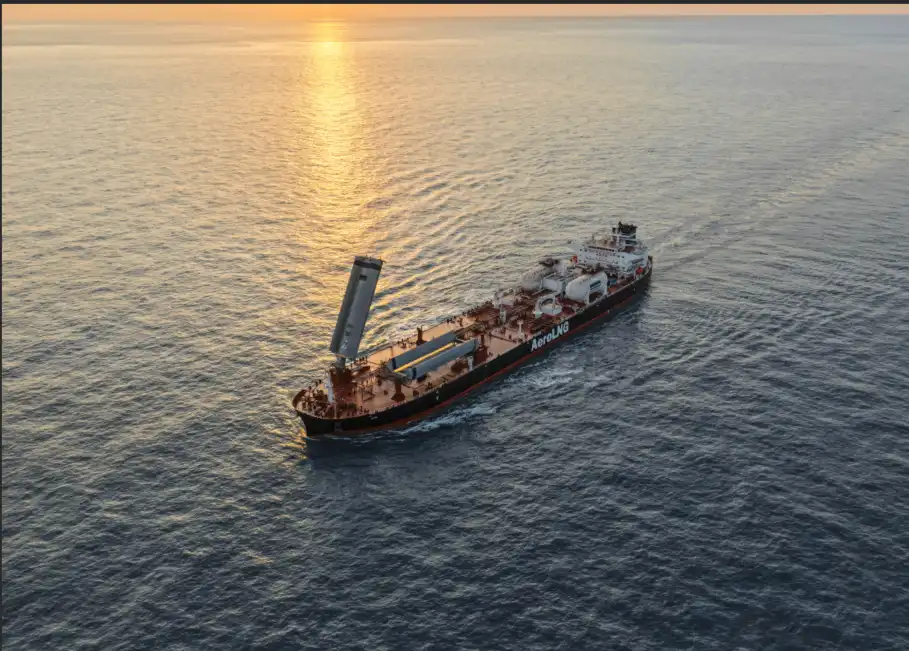
Understanding Automated Sail Systems and Fuel Savings
It's not a nostalgic return to sailing; wind-assisted power is a clever mix of aerodynamics, automation, and data analytics made to work with modern engines. An Automated Sail System constantly checks the wind conditions using sensors on board and changes the sails to get the best speed. This makes the main engines less busy, which directly leads to lower fuel use and lower pollution.
How Wind Propulsion Technology Reduces Engine Workload
Traditional engines do all the work of moving things, but they use a lot of heavy fuel oil, which raises prices and releases carbon into the air. Ships can use a free and endless source of energy by using wind transportation technology. As an extra boost, the Automated Sail System makes power, which lets the engine slow down while keeping the speed and plan. This mixed method solves the problem of keeping costs down and following the rules set by the International Maritime Organization for the Carbon Intensity Indicator.
WindWing's Intelligent Design and Adaptive Control
WindWing uses an industrial composite material and ship-grade steel to make a three-element rigid wing framework. Compared to single-surface sails, this design creates over 2.5 times as much lift, which means it can move the boat quickly even when the wind isn't very strong. Based on visible wind angle, vessel speed, and heading, special software figures out the best wing orientation and camber form. This makes sure that the sails work at their best in all kinds of sailing situations. Crews and teams on land can keep an eye on fuel savings at all times thanks to real-time reports on push performance.
Quantifiable Fuel and Emission Reductions
With WindWing, you can save up to 30% on fuel, depending on the route you take and the direction of the wind. On good routes, each wing can save about 1.6 tonnes of fuel every day, which is the same as lowering CO2 emissions by more than 5 tonnes every day. These numbers have been confirmed by DNV-certified operations of real ships. This gives procurement managers solid information to support capital expenditures and predict when investments will pay off.
Challenges with Traditional Sailing and How Automation Solves Them
Handling sails by hand has long been linked to a lot of work, safety risks, and uneven performance. When the weather changes, crew members have to physically fix the rigging. This takes special skills and can be dangerous in rough seas or quick storms. Because of these problems, wind power has not been useful for business ships in the past.
Labor Intensity and Operational Inconsistency
Traditional gear needs constant care from the crew to make sure the sails are properly trimmed. When adjustments are made too slowly or incorrectly, they can cause less-than-ideal thrust output and missed wind chances. When bad weather hits, workers have to work in dangerous conditions on the deck to stop or store sails by hand. This operational load goes against the lean crew methods and strict safety standards of modern shipping.
WindWing's Smart Sensor Integration
With an Automated Sail System like WindWing, there is no need to do any work by hand. Integrated anemometers and control units constantly check the speed and direction of the wind and make automatic changes to the position and slope of the wing. The system reacts instantly to gusts or changes in the wind, keeping the plane's aerodynamic performance at its best without any help from the crew. This system makes sure that fuel savings are constant, no matter how experienced or tired the crew is.
Seamless Integration with Vessel IT Systems
Standard naval communication methods let WindWing talk to current navigation and dynamic location systems. The Electronic Chart Display and Information System and weather route software send information to the wing control system, which then changes the direction and speed of the ship and adjusts the sails. This connection lets teams on land check on performance from afar using web-based tools, which helps fleet-wide plans for improvement.
Real-World Performance Validation
Ships with WindWing technology have made trips to more than 20 major places around the world without any problems. These ships worked reliably in a range of weather situations, proving the system's strength and giving the crew trust. When procurement managers look at these case studies, they get real proof of how mature the technology is and how well it can be used in business. This lowers the perceived risk of investing.
Core Components and Installation of WindWing Automated Sail System
Knowing how an Automated Sail System's hardware and software are put together helps buying experts figure out if the system will work and how much it will cost over its entire life. WindWing is made up of precisely engineered parts that are made to last in harsh marine settings and be easily added to current boat designs.
Robust Hardware Architecture
Marine-grade materials were used to build the wing frame because they are strong for their weight and don't rust. The structure is made of ship-grade steel, and the sides are made of industrial E-glass composites. Camber changes and wing movement are controlled by marine-grade hydraulics and electrical actuators, with backup control parts making sure the system can still work even if something goes wrong. Each wing system has health tracking sensors that look for problems and sound alarms to help with preventative maintenance.
Sophisticated Control Software
The control methods are what make the Automated Sail System work. Wind sensors, GPS, and gyroscopes send data to specialized software, which figures out the best way to set up the wings. The system figures out the best camber shape and angle of attack millisecond by millisecond, making the most thrust while keeping the structure from being overloaded. Crew members can step in if they need to with manual override interfaces, but regular tasks are easily handled by robots.
Streamlined Installation Process
The first step in installing WindWing is to do a compatibility study to figure out the deck plan, stability margins, and structural strengthening needs. The system is placed between the cargo holds of bulk carriers in a way that allows the hatch covers to work and communicate with the tools used to move the goods without any problems. The wings can turn into a laydown position that keeps them safe from hatch covers and cranes while they are loading and unloading. Before the system is delivered, it is put through factory acceptance testing to make sure it works. After delivery, it is installed and commissioned on board.
Long-Term Maintenance and Support
The WindWing is made to last for 25 years without needing important parts to be replaced. Maintenance tasks are similar to operating deck cranes and don't need any special draw gear. As part of its TSC brand, CM Energy offers full lifecycle support, which includes tracking IoT devices, scheduling checks, and supplying parts. Long-term care packages make sure that the system keeps working well and allow it to be moved from one ship to another if the fleet changes.
Comparative Analysis: WindWing vs Other Automated Sail Systems
There are different types of wind-assisted transportation technologies on the market, such as Flettner rotors, suction wings, and mechanized soft sails. Each method has its own pros and cons when it comes to aerodynamic efficiency, installation difficulty, and operating freedom.
Actuation Types and Performance Characteristics
WindWing uses electric motion to change the camber and rotate the wings, which gives exact control with little care. Electric drives react quickly to control signals, which lets feathering happen quickly when the wind changes quickly or when there is an emergency. The three-element rigid wing design has better lift coefficients than single-surface options. This means that wind energy can be turned into power more effectively across a wider range of wind angles.
Adaptability Across Vessel Classes
A successful Automated Sail System needs to be able to work with a range of vessel sizes and types of operations. WindWing comes in different styles, with aerodynamic lengths of 20 meters, 24 meters, and 37.5 meters. This means that chemical tankers, Newcastlemax bulk ships, LR2 tankers, ferries, and coastal vessels can all be made to fit their needs. Scalability makes sure that the best fuel savings happen whether the system is put on brand-new vehicles or on companies that are already in use.
Certification and Industry Validation
A number of classification societies, such as DNV, Bureau Veritas, Lloyd's Register, and the China Classification Society, have given WindWing Approval in Principle recognition and design type approval. These recommendations back up claims about performance, safety, and the strength of the structure. Independent testing by the Wolfson Unit, a well-known fluid dynamics research center, adds to the trust in the system's ability to save fuel and improve aerodynamics.
Cost-Benefit Considerations for Procurement
Procurement managers have to think about how much the Automated Sail System will cost, how much it will cost to build, how much it will cost to maintain, and how much fuel it will save. Due to WindWing's track record, correct financial modeling is possible. Return on investment times are usually between three and seven years, but they can be longer or shorter based on the route chosen and changes in fuel prices. Lifecycle support from CM Energy ensures long-term performance and reduces the risk of downtime. Flexible finance options and warranty coverage make the value offer even stronger.
Procurement and Support: Acquiring WindWing for Your Fleet
Adopting wind-assisted power technology, the Automated Sail System needs strong ties with suppliers and a wide range of support systems. CM Energy, which does business under the TSC name, has a global reach and has built up technical skills over many years of making marine equipment.
Global Distribution and Customization Capabilities
WindWing can be bought through CM Energy's international dealer networks and direct purchasing methods. Compatibility study makes sure that each placement meets the needs of the individual vessel, such as deck layout limitations and stability concerns. Tilt systems can be customized and come in both above-deck and below-deck designs. Tilt tables can be set or adjusted to meet the needs of different operations.
Warranty, Financing, and Technical Support
Strong warranty coverage guards against problems with the way the system was made and makes sure it works reliably during the early, very important operating phase. Flexible financing choices match the cost of the capital investment with the amount of fuel that is expected to be saved. This makes it easier to afford projects that increase the size of the fleet or fix up old ones. Technical help that comes after the sale includes remote troubleshooting, software updates, and, if needed, on-site service. The world service offices of CM Energy respond quickly, which keeps operations running as smoothly as possible.
Turnkey Solutions for Newbuild and Retrofit Projects
CM Energy offers integrated design support that helps newbuild shipyards and design companies with things like coordinating class approval and preparing paperwork. CM Energy does structural studies and handles the details of installations for retrofit projects, from factory acceptance testing to final operation. This turnkey method makes the project easier to understand and speeds up the time it takes to see fuel savings.
IoT Monitoring and Continuous Optimization
Nn IoT connection is used in modern Automated Sail System setups to keep an eye on the success of the whole fleet. The web-based interface of WindWing lets teams on land keep an eye on fuel savings, system health, and weather route options for multiple boats. Advanced routing systems make sure that journey plans are perfect for wind-assisted ships so that they can get the most out of the wind and get a better return on their investment.
Conclusion
An Automated Sail System is a practical way for the marine business to deal with the environmental and economic problems that are happening. WindWing uses patented three-element rigid wing technology with smart automation to save fuel and cut down on emissions. These benefits have been confirmed by independent study groups and classification societies. It was built to last, is easy to use, and comes with full lifecycle support, which are all important factors for business shipowners, ferry owners, and newbuild builders. With a track record of success on bulk ships and tankers stopping at major ports around the world, WindWing provides a safe way to meet CII requirements and cut costs. Because CM Energy is dedicated to new ideas and great customer service, WindWing is the best choice for groups that want to stay ahead of the competition.
FAQ
1. What fuel savings can realistically be expected from an Automated Sail System like WindWing?
How much fuel you save depends on the path, the wind, and the type of vehicle. Savings from WindWing usually range from 5% to 30% annually. On good lines, each wing can cut its daily fuel use by about 1.6 tonnes, which directly lowers bunker costs and carbon tax obligations. These success metrics have been confirmed by DNV through real-world vessel activities.
2. Does WindWing installation affect cargo capacity or deck operations?
WindWing is placed between cargo holds so that it doesn't get in the way of hatch covers or tools used to move goods. During loading and dumping, the wing turns into a laydown position to make sure there is enough space. During the compatibility analysis, stability estimates were done to make sure that the system doesn't limit the amount of goods that can be loaded within the legal limits.
3. What maintenance does an Automated Sail System require?
Standard dry-docking plans are in line with routine repair. Some of the things that need to be done are analyzing hydraulic fluid, visually inspecting seals and bearings, and updating software. Predictive repair sensors keep an eye on electricity and vibration factors and let teams know before problems happen. The tasks are similar to operating deck cranes and don't require any special lifting skills.
Partner with CM Energy for Automated Sail System Solutions
CM Energy wants shipping companies, ferry owners, and builders to look into how WindWing can change the economy and environmental performance of their fleets. CM Energy is a known provider of Automated Sail Systems with factories around the world and a history of making high-quality marine equipment. They offer complete wind-assisted propulsion systems with full lifecycle support. Our relationship with BAR Technologies gives us access to cutting-edge mechanical innovations. Certifications from DNV, Bureau Veritas, Lloyd's Register, and the China Classification Society make sure that the structure is safe and up to code. Email our team at info.cn@cm-energy.com to talk about compatibility analyses, finance options, and unique plans for integrating new buildings or old ones. Let TSC's knowledge of green intelligent manufacturing help you cut down on fuel costs, meet CII requirements, and run sustainable marine operations.
References
1. International Maritime Organization. (2023). "Carbon Intensity Indicator (CII) Requirements and EEXI Regulations for Maritime Decarbonization."
2. Wolfson Unit. (2022). "Independent Validation of Rigid Wing Sail Aerodynamic Performance in Commercial Shipping Applications."
3. DNV. (2023). "Wind-Assisted Propulsion Systems (WAPS) Certification and Real-World Performance Verification."
4. Bureau Veritas. (2023). "Design Type Approval Standards for Automated Sail Systems in Commercial Vessels."
5. Lloyd's Register. (2022). "Structural Integrity and Safety Compliance for Rigid Wing Sail Installations."
6. BAR Technologies. (2023). "WindWing Three-Element Rigid Sail: Engineering Innovation for Maritime Fuel Efficiency."