Marine LNG Fuel Gas Supply System Efficiency Insights
Improving the delivery of fuel to ships is no longer a choice; it's a competitive must. A good LNG Fuel Gas Supply System changes how bulk ships, tankers, and offshore boats balance controlling emissions with keeping costs low. These systems handle the change from gas stored in liquid nitrogen to gas that is ready to be burned. They do this while taking into account regulation pressure, methane slip issues, and waste gas from boiling. By understanding the efficiency levers in the fuel gas supply design, buying and engineering teams can choose solutions that meet IMO Tier III standards and improve performance in a way that can be measured.
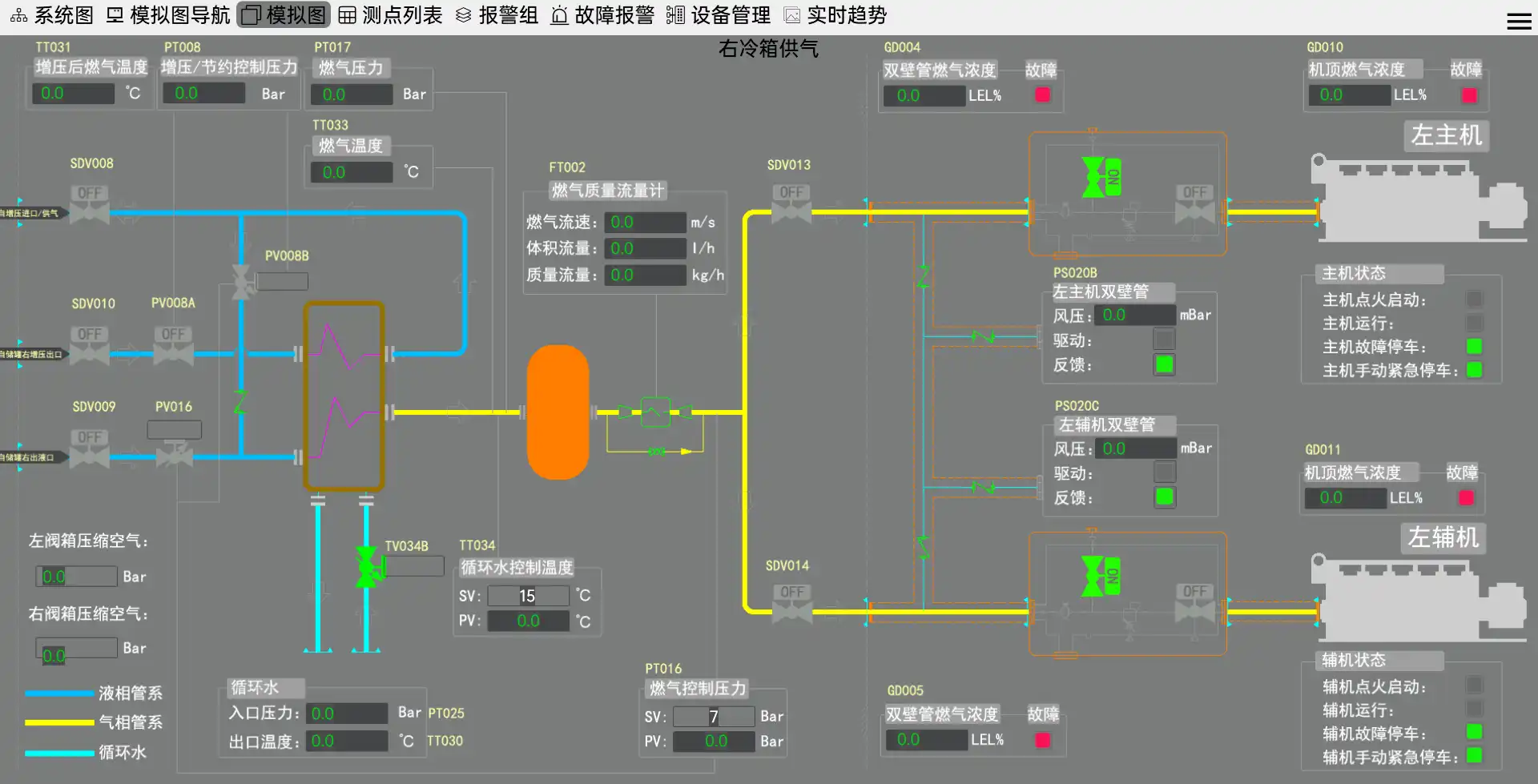
Understanding Marine LNG Fuel Gas Supply Systems
Core Components and Their Functions
Gas-and-oil engines employ Marine LNG Fuel Gas Supply Systems to access extremely cold LNG storage. The building contains cryogenic tanks, heaters that transform liquids into gases, pressure control systems to stabilize supplies, and safety valves that shut automatically if pressure rises. Control systems adjust flow rates dependent on engine load. These elements maintain fuel purity, temperature, and ship safety under changing sea conditions. In contrast to storage systems, a comprehensive LNG Fuel Gas Supply System controls phase shift and pressure.
Operational Principles Affecting Performance
Productivity depends on vaporization rate. LNG must be converted from -162°C to a gas that can be burnt without much energy. Stable pressure maintains engine performance, particularly when moving and loading fast. To avoid freezing and maximize heat transfer, the thermal management loop, generally glycol and water, must be tuned. On lengthy travels, BOG control is crucial to avoid fuel waste and hazard. Understanding these fundamentals helps teams identify areas for efficiency improvement.
Distinguishing FGSS from Storage-Only Systems
Procurement workers confuse LNG Fuel Gas Supply Systems with CNG or LNG tanks or equipment. Boxes can store cold liquid but not prepare it. CNG works at room temperature and gas levels. LNG Fuel Gas Supply Systems prepare for specific engines and comprise the whole process. It heats, filters, pressurizes, and burns. Low-pressure Otto engines like the WinGD X-DF and high-pressure diesel engines like the MAN ME-GI are available. Comparisons of vendor offers and compatibility with existing propulsion equipment depend on this difference.
Identifying Efficiency Bottlenecks in LNG Fuel Gas Supply Systems
Boil-Off Gas Losses and Pressure Fluctuations
Wasteful gas is a persistent economic issue. LNG evaporates through the insulation when heat from the tank rises, increasing tank pressure. Without proper BOG management, operators must vent surplus gas or risk overpressure. Both alternatives waste gasoline and increase company costs. Fuel supply may become unstable due to bunkering pressure, engine load, or stormy seas, forcing engines into backup modes or reducing burning efficiency. Without clever pressure management, systems burn more fuel and need more maintenance.
Vaporization and Supply Regulation Challenges
As deposits on heat exchanger surfaces or glycol levels fluctuate, the vaporizer performs poorer. Unreliable vaporization wastes heat, affecting the LNG Fuel Gas Supply System. Sensors out of tune or control valves slow to respond to load changes compromise supply regulation. Fuel supply is inconsistent, thus engines operate less efficiently to compensate. Weak rules cause chemical tankers and VLECs with different load profiles to consume more gasoline.
Maintenance-Related Performance Degradation
In extreme temperatures, cryogenic pumps, seals, and valves work. Over time, wear patterns reduce volumetric efficiency until the system breaks. Particle-catching filters block flow, making the pump work harder and consume more energy. Heat and pressure monitors lose calibration, causing control systems to make poor judgments. Many organizations lack predictive maintenance plans, so they adopt reactive tactics that allow efficiency decline over months. Condition monitoring reduces hidden expenses.
Safety Mechanism Trade-offs
Even though emergency stop systems and release valves are necessary for safety, the way they are set up can affect how well they work. If the pressure relief options are too cautious, the BOG will vent too soon, wasting fuel. A lot of ESD activations due to sensor false positives stop work and lose the gas that is still in the supply lines. To find the right balance between safety and speed, you need complex control logic that can tell the difference between real dangers and temporary situations. Instead of taking productivity hits that aren't required, procurement teams should look at how vendors handle this balance through system design.
Strategies for Enhancing Efficiency in Marine LNG Fuel Gas Supply Systems
Advanced Vaporizer Technologies
The heating performance of modern vaporizers has gotten a lot better. Plate heat exchangers with the best flow patterns lower the energy needed by the glycol pump and raise the rate at which heat is transferred. In some setups, waste heat from the engine cooling systems is reused, so there is no need for separate heating energy. TSC's low-pressure systems include melting equipment in the tank cooling system. This makes a small thermal management loop that keeps heat from escaping. These changes to the design usually lower the amount of energy needed for vaporization while keeping the temperature precisely controlled even when the load changes.
Smart Control and Maintenance That You Can See Coming
Automation changes how efficiently LNG Fuel Gas Supply Systems are supplied. Pressure, temperature, and flow monitors send data to advanced control systems in real time. These systems use this data to continuously improve performance. Predictive algorithms change the rates of evaporation before the engines' loads change. This gets rid of the errors caused by lag. Condition tracking finds slow loss of performance and plans repair before the loss of efficiency gets too big. TSC uses complex control systems that change based on how the vessel is used and learn the best settings over time. With remote tracking, experts on land can look at how well the system is working and suggest changes that will make the whole fleet more efficient.
Boil-Off Gas Utilization Strategies
Systematic planning is needed to turn BOG from a trash stream into a treasure. Gas combustion units burn off extra BOG in secondary boilers, which gets energy back for use in warmth or the process. Dual-fuel generator engines can use BOG when they don't need to move anything, which keeps the tank pressure high while they make power. High-pressure fuel gas feed systems can compress BOG so that it can be used in the main engine without any venting at all. TSC's unified method includes GCU choices in the main system structure, which makes sure that BOG use fits how the ship works. Just good BOG control can get back 2-4% of the cost of fuel on long trips.
Process Improvements and Operational Culture
Technology gives us tools, but practical discipline decides what we do with them. Setting regular methods for loading, starting up the system, and changing the load cuts down on the variability that wastes fuel. By teaching the team about how systems respond, they can plan for changes instead of reacting to them. Continuous improvement programs that record what the team sees often find small changes—like changing the order of the valves or optimizing the setpoint—that make a big difference. Ships that have had TSC systems for more than a year say that the biggest efficiency gains happen when technical skills are combined with a tactical focus.
Comparative Analysis: LNG Fuel Gas Supply System vs Alternatives
Energy Density and How to Store Things
LNG has a higher energy density than CNG, which means that a lot less space is needed to store the same amount of energy. At -162°C, storing liquids in a cryogenic tank has densities that are about 600 times higher than storing gases at room temperature. Because of this benefit, bulk carriers and VLCCs can handle large amounts of fuel without losing the space for cargo. Heavy fuel oil is still heavier, but the costs of meeting pollution standards and the sulfur cap make it less valuable. Managing the difficulty of cryogenic storage makes it possible for LNG Fuel Gas Supply Systems to make LNG use realistic. This makes cleaner fuel viable for long-range operations.
Combustion Efficiency and Emissions Profile
Compared to standard naval fuels, burning natural gas doesn't release any sulfur oxides and a lot less nitrogen oxides. Particulate matter pretty much goes away, so there are no longer any worries about black carbon in Arctic activities. Diesel engines that use high-pressure fuel gas have thermal efficiencies of around 50%, which is on par with current HFO plants and meets IMO Tier III guidelines without selective catalytic reduction. Methane slip, which is natural gas fumes that haven't been burned, needs to be dealt with. However, new systems like TSC's high-pressure version working with MAN GI engines cut slip to a tenth of what it was before, which is good for the environment.
Cost-Benefit Framework for Maritime Profiles
Pure car/truck carriers and cruise ships that work in places with pollution controls see quick payback from LNG Fuel Gas Supply Systems just by saving money on compliance costs. Offshore support boats can be flexible with their operations by using BOG as extra fuel while moving around. Inland river owners on the Yangtze and Pearl Rivers can take advantage of cheaper LNG prices in the area while still meeting China's stricter emission standards. Capital costs depend on the system's pressure grade and capacity, but to get the full cost of ownership, you need to take into account things like differences in fuel prices, the risk of carbon prices going up, and the need for upkeep. TSC offers lifetime cost modeling tools that help buying teams look at situations that are unique to their operations.
Engine Compatibility and Vendor Support
For execution to go well, LNG Fuel Gas Supply Systems and engine technology need to be in sync. Low-pressure systems work well with Otto-cycle engines, which are often used in retrofits and on smaller boats. High-pressure setups work with diesel engines that are common on big trucks and bulk carriers where saving fuel is very important. Because TSC works with MAN, high-pressure versions are guaranteed to meet the exact needs of ME-GI engines, while low-pressure versions are used by WinGD and other companies. Partnering with vendors is important because systems that are put together without proper engine integration have trouble being efficient and reliable, no matter how good the parts are.
Procurement Considerations for High-Efficiency Marine LNG Fuel Gas Supply Systems
Evaluation Metrics Beyond Initial Cost
One data point is the system's initial cost. Installation difficulty affects shipyard designs and integration costs. Retrofits, when space is restricted, make pipe routes harder. Maintenance, part costs, and crew competence add up over 20 years. Reduced energy consumption saves gasoline and earns carbon credits. Because TSC's modular designs arrive on skids with tried-and-true parts, installation is simpler. This reduces yard time and commissioning hazards. Procurement teams constantly balance capital costs with long-term operational value using lifecycle costing.
Supplier Certifications and After-Sales Service
DNV, ABS, Lloyd's Register, and other classification societies confirm the design's IGF Code compliance. Individual component type approval certifications demonstrate dependability. Manufacturing certifications like ISO 9001 demonstrate quality control. TSC holds key classification society certifications for its high-pressure and low-pressure LNG Fuel Gas Supply Systems. Real-world outcomes depend on after-sales service. Technical assistance during installation and additional parts throughout operations save downtime. Warranty terms represent the manufacturer's confidence in the product; comprehensive coverage indicates reliability.
Geographic Reach and Expertise Profiles
worldwide ship operations need worldwide service networks. Bulk ships crossing the Pacific require parts from Asian, American, and European ports. Multi-continental offshore boats can't afford producers without support systems. TSC works with firms like Norwegian design house WTC to satisfy the demands of a variety of markets while providing worldwide service. Suppliers must understand chemical tanker and FPSO vessel demands. A vendor's project CV may distinguish true expertise from broad talents.
Contract Negotiation Best Practices
Suppliers that miss delivery deadlines for new builds or repairs may be fined. Service level agreements define response times and parts availability, creating accountability. We bundle spare parts packages when you sign a contract to ensure availability and fair pricing. Performance guarantees established efficiency, BOG recovery, and methane slip goals. Relationships benefit from payment arrangements that balance buyer risk reduction and supplier cash flow. TSC negotiates realistic arrangements with procurement teams to guarantee project success.
Conclusion
Marine fuel economy depends on complex systems that control the whole process of preparing LNG. Finding bottlenecks, like BOG losses or inefficient vaporization, lets you make focused changes that have measurable effects. Modern technologies like predictive controls, integrated temperature management, and improved vaporizers turn theory benefits into real-world benefits. As emission rules get stricter and fuel markets change, vessel owners will be set up for long-term success if they make purchases that balance the cost of capital with the value over the life of the vessel. The fact that TSC's LNG Fuel Gas Supply System has been working well for more than a year shows that safety, efficiency, and dependability can all coexist when technical excellence meets practical understanding.
FAQ
1. How does a fuel gas supply system manage excess boil-off gas effectively?
Modern LNG Fuel Gas Supply Systems have gas combustion units that burn BOG in extra boilers or send it to engines that can use both fuels. For main engine use, high-pressure designs squeeze BOG. TSC systems can optionally include GCU integration, which turns BOG into an energy asset instead of a waste and keeps tank pressure within safe limits without venting.
2. What distinguishes high-pressure from low-pressure fuel gas supply systems?
For diesel-cycle engines like the MAN ME-GI, high-pressure devices pressurize LNG above 300 bar. This makes the engines more thermally efficient and reduces methane slip. Low-pressure versions run at less than 16 bar for Otto-cycle engines and have simpler designs and lower start-up costs. TSC makes both types, making sure that the design of the system fits the needs of the power system and the way the vessel is used.
3. Can existing vessels be retrofitted with LNG fuel gas supply systems?
How possible a retrofit is depends on how much deck room is available for tanks and how strong the ship is for the cryogenic pipes. Modular skid designs, like the ones TSC makes, make fitting easier because the pieces come already put together. Approval from the classification group and tests to make sure the engines work together are important first steps. Many operators have successfully retrofitted offshore support boats and inland river ships where the patterns of operations make it worth the money.
Partner with CM Energy for Superior LNG Fuel Gas Supply System Solutions
CM Energy offers tried-and-true fuel gas supply technology that combines new ideas with dependability in operation. As an experienced maker of LNG Fuel Gas Supply Systems, TSC has made low-pressure systems that have been used safely on business ships for over a year. They have also made high-pressure versions of these systems with MAN. Our integrated method puts tools inside tank cooling systems, which makes the most of the deck area and keeps everyone safe. CM Energy offers full lifetime support, from the initial planning phase through commissioning and continued upkeep, for systems that are used on VLCCs, chemical tankers, or offshore support vessels. Get in touch with us at info.cn@cm-energy.com to talk about how our fuel gas supply systems can help your fleet be more efficient and reduce pollution.
References
1. International Maritime Organization. (2021). IGF Code: International Code of Safety for Ships Using Gases or Other Low-flashpoint Fuels. London: IMO Publishing.
2. Banawan, A.A., El Gohary, M.M., & Sadek, I.S. (2020). Environmental and Economic Benefits of Changing from Marine Diesel Oil to Natural Gas for Inland River Units. Transportation Research Part D: Transport and Environment, 78, 102189.
3. Schinas, O., & Butler, M. (2016). Feasibility and Commercial Considerations of LNG-Fueled Ships. Ocean Engineering, 122, 84-96.
4. Thomson, H., Corbett, J.J., & Winebrake, J.J. (2015). Natural Gas as a Marine Fuel. Energy Policy, 87, 153-167.
5. Lindstad, E., Sandaas, I., & Strømman, A.H. (2019). Assessment of Profit, Cost, and Emissions for Slender Bulk Vessel Designs. Transportation Research Part D: Transport and Environment, 72, 77-90.
6. American Bureau of Shipping. (2022). Sustainability Whitepaper: LNG Fuel Gas Supply Systems Performance and Safety Guidelines. Houston: ABS Technical Publications.