Best Fixed Boom Cranes for Offshore Oil and Wind Power
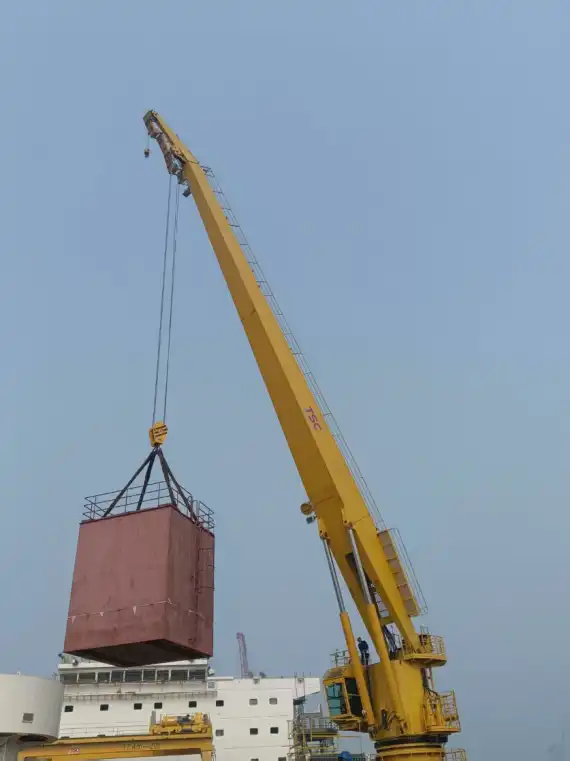
When buying Fixed Boom Cranes for oil and wind power operations at sea, procurement professionals need to make sure they get equipment that is very stable, lasts a long time, and works accurately in rough sea conditions. TSC's modern stiff boom crane systems are the best in offshore lifting technology. They provide safe options for platforms for installing wind turbines, FPSO units, and offshore support vessels. These special marine cranes have strong frames that were made to handle the tough conditions of offshore energy projects. This makes sure that they work perfectly in a wide range of seafaring situations.
Introduction
The offshore oil and wind power industries rely heavily on specialized lifting equipment to execute critical operations in some of the world's toughest places. Fixed Boom Cranes are very important in these fields because they are used for lifting, moving, and installing things in harsh sea conditions that test equipment limits every day.
For global B2B buying workers working in offshore energy markets, picking the right stiff boom crane has a direct effect on how well the project runs, how safe it is, and how much money it makes overall. The choice isn't just based on capacity needs; it also takes into account factors like structural soundness, environmental resilience, and long-term dependability that are important for successful offshore operations.
This thorough guide walks you through technical requirements, safety rules, and operational tips that are especially made for offshore settings. The content talks about how buyers can successfully evaluate and find the best equipment while taking into account the legal, logistical, and financial factors that affect purchasing choices. Because of these things, this guide is a great way to make smart buying choices in the energy sector, which is changing quickly and where the dependability of equipment can make or break a project.
Understanding Fixed Boom Cranes in Offshore Environments
Fixed Boom Cranes are specialized lifting tools with rigid, non-movable boom frames that are made for offshore work, where steadiness and accuracy are still very important. These marine lifting systems are perfect for harsh maritime settings because they use simple mechanical principles that put structure integrity over operating freedom.
Mechanical Design Principles
The main idea behind these stiff boom systems is to keep the mechanical parts as simple as possible while still making them very reliable. In contrast to telescopic or articulating cranes, these ones have simple shapes. They lift things with hoisting winches and luffing movements are managed by hydraulic cylinders or wire rope systems of some kind.
TSC's engineering method focuses on strong structure designs that use high-yield tensile steel to keep things rigid while reducing their general dead weight. Because the company is so good at making things, its crane systems can stand up to the harsh conditions of saltwater while still being able to precisely control loads, which is important for offshore work.
Material Specifications and Environmental Resistance
The rough seas that oil rigs and wind farms have to deal with require very specific material requirements and surface cleaning procedures. These crane systems use marine-grade coatings that meet strict standards for corrosion protection. This means that they will last longer in harsh ocean settings.
These systems have fail-safe mechanisms, overload security systems, and follow international marine safety standards, which are all very important for safety. These safety rules help lower the practical risks that come with working offshore. They make sure that the crane can keep working safely even when the weather is bad, which happens a lot during offshore operations.
Comparing Fixed Boom Cranes with Other Crane Types for Offshore Applications
The market for offshore lifting equipment has a wide range of crane designs, each made to meet specific operating needs and environmental challenges. Procurement experts can make smart choices based on project needs and practical limitations when they understand these differences.
Stability and Load Precision Analysis
Fixed Boom Cranes exhibit better hold stability compared to telescoping, mobile, or articulating options, when used offshore. The rigid construction of the boom makes it very resistant to side-loading forces and wind effects that are common in offshore operations. This makes them perfect for precise lifting jobs.
TSC's strong boom designs work great for tasks that need to keep loads in the same place for long periods of time, like installing parts on wind turbines or moving materials around on oil platforms. The simpler mechanical structure gets rid of internal extension devices that can make the structure less stable when the sea is rough.
Cost Considerations and Lifecycle Economics
When choosing between buying and renting, these crane systems usually have better lifetime economics because they are easier to maintain and have fewer complicated parts. The hydraulic system is much simpler because it doesn't have any internal extending parts. This means that it costs less to maintain and can be used for longer.
Compared to multi-stage boom options, maintenance is still much easier because there are fewer moving parts, which means fewer places where things could go wrong and easier inspections. This benefit means less downtime and lower operating costs over the equipment's useful life, which makes them good purchases for long-term overseas projects.
Applications of Fixed Boom Cranes in Offshore Oil and Wind Power Projects
The versatility of these marine lifting systems enables their deployment across diverse offshore applications, from heavy cargo transfers to precision assembly operations that define modern offshore energy projects.
Wind Power Installation Operations
Offshore wind farms present unique challenges requiring specialized lifting equipment capable of handling massive turbine components with exceptional precision. Fixed Boom Cranes are great for these jobs because they provide stable bases for tasks that need to be accurate to the millimeter, like installing nacelles, fixing blades, and putting together towers.
TSC's crane systems work perfectly with offshore wind construction processes. These processes are often made better by automation technologies and safety management systems that are meant to make things run more smoothly while still meeting strict safety standards. For turbine assembly processes, the equipment's ability to keep precise load control during long lifting tasks is very useful.
Oil Platform Operations and Support Services
Offshore oil platforms use these lifting devices to move a wide range of materials, from moving tools to helping with maintenance. Because they are well-made and work reliably, they are perfect for helping drilling operations, unloading supply ships, and emergency situations that need tools to be available right away.
These uses are helped by the equipment's addition to sustainability efforts. It does this by supporting environmentally friendly practices in energy transition projects by handling materials in a reliable and efficient way that has less of an effect on the environment.
How to Choose the Best Fixed Boom Cranes for Offshore Procurement
Successful procurement of offshore lifting equipment requires careful evaluation of multiple factors that influence long-term operational success and project profitability. The selection process must balance technical specifications with practical considerations that affect daily operations.
Load Capacity and Structural Requirements
To find the right load capacity specs, you need to look at all the possible lifting situations, including the heaviest loads that can be lifted, the safest working ranges, and the safety margins that are needed for offshore operations. TSC has crane systems that can handle loads ranging from small setups to heavy-duty uses. This means that they can meet a wide range of practical needs.
Not only do structural integrity assessments have to look at static load needs, but they also have to look at dynamic forces that come from things like wind loading, moving vessels, and the operational cycles that happen in offshore settings. The long-lasting engineering standards used in these naval lifting systems are reflected in the equipment's design life specifications, which usually last 25 years.
Certification Compliance and Supplier Credibility
Classification society approvals are very important when buying tools for overseas work because they make sure that international safety standards are met. TSC has certifications from major classification societies like CCS, DNV, ABS, BV, and LR. These certifications guarantee that the designs are compliant with quality standards and that the products are made to the highest standards.
When judging a supplier, you should look at their level of after-sales support, their technical knowledge, and their global service skills to make sure they can provide ongoing operational support for as long as the equipment is in use. Ordering, shipping, installation, and insurance arrangements all need to be carefully coordinated to keep projects on schedule and make sure they are carried out successfully.
Best Practices for Fixed Boom Cranes Maintenance and Operational Safety Offshore
Maintaining optimal performance and ensuring operational safety requires systematic approaches to equipment maintenance and crew training that address the unique challenges of offshore environments.
Preventive Maintenance Protocols
Marine conditions cause things to wear down faster, so routine check plans need to take that into account, especially when it comes to stopping corrosion and making sure mechanical parts are still in good shape. Because these crane systems' motor designs are simpler, they are easier to maintain and require less complicated inspections than more complicated options.
TSC's modular design method and standard parts make it easy to change parts and cut down on maintenance downtime. Adding online debugging features makes it possible to quickly figure out what's wrong with operations, so that equipment isn't unavailable during important tasks.
Safety Management and Personnel Training
Comprehensive safety measures include training programs for workers, ways to handle emergencies, and real-time tracking systems that are meant to lower the operating risks that come with moving operations at sea. The built-in safety systems in the equipment, which include overload protection and anti-collision features, protect it in many ways, both normally and in an emergency.
New technologies like predictive diagnostics and remote tracking systems make operations more reliable by finding problems before they cause equipment to break down. These technological improvements help preventive repair work better and lower the chance of unplanned downtime during important operations.
Conclusion
Fixed Boom Cranes are the best choice for lifting heavy loads in offshore oil and wind power projects that need stable, long-lasting lifting equipment that can work in harsh sea conditions. Their simple mechanical design, high level of stability, and track record of operating dependability make them essential tools for modern offshore energy projects. TSC has a wide selection of rigid boom crane systems, along with a lot of technical knowledge and support services around the world. This gives procurement workers peace of mind when they buy equipment. With their strong construction, improved safety features, and simplified upkeep needs, these crane systems provide great value for money throughout their useful lives, helping offshore energy projects around the world succeed.
FAQ
1. What load capacities are available for offshore Fixed Boom Cranes?
To support support vessel operations, TSC makes stiff boom crane systems with load sizes ranging from small 8-ton units to heavy-duty 50-ton systems made for large offshore sites. The exact capacity chosen is based on practical needs, vessel specs, and possible lifting situations that will happen during the equipment's lifetime.
2. How do these cranes perform in extreme weather conditions?
Fixed Boom Cranes work well in rough sea settings because their structures are rigid and their motor systems are simple. Since there aren't any complicated internal processes, the structure is less likely to be damaged by saltwater rust and wind loading. Marine-grade coating systems also protect against environmental degradation over time.
3. What certification standards do offshore crane systems meet?
The main international classification bodies, such as DNV, ABS, BV, CCS, and LR, keep certifying TSC crane systems. These certifications make sure that marine safety standards and API-2C requirements are met, which are necessary for offshore activities. This gives procurement pros faith in the reliability of the equipment and its compliance with regulations.
Partner with CM Energy for Superior Fixed Boom Cranes Solutions
CM Energy is ready to help you with your offshore lifting equipment needs by offering TSC's tried-and-true Fixed Boom Cranes maker options made just for marine energy uses. Our skilled engineering team offers full planning services that include choosing the right equipment, discussing customization options, and helping with installation based on your specific business needs. With more than 350 deck cranes in use around the world and a lot of experience serving offshore platforms around the world, we can give your projects the knowledge and dependability they need. Visit cm-energy.com or email info.cn@cm-energy.com to talk to one of our experts about your needs and find out how our advanced crane systems can help your offshore activities.
References
1. International Association of Classification Societies. "Guidelines for Offshore Crane Design and Certification Standards." Maritime Safety Publications, 2023.
2. American Petroleum Institute. "API-2C Specification for Offshore Pedestal Mounted Cranes." API Standards Committee, 2022.
3. Global Wind Energy Council. "Offshore Wind Installation Equipment Requirements and Best Practices." Renewable Energy Technical Reports, 2023.
4. DNV Maritime Standards. "Rules for Classification of Ships and Offshore Units: Lifting Appliances." Det Norske Veritas Group, 2022.
5. Offshore Technology Research Center. "Marine Crane Operations in Harsh Environments: Safety and Efficiency Analysis." Maritime Engineering Journal, 2023.
6. International Maritime Organization. "Guidelines for Marine Lifting Operations and Equipment Standards." IMO Publications, 2022.