Methanol Fuel Feed System Uses in Modern Shipping
The Methanol Fuel Feed System represents a transformative technology in modern shipping, specifically designed to deliver methanol fuel safely and efficiently to marine engines while maintaining strict safety protocols. This precision-engineered system addresses the unique challenges of handling low-flashpoint fuels in demanding maritime environments, offering vessel operators a reliable pathway to reduced emissions and enhanced operational efficiency across diverse vessel types including bulk carriers, tankers, and offshore support vessels.
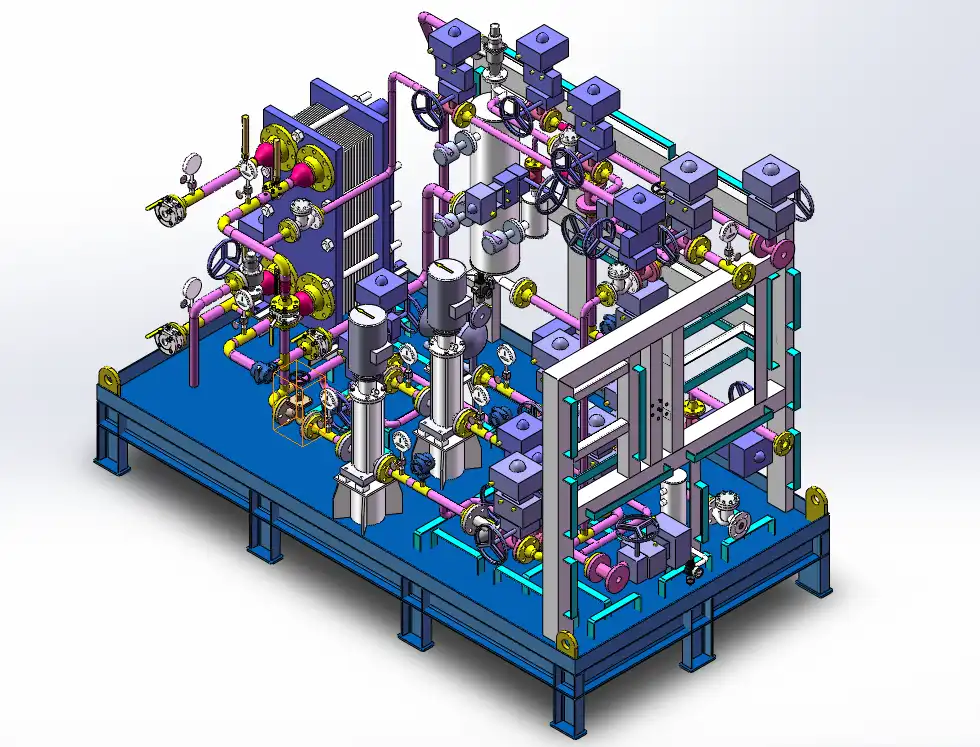
Understanding Methanol Fuel Feed System Technology in Modern Shipping
There is more pressure than ever on modern ships to cut carbon emissions while keeping operations running smoothly. The Methanol Fuel Feed System stands out as a key option, designed to meet strict operating needs while also offering environmentally friendly alternatives to traditional marine fuels.
Core System Components and Integration
The technology works perfectly with the gear inside the vessel thanks to parts that were carefully built to handle the special properties of methanol. These systems are in charge of delivering fuel from storage tanks to the engine's fuel valves, making sure that the pressure, temperature, and flow rate stay within the ranges set by the engine maker.
The modular design method makes fitting possible on a wide range of vessel types. These systems are flexible enough to fit into current ship structures while still meeting international safety standards for the sea. They can be used in both new building projects and retrofits.
Safety Protocol Implementation
Maritime safety remains paramount when handling low-flashpoint fuels. Modern double-wall pipe systems that can purge nitrogen keep vapors from building up and let you find leaks right away. The control systems work correctly during important tasks like starting up the engine, turning it off, and moving fuels.
When safety limits are crossed, emergency shutdown procedures cut off fuel sources automatically. This protects the crew and the structure of the vessel. The requirements of the SOLAS-IBC Code and the IGF Code compliance standards are met by these safety steps.
Advantages of Methanol Fuel Feed Systems over Traditional Marine Fuel Systems
The marine industry is becoming more and more aware of methanol as a good replacement fuel that has many advantages over traditional heavy fuel oil systems in terms of both operation and environmental impact.
Environmental Impact and Regulatory Compliance
When methanol is burned, it releases a lot less sulfur dioxide, nitrogen oxides, and particulate matter into the air than other marine fuels. This cut directly helps meet the changing rules of the International Maritime Organization and the standards of regional emission control areas.
The lifetime environmental impact shows clear benefits in lowering carbon intensity, especially when green methanol made from renewable energy sources is used. With a methanol fuel feed system, ship owners can make real progress toward their decarbonization goals while still being able to change how they run their businesses.
Operational Efficiency Benefits
Here are the main ways that methanol fuel systems are better than other fuel systems:
1. Enhanced fuel efficiency: The way methanol burns lets engines work better at different loads, which means they use less fuel for both main driving and backup power output.
2. Reduced maintenance requirements: Because the fuel burns cleaner, engine parts last longer between repair visits, which has a direct effect on running costs and the availability of the vessel.
3. Simplified fuel handling: because methanol is liquid at room temperature, it doesn't need complicated heating and cooling systems like other alternative fuels do, which means less extra power is used.
These operating efficiencies lead to real cost saves that help fleet owners make the case for investing in fuel system upgrades.
Procurement Considerations: Selecting the Right Methanol Fuel Feed System Supplier
To do a good job of procurement, you need to carefully evaluate providers based on their professional skills, compliance with regulations, and promises of long-term support.
Essential Evaluation Criteria
A supplier's name in the industry and a history of providing complicated marine fuel systems show that they can be trusted. Certification standards, such as DNV AIP licenses and product certifications, show that international safety standards for marine travel are being met.
Full warranty coverage and help options after the sale make sure that systems keep working well throughout their practical lifetimes. Having access to technical help is especially important during the commissioning process and regular maintenance tasks.
Customization and Scalability Options
Leading suppliers offer custom solutions that meet the needs and operating patterns of each vessel. Modular system designs allow for phased deployment plans that work with plans for updating fleets and allocating capital.
For fleet managers, bulk buying of a methanol fuel feed system can save them a lot of money and make sure that all of their ships have the same system configurations. This uniformity makes it easier to train crews and keep track of extra parts.
Maximizing Performance and Longevity of Methanol Fuel Feed Systems
The best performance of a system relies on regular upkeep and following set procedures that take into account the unique needs of handling methanol.
Maintenance Best Practices
Important parts like filter systems, pump units, and safety instruments are inspected on a regular basis. Because methanol is a solvent, it can move sediments around in storage tanks. This makes watching the filter system even more important during the first few weeks of operation.
Calibration of control systems in a planned way makes sure that they respond correctly to changing working needs. Software-based tracking tools give you real-time information about how things are working, which lets you plan ahead for maintenance and cuts down on unplanned downtime.
Crew Training and Safety Protocols
In-depth training programs teach people about the dangers of methanol and how to safely handle it. Emergency reaction procedures make sure that the team is ready for a wide range of operational situations, such as maintaining systems and fixing problems.
Technical paperwork and maker support tools are always available as references to help keep systems running safely and legally throughout the life of a vessel.
Future Trends and Innovations in Methanol Fuel Feed Systems for Shipping
The marine industry is moving faster toward sustainable fuel solutions because of rules and environmental pledges that determine the goals for technology development.
Integration with Hybrid Propulsion Systems
New technologies are combining methanol fuel feed systems with hydrogen fuel cells and battery storage to make full hybrid power systems. These combined methods make the best use of fuel while still allowing for operating freedom across a range of trip profiles.
Research projects are looking into ways to make hydrogen abroad, which could change how methanol is made and how it gets to stores. Because of these changes, methanol will be an important part of future marine energy systems.
Market Development and Adoption Strategies
Planning strategically for fleet upgrades lets you adopt new technologies in stages that balance the costs of the upgrades with the benefits they bring to operations. Clear return-on-investment models help people make decisions about what to buy while also meeting long-term green goals.
Technology partnerships between ship owners and system makers speed up the process of coming up with new ideas and make sure that solutions can adapt to changing operating needs in regulatory settings that are always changing.
Conclusion
The Methanol Fuel Feed System is a tried-and-true technological answer to the two problems that modern shipping faces: protecting the environment and running efficiently. By choosing the right suppliers, setting up systems correctly, and doing regular upkeep, vessel owners can get big benefits and help the industry reach its decarbonization goals at the same time. The ongoing development of the technology offers better features that will make methanol an even better alternative fuel for use in maritime uses.
FAQ
1. What makes methanol fuel systems different from traditional marine fuel systems?
With its low flashpoint, rust resistance standards, and strict safety rules, the Methanol Fuel Feed System technology solves some of the world's most difficult problems. In contrast to regular heavy fuel oil systems, methanol systems use double-wall pipes with nitrogen cleaning and better leak detection to safely handle the fuel's unique properties.
2. How do these systems handle methanol's corrosive properties?
Corrosion caused by methanol doesn't happen in high-grade stainless steel building (316L or higher grades) or seal materials that work with them. Specialized sealing technologies keep internal parts safe and the purity of the system throughout its working lifecycles.
3. What training requirements exist for crew members?
In-depth training programs teach people about the dangers of methanol and how to safely handle it. Emergency reaction procedures make sure that the team is ready for a wide range of operational situations, such as maintaining systems and fixing problems.
Partner with CM Energy for Advanced Methanol Fuel Solutions
CM Energy's TSC brand is the best in the business at providing complete Methanol Fuel Feed System options. They do this because they have a lot of experience building dual-fuel vessels and using alternative fuel technologies. We have a history of successfully delivering methanol fuel supply systems to big shipping companies, which shows that we can meet the most stringent operating needs.
As a reliable supplier that makes methanol fuel feed systems, we offer full lifecycle support, from the initial planning phase to installation and ongoing upkeep. We have detailed knowledge about 19 ship sets of clean fuel supply systems, which makes us the best people to meet your practical needs.
Email our expert team at info.cn@cm-energy.com to talk about your methanol fuel system needs and find out how TSC's cutting-edge solutions can help your fleet switch to using more environmentally friendly fuels.
References
1. International Maritime Organization. "Guidelines for Systems and Installations for Supply of Low-flashpoint Fuels to Ships." Maritime Safety Committee, 2021.
2. MARPOL Annex VI. "Regulations for the Prevention of Air Pollution from Ships - Alternative Fuels Implementation Guidelines." International Maritime Organization, 2022.
3. DNV GL. "Maritime Forecast to 2050: Alternative Fuels and Technologies for Shipping Decarbonization." Det Norske Veritas, 2023.
4. Lloyd's Register. "Methanol as Marine Fuel: Safety and Regulatory Considerations for Ship Operations." Maritime Technology Review, 2022.
5. American Bureau of Shipping. "Low-Flashpoint Fuel Systems: Design and Installation Guidelines for Commercial Vessels." Marine Engineering Standards, 2023.
6. Society of Naval Architects and Marine Engineers. "Alternative Marine Fuel Systems: Technical and Operational Considerations." Journal of Ship Production and Design, 2022.