How Wind Propulsion System Reduces Fuel Consumption
As the price of bunker fuel goes up and environmental rules get stricter, business ship owners are under more pressure than ever before. By using natural wind energy to help regular naval engines, Wind Propulsion Systems have been shown to help cut down on fuel use. These new technologies, which include fixed-wing sails, rotor sails, and kite systems, save money on operations and help ships meet the standards of the International Maritime Organization's Carbon Intensity Indicator and Energy Efficiency Existing Ship Index. Combining Wind-Assist technologies with hybrid power models can help ship owners save anywhere from 5 to 30 percent on fuel, based on the route and the wind conditions.
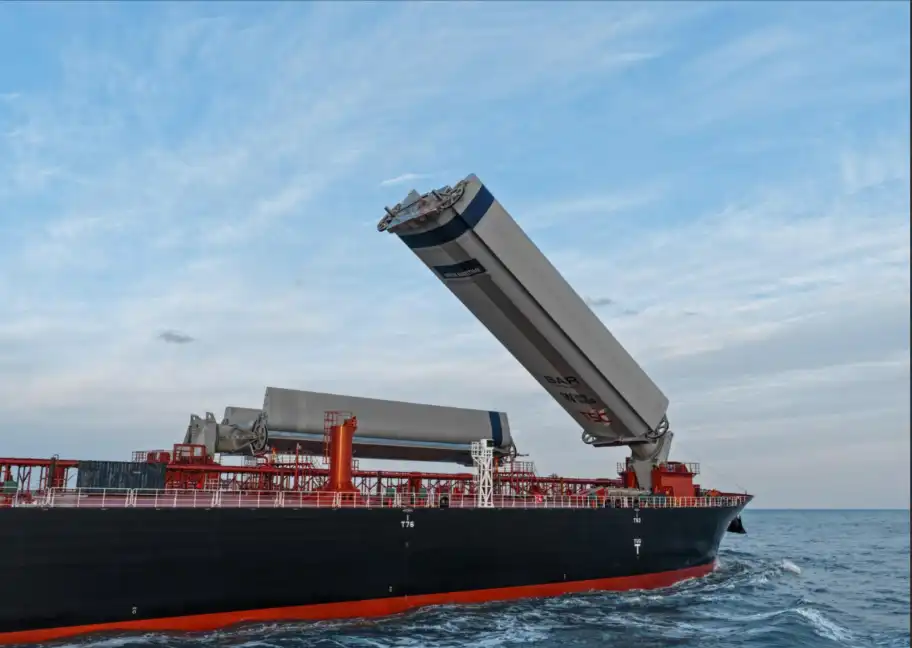
Understanding Wind Propulsion Systems and Their Role in Fuel Reduction
Wind Propulsion is a revolutionary way to save energy at sea because it uses natural wind forces to propel the ship forward, taking the load off the main engines. Modern systems are different from historical sailing ships because they use advanced aerodynamic designs, automatic controls, and composite materials that were designed to work with business cargo.
Core Technologies Powering Fuel Savings
There are many different tools in the current world. Rigid wing sails use curved aerofoil shapes to make lift forces that move boats forward. Rotor sails use the Magnus effect to create thrust that is perpendicular to the direction of the wind. They do this by spinning cylinder-shaped structures that create different pressure zones. Kite systems use attached wing structures to fly high into stronger, steadier winds that aren't available at deck level. Each technology works with different types of ships and how they are used, so ship owners can choose options that work best for their fleets and the routes they take for trade.
Integration With Conventional Propulsion
Wind Propulsion Systems are used as extra power sources in mixed propulsion systems. Automatic control systems constantly check the speed and direction of the wind, as well as the direction of the ship's heading. They then change the sail angles and camber shapes in real time to get the most power. Diesel engines don't have to work as hard when they have more power, so managers can lower fuel flow rates while keeping service speeds the same. It's important for the Wind-Assist controls and engine management systems to work together smoothly so that the power is balanced even when the weather or working needs change.
Environmental and Economic Benefits
Adopting Wind-Assist technology has two benefits. Environmentally, every tonne of fuel saved directly reduces greenhouse gas pollution by about 3.1 tonnes of CO2 per tonne of bunker fuel. This helps meet decarbonisation goals and follow the rules. When it comes to the economy, fuel savings add up over the course of a vessel's operations. This leads to big price cuts that make trips more profitable and make the ship more competitive in freight markets.
Comparing Wind Propulsion to Traditional and Alternative Systems
By comparing Wind Propulsion to both established and new technologies, its unique value in the marine energy shift becomes clear.
Fuel Efficiency Benchmarking
Traditional diesel engines only use about half as much fuel as they should, even when they're running at their best speeds. Wind Propulsion Systems use no fuel and lower the load on the main engine by 5 to 30 percent, based on the size of the installation and the amount of wind available along the way. Alternative technologies, like solar cells, can only make a small amount of electricity, which is usually not enough to make a big difference in how heavy large cargo ships are. Battery power systems can't be used for long-distance ferries because they are too heavy and don't hold enough energy.
Emissions Reduction Performance
Wind Propulsion Systems immediately lower pollution in a way that is related to the amount of fuel saved, without having to switch fuels or improve the treatment of exhaust gases. This is different from liquefied natural gas changes, which need a lot of money and access to infrastructure, or from installing scrubbers, which reduce sulphur pollution but not carbon intensity. Wind-Assist technologies are a direct way to improve a vessel's CII rating. This helps owners of ships avoid fines for not following the rules and keeps their working freedom across global trading zones.
Maintenance and Operational Considerations
Diesel engines need to be oiled, have parts replaced, and have complete overhauls done on a regular basis. Wind Propulsion Systems have simpler mechanical systems with fewer working parts, which means they are easier to maintain and work better. Quality Wind-Assist setups can work for more than 25 years, as long as they get regular checks that look at the structure, the hydraulics, and the control parts. Unlike systems that clean exhaust gases, which create waste streams that need to be thrown away, Wind Propulsion Systems don't produce any trash or supplies.
Return on Investment Analysis
The cost of installing Wind Propulsion Systems depends on the size of the system and how difficult it is to integrate it into the vehicle. Payback times are usually between three and seven years, but they depend on things like fuel prices, wind factors along the way, and how the business is run. Since there are no fuel costs for Wind-Assist operation, savings keep adding up, and the total lifetime benefits are much greater than the original investments. There are different ways for owners to pay for Wind Propulsion Systems, such as operating leases and performance-based contracts. Payments are based on how much fuel is saved.
Key Design Principles and Efficiency Factors
To cut down on fuel use as much as possible, you need to pay close attention to system size, airflow optimisation, and strategic vessel integration.
Aerodynamic Performance Optimization
The key to efficient Wind Propulsion is to maximise lift-to-drag ratios, which are the basic measure of aerodynamic efficiency. Modern stiff-wing sails do this with multi-element designs that make airflow patterns that work well together, giving them a lot more power than single-element designs. With its unique three-element stiff sail, which was made in collaboration with BAR Technologies, the WindWings® system is a good example of this method. By letting the camber shape and angle of attack be changed all the time, the system keeps the best aerodynamic configuration even when the wind speed changes. The Wolfson Unit separately checked the system's performance, and DNV approved it.
Strategic Sizing and Placement
System sizing is the process of matching the ability to generate power with the limitations of the structure and the needs of moving goods. Larger systems collect more wind energy, but they also put more stress on the structure and may make it harder to move goods. When placed between the cargo holds of bulk ships, hatch covers can work normally while getting the most wind exposure. During port operations, tilt devices allow the wings to move into laydown positions. This makes sure there is enough room for loading equipment and safe berthing.
Automation and Control Innovation
Advanced control systems are the smart part that decides how well Wind Propulsion works. Automated alignment systems keep improving the direction of the wings based on the relative wind angle, the direction of the ship, and the goal speed. Specialised software figures out the best combinations and reports thrust in real time, so crew members can keep an eye on performance and confirm that fuel savings are real. Weather routing systems use wind forecasts to plan trips and find paths that take advantage of the wind the most while still sticking to the schedule.
When ship-grade steel structures are combined with industrial E-glass composites, strong buildings are made that can survive harsh marine conditions. Marine-grade hydraulics and long-lasting control parts make sure that the system works reliably in a wide range of temperatures, with salt spray contact, and under changing loads. Certification from classification groups like DNV, Bureau Veritas, and Lloyd's Register proves that the structure is safe and that it works properly.
Practical Considerations for Procurement and Installation
Adopting a Wind Propulsion System takes a thorough look at technical compatibility, supplier skills, and assistance needs throughout the entire lifetime.
Vessel Profile Assessment
Procurement teams have to look at things about the vessels, like their size, the type of goods they carry, their operating routes, and how their equipment is already set up. Bulk carriers and tankers that travel transoceanic lines with steady trade winds are great options for Wind-Assist installations. Chemical tanks need to be placed carefully away from areas where cargo is handled and electrical parts that can't explode. This is because they are in a dangerous area. Newcastlemax bulk ships and LR2 tankers have large deck areas that can be used for multiple wing systems, which can help save the most fuel.
Supplier Evaluation Criteria
To find suitable suppliers, you need to carefully look at their professional skills, industry certifications, and past project completion records. Established providers show approvals from classification societies, successful reference installs, and a wide range of support services, such as design integration, installation control, crew training, and ongoing upkeep. CM Energy has a lot of experience with marine equipment, from installing deck cranes and supplying drilling equipment around the world. They also have a track record of being able to build complicated marine systems.
Installation Planning and Execution
The first step in installing Wind Propulsion is to do a compatibility study. This checks for things like the need for structural reinforcement, the supply of electricity, and the ability to work with current vessel systems. Before the system is delivered, it goes through factory acceptance testing to make sure it works properly. This checks the safety interlocks, the working of the control system, and the motor performance. Onboard installation includes preparing the base, mounting the system, integrating the electrical parts, and starting tests that make sure the system works properly when it's in use.
Maintenance Strategies and Lifecycle Support
To keep the benefits of reducing fuel use, upkeep plans must be made that include checking the structure, fixing the hydraulic system, and updating the control system. Service agreements are helpful for operators because they include regular checks, access to spare parts, and expert support. Teams on land can use remote tracking to keep an eye on how systems are working, figure out when maintenance is needed before they happen, and make sure that all of the setups in a fleet are running at their best.
Overcoming Challenges and Future Outlook in Wind Propulsion Adoption
Even though there are strong benefits, using Wind Propulsion has real problems that need careful attention and strategic planning.
Technical Integration Complexities
Adding new features to old ships can be hard for engineers because they have to make sure the structure is strong enough to handle the loads on the base, route electrical power and control cables through crowded areas, and make sure the new features work with the old cargo handling equipment. Because of height limits in some ports, the configurations may need to be collapsible or tilting, which increases the cost and complexity of the machinery. For stability reasons, new stability guides are needed that include more topside weight and windage areas. These booklets must be reviewed and approved by the classification society.
Economic Considerations and Risk Management
Capital investment needs can be expensive, especially for workers who are in charge of older equipment that is getting close to the end of its useful life. Payback estimates are hard to do when you don't know how much fuel will cost in the future or how much carbon will be taxed. This is why scenario analysis and sensitivity tests are needed. As Wind Propulsion markets are still new, there aren't many performance promises or insurance products available. This means that vessel owners take on the risk of adopting these technologies.
Regulatory Evolution and Standardization
The rules that govern the seas are always changing. The International Maritime Organization (IMO) is pushing for lower carbon emissions, and different governments are putting in place ways to charge for carbon. Wind Propulsion Systems are adaptable to changing needs because they offer a technology path that is not limited to certain fuel types or pollution control technologies. Standardising the ways that designs are approved and how they are tested for performance will cut down on project times and costs, which will speed up market adoption.
Emerging Technology Developments
Innovations that are still going on focus on making technology smarter, making systems lighter by using new materials, and making performance predictions more accurate. Hybrid setups that combine Wind-Assist with alternative fuels set up ships for long-term decarbonisation paths that go beyond 2050. Digital twin technologies let you try system configurations virtually, which lets you improve designs before they are installed physically and lowers the risks of integration.
Competitive Advantages Through Early Adoption
When ship owners use Wind Propulsion, they save money right away on fuel costs, which makes chartering more competitive and improves the economics of the trip. Environmental performance that has been shown gets cargo owners who care about the sustainability of the supply chain, which could lead to higher freight rates. As companies become more knowledgeable about Wind-Assist operations, they will be able to apply them across larger teams as government rules tighten and the cost of technology drops.
Conclusion
In conclusion, Wind Propulsion Systems have been shown to reduce the amount of fuel that business ships use by integrating natural wind energy in a smart way. The technology solves important problems in the industry, like following rules, dealing with changing fuel prices, and meeting environmental promises. Modern options, like the WindWings® three-element rigid sail system, use advanced aerodynamics, automated controls, and strong marine-grade construction to save up to 30% on fuel on good routes. Commercial shipowners of bulk carriers, tankers, and specialised vessels can use Wind-Assist technology in both new builds and retrofits. This can be done with the help of full lifecycle services and licenses from classification societies. Tougher rules on pollution, unstable fuel markets, and developing Wind Propulsion technologies all come together to make the case for adoption strong.
FAQ
1. What fuel savings can realistically be expected from wind propulsion systems?
How much less fuel is used depends on the size of the system, the type of vessel, and the wind conditions along the path. Trans-oceanic lines that are always exposed to trade winds usually save between 10 and 20 percent a year. Peak performance on the best routes can cut costs by up to 30%, but activities along the coast where wind patterns change may only save a little more. Continuous tracking systems keep an eye on real performance, which lets workers check for savings and find the best ways to run their businesses.
2. Can wind propulsion systems be retrofitted onto existing vessels?
Retrofit setups are a big market chance because they let owners improve the tonnage they already have without having to build something new. A structural study tells you what kind of reinforcements you need for the base loads, and an electrical survey makes sure that control systems can get power. To make sure that safe integration is possible, classification groups look over designs and do polls. Many good retrofit jobs have been done on ships and bulk carriers that work all over the world.
3. How does wind propulsion affect vessel stability and cargo operations?
In modern systems, effects on stability are taken into account through engineering studies and up-to-date paperwork on stability that is looked over by classification groups. Placement between cargo holds that keeps hatch access open, and tilt mechanisms that let wings clear cargo handling equipment during port operations. Bulk carriers with Wind Propulsion Systems have been able to stop at major ports around the world without any problems or delays in moving goods.
Partner With CM Energy for Advanced Wind Propulsion Solutions
CM Energy is ready to help your fleet switch to Wind-Assist power that is both efficient and legal. We are a top maker of Wind Propulsion Systems and have a lot of experience with naval equipment. Our WindWings® system uses patented three-element rigid sail technology to save up to 30% on fuel. Our full range of services includes checking for compatibility, integrating systems, supervising installations, teaching crews, and providing lifecycle support with IoT tracking tools. TSC-branded products meet the highest marine standards and have been approved by DNV, Bureau Veritas, and Lloyd's Register around the world. Contact our team at info.cn@cm-energy.com to talk about Wind Propulsion configurations that are specifically made for your vessel and operational needs.
References
1. International Maritime Organization. (2023). "Fourth IMO Greenhouse Gas Study: Full Report and Executive Summary." London: IMO Publications.
2. Nelissen, D., Traut, M., Köhler, J., Mao, W., Faber, J., & Ahdour, S. (2016). "Study on the Analysis of Market Potentials and Market Barriers for Wind Propulsion Technologies for Ships." Brussels: European Maritime Safety Agency.
3. Certified by DNV. (2024). "Wind Assisted Propulsion Systems: Performance Validation and Classification Guidelines." Høvik: DNV Group Technology and Research.
4. Lloyd's Register. (2022). "Wind-Assisted Propulsion: Technology Assessment and Regulatory Framework Analysis." London: Lloyd's Register Marine and Operations.
5. Wolfson Unit MTIA. (2023). "Aerodynamic Performance Analysis of Multi-Element Rigid Wing Sails for Commercial Vessels." Southampton: University of Southampton Faculty of Engineering and Physical Sciences.
6. Bureau Veritas. (2024). "Guidance Note NR 206: Wind Propulsion Systems on Merchant Ships—Design, Installation, and Operation." Neuilly-sur-Seine: Bureau Veritas Marine & Operations Division.