Automated Sail System for Sailboats: A Complete Buyer’s Guide
If you manage a commercial fleet and are weighing your options for wind-assisted propulsion, this guide is written for you. An automated sail system is no longer a concept reserved for experimental vessels — it is a proven, commercially deployed technology that reduces fuel consumption, supports IMO CII and EEXI compliance, and strengthens your fleet's ESG profile. This guide covers how these systems work, what to look for when buying, and why CM Energy's TSC WindWings® stands out as a leading choice for bulk carriers and tankers in today's regulatory environment.
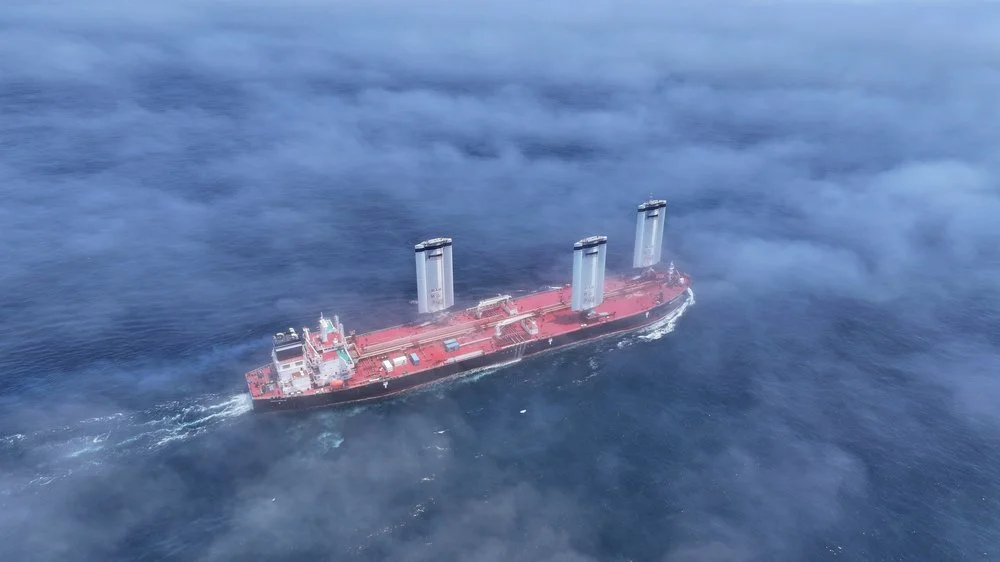
Understanding Automated Sail Systems: Components, Types, and How They Work
What Is an Automated Sail System?
An automated sail system is a wind-assisted motion system that changes the angle and shape of the sails without the team having to do it by hand on deck. It checks the wind speed, direction, and direction of the ship in real time and then moves the sails to make the most forward thrust. A modern wind propulsion system uses programmable logic controllers (PLCs) and sensor arrays to work together, while traditional rigging relies on the skill and physical effort of the crew.
Electric vs. Hydraulic Configurations
Commercial automated sail systems can be powered in two main ways: electrically or hydraulically. Electric systems are easier to maintain because they don't need as much fluid upkeep. Larger rigid wing designs can use hydraulic systems because they can handle a lot of force. The 20m and 24m models of CM Energy's TSC WindWings® are powered by electricity. The 37.5m model, on the other hand, has marine-grade hydraulic parts made from ship-grade steel and industrial E-glass composites. Both designs allow for full 360-degree movement and automatic laydown to clear the hatch cover.
From Manual Rigging to Modern Wind Propulsion
Over one hundred years ago, boats switched from using traditional cloth sails to using engines. Today, the rising cost of fuel and the need to meet carbon emission standards are pushing people to use wind power again, but this time through hard, aerodynamically designed buildings instead of cloth. Independent tests by Wolfson Unit and Lloyd's show that a rigid wingsail makes more than 2.5 times as much lift as a normal single-element sail. Because of this difference in performance, the automated sail system category is very different from older wind technology.
Automated vs. Manual Sail Systems: Making the Right Choice for Your Fleet
The Operational Cost of Manual Systems
Handling sails by hand on commercial ships takes a lot of crew time, can be dangerous in bad weather, and gives variable thrust output based on the skill of the operator. This lack of stability means that fuel use and CII scores are hard to predict for bulk carriers that travel across oceans. An automated sail system gets rid of that unpredictability by reacting to wind conditions in a planned way instead of a reactive way.
Performance and Total Cost of Ownership
When looking at total cost of ownership, the automated sail system has clear benefits that can be measured. DNV has independently confirmed that each TSC WindWings® unit saves one wing's worth of fuel each day on routes with good wind conditions. If you don't repair any major parts during the 25-year service life, the fuel savings can more than cover the initial capital cost. The system can also be moved from one ship to another, which makes better use of all the assets in a group.
Electric vs. Hydraulic: Matching Technology to Vessel Type
The type of drive should match the size and purpose of the vessel, according to the procurement team. When choosing between electric and hydraulic automated sail systems, these are the main things you should think about:
- Electric drive systems work well on smaller span configurations where small changes need to be made precisely and easy upkeep is important. Folded chord width of less than one meter means that it leaves a very small footprint on the deck when stored.
- Hydraulic drive systems work best for bigger rigid wing setups that need more mechanical force because of their high structure loads and long aerodynamic spans. Marine-grade hydraulics make sure that the boat will last for long trips without needing to be fixed in dry dock.
- Approval from the classification society is required for both types. Type approval and AiP recognition for TSC WindWings® come from DNV, BV, LR, and CCS, which are the four most well-known classification groups in the world of shipping.
These differences help technical directors and fleet managers narrow down their choices before they get into more in-depth talks with vendors. The best choice will depend on the type of ship, the trading route, and the limitations of the retrofit that are unique to your fleet.
Installation, Maintenance, and Troubleshooting: Ensuring System Longevity and Performance
Professional Installation Process
There is a set way to install an automated sail system: interface testing, on-site assembly, factory acceptance testing, product shipping, and commissioning on board. Each TSC WindWings® unit is installed between cargo holds so that hatch covers can be opened and cargo-handling equipment can keep working. During port stops and cargo activities, the wing rotates into a laydown position so that it doesn't get in the way of other work on the deck.
Routine Maintenance and Software Upkeep
Standard dry-docking intervals are planned to work with an automated sail system. Checking the hydraulic fluid, bearings, and seals, and updating the software on the control PLC are all normal tasks. TSC offers IoT-based remote monitoring that keeps an eye on the health of the system, how well it's thrusting, and how things are running from both onboard terminals and management platforms on land. This planned approach greatly lowers unplanned downtime.
Warranty, Support, and Troubleshooting
If something goes wrong with an automated sail system, the control software records error codes that show whether the problem is electrical, mechanical, or with sensor input. The TSC at CM Energy has long-term service packages that include access to expert help, spare parts, and software maintenance. For procurement teams, having a full after-sales support contract is just as important as the hardware specifications. TSC's service package is set up to cover the whole installation process.
Procurement Insights: How to Select, Purchase, and Finance Automated Sail Systems
Evaluation Framework for B2B Buyers
When buying managers choose an automated sail system for use in a business setting, they should look at the following:
- Verified fuel savings data: Don't just trust the manufacturer's estimates; look for DNV sea trial results as well. TSC WindWings® has working data from ships that have stopped at more than 20 ports around the world for long amounts of time without any problems.
- Approvals for classification: Check to see if the system has type approval from the classification societies that apply to your fleet's flag state and insurance needs.
- Retrofit compatibility: To make sure the retrofit works, check the deck room, structural load capacity, and hatch cover clearance of each wing span design before deciding on one.
These factors are a good place to start when making a short list of qualified sellers of automated sail system.
Pricing Structure and Budget Planning
Commercial automated sail system setups don't have a standard list price because each project has its own engineering, logistics for shipping, and installation scope. When making a budget, you should think about the hardware unit, installation engineering, commissioning, and the service contract. For new construction projects, TSC WindWings® can be built into the ship's design from the start. This lowers the cost of adapting the structure compared to repair situations.
Supplier Selection and Global Logistics
CM Energy, through its TSC name, sells automated sail systems all over the world. It has the production and technical skills to help both new shipyards and fleets that need to be updated. Before signing a purchase agreement with an automated sail system manufacturer, procurement teams should ask for project references, classification documentation, and route-specific fuel saving projections. Through its partnership with BAR Technologies, TSC makes sure that every installation uses a patented aerodynamic design.
Future Trends and Innovations in Automated Sail Systems
AI-Driven Sail Control and IoT Integration
The next version of automated sail system technology uses AI algorithms to figure out the best sail angles based on both real-time wind reports and data from weather forecasts. The TSC weather routing tool already has a web-based interface that lets teams on land and at sea plan routes that take advantage of the wind the most. As more commercial fleets connect to the Internet of Things (IoT), the automated sail system will become a part of a larger network for managing how well ships are doing.
Regulatory Tailwinds Supporting Adoption
The IMO's CII rating system, the EU's ETS carbon pricing, and the FuelEU maritime rules all offer direct financial reasons to switch to wind-powered transport. An automated sail system lowers a ship's CO2 emissions by a certain amount each day per wing. This raises the ship's CII grade and lowers its EU ETS obligations. More and more, charterers are putting carbon performance standards in time charter deals. This means that an automated sail system is no longer just a compliance tool, but also a way to make money.
Future-Proofing Your Fleet Investment
The automated sail system can be moved from one ship to another, which gives you more options when planning your long-term fleet strategy. TSC WindWings® are made to last for 25 years, which is longer than most people own their boats. People who work in procurement should also think about how the design of the control software will support future changes as AI routing tools and satellite connections improve.
Conclusion
One of the most cost-effective ways for business fleet owners to reduce carbon emissions right now is to use an automated sail system. CM Energy's TSC WindWings® system is made for real-world industrial use. It has patented three-element rigid wing technology, full classification society approval from DNV, BV, LR, and CCS, and DNV-verified fuel saves. With a design life of 25 years, an installation that can be moved, and full lifecycle support that includes IoT tracking, it answers the main concerns of fleet technical directors and procurement managers who are thinking about investing in wind propulsion.
FAQ
1. How difficult is it to operate an automated sail system?
It's about the same as operating a regular deck crane. There is no need to have any special rigging skills. The TSC WindWings® control interface supports both automated mode and manual override, and crew training is included in the standard commissioning package offered by CM Energy.
2. What is the difference between electric and hydraulic automated sail systems?
Electric systems are good for smaller span configurations because they offer precise control that doesn't need much upkeep. Larger rigid wing designs can use more mechanical force with hydraulic systems. TSC has both options available, based on the type of vessel and the needs of the installation.
3. Can the system integrate with our existing voyage optimization software?
Yes. The TSC WindWings® weather routing module sends performance data that can be used with common platforms for optimizing flights. It gives both onboard and shore-based teams access to a web-based monitor.
4. What happens during a sudden storm or extreme wind event?
The Automated Sail System always checks the speed of the wind. When conditions get too bad, the control system turns the wing into a stowed laydown position, away from the hatch covers and other equipment on the deck.
5. How long does installation take, and will it affect our vessel's schedule?
A structured method is used for installation, which includes a compatibility study, plant acceptance testing, and starting on board. CM Energy works with fleet operators to make sure that installations happen during planned dry-docking windows so that there is as little downtime as possible for operations.
Connect With CM Energy — Your Trusted Automated Sail System Supplier
Every automated sail system project that CM Energy and its TSC brand work on is backed by their proven technical skills and global classification approvals. If you want to add wind power to a new build or make changes to an existing bulk carrier, TSC can help. They offer proven fuel savings, full lifecycle support, and a 25-year system made for business use. You can email our team at info.cn@cm-energy.com or go to cm-energy.com to ask for a route-specific fuel saving analysis and project consultation.
References
1. International Maritime Organization. Fourth IMO GHG Study 2020. IMO, 2020.
2. DNV GL. Wind-Assisted Propulsion: Rules and Standards for Classification (DNVGL-ST-0511). DNV, 2022.
3. Wolfson Unit for Marine Technology and Industrial Aerodynamics. Wind-Assisted Ship Propulsion Performance Assessment. University of Southampton, 2021.
4. Lloyd's Register. Wind-Assisted Propulsion: Technology Review and Regulatory Guidance. Lloyd's Register, 2023.
5. International Windship Association (IWSA). Wind Propulsion State of the Industry Report. IWSA, 2023.
6. Bureau Veritas. Certification Framework for Wind-Assisted Propulsion Systems on Commercial Vessels. Bureau Veritas, 2022.