Choosing Ammonia Fuel Handling System Supplier Guide
Choosing the right ammonia fuel handling system supplier is one of the most consequential decisions a zero-carbon shipping project will make. An ammonia fuel handling system governs every stage of NH3 management aboard a vessel — from bunkering and cryogenic storage through fuel conditioning, leak detection, and engine supply. With IMO's decarbonization targets tightening and ammonia emerging as a front-runner zero-carbon marine fuel, procurement teams must evaluate suppliers on safety architecture, regulatory compliance, and long-term ecosystem support, not price alone.
Understanding Ammonia Fuel Handling Systems
As a naval fuel with no emissions, ammonia is becoming more and more popular, and for good reason. It doesn't contain any carbon atoms, doesn't give off CO2 when burned, and can be made from clean energy. DNV's Energy Transition Outlook says that by 2050, ammonia will make up about 25% of the fuel used for deep-sea ships.
What an Ammonia Fuel Handling System Actually Contains
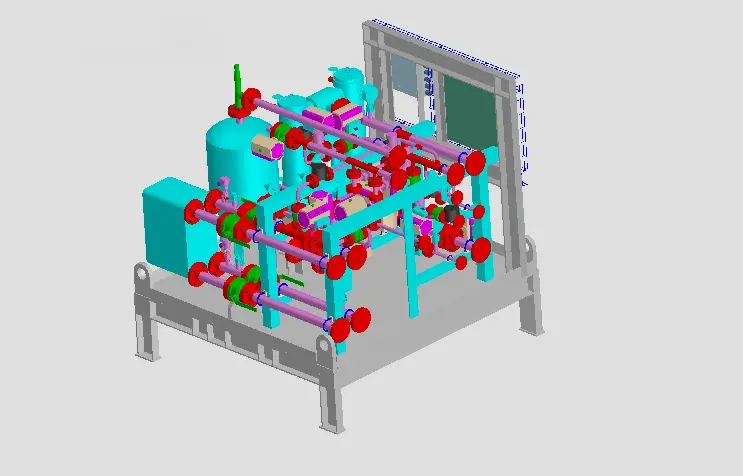
A full Ammonia Fuel Handling System is not a single unit, but a group of interdependent parts that work together. The Ammonia Fuel Supply System (AFSS), the Fuel Valve Unit (FVU), a vent system, the Ammonia Release Management System (ARMS) for finding leaks, a dedicated ventilation system, an inert gas system, engine-internal parts, and a layered safety system are some of these subsystems. To keep the flow of fuel from the tank to the combustion chamber safe, each subsystem needs to work with the others.
The differences between engine platforms is a factor that procurement teams often don't give enough attention to. The fuel supply pressure profiles and valve train architectures of MAN and WinGD ammonia engines are very different. This means that the Ammonia Fuel Handling System has to be custom-designed for the target prime mover. Using a ready-made system comes with a lot of integration risk.
Core Criteria for Choosing an Ammonia Fuel Handling System Supplier
Safety Architecture, Engine Compatibility, and Lifecycle Support
Technical depth is much more important than catalog breadth when narrowing down the list of suppliers. Here are the main criteria that every buying team should use for evaluation:
- Safety architecture depth: The IDLH level for ammonia is only 300 parts per million. A reliable Ammonia Fuel Handling System needs to have electrochemical toxicity sensors inside the GVU enclosure, double-walled ventilated piping, automated Emergency Shutdown (ESD) valves with SIL-rated logic, and the ability to purge nitrogen. Ask suppliers to show how their ARMS architecture handles sensor alarm and ESD activation at the same time.
- Engine platform compatibility: Make sure that the supplier's Ammonia Fuel Handling System has been tested at the fuel valve train interface level with your main engine, whether it's a MAN ES or a WinGD. Misalignment here isn't just a problem with papers; it's also a threat to operations during sea trials.
- Classification society compliance track record: Your Ammonia Fuel Handling System must meet the requirements of the IGF Code and the relevant class notation from DNV, ABS, LR, or CCS. A provider with knowledge in AIP or type approval cuts your certification time by a huge amount.
- Lifecycle service capability: Maintenance on ammonia systems doesn't happen all the time. Suppliers must provide trained commissioning teams, crew familiarization programs, and responsive engineering support after the sale for as long as the vessel is in use.
- Demonstration project participation: Suppliers who work on zero-carbon lab or test vessel projects have real-world proof that engineering done at a desk can't match.
These factors show if a provider is ready to provide not only equipment but also a long-term safety relationship.
Comparing Ammonia Fuel Solutions and Supplier Profiles
The market for ammonia marine fuel is still very new. Compared to LNG fuel supply systems, which have been used in business for decades, there aren't many Ammonia Fuel Handling System providers with verified shipboard references. Because of this, a supplier's transferable skills—specifically, their experience in building liquefied gas carriers and designing low-flashpoint fuel systems—are very important.
Why Cross-Technology Experience Is a Decisive Differentiator
Suppliers who have designed and delivered LPG fuel gas supply systems and LPG cargo handling systems know a lot about engineering topics like choosing the right cryogenic materials, managing boil-off gas, integrating re-liquefaction systems, and making sure dangerous areas have enough air flow. The same thermal and toxicology management problems manifest themselves in a more difficult way in the Ammonia Fuel Handling System design, where these skills translate very well.
This is exactly what TSC, a technology brand of CM Energy (which has been traded on the main board of the Hong Kong Stock Exchange since 2009), used to build its Ammonia Fuel Handling System. TSC created its own AFSS by using China Merchants Industry's experience building ammonia transport boats and carrying out LPG fuel retrofit projects. It is currently providing the ammonia fuel system for a zero-carbon laboratory trial project.
CM Energy has produced 19 ship sets of clean fuel supply and cargo handling systems for methanol, LNG, ammonia, and LPG platforms. At this point in the market, few companies that only work with ammonia can match this level of experience.
Procurement Process: How to Secure the Right System
A organized process that usually takes 12 to 36 months to secure an Ammonia Fuel Handling System for a new construction or retrofit project. Being disciplined as you go through each stage protects both time and money.
From Technical Clarification to Integrated Commissioning
The installation and testing process for the Ammonia Fuel Handling System at TSC shows how strict a capable supplier can be. The process starts with looking over the design drawings and making sure everyone understands how the system works. Next, premade modules are moved and placed precisely using moving equipment. Before transfer pipelines, auxiliary pipes, and control wires are linked, the base's stability is checked against the vessel's structural standards. Before full integrated commissioning, which tests the bunkering, supply flow, and safety control functions together, each subsystem is tested on its own. This sequential method cuts down on mistakes and speeds up the acceptance process for class surveyors.
When asking for quotes, make sure that suppliers include detailed information about the ARMS sensor logic, when the ESD will activate, the nitrogen purge cycle specifications, and the training that will be given after the product is delivered. Without this technical background, price is not a useful way to compare things.
Risk Management and Safety Best Practices
Because ammonia is poisonous, eats away at copper-containing metals, and can cause stress corrosion cracking in sensitive stainless steel, risk management needs to be built into the system from the start, not added on as an extra.
Material and Monitoring Protocols That Cannot Be Negotiated
Copper, zinc, and brass cannot be used in any part of an Ammonia Fuel Handling System that gets wet. The standard is either austenitic stainless steel or low-temperature carbon steel types that have been accepted. Besides checking the materials, all pressure-containing welds must go through 100% radiography testing (RT) and dye penetrant inspection (DPI). These are required quality control steps, not extras that can be chosen.
Operationally, a strong ARMS network, with electrochemical sensors in all enclosed ammonia-containing areas, connects directly to the ship's warning and tracking system. When a certain level is exceeded, automatic ESD separation and nitrogen purge must start within seconds. If a supplier can show Factory Acceptance Test (FAT) paperwork for this logic process, procurement teams can check that the system is safe before it even gets to the shipyard.
Conclusion
A strategic infrastructure choice, not a deal, is the choice of an Ammonia Fuel Handling System provider. Safety architecture, engine platform compatibility, class compliance, and lifecycle support depth are some of the factors that determine the success of a project. To get these factors, you need a supplier with proven cross-technology experience and active demonstration project engagement. The TSC Ammonia Fuel Handling System, which was created by CM Energy's long history of marine energy engineering, gives procurement teams a technically sound and safety-first option for zero-carbon transportation projects.
FAQ
1. What subsystems make up a complete ammonia fuel handling system?
The filling and storage assembly, AFSS, FVU, vent system, ARMS leak monitoring network, ventilation system, inert gas system, engine-internal parts, and the overall safety system are all part of a full Ammonia Fuel Handling System. Each layer deals with a different type of risk.
2. How does an ammonia fuel handling system differ for MAN versus WinGD engines?
The fuel supply pressures for MAN and WinGD ammonia engines are different, and their valve train architectures are also different. The AFSS and FVU must be set up to work with the injection settings of the engine. Misalignment increases the chance of launching and could lead to safety liability.
3. What materials are prohibited in an ammonia fuel handling system?
Copper, zinc, and brass metals are not allowed in any wetted parts because they rust quickly and can crack when exposed to ammonia. All of it needs to be made of high-grade austenitic stainless steel or approved low-temperature carbon steel.
Partner with CM Energy for Your Ammonia Fuel Handling System
The TSC brand from CM Energy offers tried-and-true Ammonia Fuel Handling System options that are built for safety, class compliance, and long-term dependability. Our team is ready to help with your next demonstration or newbuild project. We have already delivered 19 clean fuel system ship sets and are currently working on a zero-carbon laboratory project. To set up a meeting, email our expert team at info.cn@cm-energy.com or go to cm-energy.com.
References
1. DNV. Energy Transition Outlook: Maritime Forecast to 2050. 2023.
2. International Maritime Organization. IGF Code: International Code of Safety for Ships Using Gases or Other Low-Flashpoint Fuels. 2015, amended 2024.
3. Society of Naval Architects and Marine Engineers (SNAME). Ammonia as a Marine Fuel: Technical and Safety Challenges. 2022.
4. Lloyd's Register. Ammonia as a Marine Fuel Safety Handbook. 2020.
5. Mærsk Mc-Kinney Møller Center for Zero Carbon Shipping. Ammonia Fuel Pathways: Readiness Assessment for Deep-Sea Shipping. 2023.
6. American Bureau of Shipping (ABS). Ammonia as Marine Fuel: Technology and Regulatory Readiness. 2022.