How Does a Methanol Fuel Supply System Improve Engine Efficiency?
A methanol fuel supply system improves engine efficiency by delivering methanol at precisely controlled pressure, temperature, flow rate, and cleanliness levels that match what the engine manufacturer specifies. Because methanol carries a higher octane rating than conventional marine fuel oil and burns more cleanly, engines equipped with a dedicated methanol fuel supply system produce more consistent power output while generating fewer combustion byproducts. The result is a measurable reduction in fuel waste, lower maintenance intervals, and better alignment with the IMO's decarbonization targets — making this system a strong choice for shipowners transitioning to green fuel alternatives.
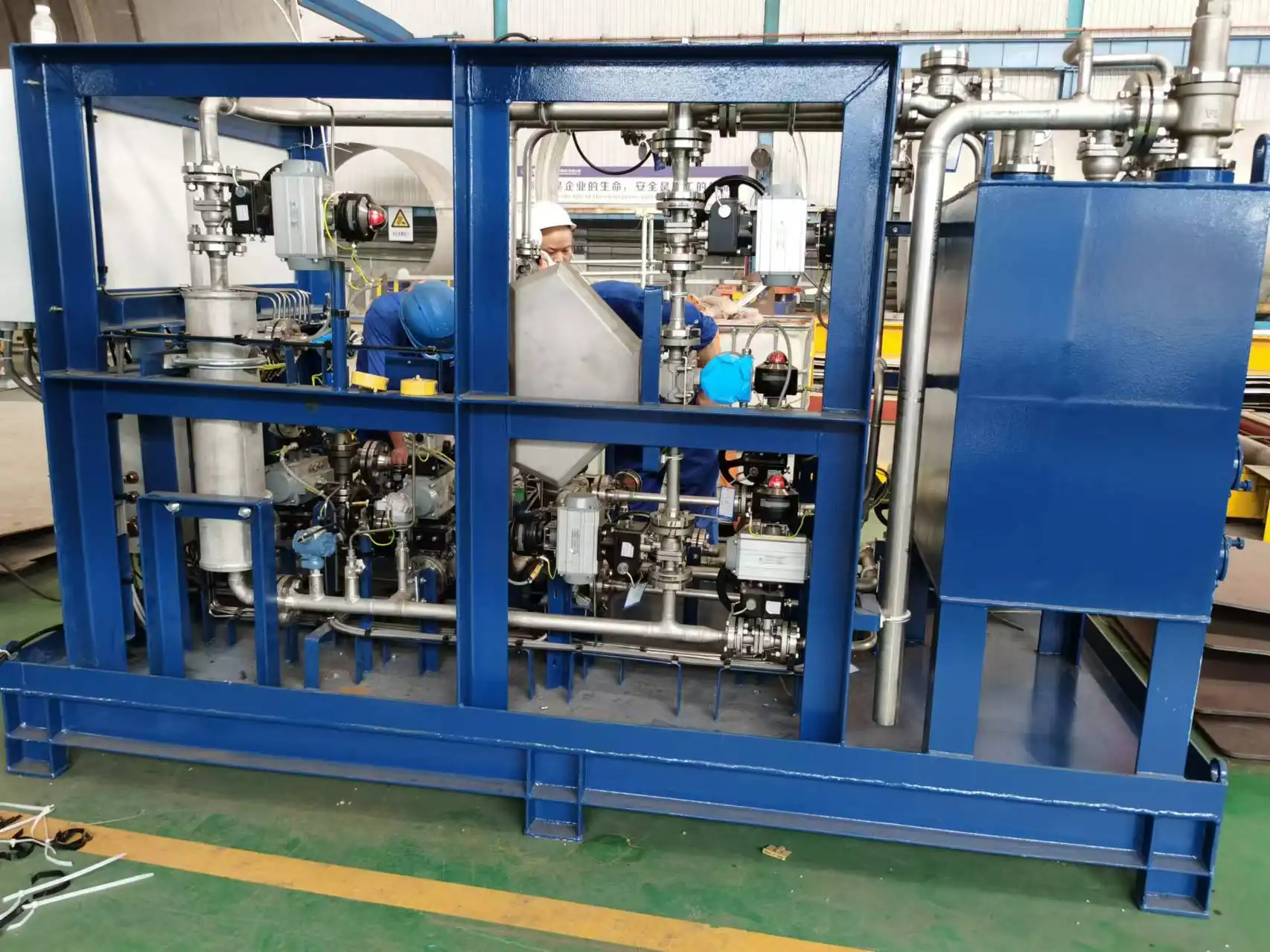
Understanding the Methanol Fuel Supply System
Before you decide if this technology is right for your fleet, it's helpful to know what a methanol fuel supply system does and how its parts work together.
Core Subsystems
The four main parts of a methanol fuel supply system are the methanol supply unit, the filling and delivery system, the auxiliary system, and the control and safety system. Each part does a different job, and all four must work together to keep the engine running well no matter what the load is.
The Methanol Supply Unit
The methanol supply unit is the most important part of the system. It makes sure that the methanol is at the right pressure, temperature, and flow rate for the engine. It keeps those conditions the same whether the engine is going at full load, half load, or switching between the two. The supply unit immediately meets the technical need for steady fuel delivery during start-up, switchover, and stop.
Filling, Delivery, and Safety Architecture
The filling and transportation section handles bunkering, storage, and transfer in line with the SOLAS-IBC Code. Methanol has a low flashpoint, is naturally corrosive, and is measurable as toxic. For these reasons, the safety architecture, which includes double-barrier containment, nitrogen purging, and automatic leak detection, is built into the system from the start, rather than being added on later.
How a Methanol Fuel Supply System Enhances Engine Efficiency?
It is not just an idea that a well-designed methanol fuel supply system will make things more efficient. They have to do with certain chemical and physical features of methanol and the careful planning that went into making the system work.
Combustion Quality and Octane Advantage
The octane rating of methanol is much higher than that of regular marine fuel oil. This means that the engine's control systems can run more intense combustion timing without knock, which means that the fuel burns more completely each cycle. This benefit is gained every time, not just when conditions are perfect. This is made possible by a methanol fuel supply system that delivers fuel of consistent quality.
Precision Fuel Metering
Methanol has about half as much energy as diesel, so the total flow rate through a methanol fuel supply system needs to be about 2.2 times higher to provide the same amount of power. This needs measuring parts with a high level of accuracy and pipes with bigger diameters. When the meters are accurate, less fuel is wasted, combustion efficiency goes up, and the engine's fuel usage slope gets flatter. All of these changes have a direct effect on the total cost of running the boat during a trip.
Load-Response Accuracy
A methanol fuel supply system needs to work correctly when the engine load changes quickly, like when maneuvering, entering a port, or changing speeds because of the weather. When these changes happen, fuel transport that is too slow or not accurate leads to incomplete combustion and power drops. This gap is filled by systems that have quick-acting control logic and reliable pressure regulation. This keeps the engine running at its most efficient level.
Comparing Methanol Fuel Systems to Other Low-Carbon Fuel Options
People who own ships and are looking for green fuels often want to know how a methanol fuel supply system compares to LNG, ammonia, or hydrogen solutions. There are real trade-offs with each option that should be looked at.
Handling and Infrastructure Advantages
Methanol, on the other hand, is a liquid at room temperature and pressure. This gets rid of the need for cryogenic storage and the shielding equipment that goes with it. This lowers the cost of capital and makes the system simpler. A methanol fuel supply system can be put in place in a smaller area than an equivalent LNG fuel gas supply system. This is a big benefit for ships that don't have a lot of room for machinery.
Fewer Combustion Deposits
Heavy fuel oil or diesel leave more carbon behind when they burn than methanol. Less buildup of deposits on injectors, valves, and combustion surfaces means that cleaning cycles can be spaced farther apart, and there is a lower chance that performance will drop over time. Shipowners say that engines that run on methanol keep their stated efficiency more regularly over the course of a maintenance cycle.
A Scalable Path Toward Green Methanol
Gray methanol is already on the market, and green methanol, which is made from recyclable materials, is quickly becoming popular as well. If you build a methanol fuel supply system now, it can work with green methanol as supply chains get better. This lets shipowners easily update without having to replace the fuel system hardware.
Maintenance and Troubleshooting for Sustained Performance
A methanol fuel supply system only works as efficiently as it should when it is well taken care of. Here are the key types of care that will keep your system running well for a long time:
- Regular filter and injector inspection: Methanol's corrosive nature requires filters and injectors made from 316L stainless steel or equivalent materials. Scheduled inspection and replacement prevent gradual flow restrictions that erode metering accuracy.
- Nitrogen purge sequence verification: Before any maintenance window, the system must be drained and purged with nitrogen until hydrocarbon concentration falls below the lower explosive limit. Automated purge sequences in modern control systems reduce the risk of human error during this step.
- Seal and gasket monitoring: Standard rubber seals degrade on contact with methanol. Systems using PTFE or EPDM seals require periodic inspection to confirm integrity, particularly at flange joints and valve bonnets.
A well-performing installation is different from one that slowly breaks down over thousands of hours of use if it has proactive maintenance plans and is backed by a supplier with global after-sales support. By following these steps, you can protect your investment and keep the engine going at the level of efficiency that you originally set.
Environmental and Safety Benefits
In addition to being efficient, a methanol fuel supply system helps you follow the rules for safety and pollution that are getting stricter all the time.
Emissions Reduction
When methanol is burned, it doesn't make any sulfur oxides and a lot less nitrogen oxides than other marine fuels. The well-to-wake carbon footprint can get very close to zero when green methanol is used. An appropriately designed methanol fuel supply system is the hardware layer that makes these pollution decreases possible in real life, not just on paper.
Integrated Safety Design
Certain safety measures must be taken for low-flashpoint fuels according to the IGF Code and class society rules. A legal methanol fuel supply system takes care of these issues with electrical parts that are approved for use in dangerous areas, double-walled pipes with tracking of the annular space, and block-and-bleed valve logic that separates and releases stored fuel when the engine stops. These functions are built into all systems that meet DNV or similar class requirements, so you don't have to choose to have them.
Supporting ESG Commitments
For shipowners whose boards have made ESG promises in public, the methanol fuel supply system is one of the most visible ways to make those promises come true. It links the company's stated environmental goals to real data on pollution and fuel use that can be shared and checked.
Conclusion
A well-designed methanol fuel supply system makes the engine run more efficiently by precisely preparing the fuel, controlling the load, and taking advantage of the unique burning benefits of methanol as a fuel. It also makes upkeep easier, helps companies follow the rules, and opens the door to carbon-neutral shipping as green methanol becomes more common. The fuel supply system is an important part for shipowners and project teams that are making the business case for a vessel that can use both methanol and other fuels. It's where the efficiency gains are made or lost.
FAQ
1. Can a methanol fuel supply system work with existing diesel infrastructure?
Methanol and standard carbon steel pipes and NBR rubber covers don't mix chemically. IMO rules also say that low-flashpoint fuels must be transported in piping with two walls in occupied areas. A methanol fuel supply system needs special pipes, seals that work with them, and electrical parts that can handle being in a dangerous area. Regular diesel systems don't have these things.
2. How does the system handle methanol's low lubricity?
Diesel naturally lubricates things, but methanol doesn't. This problem can be fixed by using a specially designed methanol fuel supply system with strengthened internal parts, specialized pump tribology, or separate sealing oil circuits for high-pressure injection stages. This keeps the pumps and injectors from wearing out too quickly.
3. Is a methanol fuel supply system suitable for retrofit projects?
Yes. Modular system designs make it possible to install them on both new and old ships. Retrofitting is possible if there is enough room, the right structural interface, and approval from the classification society. This is something that a trained engineering team can look at during the technical specification process.
4. What certifications should a methanol fuel supply system carry?
Check for DNV AIP (Approval in Principle) certification and product-level class certification from a well-known group like CCS, ABS, or DNV. These make sure that the design of the system follows the IGF Code and any class rules that apply for handling low-flashpoint fuel.
Ready to Discuss Your Methanol Fuel Supply System Project? Contact CM Energy (TSC)
CM Energy, which works under the TSC brand, was one of the first companies in China to develop marine methanol fuel supply system. They have delivered 19 ship sets with clean fuel and cargo handling systems, including two Stena RoRo methanol fuel supply system skids. TSC provides both stand-alone methanol supply units and fully integrated system packages. All of these are DNV-certified and come with full lifecycle support, from design to operation. Contact our technical team at info.cn@cm-energy.com or go to cm-energy.com to talk to a qualified methanol fuel supply system supplier about your needs for a new build or a retrofit.
References
1. International Maritime Organization. IGF Code: International Code of Safety for Ships Using Gases or Other Low-Flashpoint Fuels. IMO, 2015.
2. MAN Energy Solutions. MAN B&W ME-LGIM: Methanol Dual-Fuel Engine — Technology and Application. MAN Energy Solutions, 2022.
3. DNV. Alternative Fuels Insight: Methanol as Marine Fuel — Safety and Design Considerations. DNV, 2023.
4. IRENA. Innovation Outlook: Renewable Methanol. International Renewable Energy Agency, 2021.
5. Methanol Institute. Methanol as a Marine Fuel: Regulatory and Safety Framework. Methanol Institute, 2022.
6. Lloyd's Register. Fuel for Thought: The Future of Marine Fuel — Methanol Readiness Assessment. Lloyd's Register, 2023.