Automated Sail System Camber Control Technology Explained for Engineers
For engineers navigating the complexities of modern maritime propulsion, understanding how an Automated Sail System optimizes wind energy through dynamic camber control has become essential. Camber—the aerodynamic curvature of a sail—directly influences thrust generation and fuel efficiency. Unlike traditional canvas sails requiring constant manual trimming, advanced automated sail systems leverage real-time sensor feedback and programmable controllers to adjust both camber shape and angle of attack autonomously. This technology addresses the pressing demands of IMO EEXI/CII compliance, volatile fuel costs, and the pursuit of operational excellence. Our exploration reveals how intelligent camber control transforms rigid wing sails into precision instruments for decarbonization.
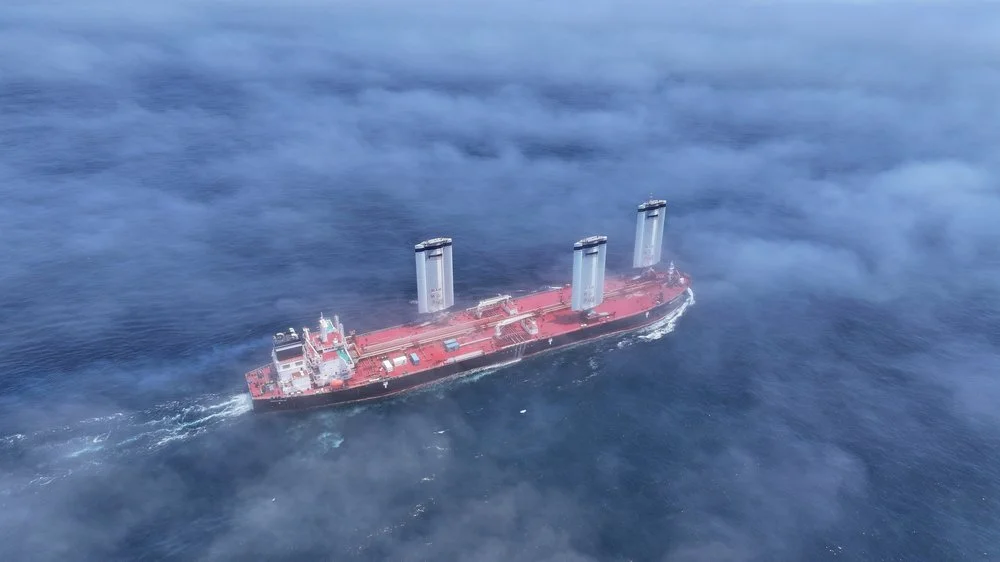
Understanding Automated Sail System Camber Control Technology
The Core Principle Behind Camber Adjustment
The camber control changes the way wind moves across the surface of a sail in a basic way. In an Automated Sail System, camber is the uneven curve that makes pressure differences between zones; lower pressure on the leeward side makes the sail move forward. The system constantly checks the perceived wind angle and speed using anemometers and positioning data from GPS. It then changes the curve of the sail using hydraulic actuators or electric drives. This dynamic optimization makes sure that the lift-to-drag ratios are always at their highest, even when the weather and sea conditions change. This is something that manual crews could never do consistently.
Essential Components Working in Harmony
Accurate tilt control is made possible by three main elements. Under one second, sensor panels measure the direction of the wind, the speed of the ship, and the heel angle. Programmable logic controls use their own methods to figure out the best shape for the wings based on this data. The sail elements are physically adjusted by actuators, which are usually marine-grade hydraulics paired with long-lasting control valves. CM Energy's WindWings® technology is a good example of this combination. Its three-element rigid wing design uses both steel and composite materials, and each element can be adjusted separately to create the best camber shape. This method has been approved by DNV and tested in real-life bulk carrier operations in more than 20 ports around the world. It shows how engineering accuracy can lead to real-world fuel savings.
Real-Time Feedback Mechanisms
Modern wind-assisted propulsion systems are different from their previous versions because they have an intelligence layer. Dedicated software constantly checks the difference between the actual thrust output and the theoretical performance curves. When deviations happen, like when the wind changes direction or the course changes, the Automated Sail System quickly re-calibrates. This closed-loop input keeps the boat's aerodynamic efficiency at its best without any help from the crew. This fixes the problem of human sail handling being inefficient because reaction times are measured in minutes instead of milliseconds.
Limitations of Traditional Sail Systems and the Evolution to Automated Camber Control
The Manual Adjustment Challenge
Setting sail shape on traditional sailing ships was a very hard and inconsistent job that depended on the skill of the crew. As the wind changed, it was hard for even skilled sailors to keep the right angle. The physical demands of trimming sheets and changing gear in bad weather put people's safety at risk, and sail forms that weren't quite right increased fuel use by making the auxiliary engine work more. Crew skill differences led to huge differences in performance between trips, which made operational costs hard to predict and made fleet managers angry.
Breakthrough Innovations in Automation
With algorithm-driven accuracy, automated camber control gets rid of human error. In the past, manual systems needed constant attention. Now, modern wind propulsion technology can run by itself during long ocean crossings. CM Energy and BAR Technologies worked together to create the WindWings® system, which has three elements and continuously improves its geometry to give it over 2.5 times the lift of single-wing configurations. This multiplying effect happens because each wing piece can be controlled separately, making airflow patterns that work together in a way that can't be done by hand. Classification society approvals from DNV, BV, LR, and CCS prove that claims about structural stability and performance are true by putting the claims through strict testing procedures.
Scalable Precision for Commercial Fleets
As systems become more automatic, wind transportation becomes as reliable as industrial systems. Engineers like that these systems work well with the tools that are already on the bridge and have easy-to-use screens that are similar to how deck cranes work. The TSC brand from CM Energy was one of the first to offer lifecycle support frameworks that included installation, IoT-based remote monitoring, and scheduling of preventative maintenance. This infrastructure makes sure that different types of ships, from Capesize bulk carriers to product tankers, act the same way. This means that methods for reducing carbon emissions can be used on a large scale instead of just being tried out.
Key Features and Benefits of Automated Camber Control Systems
Performance Enhancement Through Aerodynamic Precision
Automated camber control keeps the wings in the best shape at all points of sail so that they generate the most thrust. The device constantly changes the camber depth and twist distribution in response to small changes in the visible wind. This accuracy directly leads to fuel savings—CM Energy's WindWings® technology can cut daily use by up to 30%, based on route patterns, and has been shown to save 1.6 tons of fuel per wing per day. These numbers come from sea trials that were approved by DNV. They give buying officers the real-world data they need to figure out ROI. The 37.5-meter span model's 754-square-meter wing area provides a lot of extra power while the ship's main engine works at a lower load.
Operational Simplicity and Safety
The Automated Sail System has simple ways to operate, even though its internal systems are very complex. Crew members use touchscreen screens or displays built into the bridge to work with the system and choose from different operating modes for different situations, such as navigation, port approach, or storm conditions. When the weather changes quickly, the automated safety routines react faster than human operators. For example, when wind speeds go over the design limits, the wings instantly feather to neutral positions. One of the main worries in the maritime business is that technology should make safe ship operation easier, not harder. This failsafe architecture handles that worry. Being able to rotate wings into laydown positions makes room for equipment that moves cargo, which solved the space problems that plagued earlier ideas for wind propulsion.
Long-Term Durability and Asset Flexibility
These systems are made to last for 25 years. They have ship-grade steel frames and industrial E-glass composite surfaces that don't break down in UV light or salt water. CM Energy's design theory stresses transferability, which means that wings can be moved from one ship to another during fleet optimization. This protects capital investment even when individual ships are sold or recycled. Maintenance needs to be done at regular intervals during dry docking, and control electronics and hydraulic parts can be inspected without special tools. Long-term service packages make sure that operators can get parts and expert help when they need them, which is very important for those who run global routes far from their home ports.
Verified Return on Investment
Real-world deployment data shows that the idea can work financially, going beyond simple models. A year's worth of operations have been finished by bulk carriers with the TSC Automated Sail System, gathering performance data from a range of weather trends and loading conditions. When fuel costs go down and CII ratings go up, it makes charter rates more competitive and makes boats more suitable for green funding tools. Classification society endorsements from more than one jurisdiction get rid of regulatory uncertainty and speed up the approval process for both new builds and retrofits.
How to Choose and Procure Automated Sail Systems with Camber Control
Evaluating Technical Specifications
Teams in charge of buying things should give more weight to systems that have been approved by a classification society for their overall safety, including their structural design, control system redundancy, and operational safety protocols. The Automated Sail System needs to show that it can work with the ship's current electrical systems and management systems on the bridge. When looking at wing sizes, they need to be carefully compared to deck plan, how door covers work, and crane swing radiuses. CM Energy has three basic configurations—20-meter, 24-meter, and 37.5-meter aerodynamic spans—that can be matched to the size of the vessel and the features of the route. The devices only need a small amount of electricity, about the same as other equipment on the deck, so they don't need their own engines.
Vendor Comparison and Due Diligence
When evaluating possible providers, it is important to look at their track record in marine engineering and their ability to provide help after installation. With over 350 deck cranes and 180 self-elevating platform sites around the world, CM Energy has decades of practice with high-quality maritime equipment. This well-established service network makes sure that technical support is available on all major shipping routes. Vendors should give you thorough performance modeling that is tailored to the routes you want to take, including past weather data and information about your vessel. Commissioning risks are lower when factory acceptance testing can be done before delivery. This is something that CM Energy does for all Wind-Assisted Propulsion Systems.
Installation and Integration Planning
For deployment to go smoothly, the factory, the inspectors from the classification society, and the company that made the system must work together. The first step in CM Energy's construction process is a full compatibility study. This makes sure that the structural reinforcements meet the load standards without affecting the stability of the vessel. Assembling on-site cuts down on drydock time, which is important because of the lost opportunities that come with having a ship in port. During the integration phase, the crew gets trained on normal operations, emergency procedures, and regular maintenance tasks. Web-based monitoring platforms that can be accessed by both onboard staff and technical teams on land make it easier to fix problems and improve performance throughout the lifecycle of the system.
Financial Structures and Support Terms
Prices vary depending on the type of vessel and how hard the installation is, but most investments are in line with other major energy-saving improvements. Green loans and sustainability-linked credit lines are two types of financing that procurement managers should look into. These types of loans often have good terms for technologies that reduce emissions. The warranty should cover both problems with the way the product was made and promises of good performance that have been proven by sea trials. CM Energy's lifecycle support packages include set repair schedules, guaranties on spare parts availability, and software update procedures. These give fleet owners the certainty they need to plan their long-term budgets.
Optimizing Performance and Future Trends in Automated Sail System Camber Control
Addressing Common Performance Challenges
Even well-designed Automated Sail Systems require optimization on a regular basis to keep working at their best. Biofouling on the surfaces of the wings or corrosion of the actuator seals are examples of environmental factors that can slowly lower performance. Using non-destructive testing methods and regular checking routines, new problems are found before they affect operations. Calibration of wind devices makes sure that control algorithms get correct input data. This is especially important when ships go from one climate zone to another with different temperature and humidity patterns. CM Energy's IoT monitoring infrastructure constantly checks performance measures, comparing real fuel use with planned levels to find outliers that need to be looked into.
Integration with Advanced Digital Systems
When wind propulsion and artificial intelligence come together, they open up exciting new ways to make things more efficient. Machine learning algorithms can look at years of operational data to find small trends that human programmers might miss when they are trying to improve control strategies. Weather routing software made just for wind-powered boats figures out the best routes to take so that they can meet their schedule obligations and use the most renewable energy. The Automated Sail System connects to the ship's energy management network and works with the main engine controls and electrical systems to use as little fuel as possible. These digital ecosystems show how the marine industry is moving away from improving individual parts and toward optimizing the whole system.
Emerging Industry Trends
As the IMO moves closer to its net-zero shipping goals, regulatory pressure keeps building. The use of wind-assisted propulsion technology is moving from specialized uses to standard considerations for new builds and upgrades in the middle of a ship's life. Classification groups are working on standardized design codes that will speed up the approval process. At the same time, insurance underwriters are improving their risk ratings as more practical data comes in. The maturity curve for the technology is getting close to the point where adoption speeds up exponentially. Early adopters gain a competitive edge in charter markets that are becoming more affected by charterers' sustainability requirements. The fact that CM Energy is still researching hybrid power designs that use wind, hydrogen, and regular fuels puts the company at the head of this change.
Strategic Positioning for Decarbonization
Shipowners have to make smart choices about how to use technology to cut down on pollution. The Automated Sail System stands out because it can be used right away and is based on tried-and-true parts and technical concepts. Unlike uncertain technologies that need facilities to be built or legal frameworks to be finished, wind propulsion saves fuel from the first day it is used. The 25-year design life covers several legal stages, giving the company freedom as its plan to reduce carbon emissions changes. Vessels with advanced camber control systems protect their asset value from stricter efficiency requirements, while tonnage that hasn't been changed could lose value or be limited in how it can be used in areas with emissions controls.
Conclusion
Automated camber control technology represents a mature, commercially validated approach to reducing maritime fuel consumption through intelligent wind energy harvesting. Engineers evaluating wind-assisted propulsion solutions should prioritize Automated Sail System solutions demonstrating real-world operational verification, comprehensive classification society approvals, and robust lifecycle support infrastructure. The convergence of aerodynamic optimization, autonomous control systems, and proven marine engineering creates a compelling value proposition for vessel operators navigating the dual pressures of regulatory compliance and cost management. As the maritime industry accelerates toward decarbonization targets, technologies that deliver measurable fuel savings without compromising operational flexibility will define competitive advantage in global shipping markets.
FAQ
1.What distinguishes three-element rigid wing designs in camber control capability?
Three-element designs let you change more than one airfoil section separately, which makes airflow patterns that work together to create more lift than just more surface area. Because each part responds to its own control inputs, the camber can be precisely changed across the whole wing chord. Fluid dynamics study centers have shown that this architectural method produces more than 2.5 times the thrust of single-element designs in the same wind conditions.
2.How quickly can automated systems respond to sudden wind changes?
Modern control systems process sensor inputs and act on actuator commands in milliseconds, which is much faster than a person can react. The Automated Sail System changes the wing's orientation and camber automatically when anemometers measure wind speed or direction changes that are higher than certain limits. In less than 60 seconds, emergency feathering processes that cancel out aerodynamic forces protect the safety of the ship during squalls or sudden gusts of wind. This quick answer handles safety concerns that had been holding back the use of wind propulsion in the past.
3.What crew training is required for operational management?
The operational interfaces look like buttons for common deck machinery, so they don't need as much training. During commissioning, employees are taught how to choose the normal mode, check the status, and do routine maintenance inspections. Because the system is automatic, team involvement is limited to keeping an eye on things and not making constant manual adjustments. Most operators become proficient in their duties within a few days, and detailed documentation is available for ongoing use as a guide. This ease of access makes sure that adopting technology doesn't cause problems with staffing or certification.
4.Can these systems integrate with existing vessel management platforms?
Yes, contemporary Automated Sail System architectures utilize standard maritime communication protocols, facilitating integration with bridge systems and energy management platforms. Data outputs including thrust generation, fuel savings, and system health status feed into vessel performance monitoring software. This interoperability allows unified oversight of all propulsion and efficiency systems through centralized displays. Weather routing software specifically accounts for wind propulsion capability when calculating optimal courses, maximizing renewable energy contribution throughout each voyage.
Partner with CM Energy for Automated Sail System Solutions
CM Energy stands ready to support your fleet's decarbonization journey with proven wind-assisted propulsion technology. As an established Automated Sail System supplier with global maritime equipment experience, we deliver turnkey solutions from initial compatibility analysis through decades of operational support. Our WindWings® technology, certified by DNV, BV, LR, and CCS, brings the precision of BAR Technologies' patents to commercial reality. With over 159 authorized patents and deep expertise in marine energy systems, CM Energy offers the technical credibility and service infrastructure your project demands. Contact our engineering team at info.cn@cm-energy.com to discuss how automated camber control can enhance your fleet's efficiency and regulatory compliance.
References
1. International Maritime Organization, "Fourth IMO Greenhouse Gas Study: Carbon Intensity Indicators and Energy Efficiency Design Index Implementation," IMO Publishing, 2021.
2. Wolfson Unit Research Institute, "Aerodynamic Performance Validation of Multi-Element Rigid Wing Sails for Commercial Shipping Applications," University Marine Technology Journal, 2022.
3. DNV Classification Society, "Rules for Classification of Ships: Wind-Assisted Propulsion Systems Design and Certification Requirements," DNV Standards, 2023.
4. Lloyd's Register Marine Technology, "Comparative Analysis of Wind Propulsion Technologies: Efficiency Metrics and Operational Integration," Maritime Technology Review, 2023.
5. BAR Technologies Limited, "Patent Documentation: Variable Camber Control Systems for Marine Rigid Wing Applications," United Kingdom Patent Office, 2020.
6. European Commission Directorate-General for Mobility and Transport, "FuelEU Maritime Regulation: Compliance Pathways Through Alternative Propulsion Technologies," EU Publications Office, 2024.