How do hydrogen purification modules operate?
Hydrogen purification modules operate through a multi-stage process that transforms crude hydrogen into high-purity gas suitable for fuel cells and industrial applications. The system combines catalytic deoxidization, moisture removal through adsorption, and particle filtration to achieve residual oxygen levels below 3 ppm and purity exceeding 99.999%. Raw hydrogen first passes through a palladium catalyst bed where oxygen reacts with hydrogen to form water, followed by thermal treatment and cooling to separate liquid water, then moves through rotating adsorption towers that extract remaining moisture to achieve dew points below -70°C, before final filtration removes solid contaminants.
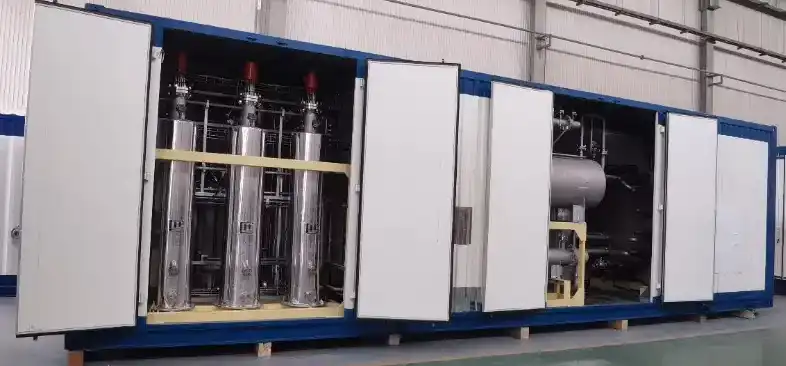
Understanding Hydrogen Purification Modules: Key Principles and Technologies
When factories that make hydrogen use electrolysis or chemical processes to make crude hydrogen, the byproducts include oxygen, water vapor, and particles that make it less useful for later uses. This important quality gap is filled by a Hydrogen Purification Module, which uses designed separation methods that meet strict international standards such as ISO 14687 and SAE J2719.
Core Components and Their Functions
Modern methods for cleaning water have three important parts that work together. The first line of defense is the catalytic deoxidization chamber, which has palladium-based catalysts that help turn any leftover oxygen into water molecules. This exothermic process happens quickly when electric heating elements stay within the right temperature ranges. At the same time, liquid water is turned into mist, which makes removal easier later on.
The second important part is the adsorption beds, which are usually set up in a three-tower revolving design. Every eight hours, each tower goes thru adsorption, regeneration, and rest stages. Molecular sieve materials inside these containers catch water molecules and small amounts of contaminants, but hydrogen can still pass thru easily. The smart change between towers makes sure that the system keeps running without stopping the flow of hydrogen to equipment further down the line.
Particle filter units remove any solid contaminants or adsorbent dust particles that may have gotten thru earlier steps and finish the cleaning process. These filters keep sensitive parts like fuel cell membranes safe and keep storage compression systems from getting clogged.
Operating Principles Explained Step-by-Step
When crude hydrogen comes in at pressures higher than 1.6 MPa, the filtering process starts. Palladium catalysts lower the activation energy needed for oxygen-hydrogen processes inside the catalytic container. This lets almost all of the oxygen be removed at room temperature. The electric heating system does two things: it speeds up the reaction and evaporates the product water so that it doesn't build up and damage the catalyst beds or block the flow.
After being treated by a catalyst, the hydrogen stream—which now has a lot of water vapor and almost no oxygen—goes thru a cooling area where gasses and liquids separate. Intelligent collection systems let free water drain away automatically, which lowers the amount of moisture that needs to be absorbed by towers further downstream.
Brilliant spinning is what makes the three-tower adsorption device work. While Tower A actively dries incoming hydrogen, Tower B regenerates by letting out trapped moisture with heated purge gas, and Tower C is ready in standby mode. This rotation gets rid of downtime and keeps the quality of the output stable. The adsorbent materials, which are usually molecular sieves chosen for hydrogen use, have tiny pores that catch water molecules more efficiently while letting smaller hydrogen molecules pass thru with little pressure loss.
Technology Variants and Their Suitability
Catalytic-adsorption hybrid systems, like the ones that CM Energy and TSC offer, are the best way to use an electrolyzer to make hydrogen for fuel cell cars or an industrial gas supply. In contrast to pressure swing adsorption systems, which lose 10–25% of their feed hydrogen during regeneration cycles, this method gets very low amounts of impurities without losing any hydrogen.
Another method is membrane-based separation, which uses palladium-alloy membranes that let hydrogen molecules pass thru but not larger molecules. Some niche uses work better with membrane systems than others. For modest to large-scale operations needing flow rates from 10 to 6000 normal cubic meters per hour, catalytic-adsorption hybrids work better. The flexible design lets the capacity grow without having to rethink the whole purification train.
Performance Standards and Metrics
Industrial purchasing choices are based on success metrics that can be checked. Specifications for output purity must match the needs of the application. For example, oxygen levels must be less than 5 parts per million (ppm) and moisture dew points must be below -70°C for fuel cell systems to avoid damaging the catalyst and membrane. The TSC Hydrogen Purification Module always gets 99.999% purity, which meets the strictest fuel cell requirements.
The general performance of the plant is affected by the difference in pressure across the system. Well-designed modules keep the pressure at the exit within 0.2 MPa of the pressure at the inlet, which keeps the recompression energy losses to a minimum. Specifications for product temperatures make sure that they can be used with storage or delivery equipment. Most systems give hydrogen below 40°C.
The operating economics are directly affected by how long the catalyst and adsorbent last. When used correctly, good palladium catalysts and molecular sieves keep working for at least three years, which lowers the need for upkeep and the overall cost of the product's life. During the buying phase, these measures of reliability become very important when comparing different pieces of equipment.
Core Benefits and Applications of Hydrogen Purification Modules
Putting in place advanced cleaning systems gives process engineers and plant managers real value in a number of areas that are important to them.
Enhanced Product Quality and Operational Reliability
Getting consistent hydrogen quality gets rid of the main cause of fuel cell failure and process problems in industry. When oxygen levels above 5 parts per million (ppm) are present in fuel cell stacks, the platinum catalyst sinters faster, which lowers efficiency and shortens the time between replacements. By keeping the amount of oxygen in the fuel below 3 parts per million, purification systems make fuel cells last longer, which directly leads to lower total costs of ownership for fleet operators and fixed power plants.
Modern designs for Hydrogen Purification Modules include smart technology that makes the process reliable. Programmable logic controls keep an eye on many factors all the time, like flow rates, pressures, temperatures, and moisture levels. They also change the speed of valves automatically to keep specs even if the feed gas composition changes. Alarm systems let workers know about problems before they affect the quality of the product. This lets them do preventative maintenance instead of emergency fixes.
The full hydrogen recovery feature gets rid of trash and makes the business more profitable. In traditional PSA systems, 10 to 25 percent of the feed hydrogen is vented during regeneration cycles. This costs commercial hydrogen producers a lot of money. Catalytic-adsorption systems get back all of the hydrogen that is put into them, turning waste gas into a product that can be sold or used as fuel.
Scalability for Diverse Industrial Applications
The modular design philosophy makes it possible to deploy across a wide range of scale needs. Small electrolyzer devices that make hydrogen for use in laboratories or as a backup power source work well with small purification units that can handle 10 to 30 normal cubic meters per hour. Large industrial hydrogen plants can make up to 6,000 normal cubic meters of hydrogen per hour by using multiple linked modules or larger single units. These plants help refineries run or make chemicals.
This scalability goes beyond the initial installation to allow for growth in the future. As hydrogen production grows, plants can slowly add more purification capacity. This way, they don't have to buy equipment that is too big at first or pay a lot to fix it up later. Technicians can repair individual towers or catalyst beds without having to shut down the whole cleaning system because of the modular layout.
Application Diversity Across Industries
Electrolyzer plants that split water into hydrogen and oxygen depend on purification systems to get rid of the oxygen that gets into the hydrogen stream because of flaws in the membrane or carryover from the electrolyte. Without proper cleaning, this oxygen would make the hydrogen useless for fuel cells and put storage systems at risk of safety dangers.
Whether the hydrogen comes from a pipeline or is produced locally, fuel cell car filling sites need to clean it on-site. The Hydrogen Purification Module makes sure that all vehicles get fuel that meets SAE J2719 standards. This keeps expensive fuel cell stacks safe and upholds maker warranties.
Suppliers of industrial gasses used in the production of electronics, float glass, and metalworking processes have to meet strict purity standards. For epitaxial growth and other important processes, semiconductor manufacturing plants need hydrogen with total impurities below 1 ppm. Chemical plants that use hydrogen for hydrogenation processes need to keep the moisture level under control to stop side reactions and catalysts from losing their ability to work.
A big European company that makes electrolyzers put CM Energy purification modules into the complete hydrogen production systems they sell to gas station owners. The full solution, which included an electrolyzer and integrated cleaning, made purchasing easier, lowered interaction risks, and sped up the time it took to start using the system. Station workers said they met the goal purity standards right away after starting up, without having to wait for long tuning times that are common with separate-source equipment. The station network was able to meet strict goals for filling vehicles during the early usage phase because it worked reliably.
How to Choose the Right Hydrogen Purification Module: Criteria and Comparisons
Finding the best purification equipment requires a thorough analysis of available technologies, the abilities of suppliers, and the costs over the whole life of the equipment.
Technology Selection Based on Application Requirements
When working conditions and purity goals are different, catalytic-adsorption systems and other methods may be chosen. Catalytic-adsorption combos work best when very high purity, no hydrogen loss, and ease of use are all important. Using electrolyzers to make hydrogen for fuel cells is the best way to put this technology to use.
The composition of the feed gas has a big effect on the choice of technology. The process of catalytic deoxidization works well with oxygen levels up to a few percent in hydrogen streams that have a lot of it. The palladium catalyst beds can handle changes in makeup without losing their effectiveness, unlike membrane systems that get clogged up easily with contaminants.
For uses where demand changes, the flow rate needed and the ability to slow it down are important. The three-tower adsorption system automatically changes the time of each cycle to keep the purity high over a wide range of flow rates. This adaptability is good for gas shops whose business changes during busy and slow times.
Evaluating Design Quality and Material Selection
How long a system lasts and how much upkeep it needs depend on the quality of its parts. High-purity palladium is cast on thermally stable ceramic supports to make catalyst beds that don't sinter and keep working for years at a time. Poor catalyst formulations lose their ability to work within months, needing expensive replacements more often, which raises the cost of doing business.
The way molecular sieve adsorbents work is very different from one another. High-quality materials designed to dry with hydrogen have low dew points with little pressure drop and don't break down mechanically when the temperature and pressure are changed many times. Generic adsorbents might break down into dust that gets into filters and messes up the product hydrogen.
Valve choice has a huge effect on durability. PLC programs that control pneumatic valves allow precise timing for tower switching. On the other hand, manual valves pose the risk of operator error and restrict automation. Valve parts in CM Energy systems are put thru a lot of tests to make sure they can withstand a million cycles of hydrogen service.
Economic Considerations and Procurement Strategies
Capital prices are just one part of economic research. A full review looks at the costs of installation, the amount of energy used, how often consumables need to be replaced, and the amount of upkeep work that needs to be done for Hydrogen Purification Module. Systems with higher initial costs usually have better lifecycle economics because their operating costs are lower over time.
Delivery times affect how long a job takes and how much it costs in total. Standard modular configurations can be shipped in three to six months, but highly customized systems need more time for engineering and production. Costly project delays can be avoided by talking about schedule needs with possible providers early on.
Warranty policies and customer service after the sale are what set quality suppliers apart from commodity vendors. Three-year guarantees that cover the performance of both the catalyst and the absorbent give customers peace of mind and help them plan their budgets. Technical support for starting, training operators, and fixing problems makes sure that the machine starts up and keeps running smoothly.
Supplier Evaluation and Partnership Considerations
Supplier technical expertise directly affects project success, especially in electrolyzer integration, fuel-cell purity, and hydrogen safety. ISO 9001 and pressure-vessel certifications demonstrate manufacturing quality. Experienced suppliers such as CM Energy provide reliable energy equipment, while established local service networks offer faster maintenance and emergency support.
Installation and Commissioning Best Practices
Proper installation ensures reliable operation through correct foundation mounting, pipeline connections, control-line routing, and electrical integration. Pressure and leak testing verify system integrity and hydrogen safety. Commissioning includes sensor calibration, alarm and control-function testing, operational simulations, and operator training to ensure compliance, safety, and efficient long-term performance.
Optimizing Hydrogen Purification Module Performance
To keep up peak performance, you need to pay attention to operational parameters, do preventative maintenance, and keep improving the performance of the Hydrogen Purification Module.
Addressing Common Operational Challenges
Operational efficiency losses can indicate rising pressure drop, moisture breakthrough, or increasing oxygen levels. Monitoring pressure and dew point helps identify adsorbent degradation or poor regeneration, allowing timely parameter adjustment or replacement. Catalyst damage or bypass requires removing contamination and correctly reloading or replacing the catalyst bed.
Maintenance Protocols for Extended Lifespan
Scheduled maintenance extends equipment life through quarterly inspections of valves, leaks, drains, and warning logs. Annual servicing evaluates catalyst and adsorbent performance, replaces filters, and services actuators. Long-term performance tracking optimizes replacement timing, while quality catalysts and adsorbents can last three years or longer, reducing lifecycle costs.
Leveraging Advanced Monitoring Technologies
Advanced monitoring provides real-time data on oxygen, moisture, and impurities, enabling early detection of performance changes. Remote connectivity allows CM Energy experts to diagnose problems without site visits, reducing downtime and travel costs. Predictive maintenance uses operating data and machine learning to identify potential component failures and optimize servicing.
Emerging Technologies and Future Developments
Emerging technologies include nanostructured and poison-resistant catalysts that improve oxygen removal, reduce energy use, and maintain performance under contamination. Advanced adsorbents, including metal-organic frameworks, offer higher capacity and longer service life. Plant-level control integration can optimize electrolyzer, purification, and compression-storage operations according to electricity prices and demand.
Conclusion
Hydrogen Purification Modules are very important for making sure that raw hydrogen meets the strict requirements for use in fuel cells and other industries. Modern systems use catalytic-adsorption technology to get ultrahigh purity and full hydrogen recovery thru a beautiful three-stage process. Procurement experts can choose the best tools for their jobs by understanding operational principles, performance metrics, and selection criteria. Paying attention to the quality of the installation, the rules for maintenance, and new monitoring technologies ensures reliable performance over long operational lifespans. Modern systems are built in a way that makes them flexible and scalable, so they can meet a wide range of capacity needs while also making upkeep and future growth easier.
FAQ
1.What distinguishes catalytic-adsorption systems from PSA technology?
By removing oxygen chemically and adsorbing water physically, catalytic-adsorption hybrids get higher clarity with no hydrogen loss. PSA systems only use pressure swing cycles, which need to let out 10 to 25 percent of the feed hydrogen during regeneration. Catalytic systems work best in electrolyzers where keeping the product yield high is important, while PSA works best in reformers where cost is more important.
2.What hydrogen purity levels can modern modules achieve?
Modern Hydrogen Purification Modules can regularly get hydrogen that is 99.999% pure, with less than 3 parts per million of oxygen remaining and dew points below -70°C. These specs go beyond what is needed for a fuel cell and meet the needs of demanding industrial applications. When planned and run correctly, the catalytic-adsorption process naturally gets these levels of purity.
3.What timeline should buyers expect from inquiry to commissioning?
Choosing and buying equipment usually takes two to four months, which includes expert study, price quotes, and signing the contract. It takes three to six months to make and deliver, depending on the system's capacity and the level of customization needed. Getting the site ready, installing the equipment, and starting it up take an extra one to two months. It is reasonable to expect nine to twelve months from the first question to the start of production.
Partner with a Trusted Hydrogen Purification Module Supplier
CM Energy has been making energy tools for decades and now uses that knowledge to make hydrogen purification technology work well for electrolyzer makers, filling stations, and industrial gas uses. Our Hydrogen Purification Module systems use tried-and-true catalytic-adsorption technology, smart automation, and modular expansion that can handle 10 to 6000 normal cubic meters per hour. The systems get 99.999% pure and recover all the hydrogen, which protects your fuel cells and makes the most of the plant's economy. We help customers choose equipment, install it, start it, and keep it running by giving them a lot of specialized information and quick service.
Explore our whole selection of hydrogen energy equipment and talk to our application engineering team about your specific purification needs. Contact CM Energy at info.cn@cm-energy.com to request detailed specifications, application guidance, and customized quotations for your project. Our team is excited to help you reach your goals for hydrogen quality with solutions that are based on top-notch engineering and precise manufacturing.
References
1. International Organization for Standardization. "ISO 14687:2019 - Hydrogen fuel quality - Product specification." Geneva: ISO, 2019.
2. Society of Automotive Engineers. "SAE J2719: Hydrogen Fuel Quality for Fuel Cell Vehicles." Warrendale: SAE International, 2015.
3. Thornton, M.J., and Montoya, P. "Hydrogen Purification Technologies for Fuel Cell Applications." Journal of Power Sources, vol. 485, 2021, pp. 229315.
4. Chen, W.H., et al. "Catalytic Deoxidization and Adsorption Systems for Electrolyzer Hydrogen Purification." International Journal of Hydrogen Energy, vol. 47, no. 18, 2022, pp. 10234-10247.
5. National Renewable Energy Laboratory. "Hydrogen Quality Specifications for Fuel Cell Applications." Golden: NREL Technical Report, 2020.
6. Ratnasamy, C., and Wagner, J.P. "Water Gas Shift Catalysis and Hydrogen Purification: Fundamental Principles and Industrial Practice." Catalysis Reviews - Science and Engineering, vol. 61, no. 3, 2019, pp. 451-509.