WindWings® Fuel Saving Technology for Bulk Carriers
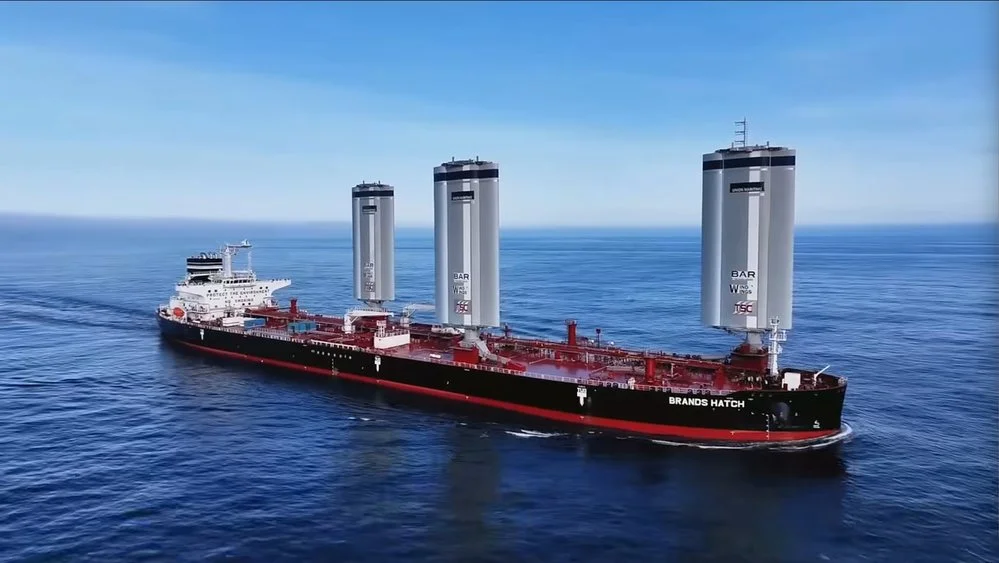
WindWings® is a revolutionary way to cut down on fuel use in bulk carrier operations by using advanced wind power to move the ships. This three-element rigid sail system is trademarked and uses natural wind forces to help the engine's power. It has been shown to save fuel and help ship owners meet stricter carbon intensity markers and environmental rules. This technology, which was made in partnership with BAR Technologies in the UK, meets the urgent need for decarbonisation options in business shipping that are also cost-effective.
Understanding the Core Technology Behind Wind-Assisted Propulsion
The marine industry has been looking for a long time for useful ways to cut down on its use of fossil fuels without affecting its ability to run smoothly. It turns out that wind-assisted ship power works well. It blends old sailing ideas with modern aerodynamic engineering and automatic systems.
How Rigid Wing Sails Generate Propulsive Force
Traditional soft sails need to be adjusted by hand all the time. Rigid wing technology, on the other hand, works by precise aerodynamic principles, like aeroplane wings. When placed at the best angle to the prevailing winds, the system creates forward thrust by varying the pressure across its surfaces. This three-element setup gives a lot more lift than single-element designs. Studies from the Wolfson Unit and Lloyd's Register have confirmed performance measures that directly lead to measurable fuel savings.
The wings are high above the deck, so they can catch the steady wind energy that appears at higher elevations, where the weather is more stable. This placement makes it possible for the system to use wind power successfully in a wide range of weather situations and travel routes.
Automated Optimization Through Smart Control Systems
Modern ships need methods that work with the way the bridge is already set up and don't add extra work for the crew. The technology has complex control systems that constantly check the sea conditions, wind speed and direction, and the direction of the ship. Specialised software figures out the best wing designs in real time, changing the angle of attack and camber profile automatically to make the most power.
Because of this technology, crew members don't need to know a lot about sailing. The system works like common deck machinery, and it has easy-to-use controls that let people keep an eye on it and take action physically when needed. Weather routing features make things even more efficient by finding ways where the wind will help the most with propulsion.
Construction Materials and Structural Engineering
For materials to last in tough marine settings, they need to be very good. The wings are made of ship-grade steel and industrial E-glass composite surfaces. This makes the structures strong enough to survive decades of saltwater exposure, UV radiation, and mechanical stress. Marine-grade hydraulic systems power the folding mechanisms that let the wings move into laydown positions when working with goods requires access to the deck or when ships need to go under bridges with limited air flow.
This mixed way of building WindWings® strikes a balance between the need for strength and the need to keep the structure's integrity without having a big effect on the ship's steadiness or its ability to hold weight. Type approval has been given by classification groups like DNV, Bureau Veritas, and Lloyd's Register, which means the design meets strict safety and performance standards.
Comparative Analysis: Evaluating Technology Against Traditional Solutions
Ship owners who are looking at different choices for propulsion need to be able to clearly compare them in order to make smart investment decisions. The differences between the different ways of using wind to move things have a big effect on practical results and return profiles.
Performance Advantages Over Conventional Soft Sails
Traditional cloth or synthetic fabric sails have a lot of problems that make them unsuitable for business ships. They need complicated pulley systems, have to be adjusted by hand all the time, break down quickly after being used for a long time, and make it harder to move goods. When compared to rigid wing shapes, soft sail configurations also make a lot less power per unit of sail area.
These problems are taken care of by rigid wing technology, which uses designed aerodynamic shapes to give more than 2.5 times the lift coefficient of single-element options. The automated control systems keep the best setups without any help from the crew, and the ability to fold up completely eliminates any problems with cargo operations. The operating lifespan is extended to 25 years by the durability of the materials. Installations can be moved from one ship to another as the fleet changes.
Reliability and Real-World Validation
Claims about theoretical performance need to be checked against real-world service conditions. Several bulk ships and trucks with this technology have made calls at major ports in Europe, Asia, and the Americas without any problems. These ships have gathered operating data from a wide range of trade routes, weather trends, and types of cargo. Fuel consumption cutbacks have been independently confirmed to be in line with what was expected.
Even when there were rough conditions like high seas, extreme weather, and a lot of goods cycling, the system always worked well. There have been no problems with wing operations during port calls or transit operations, which shows that there are good reasons to be wary of adding new technology to traditional marine operations.
Financial Considerations and Return Expectations
Detailed financial research is a key part of making choices about capital investments. While prices vary depending on the type of vessel and the amount of work that needs to be done, under present fuel prices, return on investment calculations usually show payback times of three to five years. This time frame takes into account the cost of installation, the need for upkeep, and modest estimates of how much fuel will be saved.
As bunker prices go up or carbon pricing systems get bigger, the financial situation gets better. Putting direct costs on carbon emissions through standards for selling emissions in the European Union and possible future rules in other places will probably shorten the time it takes to get back the money spent on emissions. Operators also need to think about how the value of their assets will change if their ships meet or beat new efficiency standards versus those that might have their operations limited or their hiring rates lowered.
Procurement Guidance for Shipping Companies and Fleet Managers
To get modern power technology WindWings®, you have to deal with technical specs, legal requirements, and relationships with suppliers. Knowing the buying route makes it easier to make decisions and makes sure that the plan is carried out successfully.
Identifying the Right Technology Partner
CM Energy, which works under the TSC name, has a lot of experience with maritime tools when it comes to deploying wind propulsion. The company has a history of having a big share of the global marine equipment market and being good at both complicated installs and lifecycle support. This background gives ship owners faith that projects will go smoothly from the first meeting to the final commissioning and beyond.
Working with well-known marine technology companies has benefits that go beyond the gear itself. For users who aren't familiar with wind propulsion systems, full support ecosystems that include engineering advice, installation supervision, crew training, and ongoing technical help are important. TSC's experience in installing naval equipment directly translates to knowing how vessels work and the problems of integration.
Customization for Specific Vessel Types and Routes
Bulk trucks come in a wide range of sizes, configurations for handling goods, and ways of running. When installing wings on chemical tankers, Newcastlemax bulk ships, and LR2 tankers, there are different things to keep in mind. The space between the cargo holds needs to be big enough to allow for hatch cover operations and communication with cranes or conveyor systems. Route analysis figures out the best wing size by looking at how the wind blows along common trade lanes.
CM Energy does thorough compatibility studies that look at things like structural needs, how well the electricity systems work together, and how they affect operations. This consultative method makes sure that the end configuration gives the most value for each application, instead of using general solutions that might not work well in some situations.
Support Services and Warranty Provisions
Quality of help after the sale has a big impact on long-term value. Full warranty coverage includes guarantees for products, work, and function. As technology changes, maintenance deals can include regular checks, replacement of parts, and updates to the system. IoT tracking lets you do remote diagnostics that find problems before they affect processes. This cuts down on unplanned downtime.
Crew members go through training classes to make sure they know how the system works, how to do regular maintenance, and how to fix problems. Support teams on land will always be available to help with technical issues while the vessel is in use. These service promises set long-term partnership providers apart from transactional equipment vendors.
Installation Process and Long-Term Maintenance Requirements
Adopting technology successfully needs care methods that last and are easy to use. Knowing what needs to be done for installation and ongoing maintenance helps workers make good plans.
Pre-Installation Engineering and Vessel Assessment
The first step is to do thorough scans of the ship to record its structure, how its parts are arranged, and how its systems talk to each other. By planning manufacturing activities around planned drydock times, engineering teams make installation plans that keep ship downtime to a minimum. In order to handle wing loads, structural supports may be needed, especially when older mass is being retrofitted.
Before the equipment gets to the ship, factory acceptance testing makes sure that all of its parts are of good quality and work properly. This quality gate finds possible problems in controlled settings, where they are easier to fix than when they are installed on a ship. During this step, documentation packages are put together to support approvals from classification societies and flag states.
Shipboard Installation and Commissioning
The construction process on-site is organised and includes preparing the base, putting together the structure, connecting the electrical systems, programming the control system, and integrating the hydraulic system. Installation teams with a lot of experience and knowledge of working on ships get the job done quickly and efficiently while working with ship staff to keep other activities from getting in the way.
Commissioning includes making sure that all mechanical systems work, checking the logic of the controls, making sure that the safety systems are working, and setting a performance standard. During this time, crew familiarisation meetings make sure that everyone knows how things normally work on the ship before it goes back into service. As part of the certification process, classification society inspectors see important testing stages.
Routine Maintenance and Inspection Protocols
Like any other marine gear, wind propulsion systems need to be checked on a regular basis to make sure they keep working well. Compared to major propulsion systems, maintenance tasks are still pretty simple, like taking care of deck cranes or tools for moving goods. The team doesn't have to deal with complicated rigging or sail fixes.
Regular checks look at the amount and state of hydraulic fluid, the way the control system works, the links between structures, and the condition of the surface. Composite surfaces might need to be cleaned every so often to get rid of salt buildup that could make them less efficient. The strong construction and high-quality parts support the 25-year design life, and the simple care methods work well with current planned maintenance systems.
Building Confidence Through Proven Performance and Industry Recognition
To use the new technology WindWings®, people need to believe that the systems will do what they say they will do and that providers will keep their promises. There are a number of things that help buying decision-makers feel confident.
Certification and Class Society Approvals
Before classification groups approve marine technology, it has to meet strict safety and performance standards. Through thorough review processes, DNV, Bureau Veritas, Lloyd's Register, and the China Classification Society have all given their approval to the plan. These approvals show that the structure is strong enough, the safety systems work, and the ship is in line with international marine rules.
In addition to what the seller says, independent verification by well-known fluid dynamics research institutions adds even more trustworthiness. Testing by the Wolfson Unit and evaluation by Lloyd's Register give buying teams objective performance data they can use when making business cases for investment approval.
Operational Track Record and Customer Experience
Real-life service experiences are more reliable than predictions based on theory. Ships with this wind power technology have logged a lot of hours of service on trade routes around the world. Bulk carriers have been able to handle a wide range of weather conditions while keeping cargo operations on track and showing improvements in fuel efficiency that back up investment choices.
Testimonials from vessel owners show that not only does it save fuel, but it is also easy to use and reliable. The methods work with the way cargo is normally handled, so there are no changes needed to the speed or freedom of port operations. There are good reasons to be worried about how new technology might change the way things are normally done, and this real-world proof answers those worries.
Comprehensive Partnership Approach
Technology companies do more than just sell tools; they also offer partnership structures that help businesses succeed in the long run. Technical training programs, operating advice, performance tracking services, and efforts to make things better all the time show that the dedication goes far beyond the initial installation. Instead of seeing installations as one-time deals, this partnership-based approach matches the supplier's goals with the results for the customer.
Having access to experts in areas like route optimisation, performance analysis, and helping with legal compliance is valuable, and that value grows over time. As environmental laws change and working conditions alter, having long-term partnerships with tech companies that know what they're doing helps businesses adapt their strategies and keep their performance at its best.
Conclusion
With WindWings® wind-assisted propulsion technology, bulk ship owners can save money on fuel and cut down on pollution, which helps with both economic and environmental issues. The three-element rigid wing design of WindWings® has better aerodynamics, can be operated automatically, and has been shown to be reliable in a wide range of marine situations. This method is trustworthy because WindWings® has been approved by major classification groups, checked by independent research institutions, and used successfully in the past. CM Energy brings knowledge of maritime tools and full support to the introduction of WindWings® wind propulsion. This gives vessel owners a way to improve efficiency and meet regulatory requirements through useful, field-proven technology.
FAQ
1. What fuel savings can operators realistically expect?
What savings you actually get rely a lot on the route and how the vessel is used. The biggest benefits come from routes that have steady, favourable winds; in the best situations, reductions can reach up to 30 percent. In a wide range of situations, the average savings run from 10 to 20 percent. During the assessment phase, a detailed route study gives accurate predictions for certain trade trends. DNV's independent verification shows that when systems run on the right paths, their real-world performance matches what was expected.
2. How long does installation take, and what vessel downtime is required?
Installation times depend on the size of the vessel and whether the work is being done during new building or retrofitting. To keep operations running as smoothly as possible, retrofit installs are usually timed to happen during planned drydock times. The real installation work usually takes a few weeks, but planning and manufacturing work is done before the ship even gets to the yard. With careful planning, the ship will be back in service quickly, so there won't be any long breaks in income.
3. Does the system comply with safety regulations and insurance requirements?
The technology has been approved by DNV, Bureau Veritas, Lloyd's Register, and the China Classification Society, which means it meets international safety standards for the sea. Insurance companies see these decisions as meeting their underwriting standards. The automatic safety systems have fail-safe routines that lock down the wings in case of an emergency. This helps prevent losses, which is something that insurers look at.
Partner with CM Energy for Advanced Marine Propulsion Solutions
Through tried-and-true wind power technology, CM Energy is ready to help your fleet make the switch to more environmentally friendly and cost-effective operations. As a WindWings® provider with a lot of experience making and installing marine equipment, TSC can help with everything from the original consultation to the end of the product's life. Our team knows how to meet the specific needs of chemical tankers, bulk carriers, and other commercial ships by creating custom solutions that work well with your business.
Talk to our experts at info.cn@cm-energy.com about how wind-assisted power can help you save money on fuel, get better CII scores, and get your fleet ready for new environmental rules. We do thorough assessments of whether a project is possible, clear analyses of the project's finances, and full project help from planning to commissioning and beyond.
References
1. International Maritime Organization, "Fourth IMO GHG Study 2020: Reduction of GHG Emissions from Ships," Marine Environment Protection Committee, 2021.
2. Smith, T.W.P. et al., "Wind-Powered Shipping: A Review of Wind-Assist Technologies for Merchant Vessels," Maritime Policy & Management, vol. 48, no. 3, 2021.
3. Bureau Veritas, "Guidelines for Wind-Assisted Ship Propulsion Systems: Design, Installation and Operational Considerations," Technical Publication, 2023.
4. Nelissen, D. and van der Meulen, S., "Assessment of the Fuel Savings Potential of Wind Propulsion Technologies for Ships," CE Delft Research Report, 2022.
5. Lloyd's Register and UMAS, "Techno-Economic Assessment of Zero-Carbon Fuels and Wind-Assisted Propulsion," Insight Report, 2023.
6. DNV Maritime, "Alternative Fuels and Technologies for Greener Shipping: Wind-Assisted Propulsion Performance Verification Methodology," Classification Notes, 2024.