LFSS Future Outlook: Role in LNG Energy Transition
The future of LFSS in the LNG energy transition revolves around its capacity to deliver a reliable, efficient fuel supply infrastructure that supports maritime decarbonization. As liquefied natural gas becomes a cornerstone transitional fuel for shipping fleets worldwide, advanced LNG Fuel Gas Supply Systems streamline onboard fuel handling, enhance operational safety, and reduce methane emissions. LFSS solutions enable vessels to meet stringent environmental regulations while maintaining operational efficiency across diverse maritime applications.
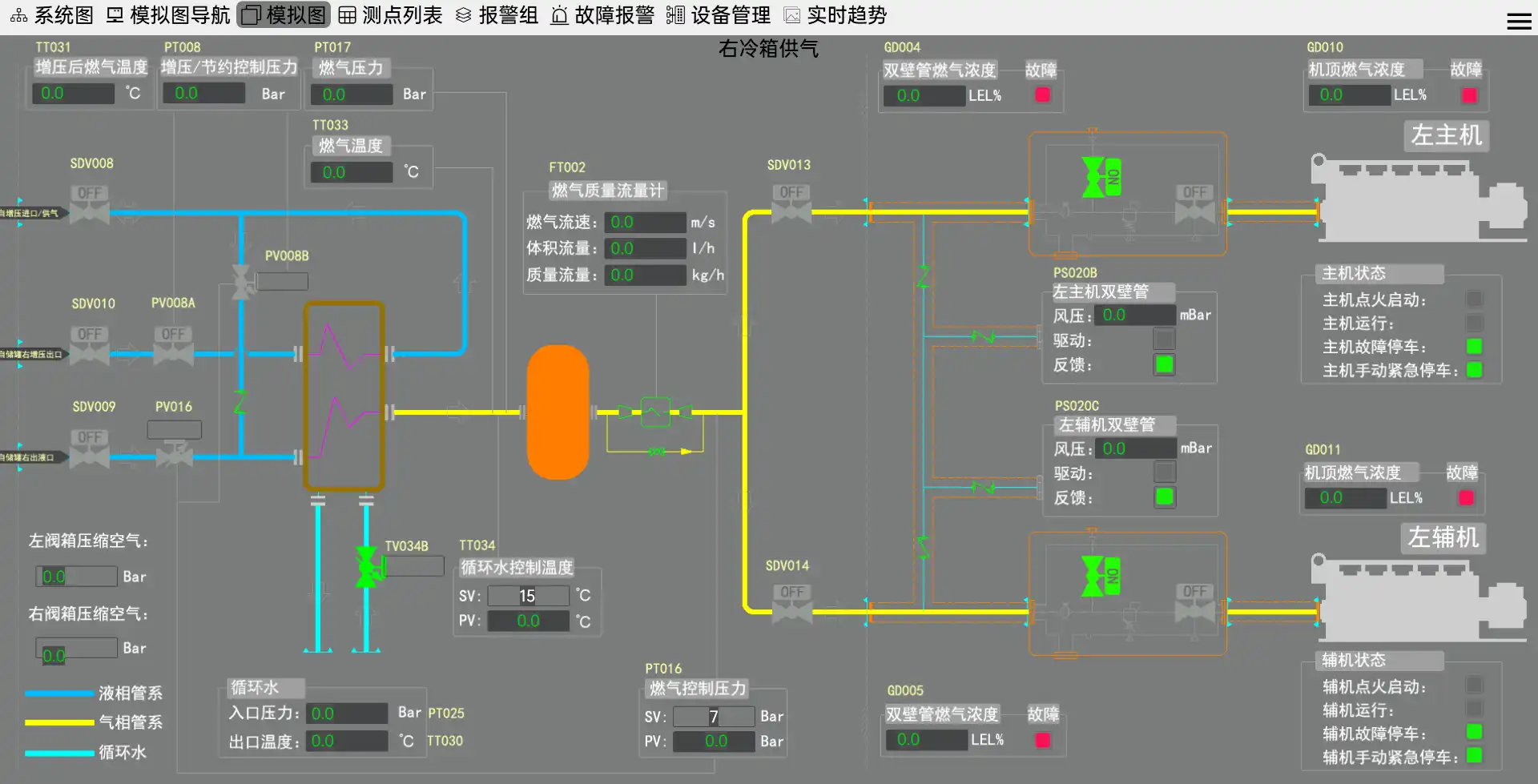
Introduction
We are at a tipping moment in marine energy. In recent years, LNG has become a viable bridging fuel, helping ship owners reduce carbon emissions while generating money. LFSS, or LNG Liquid Flow and Supply Systems, drive this transformation. For safe engine shipping, they incorporate liquefied natural gas storage, handling, and retrieval facilities.
The global shipping industry is under pressure to decrease its carbon impact. International Maritime Organization guidelines to decrease greenhouse gases are speeding up the deployment of cleaner fuels. LNG immediately reduces sulphur oxides by over 100%, nitrogen oxides by up to 85%, and particle matter by a lot compared to normal marine petrol. LNG is ideal for bulk ships, tankers, vehicle carriers, and offshore support boats that must navigate tougher environmental zones.
How LFSS technology works in fuel infrastructure projects is important for procurement professionals. These systems keep gasoline flowing in rough seas using storage tanks, vaporisation machines, pressure management devices, and control systems. For ship owners moving to LNG power, the correct LFSS arrangement may affect system reliability, safety, and cost.
Our study covers technical fundamentals, operational concerns, new features, and changing market situations that impact LFSS deployment in diverse marine regions. As the energy sector evolves toward more sustainable solutions, we'll examine how these systems function in the real world and what to consider when purchasing.
Understanding LFSS and Its Role in LNG Energy
LNG Fuel Gas Supply Systems are complex technical systems made to handle cryogenic liquid natural gas at temperatures as low as -162 degrees Celsius. These methods keep the exact pressure and temperature levels needed for effective combustion between when the fuel is stored and when the engine uses it.
Core Components of Modern LFSS Architecture
Modern LFSS setups have many parts that all work together. LNG is kept in storage tanks in a liquid state, which reduces its volume and increases its energy density. Vaporisation equipment changes fuel from a liquid to a gas that can be injected into an engine. Pressure tanks and pumps make sure that the delivery pressures are right for each engine, whether they need low pressures for Otto-cycle engines or high pressures for modern dual-fuel technologies.
Temperature, pressure, flow rates, and tank levels are constantly being checked by control devices. Within milliseconds, automated safety routines react to anything out of the ordinary, protecting the crew, the cargo, and the integrity of the vessel. The way that mechanical, thermal, and digital technologies are combined in current LFSS makes it possible for them to work reliably in a wide range of sea conditions and operating profiles.
Strategic Importance in Maritime Decarbonization
LFSS systems do more than just handle fuel; they also help businesses make strategic choices about how to make their fleets more sustainable. Vessels with properly built LNG fuel infrastructure can enter ports that are controlled for the environment, get special treatment under emission control plans, and meet charterer standards for less damage to the environment.
When ship owners choose LNG power, they are committing to long-term infrastructure that needs to work well for decades. The quality of the LFSS has a direct effect on how available it is for use, how much it costs to maintain, and its safety records. Unplanned failure, higher insurance rates, and possible regulatory violations can all be caused by bad system design. On the other hand, well-engineered solutions give measured returns through better fuel economy, fewer upkeep tasks, and more marketability of the vessel.
Current Challenges in LNG Energy Transition and How LFSS Addresses Them
Adopting LNG fuel brings practical challenges that standard fuel systems have never seen. Because LNG is very cold, it needs special materials, working methods, and safety rules. Management of boil-off petrol, refuelling operations, and engine integration all need careful planning to make sure that safety risks aren't overlooked and that efficiency isn't lost.
Operational Hurdles in LNG Fuel Management
Switching to other fuels causes technological issues for ship owners. LNG's low temperature stresses parts and materials; thus, choosing the correct materials and creating adequate shielding designs is crucial. Collect and utilise boil-off gas, natural evaporation from stored LNG. If not, energy is wasted and methane escapes.
Bunkering is more complicated than refuelling. LNG transport requires specialised equipment, qualified personnel, and rigorous safety measures. Many ports lack LNG bunkering facilities, limiting operations. A vessel's LFSS system must manage varied fuels and pressures at multiple refuelling stations.
Ship space issues complicate system design. Small, light choices that don't restrict cargo or space are needed in marine contexts. Integrating new technologies with ship systems like electrical, control, and safety must be carefully planned throughout design and construction.
Proven Solutions Through Advanced System Design
These issues are overcome in recent LFSS installations employing mixed engineering methodologies. Our low-pressure systems have been utilised on commercial ships for over a year and have proven effective. Equipment and pipelines are in tank cooling systems to conserve space and maximise vessel area while keeping everyone safe.
Use of boil-off gas is crucial. Modern LFSS designs incorporate gas combustion units and supplementary heaters to capture and burn BOG, converting it into energy for ship warmth or electricity. This approach eliminates methane slip concerns and improves energy efficiency.
Because of its pressure flexibility, single LFSS systems may function with diverse engine technology. Otto-cycle petrol engines can operate at pressures below 16 bar, making them appropriate for many dual-fuel applications. High-pressure variants transport fuel over 300 bar for advanced engine designs, reducing methane emissions by a tenth while maintaining efficiency throughout all load ranges.
Modular construction simplifies assembly and finishing. Prefabricated LFSS modules arrive at ports ready to assemble. This reduces construction time and on-board welding. This technology provides better quality control, faster delivery, and reduced installation hazards than field-assembled systems.
Technological Innovations Behind LFSS Driving LNG Transition
What LFSS systems can do is always changing as technology improves. Putting together digital tracking, predictive diagnostics, and automatic control makes things more reliable while also giving ship workers less work to do. These new ideas make managing LNG fuel easier for workers with different levels of technical knowledge.
Intelligent Monitoring and Control Systems
Modern LFSS platforms have sensor networks that constantly check the system's performance factors. Temperature probes are placed along the delivery and storage paths to find any changes in temperature before they affect activities. Pressure sensors check the integrity of the system and let workers know if there are any leaks or broken parts. Flow meters give real-time information about how much fuel is being used, which helps improve performance and make sure that travel plans are accurate.
Centralised control systems use the data from these monitors to handle everyday tasks. Fuel flow changes instantly to match the engine's needs, keeping pressure and temperature at the right levels without any help from the driver. Monitoring tank levels sends warnings for planning refuelling, which makes sure that ships never run out of fuel without warning.
Safety Features and Risk Mitigation
The current LFSS design is inspired by safety engineering everywhere. Multiple backup safety mechanisms safeguard against various failures. Emergency shutdown sequences disconnect fuel sources in milliseconds when sensors detect danger. Firefighting equipment designed for cryogenic environments provides higher protection than naval safety systems.
For cryogenics and saltwater, tight requirements guide material selection. Important parts made of stainless steel resist corrosion and maintain structural integrity. Special valves and seals prevent system leaks even at extreme temperatures during operation or while not in use.
Ventilation systems prevent gasoline leaks from igniting in tiny spaces. The gas monitoring system constantly monitors gas levels and alerts when they are reached. These stacking safety measures provide robust protection for classification societies and international marine safety legislation.
Partnership-Driven Innovation
Working together with engine makers makes sure that LFSS works well with power systems. TSC and MAN Energy Solutions are working together to create high-pressure fuel supply systems that work best with modern dual-fuel engine technologies. Through these relationships, engine experts and fuel system engineers work together to create integrated solutions that improve fuel economy and lower emissions.
Working with design firms to build systems adds more technical skills to the process. Working with Norwegian design experts lets us use cutting-edge marine engineering methods, which makes sure that our LFSS solutions keep up with changing customer needs and industry standards. This collaborative method speeds up new ideas while keeping the stability that has been shown to work.
Market Trends and Future Outlook for LFSS in LNG Energy
The growing need for LNG fuel infrastructure is being driven by the global force behind marine decarbonisation. Regulations, concern for the environment, and economic benefits all work together to encourage the use of LNG on a wide range of vessels. This coming together makes a lot of room for growth for companies that make LFSS technology and ship owners who are ready to invest in green power.
Regional Adoption Patterns and Drivers
North America and Europe are the first places where LNG fuel is used. This is because of strict emission control areas and strong environmental laws. Port officials in these areas are favouring ships that are better for the environment more and more, which is good for businesses that run on LNG. Government reward programs help pay for the building of LNG infrastructure, which lowers the cost of adopting it.
Asian markets are becoming more interested, especially in boats that work in coastal and inland rivers. China wants to cut down on air pollution, which is what drives river ships on big canals like the Yangtze and Pearl Rivers to use LNG. According to charterers who want environmentally friendly shipping, Japanese and Korean shipbuilders are adding more and more LFSS fuel systems to new ships.
Vessel Segment Growth Opportunities
For each vehicle, LFSS adoption takes longer and has various requirements. Pure car and truck transporters are enthused by LNG power, and some significant carriers use it. These ships feature enclosed decks for fuel systems without sacrificing cargo space. It simplifies LFSS integration.
Another development area is offshore support vessels. These ships operate in environmentally sensitive areas with severe emission regulations. LNG propulsion is feasible and fulfils regulatory criteria, platform supply boats and offshore construction ships are using it.
Because they trade globally and stop at many ports, bulk ships and tankers have longer adoption periods. Since fuel supply is expected to expand and restrictions to tighten, more owners are selecting LNG capabilities for newbuilds. LFSS designs for these ships emphasise reliability and flexibility across several operational aspects.
Future Technological Trajectories
In the future, LFSS technology will probably change so that it works better with different fuels. As fuel infrastructure grows around the world, hybrid systems that can handle LNG along with ammonia, methanol, or hydrogen give businesses more options for how they run. This flexibility helps vessel owners deal with the fact that they don't know when fuel will be available or what rules will apply.
Digitalisation will get stronger, and expert teams on land will be able to help with ship operations through remote tracking. Predictive maintenance programs will figure out the best time to change parts, which will cut down on unplanned downtime and make systems last longer. These improvements make operations more reliable while lowering costs.
Strategic Considerations for B2B Procurement of LFSS Solutions
To choose the right LFSS technology, you need to carefully look at it from many angles. Professionals in procurement have to find a mix between technical performance, lifetime costs, supplier skills, and how well the product fits with the company's overall sustainability goals. Doing a lot of research before making a choice saves a lot of money and ensures that fuel infrastructure investments are used for a long time.
Technical Evaluation Criteria
LFSS decision is based on how well the system will work with the planned engine setups. For reliable integration, the pressure needs, fuel supply rates, and control interface standards must all be exactly the same. Some LFSS systems don't have the advanced fuel transfer features that ships with many engines or other equipment may need.
Scalability is important for fleet owners who want to build or convert more than one ship. Standardised LFSS setups across fleet units make it easier to train crews, keep track of spare parts, and do upkeep. Flexible suppliers who offer flexible designs that can be used on a range of jar sizes and shapes are very helpful.
The space economy has a direct effect on how much a ship costs. Compact LFSS setups keep cargo space and work areas the same, which increases the chance of making money. Tank integration methods that keep safety limits while minimising size give competitive benefits in vessel designs with limited room.
Supplier Assessment Dimensions
The seller's capacity to manufacture indicates reliability and consistency. Firms having expertise with dual-fuel boats understand ocean ship environmental issues and regulations. If the firm has a good reputation with classification organisations and vessel owners, shipping will be successful.
Offering several services simplifies purchasing. Suppliers that provide integrated solutions from design to installation, commissioning, and lifetime support make projects simpler to manage. Single-point accountability ensures easy communication and faster issue resolution.
Helping clients after the transaction is crucial to company success. Professional aid may be swiftly offered wherever the vessel is, thanks to global service networks. Spare parts, training, and system updates make LFSS investments viable for as long as boats are in operation.
Collaborative Engagement Approaches
LFSS integration works best when suppliers are involved early on in the planning steps of a vessel. Collaborative engineering finds ways to better use the room, think about how to distribute weight, and integrate systems more efficiently that might be missing during the buying process. This method of working together usually leads to better results than buying things one at a time.
Processes for technical explanation make sure that everyone understands each other's needs and abilities. Clear standards are set, and misunderstandings are avoided by having in-depth conversations about operating profiles, legal requirements, and upkeep philosophies. Before committing to a specific answer, procurement teams should take the time to have a full conversation with possible suppliers.
Conclusion
For years to come, LFSS technology will be essential as the maritime sector uses greener fuels. LNG is a practical transitional fuel that allows ship owners and operators to preserve the environment and make money. Safe, dependable, and efficient LNG management aboard various ships is achievable with modern fuel supply systems.
New technologies improve LFSS talents. Smart monitoring, automatic control, and built-in safety answer practical issues. Regulatory requirements and environmental concerns are driving market uptake across all vessel types and geographies. Understanding these dynamics helps procurement professionals make company-beneficial decisions.
To identify the finest LFSS partner, evaluate their technical expertise, manufacturing quality, and service commitments. Transactional suppliers don't have the same long-term value as proven, integrated, and collaborative enterprises.
FAQ
1. What makes LFSS critical for maritime LNG adoption?
LFSS offers the necessary infrastructure to connect the storage of LNG fuel with devices that use it in engines. Ships can't use LNG safely or consistently without fuel supply systems that are properly designed and built. These systems keep cryogenic temps under control, manage boil-off gas, and make sure that fuel is always available, no matter what the working conditions are. The dependability of operations, safety, and success in reducing emissions are all directly related to the quality and design of LFSS.
2. How do high-pressure and low-pressure LFSS differ?
For Otto-cycle petrol engines, low-pressure devices deliver fuel below 16 bar by vaporising it and putting a small amount of pressure on it. These setups work well for many dual-fuel systems, are easier to build, and have been shown to be reliable. Advanced engines that need fuel above 300 bar are supplied by high-pressure systems that use special pumps to reach the right pressures. High-pressure designs allow for more efficient burning and much lower methane emissions than low-pressure options, but they make the system more complicated.
3. What technical support should LFSS suppliers provide?
Comprehensive providers give support throughout the whole lifetime, including working together on the design, supervising the installation, helping with testing, teaching the crew, and providing ongoing expert advice. No matter where a ship is, global service networks make it possible for help to be quick and effective. There are ways to improve systems, spare parts are easy to get, and people who know how to fix problems make sure that ships can keep running for decades. Instead of focusing on one-time equipment sales, procurement teams should give more weight to sellers who show they are committed to a long-term relationship.
Partner with a Proven LFSS Manufacturer for Your LNG Transition
Our LNG Fuel Gas Supply Systems have been used successfully in the field, and CM Energy is ready to help you with your marine decarbonisation journey. Our TSC brand low-pressure and high-pressure LFSS systems are designed to take up as little room as possible and have a lot of safety features. They also work reliably, as shown by real-life vessel operations. We've worked on a lot of different types of ships, including bulk carriers, tankers, car carriers, and offshore boats, so we know what each one needs.
Our engineering team works closely with vessel owners to create LFSS configurations that are specifically designed to work best for each type of activity. We offer complete solutions that make it easier to use LNG while also making sure it will work for a long time, from the initial design to installation, commissioning, and continued assistance. Strategic agreements with top engine makers make it possible for the merger to go smoothly and for performance to be improved.
Email our team at info.cn@cm-energy.com to talk about the needs of your project. We will give you expert advice, an analysis of the project's viability, and custom proposals that are made to fit your vessel's configuration and operating needs. CM Energy is a well-known LFSS provider with a lot of experience in the marine industry. They can give your fleet transition the technical excellence and service commitment it needs.
References
1. International Maritime Organization. "Fourth IMO GHG Study: Reduction of GHG Emissions from Ships." Marine Environment Protection Committee, 2021.
2. Jensen, S., Corbett, J.J., and Winebrake, J.J. "Past, Present, and Future Trends in Ship Emissions." Maritime Policy & Management, 2020.
3. DNV GL. "Alternative Fuels for Ships: Technology and Market Readiness." Position Paper Series, 2019.
4. American Bureau of Shipping. "LNG Fuel Gas Supply Systems: Design and Operational Guidance." Marine Technical Guidance Notes, 2022.
5. Lloyd's Register. "Decarbonization Pathways for Maritime Transport: Fuel Transition Scenarios." Global Maritime Technology Center, 2021.
6. Society of International Gas Tanker and Terminal Operators. "LNG Bunkering Safety Guidelines for Ship-to-Ship Operations." Industry Standards Publication, 2020.