Wind Propulsion System Benefits for Bulk Carriers
Modern bulk haulers are under more and more pressure to cut costs while still following strict environmental rules. These Wind Propulsion Systems are a useful option because they use natural wind energy to help regular engines work better, saving fuel and lowering pollution. These high-tech systems work well with the equipment that's already on board the ship. This gives procurement workers a tried-and-true way to meet regulations and make more money. When marine companies know the main benefits of wind-assisted technologies, they can make smart choices that make them more competitive and help make shipping more environmentally friendly.
Understanding Wind Propulsion Systems in Bulk Shipping
Using wind energy on business ships is an amazing example of how far the marine industry has come. Modern wind-assisted technologies are different from the sails that were used hundreds of years ago. They use complex engineering concepts to improve aerodynamic performance in a wide range of sailing situations.
Evolution from Traditional Sails to Modern Systems
In the early days of seafaring trade, wind power was the only source of power. But during the Industrial Revolution, people started to focus on using machines to move ships. As fuel costs have gone up and people have become more aware of the environment, there has been a renewed interest in wind power in recent decades. Modern stiff wing sails, rotor sails that use the Magnus effect, and automatic kite systems are not at all like the way cloth was used in the past. Composite materials, automated control systems, and real-time performance tracking are all used in these technologies to make them as efficient as possible while still allowing for working freedom.
Key Technologies Applied in Bulk Carriers
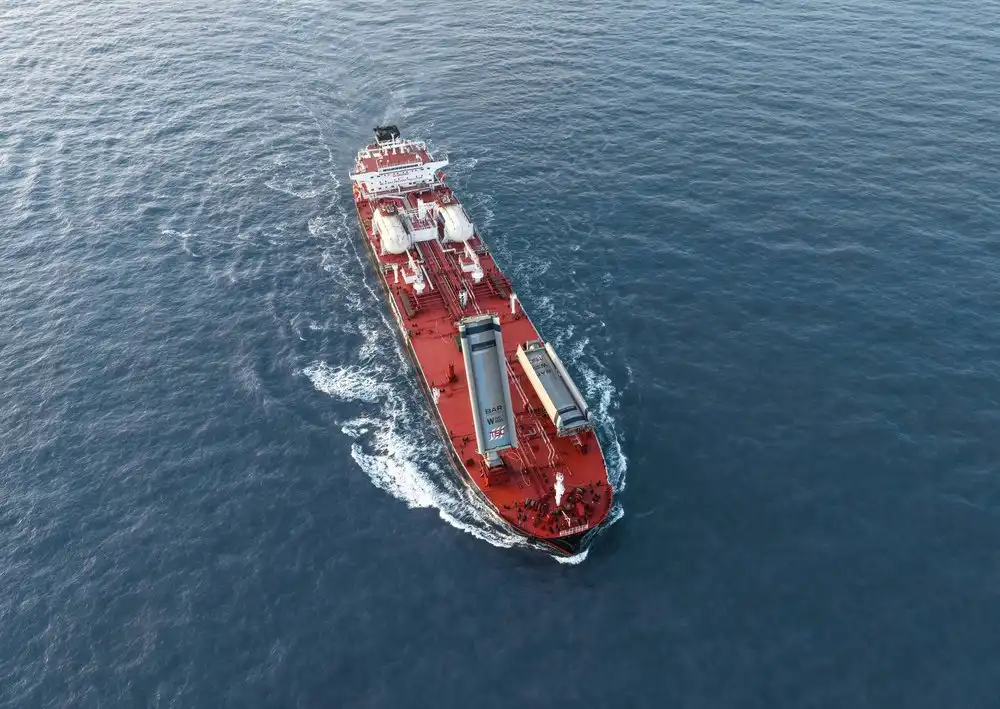
One of the most fascinating wind-powered innovations is rigid wing sails. These devices move like vertical aerofoils utilising mechanical lift. The three-part WindWings® system, designed by BAR Technologies in the UK, illustrates this concept. This setup automatically adjusts camber and angle of attack, dependent on wind, to maximise performance. The Wolfson Unit and Lloyd's Register independently verified the system's aerodynamics. The system satisfies practical safety and performance criteria with DNV certification.
Alternatives include Flettner rotors. Power comes from spinning cylinders via the Magnus effect. Suction sails and towing kites are alternatives. Each works better for various operations and vessel designs. Trip characteristics, cargo demands, and deck setup determine the option.
Integration with Modern Vessel Infrastructure
Modern wind-assisted systems connect digitally to ship control systems that are already in place. To find the best wing orientation and configuration, special software looks at the ship's speed, direction, and weather statistics. With this technology, crew members don't need to know anything special about sailing because operations are the same as using a normal deck crane. During cargo operations, the systems fold or spin into laydown positions to make sure they work with hatch covers and cargo handling equipment, which is an important thing to think about for bulk carrier operations.
Core Benefits of Wind Propulsion Systems for Bulk Carriers
Adopting technologies that use wind power has real benefits in terms of operations, finances, and rules. These perks go beyond just saving money on petrol; they also include being able to make smart moves as regulations change.
Substantial Fuel Savings and Cost Reduction
Fuel expenses are bulk transport firms' greatest variable cost; improving efficiency affects their profitability. Wind Propulsion Systems may save fuel consumption significantly on the correct routes, but their effectiveness relies on wind speed, settings, and circumstances.
Real-world operational data demonstrates that savings are consistent throughout trade patterns. Ships with fixed wings that span seas in favourable winds save the most fuel. Even on poor roads, the systems save a lot of money annually. The 37.5-meter WindWings® design saves fuel per wing every day, saving setups with many wings money annually.
These savings reduce travel costs and hedge against bunker fuel price increases. As carbon tax systems like the EU ETS increase, using less fuel lowers carbon compliance costs, creating additional money-making possibilities.
Regulatory Compliance and Environmental Performance
Carbon emission reduction targets are high at the International Maritime Organization. These ships must fulfil the Energy Efficiency Existing Ship Index and enhance their Carbon Intensity Indicator ratings. Wind Propulsion Systems are a reliable approach to achieve these criteria without replacing the propulsion system.
By reducing primary engine power demands, wind-assisted technologies immediately reduce carbon dioxide emissions in proportion to fuel savings. The WindWings® technology reduces carbon dioxide emissions by several tonnes per wing daily, helping organisations reach sustainability objectives and comply with regulations. This capacity to minimise becomes increasingly important when environmental regulations tighten, and stakeholder demands for sustainable operations climb.
Many classification bodies, including DNV, Bureau Veritas, Lloyd's Register, and the China Classification Society, have specific Wind Propulsion System approval standards. These models verify structure, operations, and performance. This provides procurement experts with confidence in the technology's maturity and reliability.
System Reliability and Lifecycle Performance
Modern wind-powered systems are durable and low-maintenance. It is built with ship-grade steel and industrial composites to withstand extreme marine conditions. Hydraulic systems and control parts designed for marine conditions can withstand corrosion and fluctuating temperatures.
The WindWings® system lasts over 20 years without major repairs. This matches most ships' lifespans. Like deck equipment, routine maintenance is done. The most crucial tasks are eye inspections, bearing lubrication, and control system updates. This maintenance technique is simpler than combustion engine maintenance, lowering lifetime costs and simplifying operations.
Automated health monitoring systems monitor parts and give maintenance notifications. This allows predict maintenance, reducing unforeseen downtime. Remote diagnostics allow land-based technical teams to repair without specific skills.
Comparison: Wind Propulsion vs. Traditional Propulsion Solutions
Before you can compare wind-assisted technologies to traditional power, you need to know how they work and how much they cost. When these systems are used with current engines, they make them more efficient overall. They are not new technologies.
Operational Efficiency Across Different Routes
Wind Propulsion Systems work best on routes where the wind blows in a steady pattern that lines up with the direction of the ship. Trans-oceanic bulk carrier paths, especially those that follow trade wind lines, are great places for wind to help. Ships that travel between countries on mostly set routes can plan their stops knowing that their normal schedule of operations will allow them to perform well.
On the other hand, ships that mostly stay in calm waters or follow paths that change a lot don't get as many benefits. The technology works best when the availability of wind coincides with the activities of the ship for a large part of the voyage. Advanced weather routing systems made just for wind-assisted boats help choose the best way to make the most of the wind's benefits. These systems have easy-to-use interfaces for both staff on land and teams on board.
Financial Analysis and Return on Investment
Installation expenses, working capital, and changing restrictions must be considered when investing in wind propulsion technology. Retrofitting existing ships and incorporating them into new designs have varying prices; the research must examine both.
Checking the construction and perhaps reinforcing the deck, changing the electrical system to supply control power, and installing the new parts to save ship downtime are retrofit installations. Newbuild integration improves design from the start, making installation simpler and cheaper than upgrades.
Investments are profitable mainly from fuel savings. Pollution trading schemes also reduce carbon compliance expenses. Fuel costs, vessel use, routes, and system size affect payback times. Regularly on excellent routes, ships earn their money back quicker than schedule-changing ships.
Operating leases and performance-based payment schemes may help you meet your initial capital requirements and match your expenses to your savings. These agreements save expenses and share risk between operators and suppliers.
Leading Manufacturers and Technology Providers
There are well-known companies in the wind power market that have a history of providing working systems. Through its TSC name, CM Energy has built up a wide range of marine energy solutions skills, drawing on years of experience in making a lot of marine equipment. The company has delivered deck cranes and other specialised equipment to marine uses around the world, which makes it a good fit to support the deployment of wind propulsion technology with full lifecycle service capabilities.
When choosing suppliers, you need to look at their technical skills, certifications, infrastructure for after-sales help, and financial security. Approvals from well-known classification societies like DNV, Bureau Veritas, and Lloyd's Register show that the ship has been through a full technical study and meets all safety standards in the industry. Companies that offer full support packages, such as installation supervision, crew training, performance tracking, and maintenance services, are more valuable over the lifecycle of a system than companies that only sell tools.
Implementing Wind Propulsion Systems on Bulk Carriers
For implementation to go well, it needs to be carefully planned, technically evaluated, and coordinated by many people. Understanding the process helps people who work in buying guess what needs to be done and how long it will take.
Compatibility Assessment and Design Integration
The vessel must be thoroughly inspected to determine compatibility and the appropriate system configuration before installation. Naval engineers evaluate the deck's structure's ability to support system loads by examining both constant weight and operating forces. This analysis determines structural reinforcement and deck room for installation without impacting container operations.
Electrical system capacity must be checked to ensure automated control systems have adequate power. Despite minimal power demands compared to large propulsion systems, ensuring adequate power prevents functioning restrictions. Adding the system's weight and aerodynamic forces to stability calculations ensures full and damaged stability. The classification society must accept stability guide revisions.
The system is ideally placed between cargo holds on bulk ships to make the hatch cover easier to access and provide crane room. The WindWings® rotating mechanism allows laydowns during cargo operations. So it doesn't hinder loading or unloading. This design aspect is crucial for port output and operational flexibility.
Installation Process and Timeline Management
Bulk carriers with wind-assisted systems that operate around the world have made port calls at a number of big sites without any problems, showing that they can work with the infrastructure that is already there. The timing of installation usually works with planned drydock times so as not to affect income too much. The steps include preparing the foundation, putting together structural parts, installing the control system, and checking the system after it's been put into service.
Factory acceptance testing makes sure that the system works before it is sent out, making sure that it meets performance standards and that the controls work properly. Onboard installation follows thorough steps that have been developed from previous versions. Skilled installation teams keep timelines to a minimum. Full training for the team makes sure they are operationally proficient; this training includes normal operations, emergency measures, and regular maintenance chores.
Maintenance Protocols and Long-Term Support
Modern Wind Propulsion Systems have many benefits, one of which is their ease of use. During crew training, it is stressed that operations are similar to using normal deck equipment and don't require specific sailing experience. The ability to override automatically gives operators more options, letting the team step in when situations call for it.
Long-term support packages, like the ones made by CM Energy under the TSC brand, offer ongoing professional help, spare parts, and services to improve efficiency. IoT monitoring systems let teams on land keep an eye on performance from afar, which lets teams on land find ways to improve things and suggest preventative maintenance. This support infrastructure is very important for keeping the system up and running smoothly throughout its entire working lifecycle.
Future Outlook and Strategic Advantages
Wind power technology is still changing quickly. New developments are improving performance, lowering prices, and making the technology more useful. When procurement experts understand these trends, they can carefully place investments within long-term fleet planning.
Emerging Technology Developments
Combining different types of green energy sources to make a hybrid system is a big step forward in progress. Incorporating solar power gives ships extra electricity, which means they don't have to use as many backup engines and use even less fuel. When you combine wind power with solar power, you get complete green energy sources that cut emissions as much as possible.
AI programs improve performance by using algorithms that learn new things all the time and change control settings based on the data they collect from operations. These systems find small improvements in speed that make things run more efficiently than what was planned at the start. As actual records grow, machine learning models get better at predicting the best wing configurations for different situations.
Digital twin technologies allow for virtual modelling of how well a system will work in different possible operating situations. This helps with planning routes and predicting performance. These tools help operators figure out how much money they can save by analysing certain trading trends. This makes business decisions more reliable and operational planning more accurate.
Competitive Positioning and Market Advantages
Adopting wind propulsion technologies early on has strategic benefits that go beyond the direct operational rewards. More and more, environmental performance is a big deal for charterers when choosing tonnage, and a ship's pollution profile affects its charter rate fees. Ships with higher Carbon Intensity Indicator scores get better shipping contracts and better relationships with customers.
As environmental rules get stricter toward the 2030 and 2050 goals, operators will be in a better situation if they are ready to comply with regulations. Vessels with pollution reduction technologies don't have to rush to make investments to meet regulatory dates. This keeps operations flexible and avoids possible retrofit capacity limits as regulations push the whole industry to adopt new technologies.
More and more, corporate sustainability reports focus on Scope 3 emissions from transportation companies. This encourages cargo owners to choose operators that have a history of being good to the environment. Wind Propulsion Systems reduce emissions in a way that can be measured. This helps customers keep their promises to be environmentally friendly, which builds business relationships and gives them a competitive edge.
Conclusion
In conclusion, Wind Propulsion Systems offer huge advantages for bulk carrier owners who want to cut down on fuel costs, follow rules, and do a better job of protecting the environment. The technology has come a long way, and now there are strong practical track records, thorough approval frameworks, and established provider capabilities that make adoption choices easy. The financial research shows that there are good ways to make money, and legal changes are making the business case stronger over time. If procurement workers know what these systems can do and how they need to be set up, they can carefully place their fleets for long-term success in a regulatory and business environment that is always changing.
FAQ
1. How is fuel-saving potential verified?
Standardised sea trial methods compare vessel performance to baseline measures to make sure that fuel savings are real. To separate the effects of wind power, these tests use ISO 15016 guidelines that take into account weather, sea state, and vessel load. Continuous tracking systems figure out the net power that was provided, separating the output from the main engine from the output from the wind. DNV and other classification societies offer independent verification services that use practical data analysis to back up performance promises. This gives procurement workers faith in the savings they expect to see.
2. Can existing bulk carriers be retrofitted?
With many ships having successfully installed Wind Propulsion Systems, retrofitting represents a sizable market area. The ability of the structure to support system loads and the amount of deck room needed to keep ship operations running smoothly determine whether the project is feasible. Initial structure studies find any needed improvements and make sure they will work with the way things are set up now. The tilting feature of the WindWings® system perfectly meets the needs of bulk carriers, making sure that hatch cover entry is not affected. Installing retrofits works with planned drydock times to keep operations running as smoothly as possible.
3. What maintenance do these systems require?
Compared to gas power systems, they don't need as much maintenance. As part of normal operations, composite surfaces are looked at for harm, bearings for moving parts are oiled, the hydraulic system is checked, and control software is updated. Classification groups usually need polls every year to make sure that systems are in good shape and working properly. Automated health monitoring keeps track of performance all the time, which lets predictive maintenance methods find problems before they break down. Overall, upkeep needs are lower than with standard propulsion equipment, which lowers lifetime costs by a large amount.
Partner with CM Energy for Advanced Wind Propulsion Solutions
With decades of experience making high-quality naval tools, CM Energy has a wide range of skills that can help you with your wind propulsion project. Our TSC brand has a track record of success in providing marine energy solutions by blending cutting-edge technology with real-world operating knowledge. We offer unique integration options for both retrofitting and new building projects. Our full lifecycle services include overseeing the installation, training the crew, keeping an eye on IoT performance, and providing ongoing maintenance support.
As a well-known global company that sells Wind Propulsion Systems, we know what the specific needs of bulk carriers are and can offer solutions that keep goods handling as efficient as possible while saving measurable amounts of fuel and lowering emissions. Our partnership method makes sure that your investment works at its best for as long as it's in use. Get in touch with our team at info.cn@cm-energy.com to talk about your unique needs and find out how wind power technology can help your fleet be more competitive while also helping you reach your sustainability goals.
References
1. International Maritime Organization. "2023 Strategy on Reduction of GHG Emissions from Ships." London: IMO Publishing, 2023.
2. Tillig, F., and Ringsberg, J. W. "Design, Operation and Analysis of Wind-Assisted Cargo Ships." Ocean Engineering Journal, vol. 211, 2020.
3. Lloyd's Register and UMAS. "Wind Assisted Ship Propulsion: Insights from Pilots and Demonstration Projects." London: Lloyd's Register Marine, 2022.
4. DNV Maritime. "Assessment of Selected Alternative Fuels and Technologies." Høvik: Det Norske Veritas, 2023.
5. Bouman, E. A., et al. "State-of-the-Art Technologies, Measures, and Potential for Reducing GHG Emissions from Shipping." Transportation Research Part D: Transport and Environment, vol. 52, 2017.
6. International Windship Association. "Wind Propulsion Innovation Review: Commercial Shipping Applications and Performance Data." London: IWSA Publications, 2023.