International standards require significant reductions in carbon emissions for the maritime industry by the near future. Wind Assisted Propulsion System technology revolutionizes marine engines by harnessing wind energy. These advanced devices can substantially decrease greenhouse gas emissions and fuel consumption. Modern wind-assisted technologies leverage sophisticated aerodynamics and intelligent automation to efficiently capture wind energy across various sailing conditions. This environmentally friendly approach offers considerable cost savings for commercial shipping operators.
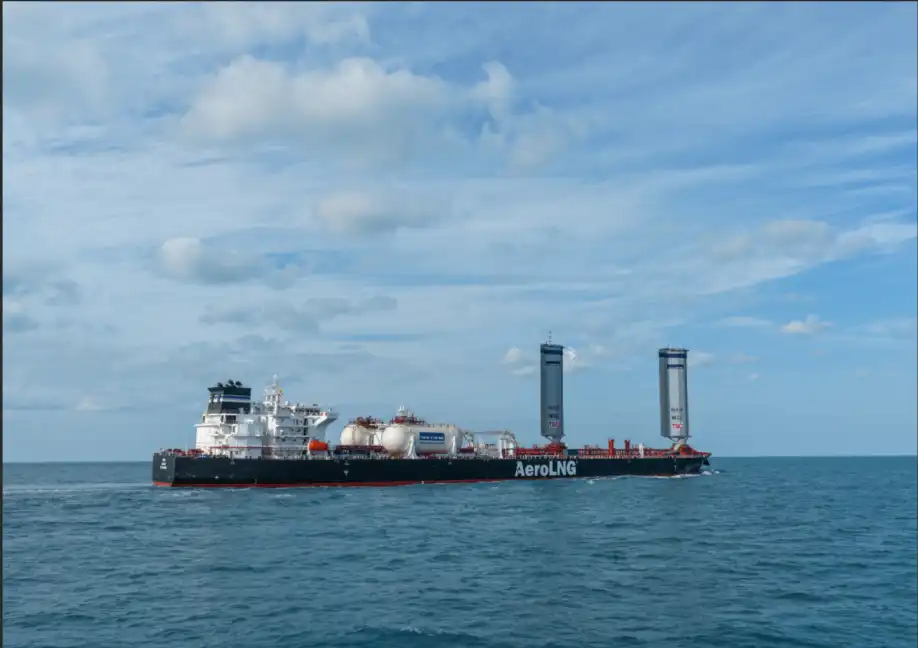
Understanding Wind Assisted Propulsion Systems
Wind assisted propulsion revolutionizes marine sustainability by merging centuries-old sailing concepts with cutting-edge technology. These systems use advanced sail arrangements to capture wind energy and provide forward push to assist motors.
Fundamental Working Principles
Wind Assisted Propulsion System technology generates lift and reduces engine dependency using advanced aerodynamic sails or rotors. This innovation is shown by the WindWings® system's three-element rigid sail with completely adjustable camber and angle of attack. BAR Tech's unique technology optimizes wind capture, regardless of conditions.
Automated control mechanisms alter sail positions to optimal efficiency based on wind and vessel characteristics. Instant optimization with real-time data processing keeps vessels performing well in any weather. This clever automation simplifies sail handling, making wind assistance accessible to modern commercial vessels.
Types of Wind Propulsion Technologies
Modern wind assistance employs various technologies suitable for different vessel types and operations. Rigid sails, such as WindWings®, generate significantly more lift than single-wing designs and are both durable and reliable. When cargo handling requires clearance, these devices can seamlessly rotate into laydown positions during deck activities.
Three-element designs offer enhanced aerodynamic efficiency compared to other options. The combination of steel and composite materials ensures durability, while marine-grade hydraulics function smoothly in challenging maritime environments. Certifications from recognized organizations confirm the technology's safety and performance.
Evolution from Historical to Modern Innovations
Modern wind assistance incorporates marine heritage, sophisticated materials, and clever control technologies. Manual sail handling and crew experience limited efficiency and operational flexibility on historical sailing vessels. Automation and precision engineering remove these limits in modern systems.
Modern Wind Assisted Propulsion System solutions include weather routing for wind-assisted vessels. Web-based interfaces give shore teams and aboard staff real-time performance statistics and route improvement suggestions. Wind assistance becomes automatic with this technology.
Comparing Wind Assisted Propulsion with Traditional and Alternative Systems
Wind assistance outperforms conventional propulsion in fuel efficiency and environmental impact. These comparisons assist procurement managers assess the technology's fleet-wide strategic value.
Fuel Efficiency and Operational Performance
Traditional marine propulsion uses fossil fuels, making it vulnerable to price volatility and emission laws. Wind Assisted Propulsion System technology provides clean power to lessen this need. Bulk ships consistently save fuel using WindWings® in key global ports.
Validation shows these systems are reliable and provide significant operational benefits. Wind-assisted ships complete voyages with lower engine loads, improving machinery life and reducing maintenance. This combination of immediate fuel savings and long-term operational efficiency offers compelling ROI.
Cost-Benefit Analysis and ROI Metrics
Wind assistance investment analysis indicates favorable economics. While installation involves initial costs, fuel savings accumulate rapidly. Significant reductions in fuel consumption per wing using WindWings® can lower annual expenses for vessels with high utilization.
In addition to fuel savings, there are long-term financial benefits. Reduced engine operating hours extend the lifespan of components and increase maintenance intervals. These secondary savings contribute to overall cost reductions, leading to payback periods for commercial shipping that are relatively short. A long design lifespan ensures sustained returns throughout the system's operational existence.
Integration with Existing Marine Technologies
Hybrid solutions that optimize both conventional and Wind Assisted Propulsion System technology are created. System integration is simple, integrating with engine management and navigation devices. Adoption is easy without vessel modifications due to compatibility.
Modern wind assistance is automated, simplifying crew operations. Controls are similar to deck crane operations, requiring little training. Remote diagnostics and performance tracking enable predictive maintenance and system optimization with IoT monitoring.
Selecting the Best Wind Assisted Propulsion System for Maritime Transport
Selection of wind assistance needs careful consideration of vessel features, operational profiles, and performance goals. Wind-assisted propulsion projects' long-term performance and ROI depend on this selection process.
Vessel Compatibility Considerations
Complete vessel assessment is the first step in Wind Assisted Propulsion System deployment. WindWings® works with bulk carriers, tankers, and cargo ships. Cargo holds are strategically placed to integrate with deck operations and cargo handling equipment.
Weight distribution and deck space are structural factors. Modern wind assistance systems are lightweight to reduce vessel changes. System transfers between boats increase operational flexibility and protect fleet renewal investments.
Expected Performance and Emission Reductions
Expected performance and emission reductions must align with realistic operating factors and route characteristics. Under optimal conditions, WindWings® can significantly reduce CO₂ emissions per wing. These emission reductions demonstrate a commitment to environmental responsibility and compliance with industry standards.
Fuel savings depend on route, seasonal wind, and vessel operational profiles. Trade route-optimized systems increase benefits through performance tweaking. Weather routing boosts these benefits by recognizing optimal wind conditions along scheduled cruise tracks.
Installation and Retrofit Processes
Standardised installation methods minimise vessel downtime and operational disturbance. WindWings® system installation comprises compatibility analysis, factory acceptance testing, and onboard commissioning. The systematic methodology promotes integration and immediate performance gains.
Retrofits provide fleet enhancements without major changes. During dry dock periods, modular design speeds installation. Crew training and system optimization continue after installation to maximize operational benefits after commissioning.
Challenges and Optimization Strategies for Wind Assisted Propulsion
Wind assistance technology requires strategic planning and creative solutions to operational issues. Understanding these challenges allows proactive management and system optimization.
Technical Challenges and Weather Dependency
Weather affects Wind Assisted Propulsion System performance, requiring operational flexibility and smart route planning. Systems cannot generate thrust without wind, but recent designs enhance efficiency across wind strengths and directions. Even under marginal wind conditions, WindWings® three-element harnesses wind energy.
\Advanced routing technologies that discover favorable wind patterns along scheduled itineraries reduce weather dependency issues. These technologies help operators optimize wind assistance while maintaining schedule reliability. Integrating conventional propulsion ensures vessel performance regardless of wind.
Integration Complexities and Spatial Constraints
Wind assistance systems must be planned into vessel integration without affecting operations. The WindWings® tilting mechanism provides laydown positions during cargo operations to overcome spatial constraints. This design flexibility assures wind assistance enhances vessel operations.
Control system integration unifies wind assistance and vessel management systems for operational oversight. Automated safety systems monitor system status and ambient factors to ensure safe operation. Crew control in critical situations is maintained by manual override.
Regulatory Compliance and Industry Standards
Wind assistance adoption requires maritime and classification society norms that govern navigation. The WindWings® system is certified by DNV, BV, and Lloyd's Register. Commercial shipping safety and reliability are verified by these approvals.
Regulatory compliance includes operating requirements after certification. Maritime-standard systems maintain compliance over time. Regular inspections and maintenance optimize system performance and maintain certification.
Our Commitment to Sustainable Maritime Solutions
CM Energy leads maritime decarbonization with novel wind aid solutions based on decades of marine technology knowledge. Our TSC brand represents technological excellence and environmental responsibility, helping the global shipping sector become sustainable.
Company Expertise and Innovation Leadership
In marine technology, we have extensive experience across various maritime applications. With a significant number of deck cranes and self-elevating platforms deployed globally, CM Energy is dedicated to marine excellence. Our innovative Wind Assisted Propulsion System is built upon this extensive portfolio.
Our numerous authorized patents, including several for inventions, showcase our leadership in technology and innovation. Wind assistance technology continues to evolve through our research and development efforts, ensuring that our solutions remain at the forefront of the industry. Our partnership with BAR Tech further enhances our focus on efficiency and performance.
Comprehensive Wind Assistance Portfolio
As our flagship wind assistance system, TSC WindWings® utilizes three-element rigid sail technology with proven performance. Our product line accommodates a wide range of vessel sizes and operational needs, ensuring adaptability for bulk carriers, tankers, and specialized cargo boats.
We manufacture systems designed for long-lasting durability, using ship-grade steel and industrial composite materials. Our quality control includes certification of raw materials from ISO-certified suppliers and full approval from classification societies. These standards ensure reliable performance in challenging maritime environments.
Full Lifecycle Support and Technical Services
CM Energy offers consultancy and maintenance throughout the system lifecycle. Compatibility study, factory acceptance testing, and aboard commissioning comprise our installation process. Post-installation support includes personnel training, IoT monitoring, and technical support.
Our global service network speeds technical and maintenance responses. Long-term service packages maintain system performance and reduce downtime. This complete support approach creates long-term partnerships with sustainable maritime shipping operators.
Conclusion
Wind Assisted Propulsion System technology is fundamental to maritime sustainability, decreasing carbon footprints and improving operational economics. Hybrid systems that combine wind assistance with conventional propulsion save fuel and the environment. As fuel costs rise and regulatory pressure increases, wind assistance can help achieve compliance and profitability. For optimal results in different operational settings, system selection, competent installation, and continual optimization are needed.
FAQ - Common Questions About Wind Assisted Propulsion Systems
1. How do Wind Assisted Propulsion Systems work on commercial vessels?
Wind Assisted Propulsion System sails complement engines to capture wind energy. The device automatically adjusts sail position and camber based on wind and vessel characteristics to reduce engine load and generate propulsion. Modern systems like WindWings® use three-element stiff sails with automated controls for consistent performance with minimal crew participation.
2. What are the main cost components for implementing wind assistance?
Implementation costs encompass system purchase, installation, and integration. While WindWings® equipment and installation require an initial investment, fuel savings can quickly cover these expenses. Decreased engine operating costs help offset routine maintenance and inspections. Leasing and financing options further reduce upfront costs while allowing operators to enjoy operational benefits.
3. Can wind assistance systems achieve significant fuel and emission reductions?
Effective wind aid devices significantly reduce fuel consumption and emissions, according to independent testing. WindWings® technology can lead to substantial reductions in CO₂ emissions per wing and offers considerable fuel savings depending on route conditions. These advantages assist commercial shipping operations in achieving compliance with industry standards while lowering costs and minimizing environmental impact.
Partner with CM Energy for Advanced Wind Assisted Propulsion Solutions
CM Energy invites commercial shipping operators and procurement managers to explore our extensive capabilities as a Wind Assisted Propulsion System manufacturer. With our patented three-element rigid sail design, our TSC brand WindWings® technology delivers strong performance and is certified by leading classification bodies. We have a significant presence in the global marine equipment market and hold numerous recognized patents, providing the expertise and reliability essential for deploying wind assistance. Discuss customized fleet sustainability solutions with our experts at info.cn@cm-energy.com.
References
1. International Maritime Organization. "Fourth IMO GHG Study 2020: Reduction of GHG Emissions from Ships." Maritime Environmental Studies, 2021.
2. Lloyd's Register Maritime Decarbonization Hub. "Wind Assisted Ship Propulsion: Performance Analysis and Economic Viability." Marine Technology Review, 2022.
3. DNV Maritime Advisory Services. "Alternative Fuels and Wind Assistance Technologies for Commercial Shipping." Sustainable Shipping Report, 2023.
4. European Maritime Safety Agency. "Wind Propulsion Technologies: Technical Assessment and Regulatory Framework." Maritime Innovation Journal, 2022.
5. Wolfson Unit MTIA. "Aerodynamic Performance Analysis of Modern Wind Assistance Systems." Applied Marine Technology Quarterly, 2023.
6. Bureau Veritas Marine & Offshore. "Classification Requirements for Wind Assisted Propulsion Systems." Marine Technology Standards, 2022.