Where to Buy Methanol Fuel Feed System for Vessels
Finding the right supplier for a Methanol Fuel Feed System requires careful evaluation of technical capabilities, compliance credentials, and proven maritime experience. Leading manufacturers like CM Energy—operating under the TSC brand—combine engineering expertise with comprehensive lifecycle support, offering integrated solutions from design through installation and after-sales service. Established suppliers typically possess relevant certifications from classification societies such as DNV, ABS, or CCS, ensuring your investment meets stringent international maritime safety standards while addressing the unique challenges of methanol's low flashpoint and corrosive properties.
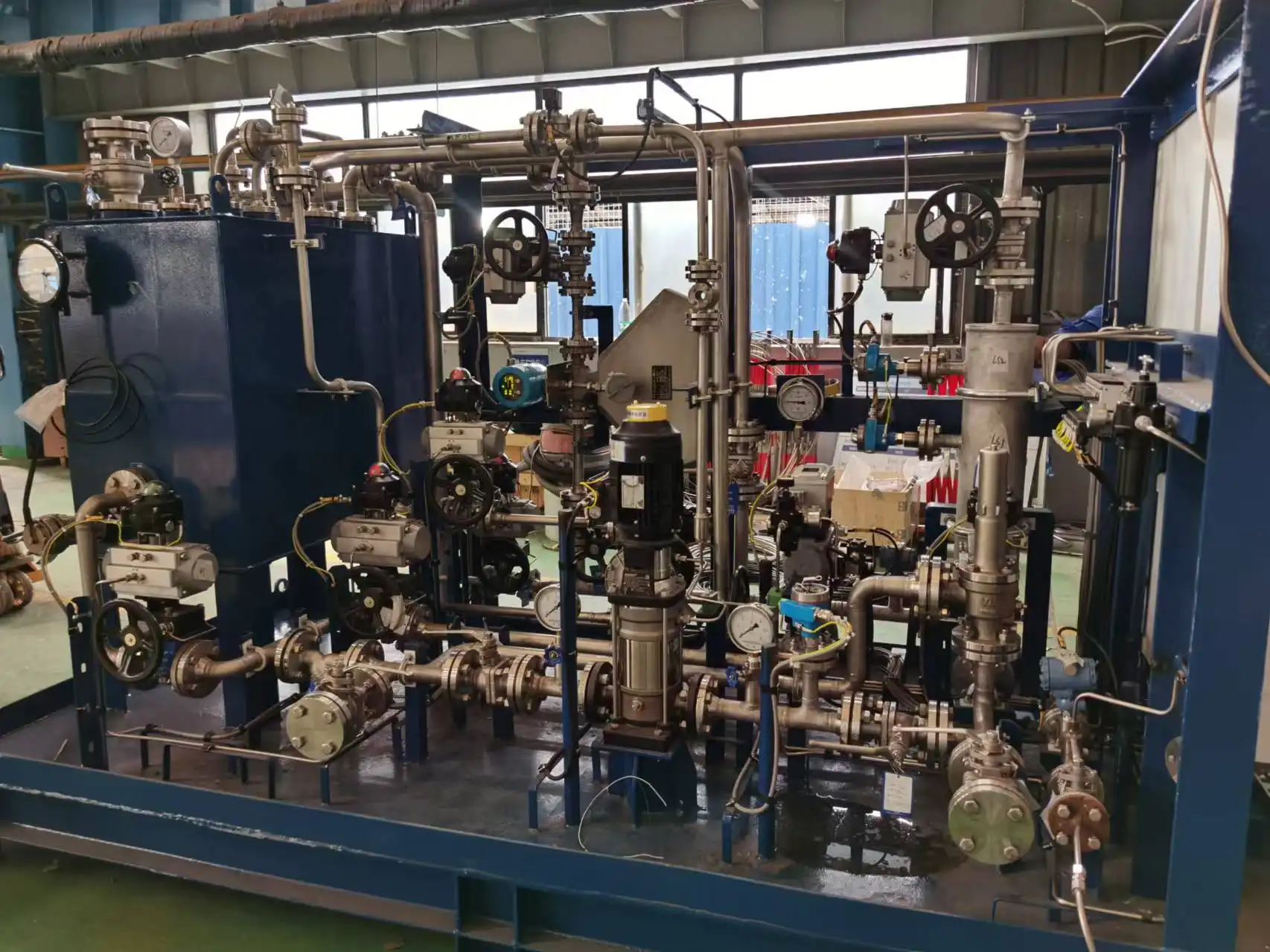
Understanding Methanol Fuel Feed Systems for Vessels
The marine business is at a very important point. The International Maritime Organization's decarbonization rules force shipowners to look for other fuels, and methanol has become the clear winner. A well-designed Methanol Fuel Feed System manages the pressures, temperatures, and flow rates that dual-fuel engines need to get methanol from where it is kept to where it is burned.
Core Components and Operational Principles
Modern marine Methanol Fuel Feed Systems feature several linked units acting in concert. The methanol supply unit regulates pressure—typically keeping ranges between 4 to 10 bar—while conditioning temperature to ensure optimal viscosity. Filtration modules get rid of particles that can clog injectors, and control systems keep an eye on performance in real time as the engine loads change.
These systems deal with methanol's special features, including its low lubricity, which speeds up pump wear, its low flashpoint below 60°C, which calls for stricter safety rules, and its toxicity, which requires double-walled pipes and constant monitoring of ventilation. Because methanol is a solvent, pumps use special coats or magnetic drive designs to make up for it. This lets them last longer between service visits than diesel equipment.
Environmental and Performance Advantages
Transitioning from heavy fuel oil to methanol delivers measurable emissions reductions. Particulate matter emissions drop by about 95%, sulfur oxides almost completely disappear, and nitrogen oxide levels drop by a lot. When green methanol is made from natural feedstocks, lifetime carbon emissions are very close to zero. This means that fleet operations are in line with stricter environmental rules.
Methanol gives operating flexibility in addition to meeting regulatory requirements. Dual-fuel configurations make switching between methanol and marine gas oil easy. This increases operational security in places where bunkering infrastructure is still not fully developed. Because the fuel is liquid at room temperature, it doesn't need to be stored in a cold environment like LNG does. This makes designing vessels easier and lowers the cost of capital.
Key Considerations When Buying Methanol Fuel Feed Systems for Marine Engines
To make good purchasing decisions, you need to do a lot of technical research. The type of ship you have (newbuild, retrofit, container ship, or chemical carrier) determines the system requirements that suppliers must meet exactly.
Engine Compatibility and Fuel Configuration
Major engine makers, such as MAN Energy Solutions and WinGD, have made methanol-capable engines that have very strict fuel delivery needs. The Methanol Fuel Feed System needs to be in sync with these needs so that the pressure stays stable as the loads change from moving in port to transiting the open ocean. Dual-fuel retrofit projects are more difficult because they need to work with existing automation systems and keep operations running while the conversion is happening.
Everything is governed by the rules of the classification society. The IGF Code sets safety standards for low-flashpoint fuels, and the SOLAS rules say how certain pieces of equipment must be set up. The system you choose must have type approval certificates from well-known organizations that show it meets strict testing standards.
Design and Safety Parameters
Corrosion resistance is very important. Methanol breaks down common materials. Parts that are wetted in a system need at least 316L stainless steel, and duplex grades are best for important pressure-bearing parts. Gaskets and seals are made of PTFE or EPDM materials that don't grow when methanol is added.
Leak monitoring design needs extra attention. The best practice in the business is to use double-walled pipes with nitrogen-ventilated annular areas. Hydrocarbon sensors placed in key locations set off automatic separation valves that cut off the fuel supply within seconds of vapor amounts going over safe limits. The theory for emergency stop must work with the ship's safety systems so that everyone knows what to do in case of a casualty. Long-term running costs are affected by how easy it is to do maintenance. Modular skid designs make it easy to service filters and change pump seals without taking the whole system apart. Condition-based monitoring from suppliers cuts down on unplanned downtime, and the ability to do diagnostics remotely is useful for global fleet operators.
Maintenance and Operational Challenges
Because methanol is a solvent, it needs to be maintained carefully. Mechanical pump seals usually need to be checked every 4,000 to 8,000 hours of use, but magnetic drive options make the intervals much longer. Monitoring is needed for the filtration systems that protect the fuel injectors; the cleanliness of the methanol has a direct effect on how well it burns and how much pollution it produces.
Crew training is an important factor in buying that is often forgotten. Operators need to know how to handle an accident and how dangerous methanol is to health. Leading providers offer thorough training programs that make sure engineering staff can safely oversee bunkering operations and regular repair tasks.
Comparing Methanol Fuel Feed Systems with Other Marine Fuel Systems
Comparative research across various factors helps people who are making decisions about alternative fuels. LNG, marine fuel, and new choices like ammonia are the main competitors for methanol.
Performance Metrics and Emission Profiles
When set up correctly, Methanol Fuel Feed Systems give engines about the same amount of power as diesel, with thermal efficiency being about 2 to 3 percentage points lower. LNG needs to be stored in a cold environment at -162°C, but methanol stays liquid at room temperature, so there are no boil-off losses and no complicated shielding needs.
The way emissions are shaped strongly favors methanol over heavy fuel oil. Sulfur content is getting close to zero, which helps control SOx emissions in places that don't have scrubber technology. Lowering the amount of particulate matter meets stricter rules set by port authorities in California, Singapore, and European hubs. Using regular methanol lowers carbon dioxide emissions by 5–10% per unit of energy, and renewable versions get close to zero well-to-wake carbon intensity.
Operational Costs and Lifecycle Impact
When figuring out the total cost of ownership, you have to take into account things like changing fuel prices, building new infrastructure, and repairs and maintenance. When compared to bunker fuel that is linked to oil prices, methanol's production from natural gas or renewable sources keeps prices stable. Systems for storing and moving goods cost less than LNG installations but more than regular diesel tanks because they need materials that don't rust.
Lifecycle environmental studies are becoming more and more important in deciding what to buy. A way to get to net-zero shipping is to use green methanol, which is made from collected carbon dioxide and sustainable hydrogen. Major shipping lines have committed to using methanol power, and dozens of new ships are currently being built, which proves that the technology can be used in the real world. It depends on the type of vessel. Container ships and chemical tankers are easily able to adapt because they are already equipped to carry similar goods. Tankers and bulk carriers need more changes, but the higher energy density of methanol makes it better than batteries or hydrogen. Short-sea shipping lines with well-established bunkering networks are great places to start deploying.
Where and How to Purchase Methanol Fuel Feed Systems for Vessels
To find the right seller, you need to evaluate them systematically based on a number of factors. Your procurement plan should find a mix between short-term project needs and long-term goals for reducing carbon emissions from your fleet.
Leading Suppliers and Evaluation Criteria
Manufacturers of specialized marine equipment control this new market. Thru its TSC brand, CM Energy has built a reputation for delivering systems on time and on budget for projects like the Stena Line RoRo ships and several tanker projects. The company offers more than just Methanol Fuel Feed Systems. They also offer integrated solutions with LNG and ammonia fuel supply systems, making them a complete partner for fleet strategies that use more than one fuel.
Check the classification society approvals of potential suppliers before you hire them. DNV Product Certificates and AIP (Approval in Principle) paperwork show that the product meets technical standards and is accepted by regulators. As a way to back up their claims of performance, suppliers should show examples of setups that can be checked and whose hours of operation can be confirmed.
The framework for technical help is very important. Global service networks make sure that extra parts are always available and that people can help in an emergency along all of the world's main trade lines. Suppliers that offer online tracking and diagnosis lower operating risks. This is especially helpful during the first few weeks of deployment, when crews are still getting to know each other.
Customization Capabilities and Partnership Benefits
Standardized systems don't always work well for all uses. The way your ship's gear is set up, the space it has, and how it works all require custom engineering. Leading suppliers keep their own design teams and can change flexible parts to fit the needs of each vessel while still keeping the type approval current. Better results come from working together as a team. Suppliers who are involved early in newbuild projects can improve system integration by working together with shipyards, classification societies, and engine manufacturers to speed up the approval process. Suppliers who know how to work with old automation systems and put things in tight spaces are good for retrofit jobs. Comprehensive solution packages make it easier to coordinate. Suppliers that offer combined services, from initial feasibility studies to launching and crew training, reduce the technical risks that come with being one of the first to use an alternative fuel. Bundled guarantees that cover whole systems instead of just individual parts reduce risk even more.
Procurement Pathways and Installation Services
Direct interaction with the manufacturer works well for big fleet operators who want to use the same methods on all of their ships. This method makes it easier to negotiate volume deals and make sure that technical specifications are always the same. It also makes it easier to train crews and keep track of spare parts inventory. Getting shipyard equipment packages is still common for newbuilds. Yards choose suppliers based on how well they work with each other and how well the equipment fits together. Shipowners should still include performance requirements and preferred suppliers in building contracts to make sure they are in line with their companies' sustainability plans. Specialized marine equipment wholesalers help smaller companies or projects with just one vessel by providing local support and possibly faster delivery times. These middle-men often keep long-lead things in stock, which speeds up the project timeline. The success of approval is directly linked to the quality of the installation services. Expert technicians know how important it is to set up the system correctly the first time. They know the right way to purge the system of nitrogen, calibrate the control system, and test for leaks. By following these steps, you can avoid costly delays. When a supplier offers "turnkey" installation and commissioning, it makes it easier for the shipyard to coordinate. Factory-trained staff make sure that systems meet plan standards before the vessel is delivered.
Future Trends and Sustainable Prospects of Methanol Fuel Feed Systems in Marine Industry
The path for propulsion with methanol looks strong. The way the market is moving now and the pressures from regulators point to faster adoption over the next ten years.
Technological Innovations and Hybrid Integration
System efficiency improvements keep coming out. Advanced control methods make the best use of fuel under a variety of load conditions, and predictive repair tools cut down on unnecessary downtime. When Methanol Fuel Feed Systems are combined with battery banks in hybrid power systems, the ports can run with no emissions and still be able to reach far away. Most likely, next-generation delivery systems will be able to use ammonia as a co-fuel. As production of ammonia grows, research projects that look into methanol-ammonia mixes could use already-built infrastructure to make shipping truly carbon-free.
Regulatory Dynamics and Market Drivers
The IMO's 2023 plan aims to have net-zero greenhouse gas emissions by around 2050, with short-term goals for reduction forcing action in the near future. Regulations in the European Union, such as FuelEU Maritime and the Emissions Trading System, make high-carbon fuels more expensive, which makes methanol more competitive in the market. Low-emission ships are rewarded by port incentive programs with lower dockage fees, which improves the economy of operations. More and more, major shipping alliances include environmental performance in charter party agreements. This puts commercial pressure on early adopters. The ability to make green methanol is growing quickly. Projects in North America, Europe, and Asia will make more of it available, which will ease the supply problems that have been holding back adoption so far. As bunkering networks get stronger in major ports, operational worries decrease, which speeds up choices to convert fleets.
Market Growth Projections
Industry experts think that by 2030, orders for ships that run on methanol will have surpassed several hundred units. Container ships will be the first to use this fuel type, followed by chemical trucks and bulk carriers. This rate of growth will lead to standardization of the supply system, which will lower costs thru economies of scale and increase the reach of the service network. The market for Methanol Fuel Feed Systems will grow at the same rate as the economy as a whole. This will be good for both new and established manufacturers. Shipowners who want to renew their fleets over the long term should start talking to suppliers now to secure production slots and technical resources that may become limited as demand rises.
Conclusion
Picking the right supplier for your Methanol Fuel Feed System is a big strategy choice that goes beyond just buying tools. For alternative fuel usage to go smoothly, the right partner provides more than just hardware. They also offer full technical support, legal knowledge, and lifecycle services. Well-known companies like CM Energy have the merging skills, track records, and classification society certifications that make deploying new technologies less risky. As decarbonization in the marine sector speeds up, building relationships with qualified providers will help your fleet meet new rules and gain a competitive edge in charter markets that care about sustainability.
FAQ
1.What advantages do methanol systems offer compared to conventional diesel?
Methanol Fuel Feed Systems cut emissions by a huge amount, getting rid of almost all sulfur oxides and 95% of particulate matter. Due to their ability to run on both gasoline and oil, they give operators more options when it comes to how they run their businesses. Compared to cryogenic LNG systems, ambient-temperature liquid storage makes it easier to design ships. This lowers capital costs and meets stricter environmental rules in major trading zones.
2.How do I verify compatibility with my vessel's engine configuration?
Start by looking at the technical specs for your engine. These will tell you about the needed fuel pressure ranges, temperature limits, and flow rates. Get potential suppliers involved early on by giving them full engine documentation and vessel drawings. Compatibility tests will be done by qualified makers to make sure their system meets OEM standards. Classification society approval documents should clearly name your engine model, which will make sure that the government accepts it. To make sure the performance works in the real world, ask for references from setups with the same type of engine and class of vessel.
3.What maintenance practices ensure reliable long-term operation?
Set up regular check plans that focus on the mechanical seals in the pumps. Depending on the quality of the fuel, these seals usually need to be serviced every 4,000 to 8,000 hours. Keep an eye on the pressure differences in the filtration system and replace any elements that need it before the bypass valves open. Test the leak detection system on a regular basis to make sure the sensors are calibrated and that the system can shut down in an emergency. Keep the tools for nitrogen cleaning ready to use. Work with suppliers that offer remote diagnostics. This will allow you to do predictive maintenance that stops unexpected failures and keeps operations running smoothly.
Partner With CM Energy for Your Methanol Fuel Supply System Needs
CM Energy is ready to help you get rid of carbon emissions at sea with tried-and-true Methanol Fuel Feed System solutions. We have done 19 successful setups, some of which were high-profile jobs for major operators. We have DNV certifications and a wide range of expert skills. We make Methanol Fuel Feed Systems and have resources for planning, production, and service throughout the product's lifetime. We can make custom solutions for both new builds and retrofits. Our engineering teams work closely with builders, classification societies, and engine makers to make sure that everything fits together smoothly and that we follow all the rules. Email our technical experts at info.cn@cm-energy.com to talk about your specific needs. You can look at our full line of alternative fuel systems at cm-energy.com and learn how TSC brand knowledge can help your fleet make the switch to more environmentally friendly power faster.
References
1. International Maritime Organization. (2023). "2023 IMO Strategy on Reduction of GHG Emissions from Ships." Marine Environment Protection Committee, London.
2. DNV GL. (2022). "Maritime Forecast to 2050: Energy Transition Outlook." DNV GL Maritime Advisory Services, Oslo.
3. MAN Energy Solutions. (2023). "Methanol as Marine Fuel: Technical and Operational Considerations." Copenhagen: MAN Energy Solutions SE.
4. Maritime and Port Authority of Singapore. (2023). "Green Shipping Corridor Framework and Methanol Bunkering Standards." Singapore Maritime Institute.
5. American Bureau of Shipping. (2022). "Sustainability Whitepaper: Setting the Course to Low Carbon Shipping with Alternative Fuels." Houston: ABS Corporate Communications.
6. Methanol Institute. (2024). "Global Methanol Bunkering Infrastructure Development Report." Washington DC: Methanol Institute Maritime Division.