Is WAPS Worth Investing in for Modern Shipping Fleets?
With tightening maritime emissions regulations like IMO EEXI/CII, EU ETS, and FuelEU Maritime, shipowners face mounting pressure to decarbonize operations while managing volatile fuel costs. Wind-Assisted Propulsion Systems (WAPS) have emerged as a proven technology addressing these twin challenges. For mid-to-large fleet operators managing bulk carriers and tankers, the question is no longer whether WAPS technology works, but whether it delivers measurable return on investment. Drawing on independently verified operational data and classification society certifications, WAPS represents a strategic investment that combines regulatory compliance, fuel savings of up to 30%, and enhanced ESG credentials—all critical for securing premium charter contracts and green financing.
Understanding WAPS Technology and Its Role in Modern Shipping
What Makes Wind-Assisted Propulsion Systems Unique
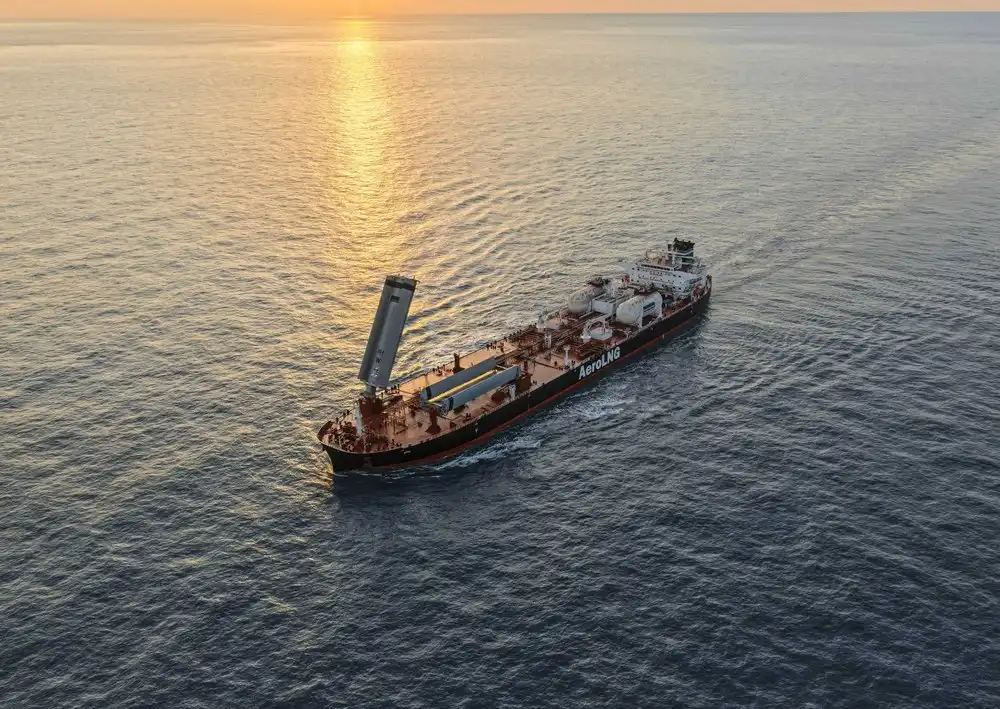
WAPS, which is also known as WindWings®, is a three-part rigid sail system that uses patented aerodynamic technology that was created by BAR Technologies in the UK. Unlike standard single-wing sails, this device automatically changes the angle and camber of the sails based on the wind conditions. The technology creates more than 2.5 times as much lift as traditional single-wing designs, making the thrust as useful as possible in a range of sailing conditions. What makes WAPS unique is that it is made of a hybrid material that is made of ship-grade steel and industrial E-glass composites that were specially designed to work in tough marine environments.
Real-World Validation and Certification
The performance credentials of WAPS have been independently checked by well-known fluid dynamics organizations such as the Wolfson Unit and Lloyd's Register. DNV has also given the system its full seal of approval. This third-party verification addresses a major issue that technical directors and project managers for new buildings have: the need for real-world evidence that goes beyond what the manufacturer says. Bulk ships with WAPS have been in service for over a year and have called at more than 20 major ports around the world without any problems. This operational history, which was confirmed by DNV, gives base shipowners the proof they need when they are deciding whether to spend a lot of money on retrofits or a new build.
How Automated Wing Control Delivers Efficiency
Each WAPS site has an automatic control system that checks the health, safety, and performance of the wings all the time. Real-time wind data, vessel speed, and direction are used by special software to figure out the best wing orientation and camber form. Most importantly, the system reports live thrust performance, which lets workers and teams on land figure out how much fuel is being saved by voyage by journey. The manual operation interface looks like controls for a deck crane, so the crew doesn't need any special training. This is a big benefit when crew turnover and skill retention are problems.
Comparing WAPS with Alternative Decarbonization Solutions
Wind Assistance Versus Fuel Switching
When shipowners are looking at ways to reduce carbon emissions, they often compare WAPS to other fuels like LNG, methanol, or ammonia. While switching fuels can help lower carbon emissions, it also brings about new problems, such as the need for expensive dual-fuel engine retrofits, uncertain bunkering infrastructure, and volatile prices for alternative fuels. WAPS has a very different value proposition: it lowers the amount of main fuel used without changing the power system. A 37.5m WAPS installation saves 1.6 tons of fuel every day per wing, which equals 5.12 tons less CO2 every day per wing. The current engine configurations and fuel supply lines are kept the same.
WAPS Performance Across Vessel Types
The system is made up of separate modules that can be put together to fit ships of all sizes, from Handysize to Capesize bulk carriers and tankers. The WAPS systems come in 20m, 24m, and 37.5m aerodynamic span options, so they can be changed to fit the needs of the operating profile and deck room. The 37.5m model has a sail area of 754 square meters and a chord length of 20 meters. The 20m and 24m models are smaller but still have all three elements working, but they weigh less (24 tons and 26 tons, respectively). This scalability lets fleet managers make technology the same for all of their different fleets while still getting the best performance for each trade route.
Operational Flexibility in Varied Conditions
WAPS installations have tilt mechanisms that let the wing spin into a laydown position. This makes sure that hatch covers and tools used to move goods are out of the way while the port is open. This design feature directly addresses shipowner concerns about interfering with cargo operations, which was a common problem with earlier ideas for wind propulsion. The system works perfectly during navigation, docking, and bad weather. It has automatic safety features that keep the wing safe during storms or port movements. Bulk carrier operators say that crew operation has a learning curve about the same as deck crane operation, but there is no need for draw gear.
Evaluating the Business Case for WAPS Investment
Quantifying Fuel Savings and Payback Periods
The main financial reason for using WAPS is to save money on fuel. There is proof that a single 37.5m wing can save up to 30% on fuel, based on the route and the amount of wind it faces. Saving 1.6 tons of fuel every day adds up to a lot of money every year. At the price of marine fuel right now, even the most optimistic savings estimates show return times that are about the same as those for other energy-saving purchases. When technical directors look at retrofit plans, route-specific modeling that takes into account historical wind data, vessel speed profiles, and seasonal changes is helpful. This goes beyond general savings figures and includes voyage-specific financial projections.
Regulatory Compliance and Charter Premium
In addition to saving fuel directly, WAPS provides indirect value by making it easier to follow regulations and sell products. Ships with wind assist technology get better CII ratings and EEXI compliance margins, which lowers the risk of having to limit their speed or make repairs. More and more, top charterers are putting low-carbon tonnage on their bidding lists, and some are even willing to pay higher charter rates for ESG-compliant vessels. Because of this change in the market, WAPS goes from being a way to cut costs to a way to make money by helping shipowners get longer-term contracts at better rates.
ESG Credentials and Green Financing Access
ESG factors are being used more and more by banks and ship finance companies when deciding who to lend money to. Installing WAPS makes a shipowner look more environmentally friendly, which makes it easier for them to get financing that is in line with the Poseidon Principles and join green ship recycling programs. The technology is designed to last for 25 years and can be used on different ships, which makes it even more appealing as a long-term asset. Shipowners who want to issue green bonds or loans based on sustainability can use WAPS installations as proof of their commitment to reducing carbon emissions, which could lower the cost of capital.
Procurement Considerations for Decarbonization-Focused Shipowners
Classification Society Approvals and Technical Due Diligence
Procurement teams give comprehensive classification society approvals the most weight when they are evaluating WAPS suppliers. WAPS has design type approval and Approval in Principle (AIP) from DNV, Bureau Veritas (BV), Lloyd's Register (LR), and the China Classification Society (CCS). These are the countries that are important to the major shipping agencies. This certification portfolio lowers the risk of technical acceptance and makes sure that it meets insurance standards. Shipowners who are doing their technical due diligence can ask to see licensing paperwork, structural load analysis reports, and finite element modeling reports to meet the requirements of their own engineering review processes.
Integration with Newbuild Programs and Retrofit Windows
When building a new ship, WAPS integration happens during the planning phase. This is when equipment makers work with shipyards and military planners to find the best placement between cargo holds. Installing retrofits needs to be carefully planned around times when the ship will be dry docked and when it will be operational. Through its TSC brand, CM Energy offers services like compatibility analysis and project planning that make sure installation times don't clash with regular drydocking times. This keeps income from being interrupted as little as possible. Because the company has worked with global fleet owners before, it is easy for them to work together with shipyards, classification surveyors, and flag state officials.
Long-Term Service and IoT Monitoring
WAPS's value goes beyond just providing gear; it also includes full lifecycle assistance. IoT-enabled remote monitoring is part of more advanced installations. This gives teams on land real-time information about how the wings are doing, as well as maintenance alerts and predictive diagnostics. Weather routing systems made just for wind-assisted ships work with existing trip planning tools to find the best routes to get the most wind. Long-term service packages that include preventative maintenance, servicing of the hydraulic system, and repair of composites make sure that the machine keeps working well for the full 25 years that it was designed to last. Centralized tracking tools provide fleet-wide performance data and benchmarking for people who are in charge of multiple vessels.
Implementing WAPS: Practical Insights from Operating Fleets
Pre-Installation Assessment and Vessel Compatibility
A thorough assessment of the vessel is the first step to a successful WAPS implementation. Naval architects look at how much weight the wings can hold, how much deck space is available compared to how cargo is handled, and how much power the hydraulic systems have. CM Energy's engineering teams do these suitability analyzes and write up reports on the viability of installations that help with choices about whether to go ahead with a project or not. For older boats, the structure may need to be strengthened around the mounting places for the wings. This affects both the cost of installation and the length of time the boat needs to be in dry dock.
Installation Process and Factory Acceptance Testing
There is a set process for installing WAPS: wing parts are tested in the plant, they are transported to the installation site, they are put together on board, and they are finally turned on. The modular design lets big parts be put together and tested ahead of time, which cuts down on the time needed for installation on the ship. Sea trials make sure the wing works properly in real-life situations, and classification surveyors watch as functional tests and safety system checks are done. During commissioning, crews get hands-on training in normal operations, emergency procedures, and regular maintenance tasks.
Operational Experience and Performance Monitoring
Operating data from bulk carriers with WAPS shows that they consistently save fuel on a wide range of trade routes. Vessels trading on Atlantic and Pacific lines that are constantly exposed to wind save at the higher end of the ranges that were predicted. Vessels trading on shorter regional deals save less, but still significantly less. Real-time thrust reporting lets leaders find the best routes and speeds for their ships, actively controlling how much fuel they use on each trip. Shipowners need clear, auditable success data that they can share with charterers and other important people. Being able to measure savings through onboard tracking systems meets these needs.
Conclusion
WAPS is a mature, tried-and-true decarbonization system that can help shipowners deal with the tricky intersection of following the rules, making money, and meeting ESG standards. When you add up the independent verification of fuel savings, full classification society approvals, minimal operational disruption, and 25-year asset life, you have a strong case for investing. As methods for pricing carbon get stronger and charterers' ESG standards get stricter, wind-assisted power goes from being an optional way to save money to a strategic must. Technical leaders of fleets don't have to wonder if WAPS technology works—there is clear proof that it does—but they do have to wonder how quickly it can be added to programs to renew and fix up fleets.
FAQ
1.How does WAPS performance vary across different trade routes?
WAPS saves the most fuel on routes that are always exposed to wind, like transoceanic trades on routes in the Atlantic, Pacific, and Indian Oceans. Ships that travel these routes usually save money in the upper range of what was expected. Smaller savings are made on shorter area trades or trips in calm water, but they are still important for business. Using past wind data to do route-specific performance modeling gives accurate savings estimates that are tailored to each vessel's deployment trends.
2.Can WAPS be retrofitted onto existing vessels or only installed on newbuilds?
Installations can be done both in old buildings and in new ones. Newbuild integration lets you choose the best location and design the structure from the start, while retrofits need to look at the structure and maybe add more support around the mounting points. A lot of the WAPS installations that are currently in use are retrofits, which shows that the technology can be used with existing tonnage. To keep operations running as smoothly as possible, retrofit jobs are usually planned to happen during regular dry docks.
3.What crew training is required to operate WAPS?
The automatic control system reduces the work of the crew so that it's about the same as working a deck crane. Manual override interfaces let the crew step in when they need to, using controls they are used to from other marine equipment. During commissioning, training includes standard use, what to do in an emergency, and regular maintenance checks. There are no special marine skills needed beyond being a certified deck officer or engineer.
Partner with CM Energy for Proven Wind-Assisted Propulsion Solutions
CM Energy, which does business under the TSC brand, has been making marine tools for decades and takes that experience to the WAPS market. Through our partnership with BAR Technologies, we have access to cutting-edge aerodynamic design. Our global service network provides installation, commissioning, and lifecycle support in major hubs for shipbuilding and repair. Our WAPS systems meet the high technical standards needed by international fleet operators and charterers. They have been approved by classification societies like DNV, BV, LR, and CCS.
As a WAPS provider that wants to help shipowners through the energy shift, we offer full technical support, performance modeling for specific routes, and flexible service packages that can be changed to fit the needs of the fleet. Get in touch with our expert team at info.cn@cm-energy.com to talk about how wind-assisted propulsion can improve your fleet's compliance, lower running costs, and make it more competitive in the charter market. You can find detailed technical documentation and case studies from working vessels at cm-energy.com.
References
1. International Maritime Organization. (2023). "2023 IMO Strategy on Reduction of GHG Emissions from Ships." IMO Publishing.
2. Smith, T., Raucci, C., Haji Hosseinloo, S., et al. (2021). "Wind-Assisted Ship Propulsion: Matching Technology to Routes and Operational Profiles." University College London Energy Institute.
3. DNV Maritime. (2022). "Energy Transition Outlook 2022: Maritime Forecast to 2050." DNV Group.
4. Nelissen, D., Traut, M., Köhler, J., et al. (2022). "Study on the Potential of Wind-Assisted Propulsion." CE Delft for European Commission.
5. Lloyd's Register and UMAS. (2023). "Techno-Economic Assessment of Zero Carbon Fuels and Wind-Assisted Propulsion." Lloyd's Register Marine & Offshore.
6. International Windship Association. (2023). "Wind Propulsion Innovation Awards and Technology Performance Review." IWSA Annual Report.