WAPS Weather Routing Technology for Maximum Wind Efficiency
Wind-assisted propulsion has moved from concept to commercial reality, and WAPS — the Wind-Aware Predictive System embedded within CM Energy's WindWings® platform — sits at the center of that shift. WAPS integrates real-time meteorological data with automated sail control to steer vessels along routes that extract the most aerodynamic thrust from prevailing winds. For fleet operators navigating tightening IMO CII ratings, EU ETS obligations, and volatile bunker markets, WAPS delivers a measurable, independently verified path to lower fuel consumption and reduced carbon intensity.
Understanding WAPS Weather Routing Technology
What WAPS Actually Does for a Vessel
WAPS is a route intelligence layer that was made just for boats that use wind power. The system is different from other voyage optimization tools because it takes constant weather feeds and turns them into real-time sail orientation orders. The web-based interface of the system lets both fleet managers on land and officers on board see at the same time the wind speed, predicted push output, and suggested direction corrections. Crew members don't have to make as many decisions by hand when automated workflow tools are used. This means that the ship always goes in the arrangement that improves aerodynamic performance without making operations more difficult.
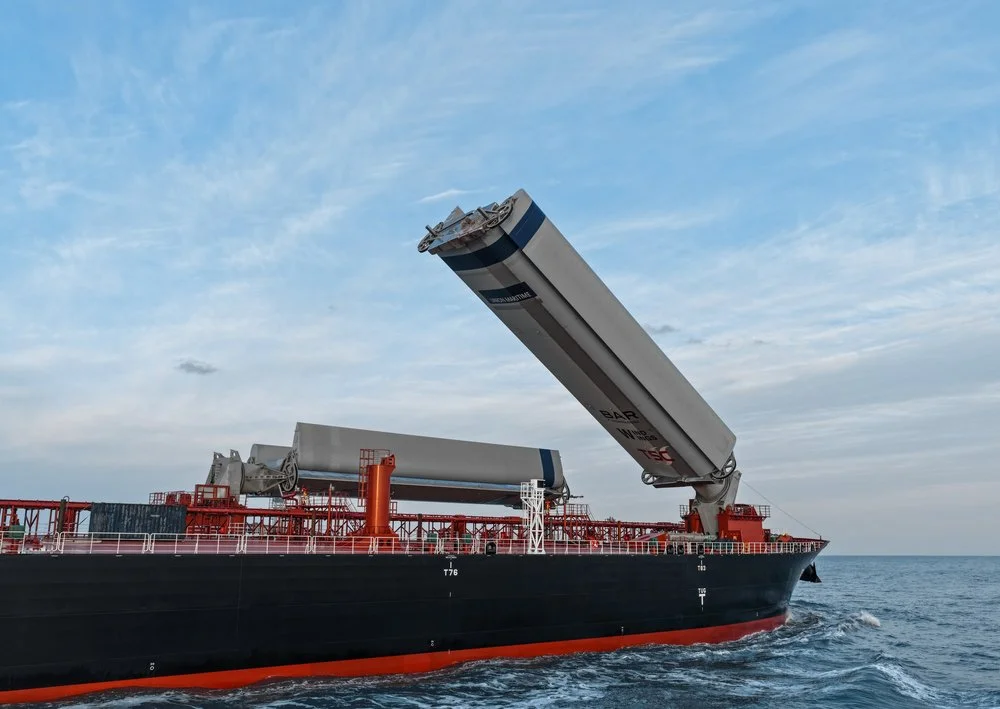
CM Energy and BAR Technologies of the UK worked together to make the WindWings® three-element rigid sail system, which works with WAPS. The sail's camber and angle of attack change all the time in response to WAPS signals. This creates aerodynamic lift that is much greater than that of traditional single-wing designs. What makes WAPS different from other software solutions is that the routing intelligence and actual sail hardware are tightly connected. The system thinks and the hardware acts as a single unit.
The Data Backbone Behind WAPS
The quality of the data affects how well the route intelligence works. The WAPS system takes in high-frequency weather streams and compares them with the ship's current location, heading, and load level. The system's algorithms are always figuring out the best way to align the wings and shape the camber, sending reports on power performance to the bridge and teams on land. Secure communication protocols are used for all data sharing. These protocols protect private operational information while keeping the low latency responsiveness that dynamic routing needs.
Challenges in Traditional Routing and How WAPS Innovates
From Static Planning to Real-Time Dynamic Optimization
For many years, weather route was based on fixed passage plans that were only changed rarely when new forecast information came in. A ship might get a new route suggestion every six to twelve hours, which is way too slowly to take advantage of changing wind patterns or avoid conditions that waste fuel. As a result, ships used more fuel than they needed to because choices about routes were made after the weather had changed.
WAPS changes this relationship in a basic way. The system turns route from a one-time planning exercise into an ongoing, real-time optimization loop by combining continuous weather processing with automatic sail adjustment. These are the main skills that allow this shift to happen:
- Dynamic course adjustment: WAPS constantly recalculates the best directions, so the ship can take advantage of good wind angles instead of just staying out of bad weather.
- Integrated sail response: Routing suggestions are directly translated into automatic changes in camber and direction on the WindWings® system, so there is no delay between making a decision and carrying it out.
- Real-time performance reporting: Thrust sends output data streams to both the bridge and shore teams, making a tight feedback loop that checks every route decision against measurable outcomes.
With these tools, technical superintendents and fleet managers can plan trips in a whole new way. Instead of looking at static records that are made after the fact, they keep an eye on real-time performance data and only step in when something goes wrong. Carriers using the TSC WindWings® and WAPS have made calls at more than 20 major ports around the world without any problems, showing that the system works well in a variety of operational settings.
Choosing the Right WAPS Solution for Your Business
Compatibility and Scalability Criteria
Choosing a wind-assisted propulsion solution costs a lot of money, and the routing intelligence layer needs just as much attention as the hardware itself. WAPS is designed to work with current tools for fleet management and voyage optimization. This makes it easier for operators who already have digital fleet infrastructure to add WAPS to their systems. As the fleet gets bigger, the system can be set up on more than one ship, from a single bulk carrier as a test project to a group of tankers and bulk carriers working together.
When comparing WAPS to other routing methods, people making decisions should look at three things: how often the system changes its routing suggestions; whether routing outputs connect directly to sail control hardware; and how visible the platform is from land. All three are met by WAPS, and because it uses a web-based interface, the shore operations center doesn't need any special gear.
Long-Term Value Considerations
The business case for adopting WAPS is strengthened by TSC's approach to lifetime value. The WindWings® system is made to last for 25 years and can be moved from one ship to another. This means that the initial investment doesn't get stuck on a single hull but follows the fleet. From installation to ongoing maintenance, CM Energy takes care of everything. They even offer IoT-based remote tracking that sends operating data back to the WAPS routing engine. Over time, this continuous data loop makes routing more accurate as the system learns more about how each vessel has performed in the past.
Charterers and lenders looking at ESG credentials can use DNV-verified fuel savings, AIP certification from DNV and BV, and type approval from LR and CCS as proof. This gives them the proof they need to support green financing applications and good charter talks.
Implementing WAPS for Maximum Efficiency: Setup and Security Considerations
Installation Pathway
CM Energy uses a strict five-step process to set up WindWings® and WAPS: compatibility analysis, on-site assembly, factory acceptance testing, product delivery, and installation on board. This order makes sure that the system is set up to work with the ship's route before it goes live. The automated control system has both a manual input for crew members and a system that monitors health and safety alarms. This way, officers always have the power to reverse anything.
Operating the WindWings® system is similar to operating a deck crane; you don't need to know a lot about hoisting to use it. The sail can be rotated into a laydown position to make room for hatch covers and tools used to move goods, so operations that are driven by WAPS never get in the way of cargo work. All of the materials come from sources that are ISO-certified, and the building is made of ship-grade steel and industrial composite materials that are rated for naval service.
Cybersecurity and Operational Integrity
As route intelligence becomes more integrated into how ships work, hacking needs extra attention. Weather feeds and performance data are kept safe from people who shouldn't be able to see them by WAPS's secure data transmission protocols. Teams on the shore can only access the web interface through secure methods, and the system's automated workflow tools include audit logs to help with issue review if needed.
Future Trends and Innovations in Weather Routing Technologies
AI-Driven Predictive Routing and Regulatory-Driven Decarbonization
Wind-assisted motion is moving in a direction that suggests AI and machine learning will be used more in route systems. In the future, WAPS-class technologies will probably include forecast atmospheric modeling that can see changes in wind patterns hours in advance. This will let ships plan their positions ahead of time to get the most aerodynamic benefit. Big data analytics using performance histories from the whole fleet will keep improving routing algorithms, closing the gap between what was expected and what actually happened in terms of fuel savings.
Regulatory pressure makes this direction stronger. The IMO's carbon intensity framework gets stricter every year until 2030 and beyond, and the EU's FuelEU Maritime regulation puts even more pressure on fleet operators to show that they can really reduce carbon emissions. By using clever routing technology and wind-assisted propulsion, one of the few options that can reduce pollution on current ships without moving fuels or replacing propulsion is available.
CM Energy and TSC can help fleet operators with this change by combining their knowledge of WindWings® hardware with their knowledge of WAPS routing and their ability to provide full lifecycle service.
Conclusion
The WAPS system is a big step forward in how ships use wind to make money. The system turns wind into a reliable, controlled propulsion input instead of an environmental variable that has to be dealt with. It does this by bringing real-time weather information directly to automatic sail control. Fleet owners have the proof they need to invest capital in the form of DNV-verified performance data, multi-society class approval, and a growing operational track record across global trade routes. WAPS is a trustworthy, approved, and financially viable solution for shipowners who are under pressure from carbon rules, rising fuel costs, and ESG requirements from charterers all at the same time.
FAQ
1. What makes WAPS different from standard voyage optimization software?
Standard voyage optimization tools change the speed and route to use the least amount of fuel based on how to avoid bad weather. WAPS goes even further by linking weather information directly to hardware that controls the sails. This way, the ship actively collects wind energy instead of just dodging bad weather. The end result is a deliberate input to propulsion instead of a passive risk-management exercise.
2. Has WAPS performance been independently verified?
Yes. DNV has confirmed that the WindWings® system combined with WAPS routing works to save fuel by watching real ships use it. Both the Wolfson Unit and Lloyd's did confirmation work on fluid dynamics. The system is certified by AIP and has design type approval from DNV and BV. It also has class approval from LR and CCS.
3. Can WAPS be installed on existing vessels, or is it only for newbuilds?
Both retrofit and newbuild configurations can use WAPS and the WindWings® system. At the start of every project, CM Energy does a vessel compatibility analysis to make sure the installation is possible and to find out if there are any deck arrangement issues that need to be thought through before committing.
Partner with CM Energy for Your WAPS Deployment
You can get WindWings® hardware, WAPS routing intelligence, and full lifetime support from CM Energy and TSC in a single, approved package. We work with bulk carrier and tanker owners to build a business case, handle the installation process, and support long-term fleet performance. We are a trusted WAPS supplier with world class approvals and DNV-verified field performance. Get in touch with our technical team at info.cn@cm-energy.com or go to cm-energy.com to start evaluating your route-efficiency right away.
References
1. DNV GL. Verification of Wind-Assisted Propulsion Fuel Savings: Methodology and Field Results. DNV, 2023.
2. International Maritime Organization. 2023 IMO Strategy on Reduction of GHG Emissions from Ships. IMO, 2023.
3. Wolfson Unit for Marine Technology and Industrial Aerodynamics. Aerodynamic Performance Assessment of Rigid Wing Sail Systems. University of Southampton, 2022.
4. Lloyd's Register. Wind-Assisted Ship Propulsion: Technical Review and Classification Framework. Lloyd's Register, 2022.
5. Smith, T.W.P., et al. "Wind-Assisted Propulsion and Its Role in Fleet Decarbonisation." Ocean Engineering, 2023.
6. European Commission. FuelEU Maritime Regulation: Impact Assessment and Technical Guidance for Ship Operators. European Commission, 2023.