WAPS vs Conventional Marine Propulsion Systems
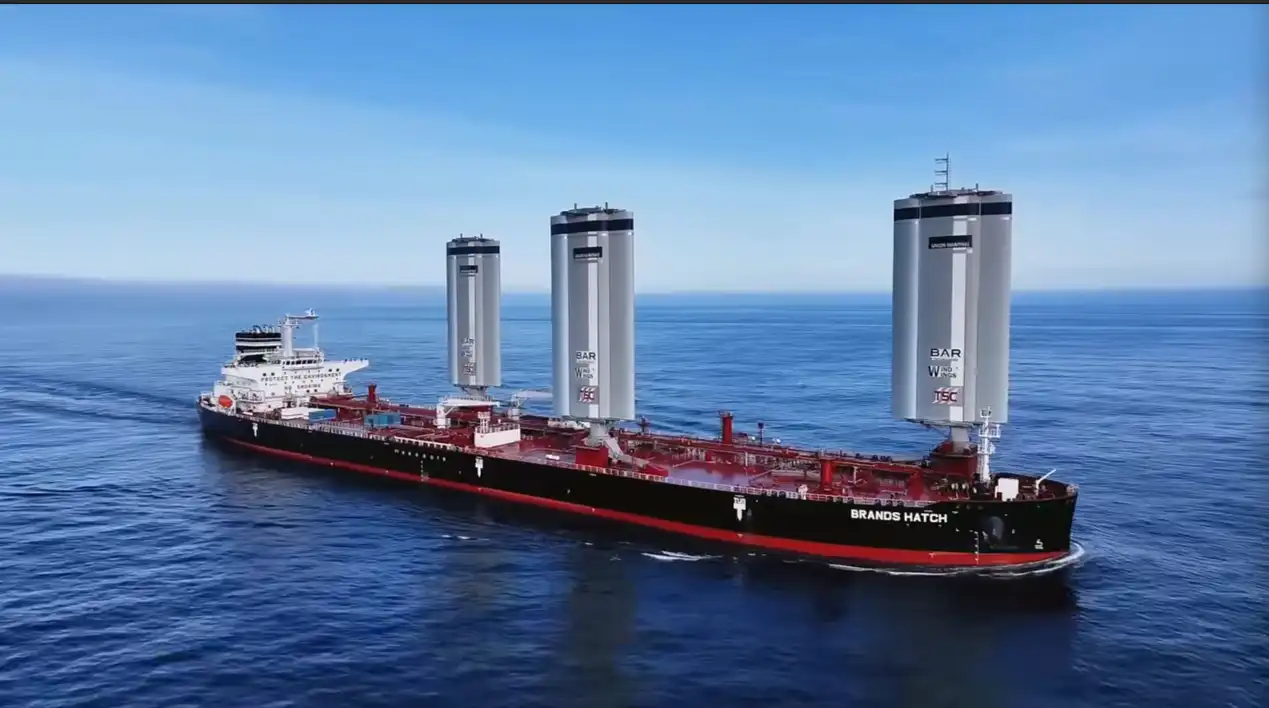
When you compare wind-assisted propulsion systems to regular marine engines, WAPS (Wind-Assisted Propulsion Systems) are a huge step forward in how business ships save fuel and protect the environment. Traditional diesel-mechanical or diesel-electric propulsion uses only fossil fuels. WAPS, on the other hand, uses advanced rigid sail technology to collect natural wind energy to power its main engines. This saves a lot of money on fuel costs and meets strict Carbon Intensity Indicator (CII) regulations. This hybrid method doesn't completely replace traditional power; instead, it works with it. This gives shipowners a way to cut costs and pollution without giving up operating freedom or reliability in a wide range of marine situations.
Understanding the Procurement Challenges Facing Modern Shipowners
Commercial shipowners are under more and more pressure from many sides. Fuel costs are still eating up 50–60% of the budgets for bulk ships and tankers, but rules like IMO 2030 and regional emission zones require quick action. Many buying teams have trouble finding solutions that balance the cost of capital with a quick return on investment. This is especially true when updating ships that are already in use.
Chemical ship operators and Newcastlemax bulk carrier owners have to deal with extra problems. Their ships go on a lot of different trade paths, each with its own weather patterns, port infrastructure, and needs for moving cargo. The old ways of buying things that only looked at engine economy or adding on fuel control systems are no longer good enough. The industry needs unified answers that deal with all aspects of transportation, not just improving fuel efficiency but also drastically lowering fuel use by using different types of power together.
Ferry and coastal vessel owners have to deal with special problems. Regular upgrade projects are hard to do and cost a lot of money because of short route patterns, frequent port calls, and tight turnaround schedules. These business owners need technologies that can save them money within five years while also making operations simpler and less demanding on support staff. The difference between the options that are offered and what is actually needed for operations has made procurement decisions very difficult.
Both newbuild factories and design companies have to deal with problems. More and more, charterers want ships that can work in the future and have good environmental records. However, a lot of new WAPS technologies don't have track records or full class approval yet. Design teams need partners who can give them complete solutions that include full technical support, legal paperwork, and service promises for the life of the product.
Strategic Procurement Approaches for Wind-Assisted Technology
To deal with these problems, the buying plan needs to change. Leading managers no longer look at propulsion technologies separately; instead, they look at them as combined systems that work with other machines. This way of thinking is shown by wind-assisted propulsion technology, which doesn't compete with main engines but makes them more efficient by using green energy.
A very important part is vendor consolidation. Shipowners get a lot of help when they can get compatibility analysis, engineering integration, installation coordination, and continued upkeep support from a single technology partner. This method makes the buying process easier, communication better, and responsibility clear throughout the whole project lifecycle.
Cost optimization goes beyond the price of the original buy. Smart procurement teams now figure out the total cost of ownership over 20 to 25 years of use, taking into account things like fuel savings, repair needs, legal fees, and the possibility of a carbon tax. When looked at this way, wind-assisted propulsion systems often show better financial success, even though they require more money up front than small engine changes.
Making decisions based on data is now necessary. More and more, operators want real-world proof instead of theoretical predictions of how well something will work. Technologies that have been used on a variety of ship types and trade routes in the past give investors the trust they need to put up a lot of money. DNV, BV, Lloyd's Register, and CCS are some of the well-known classification groups that certify that systems meet safety and efficiency standards.
Selecting a Reliable Wind-Assisted Propulsion Partner
The right tech partner adds more to the table than just tools. When putting complicated mechanical systems on working vessels, it's very important to have proven business knowledge. Companies that have been making marine tools for a long time know how to deal with the harsh conditions, constant operation cycles, and saltwater settings that commercial shipping needs.
It is impossible to discuss compliance with international maritime norms. For wind-assisted propulsion systems to work, they need to be properly certified by classification groups and follow IMO rules for structural integrity, operating safety, and crew interface standards. Partners who have been through the approval process more than once for different types of vessels bring a lot of useful experience that speeds up projects and lowers regulatory risk.
Customization makes the difference between great friends and good ones. The best WAPS system design is affected by the layout of the deck, the tools used to move cargo, the view from the bridge, and the operating profiles of each vessel. Technology companies need to offer a range of installation choices, such as tilt mechanisms that can be mounted above or below deck, wings of different sizes to fit different vessel sizes, and control systems that work with current bridge equipment.
CM Energy is a good example of this all-around method. The company has a lot of experience making things for ships because it has more than 350 deck cranes in use around the world and tools placed on more than 180 platforms. Their work on developing hydrogen energy tools and electric drive technologies shows that they are dedicated to finding long-lasting naval solutions that go beyond a single product category. This wide range of functions makes sure that wind-assisted propulsion systems work well with the ship's other systems.
The TSC brand, which is owned by CM Energy, has created its own technologies that are protected by 159 patents. These technologies include unique ideas for designing marine equipment. Modern wind-assisted propulsion is useful for business because of the advanced control systems and structural engineering that are supported by this innovation base. When procurement teams look at possible partners, this mix of large-scale manufacturing, new technology, and marine expertise gives them faith that projects will be completed successfully.
How Advanced Technology Transforms Wind-Assisted Propulsion
Modern methods that use the wind to move things don't look much like old-fashioned sails. The WindWings® system is the latest in aerodynamic engineering. It is a three-part rigid wing that was made in collaboration with BAR Technologies in the UK. The complex design lets the camber and angle of attack be changed automatically, making sure that the best setup is always reached, no matter the wind or the direction of the ship.
This technology gets rid of the need for crew knowledge and physical work, which made historical sailing ships unusable for modern business. Specialized software constantly checks the wind speed, direction, and the features of the vessel. It then figures out the best way to position and shape the wings. The controls make these changes instantly using marine-grade hydraulics and electrical systems. The way they work is similar to how crew members already know how to use controls for a deck crane.
Monitoring success in real time gives buying teams and operations managers the information they need. The system constantly reports thrust output, which lets you directly connect wind conditions, wing arrangement, and less fuel use. This information helps with both improving operations and making sure that the necessary paperwork is there for CII compliance reports.
The harsh sea climate is taken into account by structural strength. The main frame of the wings is made of ship-grade steel, and the surfaces are made of industrial E-glass composites, which have been used for decades in marine applications and have been shown to work well. This way of building gives the structure the strength it needs to stand up to bad weather while also keeping the precise surface finish that is needed for good aerodynamics.
The tilt device is an important piece of engineering creation. When ships are getting close to port or moving goods, the wings rotate to a "laydown" position to make room for hatch covers, cargo booms, and tools used to move containers. This operating freedom means that the technology can be added to commercial ships that are already in use without affecting their main cargo functions. This is a must for bulk carriers and tankers, where easy access to the deck is key to making money.
Objective authority comes from having performance verified by separate groups. The claims about aerodynamic performance have been confirmed by the Wolfson Unit and Lloyd's Register, which are both well-known for their work in fluid dynamics. The DNV certification shows that the fuel-saving effects seen in theory models are also seen in real life on working ships. Several bulk ships with WAPS have made calls at more than 20 major foreign ports, showing that they can be relied on in a wide range of conditions.
Initiating Your Wind-Assisted Propulsion Project
An in-depth needs assessment is the first step in putting wind-assisted propulsion into action. WAPS system size and design are affected by things that are unique to each vessel, such as trade routes, normal wind conditions, deck layout, and operating patterns. Technology partners with a lot of experience do thorough compatibility analyses that look at things like structural capacity, the needs for integrating electricity systems, and the effects on practical processes.
Pilot projects give shipowners a lower-risk way to try out wind-assisted technology. Installing systems on just one or two ships in a fleet lets managers test how much fuel they can save in their specific operating conditions before committing to deploying systems across the whole fleet. This methodical, step-by-step process increases internal knowledge, improves operational routines, and records success data that helps create a business case for more installations.
The project stays on track when there are clear lines of contact between the technology source, the shipyard, the classification society, and the vessel operations teams. Miscommunication that derails complicated marine projects can be avoided by having regular planning meetings, clear milestone plans, and open reporting. Manufacturers that have been around for a while and have global service networks can offer consistent help in a wide range of time zones and areas.
Quality is guaranteed by factory acceptance tests before shipping. Shipowners can make sure that the standards are correct before the installation starts by watching the equipment work in a controlled environment, checking that the safety systems work, and making sure that the design of the control interface is correct. During this testing process, any changes that need to be made are found while the systems are still usable in the factories. This is better than finding problems during the expensive installation on the ship.
For installation on board, you need skilled naval techs who know how to do both structural integration and system commissioning. The installation process includes preparing the base, putting together and mounting the wings, connecting the hydraulics and electricity, integrating the control system with the bridge's equipment, and checking everything thoroughly while it's in use. Professional construction teams keep vessels from being shut down for too long and make sure that systems meet the standards for classification society approval.
Lifecycle help goes beyond the original setup. IoT-enabled tracking systems let expert teams on land keep an eye on how well systems are working, figure out what repairs need to be done before they break down, and find the best ways to run multiple vessels based on the data that has been collected. Long-term service packages make maintenance costs more predictable and make sure that expert help is always available for the 25 years that these systems are supposed to work.
Conclusion
Wind-assisted propulsion systems are a useful and tried-and-true way for business ships to cut down on fuel costs and follow environmental rules. WAPS technology has been shown to save up to 30%, based on the features of the route. Systems are already working well on global trade routes. Advanced aerodynamics, automated controls, and strong naval building all work together to make reliable performance that doesn't need specialized crew knowledge. When shipowners work with experienced technology partners like CM Energy and TSC, they get full support from the beginning of the planning process through decades of service. This turns wind-assisted propulsion from a concept into a key competitive advantage.
FAQ
1. What fuel savings can operators realistically expect from wind-assisted propulsion?
Performance data from ships in use shows that fuel use drops by 10 to 30 percent, with real savings varying based on wind conditions along the trade route, vessel speed, and working patterns. Under good conditions, a 37.5-meter wing system saves about 1.6 tons of fuel every day per wing. This means that ships that travel the right lines can save a lot of money every year.
2. How does wind-assisted technology affect vessel operations and cargo handling?
These days, systems are made to work with businesses in mind. During port calls, the wings tilt to laydown positions, which gives hatch covers and storage equipment plenty of room. Operation doesn't need any special training for the crew beyond getting used to it, which is similar to learning how to use new deck machinery. All changes are made automatically during navigation, so the team can focus on their normal tasks.
3. Can wind-assisted propulsion systems be retrofitted to existing vessels?
Retrofitting is one of the main uses for this technology. A compatibility study looks at the structural strength, deck layout, and operating profile of each vessel to find the best way to set up the system. Installations usually happen during planned drydock times, which keeps operations as smooth as possible. It is known that retrofitting bulk carriers, tankers, and other types of business ships has worked well in the past.
Partner with CM Energy for Your Wind-Assisted Propulsion Solution
CM Energy adds world-class production skills and a wealth of maritime knowledge to the application of wind-assisted propulsion. As a top WAPS provider with a track record in hydrogen energy systems, marine equipment manufacturing, and electric drive technologies, we offer fully integrated solutions from the start of the planning process all the way through to ongoing operating support. Our TSC name stands for creativity, is backed by 159 valid patents, and is trusted by the owners of more than 350 installations around the world. Our engineering teams can make unique wind-assisted propulsion systems that are fully certified by DNV, BV, Lloyd's Register, and CCS for any type of ship, including chemical tankers, Newcastlemax bulk ships, LR2 tankers, or coastal vessels. Email our procurement experts at info.cn@cm-energy.com to talk about your unique needs and get thorough technical offers that are made just for your fleet. Check out cm-energy.com to learn more about how wind-assisted propulsion systems can help you save money on fuel while still meeting CII standards.
References
1. International Maritime Organization, "Guidelines on the Method of Calculation of the Attained Energy Efficiency Design Index for New Ships," MEPC.308(73), 2018.
2. Smith, T.W.P. et al., "Third IMO GHG Study 2014," International Maritime Organization, London, 2015.
3. Traut, M., Gilbert, P., Walsh, C., Bows, A., Filippone, A., Stansby, P., & Wood, R., "Propulsive power contribution of a kite and a Flettner rotor on selected shipping routes," Applied Energy, Vol. 113, 2014.
4. Nelissen, D., Traut, M., Köhler, J., Mao, W., Faber, J., & Ahdour, S., "Study on the analysis of market potentials and market barriers for wind propulsion technologies for ships," CE Delft Report, 2016.
5. Lloyd's Register and UMAS, "Zero-Emission Vessels 2030: How do we get there?" Maritime Decarbonisation Industry Working Group Report, 2019.
6. DNV GL, "Alternative Fuels and Technologies for Greener Shipping," Position Paper, Maritime Forecast to 2050, Energy Transition Outlook, 2020.