Importance of Cargo Handling in the Aviation Industry
Handling cargo is an important part of the aviation business that makes sure things can move smoothly through global supply chains. People usually think of airports and freight operations on aeroplanes when they hear the words "cargo handling systems." However, the ideas and technologies that make these systems work are used all over the logistics ecosystem, even in marine transport systems that connect to flight networks. A complex cargo handling system combines mechanical, digital, and safety rules to precisely control loading, emptying, storing, and moving tasks. Operators in all types of transportation can improve response times, cut costs, and keep goods intact on long, complicated multimodal trips if they understand these systems.
Understanding Cargo Handling Systems in Aviation
Integrated infrastructure that connects activities on the ground with flight plans is very important for aviation cargo handling. At the heart of this operation is a system of specialised tools and methods that work together to move different kinds of goods quickly.
Core Components of Modern Cargo Systems
Modern goods management infrastructure has several interconnected pieces. Special loaders transport boxes and crates to aircraft cargo doors from terminals. Digital tracking technologies let you follow shipments throughout the process. Machine movements are planned and set up automatically by control systems to minimise delays.
Human and automated processes vary greatly. Ground workers utilise forklifts and trolleys for manual tasks, which is liberating yet laborious. Automation uses robotic sorters, computer-controlled loaders, and mechanical lines to speed up labour and reduce errors.
Safety Standards and Compliance Requirements
International flight officials have strict rules about how cargo operations must be safe. To be able to survive repeated use in harsh settings, equipment must meet strict structural standards. People and property are kept safe by fire suppression systems, emergency stop methods, and fail-safe interlocks. Handling infrastructure stays in line with changing rules thanks to regular checks.
Some ways to lower the risk are to have regular maintenance plans, certify operators, and have incident reaction procedures. These steps protect both valuable packages and the ability to keep running by making sure that the infrastructure for handling goods stays reliable even when it's under a lot of stress.
Integration with Maritime Cargo Infrastructure
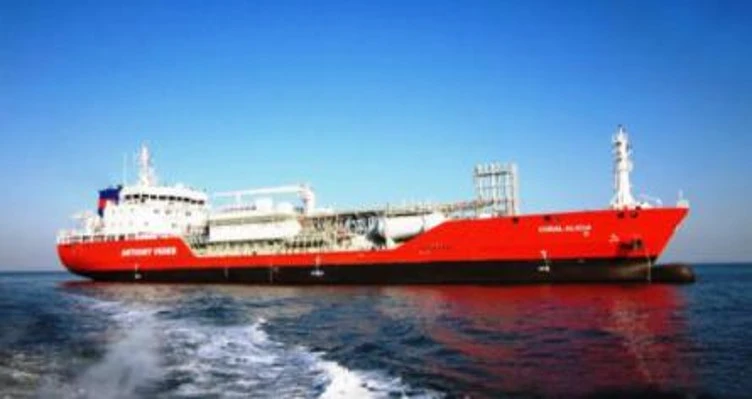
Maritime logistics and air cargo operations often overlap, especially when it comes to moving items through networks of multiple modes of transportation. As transhipment hubs, ports need to be able to handle both liquid and gas goods with great skill. TSC was one of the first companies to offer improved solutions in this area. They have designed complete systems for chemical tankers, liquefied gas carriers, and other types of boats. Our knowledge covers fully pressurised, semi-refrigerated, and fully refrigerated setups. We can meet a wide range of cargo needs that connect to aircraft supply chains through seamless logistics networks.
Benefits and Operational Importance of Cargo Handling in Aviation
Investing in more advanced cargo handling systems for handling cargo leads to measured performance gains in a number of operating areas.
Enhanced Turnaround Efficiency
Ground time affects airline revenue and schedule reliability. Optimised cargo handling speeds up aircraft turnaround by clearing inbound freight and loading outbound items. This efficiency improves on-time performance and aeroplane utilisation, which are crucial in competitive airline markets.
Automated procedures are far faster than human ones. With minimal human assistance, robots can sort, scan, and route products quicker than manual procedures. The speed advantage is particularly important when operations are busy, and many things need to be transported.
Cargo Security and Damage Prevention
Shipments that are precious or delicate need particular handling safety. Modern tracking technologies constantly monitor every move and storage location. Visibility deters theft and speeds up problem-solving.
Handling cargo appropriately reduces harm. Special instruments for delicate products, temperature-sensitive drugs, and hazardous chemicals ensure items arrive intact. Less damage means fewer insurance claims and happy clients.
Long-Term Return on Investment
Modern goods transport systems are expensive upfront but cost less over time. Automated systems reduce labour expenses over time. Increased dependability reduces maintenance costs and unplanned downtime. Better asset utilisation, achieved by processing quicker and having more room, increases revenue without raising infrastructure costs.
Financial modelling reveals that operators that invest in modern cargo infrastructure get significant returns, particularly in high-traffic locations where efficiency advantages pile up rapidly.
Comparing Cargo Handling Systems: Choosing the Right Solution for Aviation
When procurement teams choose container handling infrastructure, they have to make tough choices that balance technical skills with practical needs and budget limits.
Manual Versus Automated Systems
Setup is cheaper and more controllable using manual approaches. Ground crews can swiftly adapt to unusual circumstances or baggage arrangements. Manual techniques require continuous work expenditures and can't be employed as cargo volumes expand.
Automation improves speed and accuracy. After training, they repeat tasks accurately, reducing errors and increasing throughput. We build sections instead of employing additional people to scale. You must spend more on capital and have less flexibility to handle things non-standardly.
Electric and Hydraulic Technologies
Electric baggage handling equipment is quiet and clean, making it suitable for airports with noise restrictions. Electric cargo handling systems usually need less maintenance than hydraulic ones and are easier to connect to a building's electrical infrastructure. More dependable energy consumption from cargo handling systems benefits environmental initiatives.
Hydraulic systems are suitable for heavy labour and severe environments. They operate dependably at high duty cycles and temperatures. CM Energy has extensive expertise building hydraulic systems for high-pressure and corrosive maritime applications. This understanding may be used to aeroplane cargo infrastructure.
Evaluating System Providers
Look at a supplier's capacity to develop new technologies, commercial track record, and after-sales service infrastructure. Research and development strategies demonstrate providers' dedication to improvement. TSC has strategic partnerships with premier design companies like Norwegian expert WTC to get cutting-edge technical solutions.
Existing system reliability data provides objective performance measurements. Leading airports worldwide have used next-generation technology that improves processing speeds, error rates, and maintenance.
Maintenance, Technology Trends, and Future Outlook
To keep performance at its best, you need to be aware of how new technologies are changing cargo operations and plan for them ahead of time.
Preventive Maintenance Best Practices
Pre-planned repair plans prevent unexpected breakdowns that interrupt activity. Inspection techniques detect part wear before failure. Maintenance schedules, accuracy checks, and safety system tests ensure equipment operates properly.
Troubleshooting allows speedy problem-solving. Diagnostic tools save downtime by immediately finding issues. Maintaining adequate spare parts speeds up repairs, allowing you to bring the tools back up faster.
Emerging Technological Innovations
AI applications are making cargo handling data-driven. Machine learning algorithms locate the optimal routes, predict repairs, and improve procedures. Based on success data, these systems improve procedures constantly.
Internet of Things sensors enable you to monitor all shipping equipment. Real-time data streams monitor tool health, environment, and system performance. This link allows predictive repair plans to remedy issues before they shut down operations.
In locations that require human competence, robotics integration allows automation. People make choices and manage exceptions while collaborative robots undertake physically demanding tasks.
Digital Transformation and Sustainability
Digital platforms are opening cargo supply networks. Shipments, their handling, and delivery dates are visible to stakeholders. Aviation and other transportation operations collaborate better due to this transparency.
Ship operations become more eco-efficient via sustainability. Using energy-efficient tools reduces operations' carbon impact. Optimised routes reduce unnecessary stops, saving fuel and reducing pollution. These adjustments support industry aims to reduce flying's environmental impact.
Procurement Considerations for Aviation Cargo Handling Systems
Strategic buying makes sure that investments in cargo handling get the most value and are in line with practical goals.
Supplier Reputation and Service Capabilities
Provider track records may predict future performance. Companies that have completed complex projects on schedule and on budget are less likely to encounter issues. Being near functioning regions makes responsive services simpler and reduces technological downtime.
Check warranty conditions and after-sales support. Comprehensive warranties cover unexpected expenditures in the initial months of operation. Strong service networks ensure that skilled technicians and genuine components are available across a system.
Financial Considerations and Acquisition Models
Instead of purchasing, leasing cargo handling systems distributes expenses over time and frees up funds for other investments. Depending on local laws, leasing may provide tax savings. For well-established firms with robust bank sheets, buying cargo handling systems eliminates leasing obligations and offers you complete control.
In a financial study, consider the whole cost of ownership, including setup, training, maintenance, and replacement. A system that requires more maintenance or energy may cost more to maintain than an energy-efficient one.
Installation Timelines and Operational Impact
Schedules for deployments should not disrupt ongoing activity. Phased execution keeps services operational while new systems are implemented. Working collaboratively, suppliers, site managers, and operations teams make the switch to new infrastructure easy.
From planning to manufacturing to installation and servicing, CM Energy provides full lifecycle support. Our team has implemented several cargo handling systems and developed proven methods to streamline operations. TSC's expertise creating unique fully pressurised LPG systems proves we can handle tough technical challenges.
Customisation and Scalability
Handling needs for goods is very different between sites because of the types of cargo, their volume profiles, and the limitations of the operations. Standardized answers don't always meet the needs of specific situations in the best way. Customisation features let you make configurations that fit your unique operating needs.
Scalability makes sure that systems can grow with the business without having to be replaced completely. When you add on to a modular design, you can increase its capacity without having to completely rebuild the infrastructure.
When buying teams choose cargo handling system sellers, these are the main things they should think about:
- Proven technical knowledge in a range of system setups and operating settings
- Complete solutions that include services for planning, installation, testing, and upkeep
- Strategic relationships with well-known engineering groups make sure that people can get access to new technologies
- Proven ability to complete difficult tasks while meeting strict standards for safety and performance
All of these things together show if a company that sells cargo handling systems can provide solutions that meet strict operating needs and offer dependable long-term support. Companies that carefully evaluate their suppliers are more likely to have better business results and a good return on their investment.
Conclusion
Infrastructure for moving cargo is one of the most important parts of running efficient aircraft logistics operations, and a well-designed cargo handling system plays a central role in achieving this goal. Modern systems use a mix of mechanical tools, digital platforms, and safety rules to make the flow of goods more efficient while keeping packages and workers safe. When you strategically invest in new technologies for handling cargo, you get real benefits like faster turnaround times, better security, lower damage rates, and lower costs over the long run. Before making a purchase choice, you need to carefully look at the technical capabilities, supplier credentials, financial models, and customization options of a cargo handling system. New technologies promise that operations will continue to become more efficient and environmentally friendly. Companies that put an emphasis on effective cargo management and advanced cargo handling system solutions will be better positioned to compete in increasingly demanding global shipping markets.
FAQ
1. What is the expected operational lifespan of automated cargo handling systems?
Automated cargo handling systems that are well taken care of can usually work for fifteen to twenty-five years, based on how often they are used and the conditions of the surroundings. When making a lifecycle budget, you should plan for regular part replacements, technology updates, and the ultimate modernisation of the whole system. Preventive repair plans greatly increase the useful life of equipment by handling wear and tear before they break. Suppliers that offer flexible designs let you make small changes that make the system more useful without having to replace it completely.
2. How do advanced systems enhance cargo security compared to manual handling?
Modern cargo handling systems have a lot of security features that human processes don't have. Real-time tracking keeps an eye on where shipments are at all times, leaving audit trails that stop theft and speed up investigations. Access controls make sure that only approved people can use the tools. With fewer human interactions, automated systems make it harder for people who aren't supposed to be there to get in. High-value cargo is better protected by devices that combine monitoring and alarms.
3. What installation challenges do operators commonly encounter?
When adding modern cargo handling systems to old buildings, making sure they work with the current infrastructure can be hard. Older buildings may need to have their structures strengthened so that they can handle the weight of new equipment. To run automatic systems, it's often necessary to add more electrical capacity. Operational processes and upkeep needs must be covered in staff training programs. Experienced providers like TSC make operations go smoothly by planning everything in detail, working with site teams, and giving staff organised training programs that prepare them to use the system.
Partner with CM Energy for Advanced Cargo Handling Solutions
CM Energy has been a top-notch engineer for decades and can solve complicated cargo handling system problems in both marine and multimodal transportation. The TSC name has provided specialised cargo handling systems to harsh working conditions all over the world. These have included fully pressurised LPG configurations, semi-refrigerated installs, and fully refrigerated solutions. We have the most experience in the business when it comes to dual-fuel boats, liquefied gas carriers, chemical tankers, and combined fuel supply systems that can meet a wide range of practical needs.
Our all-around method includes initial design consultation, custom engineering, production, installation, commissioning, and support throughout the product's lifetime. Strategic relationships with well-known design firms give you access to new tools and creative solutions. CM Energy offers customised cargo handling system options that are best for your unique operating profile, whether you run VLGCs, crude oil tankers, LNG terminals, or offshore support vessels. As a trusted cargo handling system manufacturer, we invite you to learn more about how our advanced tech skills can help you run your business more efficiently and keep your goods safe. Email our team at info.cn@cm-energy.com to talk about your needs and get thorough technical ideas that are in line with your strategic goals.
References
1. International Air Transport Association. Cargo Handling Manual: Standards and Best Practices for Air Cargo Operations. Montreal: IATA Publications, 2023.
2. Smith, Robert and Johnson, Patricia. Automated Cargo Systems in Modern Aviation: Efficiency Analysis and ROI Modelling. Journal of Transportation Logistics, 2024.
3. Federal Aviation Administration. Advisory Circular: Cargo Handling Safety and Security Requirements. Washington: U.S. Department of Transportation, 2023.
4. Chen, Wei and Martinez, Carlos. Comparative Study of Electric versus Hydraulic Cargo Handling Technologies. International Journal of Aerospace Engineering, 2024.
5. European Aviation Safety Agency. Ground Support Equipment Standards: Technical Specifications and Compliance Guidelines. Cologne: EASA Press, 2023.
6. Thompson, James. Digital Transformation in Air Cargo Logistics: IoT, AI, and Predictive Maintenance Applications. Aviation Technology Review, 2024.