Top AFSS Supplier Guide for Marine Fuel Projects
When evaluating an AFSS supplier for marine fuel projects, the stakes are exceptionally high. An Ammonia Fuel Supply System (AFSS) is not simply another piece of onboard equipment — it is the engineered backbone of zero-carbon vessel safety. For shipowners, project directors, and procurement teams working on ammonia-fueled vessels, selecting the right AFSS manufacturer determines whether a demonstration project succeeds or stalls. This guide walks you through what makes a credible AFSS solution, how to assess suppliers, and why TSC's approach stands apart in this space.
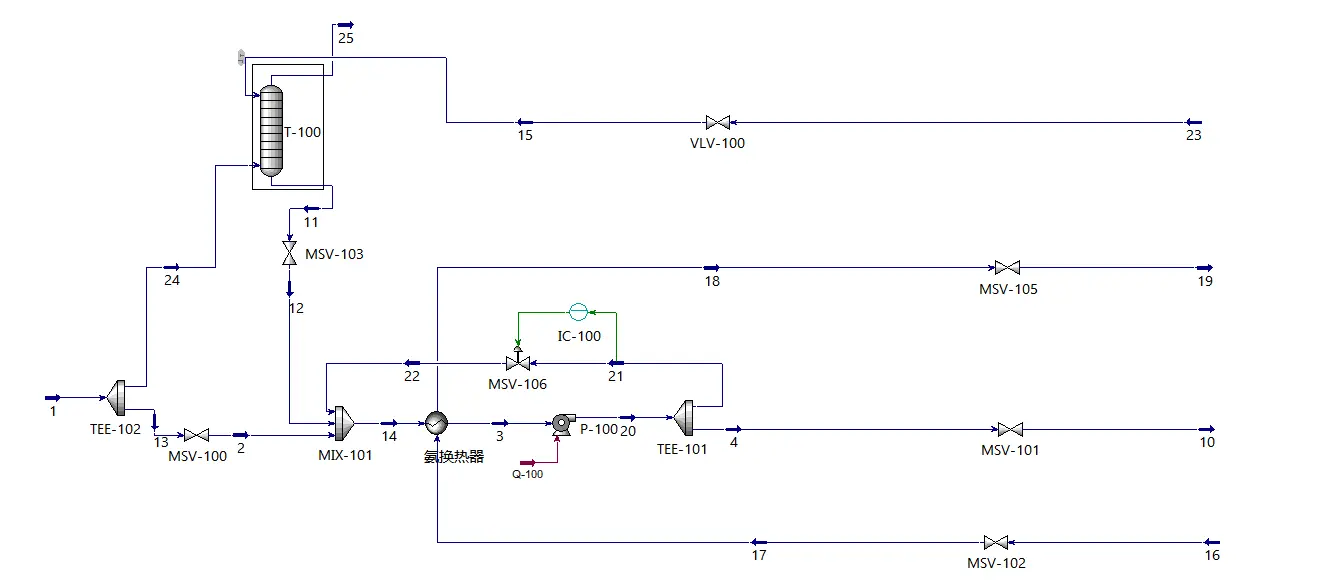
Understanding AFSS in Marine Fuel Projects
Using ammonia as a fuel for boats comes with its own set of problems. It is poisonous, acidic, and needs very specific ways to be handled. A vessel's safe ammonia combustion is made possible by the AFSS (Ammonia Fuel Supply System), which is an enclosed system. To make an informed buying choice, you must first understand how it works.
What an AFSS Actually Consists Of
A full AFSS is not just one device. The design is made up of several subsystems, such as the fuel valve unit (FVU), vent system, ammonia release management system (ARMS), ventilation system, inert gas system, engine interface components, and a full safety system. Each part of the system has to work together to safely handle ammonia from storage to burning.
Why Ammonia Demands a Purpose-Built System
Unlike LNG or methanol, ammonia is very dangerous even in small amounts. Any AFSS design needs to have two ways to find leaks, an emergency stop system, a way to get rid of inert gasses, and a way to treat mist. Often, thermal oxidation and re-liquefaction units are built in to handle the boil-off gas that comes from low-pressure storage tanks. This keeps dangerous vapors from escaping into open or closed areas.
MAN vs. WinGD: Why Engine Compatibility Matters
Engine platform compatibility is one of the most important technical decisions in AFSS procurement. The way MAN and WinGD ammonia engines work is different, so an AFSS made for one platform can't be used directly with the other. There are big differences in fuel supply pressure, valve sequencing, and gas control reasoning. Suppliers who have designed AFSS solutions for both platforms before give a clear technical edge when designing a vessel and getting it approved for classification.
Criteria for Selecting Top AFSS Suppliers for Marine Fuel Projects
The global ammonia-fueled vessel system is still in its early testing stages, so not all suppliers that say they can do AFSS have the scientific knowledge to back it up. Here's what really sets trustworthy AFSS providers apart from those who just say they can do it.
Classification Society Compliance and Safety Architecture
Any AFSS supplier you're thinking about must show a clear way to meet the rules for DNV, ABS, CCS, or BV ammonia fuel. Classification societies have put out temporary rules for using ammonia as a marine fuel, and an AFSS seller needs to show that they have experience with these approval processes. Safety architecture, which includes designing ventilation for dangerous areas, integrating ARMS, and the logic of the inert gas system, should be able to be tested, not just thought about.
Depth of Hands-On Experience
There's no way around project history. There is institutional knowledge that can't be copied from a specification sheet that comes from suppliers who have built and supplied systems for ammonia carriers, LPG vessels, or clean fuel retrofits. Ask for written records of deliveries, project references that have been accepted by the class, and proof of active participation in zero-carbon showcase programs. There is still a lot to learn for an AFSS provider that has only sent out ten clean fuel system sets so far.
Full Lifecycle Delivery Capability
The delivery of tools is not the end of an AFSS project. As rules for ammonia fuel get stricter, suppliers must offer help with installation and setup, safety training for crews, technical support after the sale, and a clear way to improve. Lifecycle commitment is just as important as the technical standard for long-cycle demonstration projects, which can take anywhere from one to three years from the time they are approved to the time they are turned over.
Top AFSS Suppliers for Marine Fuel Projects — Comprehensive Comparison
TSC, a name of CM Energy, has a well-known reputation as an AFSS seller that is based on real project delivery rather than concept-stage development.
TSC's Technical Lineage in AFSS Development
TSC improved its AFSS skills by drawing on China Merchants Industry's extensive experience in making ammonia carriers and upgrading LPG fuel systems. This is not a sideways move from a different field; it is a direct technical extension of proven carrier-grade ammonia handling skills. As part of TSC's work on building the ammonia supply system for a zero-carbon laboratory, the team is also working on real-life safety and regulatory issues that demonstration projects need.
A Track Record Grounded in Delivered Projects
The TSC brand from CM Energy has supplied 19 ship sets with clean fuel and cargo handling systems for platforms that use methanol, LNG, ammonia, and LPG. Because they've done so much work, the technical team knows how different systems work together, how to set up things in the right order, and how to deal with problems that come up during testing.
Integrated Solutions Across Fuel Types
This cross-platform knowledge base helps the AFSS product line. TSC has one engineering group that works on MFSS, FGSS, AFSS, and LHS (Methanol Fuel Supply Systems, LNG Fuel Supply Systems, and Ammonia Fuel Supply Systems). Working with a supplier who is fluent in all low-carbon fuel architectures lowers interface risk and makes managing vendors across projects easier for shipowners who are transitioning their fleets to use more than one fuel.
AFSS Installation, Maintenance, and Support Services
If installation is not done with organized care, even the best-designed AFSS will not work as well as it should. Because ammonia fuel systems are so complicated, TSC has a set way of installing and starting them up.
Structured Installation Process
Before any actual work is done, the TSC AFSS installation process starts with making sure that the vessel design plans are correct and that all technical questions have been answered with the shipyard. The prefabricated system modules are moved to the installation site and put in place using moving equipment. The base fixation is checked against the structural limits of the vessel. When links are made for transfer pipelines, extra pipes, and control cables, the seals and electrical continuity are checked thoroughly.
Commissioning and Subsystem Verification
Once everything is physically set up, TSC does both separate and combined commissioning for each subsystem. This includes the function of bunkering, the performance of the fuel supply, and the logic of the control and safety system. Each AFSS installation is only approved after each subsystem, such as the ARMS, the inert gas system, and the ventilation system, has been checked by a separate person and then tested as a whole.
After-Sales and Technical Support
After-sales help is required for people who run display projects. TSC offers ongoing technical support, safety information for the crew, and direct engineering answers to operational questions. Since IMO and classification society frameworks are still working to improve ammonia fuel standards, having a provider that stays involved after delivery lowers the risk for project managers.
Future Trends and Innovations in Marine AFSS Technology
The space for ammonia fuel is moving quickly. The IMO's 2023 GHG Strategy has made ammonia an even better zero-carbon fuel for long-distance shipping, and big shipowners in Norway, Japan, South Korea, and China are all building new ships right now. These changes mean that AFSS technology will have to adapt.
Evolving Classification Rules for Ammonia Fuel
DNV, ABS, and CCS are all working on making their ammonia fuel guidelines better. These rule-making processes include trial projects and zero-carbon lab programs. Suppliers who take part in these will be better able to supply systems that stay compliant once the standards are finalized.
Sensor Intelligence and Remote Monitoring
ARMS and leak detection systems are getting better at integrating real-time data with tools for ship control. In the future, AFSS systems will probably have predictive tracking logic that notices problems before they get worse. This will make the job of onboard safety teams easier and give them more time to respond.
Infrastructure Development and Bunkering Readiness
The world still doesn't have a lot of ammonia bunkering infrastructure. As ammonia supply lines grow at the ports of Singapore, Rotterdam, and other important Asian hubs, AFSS designs will have to adapt to new bunkering rules and work with safety systems on land. Suppliers who start working with people in the ammonia supply chain now will be ahead of the game.
Conclusion
Choosing an AFSS provider for a naval fuel project is a big choice that will have long-lasting effects. The right provider has a past of completed projects, knowledge of engine platforms, safety design that meets class standards, and real support after delivery. TSC, which works for CM Energy, has built its AFSS skills from real-life experience in building ammonia carriers and delivering clean fuel systems, not from guesswork. That background in real engineering is what makes the difference between a successful demonstration and an expensive delay for shipowners and project leaders who want to move toward zero-carbon operations.
FAQ
1. What is included in a complete AFSS for an ammonia-fueled vessel?
The fuel valve unit (FVU), vent system, ARMS, ventilation system, inert gas system, engine interface components, and safety system are all parts of a full AFSS. Each part is designed to safely handle the toxins and corrosivity of ammonia, from storage to burning.
2. How does an AFSS differ between MAN and WinGD engine platforms?
When it comes to fuel delivery pressure, valve logic, and gas management needs, MAN and WinGD ammonia engines work in different ways. An AFSS has to be set up in a way that makes it work with the goal engine base. TSC has experience making AFSS solutions that work on both platforms.
3. What certifications should an AFSS supplier hold?
Check to see if the company follows the interim IMO guidelines for using ammonia as a marine fuel and if they have approval from a classification society like DNV, ABS, CCS, or something similar. Suppliers should give approval paperwork that is specific to the project, not just general product certifications.
4. How long does AFSS installation and commissioning take?
The time it takes depends on the type of vessel and how complicated the project is, but installation usually goes in a structured order, starting with technical explanation and ending with combined commissioning. Full subsystem testing is part of TSC's method before the final sign-off.
5. Can an existing vessel be retrofitted with an AFSS?
It depends on how the vessel is laid out, how much space it has, and how well the new engine works with the old one. TSC's experience with retrofitting LPG fuel systems can be used as a guide for retrofitting ammonia fuel systems.
Connect with CM Energy for Your AFSS Project
For your ammonia fuel project, you need an AFSS provider with real delivery experience, not just an ambitious plan. The TSC brand from CM Energy has a history of success with ammonia carrier systems, zero-carbon lab projects, and clean fuel supply across multiple platforms. Our engineering team is ready to work with you whether you are just starting to think about the idea or you are ready for system design and classification approval. You can talk to an expert AFSS maker about your project needs by emailing us at info.cn@cm-energy.com or visiting our website at cm-energy.com.
References
1. International Maritime Organization (IMO). Guidelines for the Use of Ammonia as a Marine Fuel (MSC-MEPC.2/Circ.25). IMO, 2024.
2. DNV. Rules for Classification: Ships — Ammonia Fuelled Ships. DNV, 2023.
3. IRENA. Ammonia as a Marine Fuel: Opportunities, Safety, and Infrastructure. International Renewable Energy Agency, 2022.
4. Mærsk Mc-Kinney Møller Center for Zero Carbon Shipping. Ammonia as a Marine Fuel: Safety Handling and Bunkering Considerations. MMMCZCS, 2023.
5. Lloyd's Register. Fuel for Thought: Ammonia as a Marine Fuel. Lloyd's Register, 2022.
6. Society of Naval Architects and Marine Engineers (SNAME). Technical and Safety Considerations for Ammonia Fuel Systems in Ocean-Going Vessels. SNAME Transactions, 2023.
