The wind assisted propulsion system market is growing at an amazing rate as the transportation industry moves toward more environmentally friendly ways to convey goods. Eight companies will be at the top of this cutting-edge field, using the latest renewable energy technology to improve the performance of ships. These firms provide creative solutions, such as stiff wing sails and rotor sails, that assist shipowners cut down on carbon emissions and make their ships use less fuel. The worldwide campaign to cut down on carbon emissions is driving up demand for these systems. Commercial operators want solutions that will pay off quickly, in less than five years. To fulfill strict CII compliance criteria, more and more chemical tankers, Newcastlemax bulk ships, and LR2 tankers are using wind propulsion systems. Ferry operators really like the ability to move about in ports without making any emissions, and builders install these technologies into new ships so they will be ready for the future.
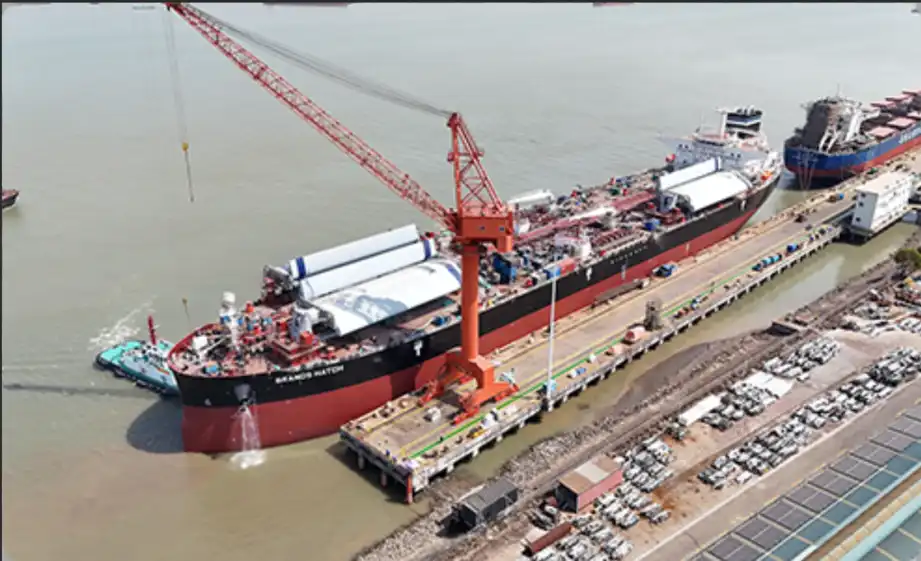
Leading Wind Propulsion System Manufacturers
1. CM Energy (TSC)
CM Energy stands as a technology-driven enterprise leading wind propulsion innovation through its wind assisted propulsion system. This Hong Kong Stock Exchange-listed company leverages extensive marine technology expertise, serving over 25% of global platforms with deck cranes. The WindWings® three-element rigid sail incorporates patented technology from BART, featuring fully adjustable camber and angle of attack for optimal aerodynamic performance. DNV, BV, LR, and CCS certifications validate the system's reliability across chemical tankers and bulk carriers. With 159 authorized patents including 10 invention patents, CM Energy demonstrates exceptional innovation capability. The company's 37.5m wingspan model delivers 1.6 tons daily fuel savings per wing, reducing CO2 emissions by 5.12 tons daily. Robust construction using ship-grade steel and E-glass composites ensures 25-year operational lifespan. Advanced automation systems optimize wing orientation based on real-time conditions, while weather routing maximizes wind advantages for enhanced vessel performance.
2. BAR Technologies
Through cutting-edge research and development in aerodynamics, BAR Technologies is changing how ships move through the water. This UK-based startup uses its knowledge of Formula 1 and maritime engineering to build advanced ways to collect wind energy. Their WindWings technology uses a new three-element design to make sails that lift more than 2.5 times as much as regular single-wing sails. The company's computational fluid dynamics skills let them make accurate projections about how well things will work, which helps both retrofit and newbuild projects. BAR Technologies works together with classification organizations to make sure that rules are followed in all international waterways. Their technologies work well with the way ships already operate, so crews don't need much training and fuel economy goes up a lot. The company's emphasis on sustainable shipping fits perfectly with worldwide efforts to fight climate change. This makes them a good choice for environmentally concerned operators looking for trustworthy green technology solutions.
3. Norsepower
Norsepower was the first company to use current rotor sail technology, which has been shown to save fuel on a wide range of ships. This Finnish company uses both old and new engineering to make automated systems that don't need much maintenance. Their installations are used on passenger ferries, cargo ships, and tankers, showing that they may be used in a wide range of marine settings. Norsepower's rotor sails work well in all kinds of weather because they automatically change the speed of rotation to produce the most thrust. The company's modular strategy makes it possible to deploy systems that can handle ships that are 50 to 300 meters long. Strong financial support and long-term ties with customers help the company keep growing in the market. Their products work with current vessel management systems to provide you real-time performance monitoring and operational insights. Norsepower's dedication to energy efficiency helps operators stay in line with changing environmental rules while also making their operations more profitable.
4. Bound4Blue
Bound4Blue develops new eSAIL technology that includes self-propelling sails to make propulsion more efficient. This French-Spanish joint company brings together aeronautical and marine engineering to make smart wind propulsion systems. Their designs use boundary layer suction to keep the airflow at its best, which makes lift production far better than with regular sails. Bound4Blue's installations take up very little deck space and save a lot of fuel on a wide range of itineraries. The company's emphasis on automation makes wind propulsion easier for a wider range of operators by reducing the amount of labor that crew members have to do. Their system works with both short-route ferries and long-haul commercial ships, and it may be installed in a number of ways. Bound4Blue's collaborations with major shipyards make it easier for newbuild designs to include their products, which helps the industry move toward more environmentally friendly transportation. Because they are dedicated to marine innovation, they are a significant participant in the changing world of wind propulsion.
5. eConowind
eConowind focuses on VentoFoil technology, which provides affordable wind propulsion options for retrofitting. This Dutch firm concentrates on real-world applications and offers easy-to-follow installation steps that don't need many changes to the vessel. Their telescoping foil systems may be used in different ways and fold all the way up during port operations. The way eConowind works focuses on being simple and reliable, which is great for operators that want simple wind assistance without complicated automation. The company's modular designs make it possible to install systems that can grow to fit various vessel sizes and operating characteristics. Their devices work especially well on coastal roads since the wind patterns are the same, which makes it easier to collect electricity. eConowind's low prices and proven performance make wind propulsion available to smaller companies who want to move goods in a way that doesn't harm the environment. Their work on hybrid propulsion systems helps the slow shift to using more renewable energy.
6. Smart Green Shipping
Smart Green Shipping produces FastRig technology, which has sophisticated composite wing sails that make it more aerodynamic. This UK-based firm focuses on building things that are light and operate automatically, which makes installation easier and lessens the need for human labor. Their devices use sophisticated sensors to optimize performance in real time, which helps them gather as much wind energy as possible in different situations. Smart Green Shipping's emphasis on integrating autonomous navigation complements the trend toward automating ships in the future. The company's composite knowledge lets them make bigger sails with less structural weight, which makes the whole ship work better. Their installations show that you can save a lot of gasoline while still being able to change how you use them. Smart Green Shipping's dedication to lowering environmental effect is in line with the industry's aspirations for sustainability, which draws in operators that care about the environment. Their cutting-edge approach to wind propulsion technology makes them a forward-thinking solution supplier in the ever-changing marine world.
7. Marine Wallenius
Wallenius Marine is a leader in new ideas for designing wind-powered ships. They are working on huge wing sail systems that will make ships use less fuel. This Swedish business pushes the limits of technology by making ships that can run on 90% wind power. Their huge wing sail systems show how wind power might completely change how ships move. Wallenius Marine's designs use high-tech materials and control technologies that let you regulate your sails precisely in a wide range of weather situations. The company's ambitious plan gets the attention of big shipping corporations that want to cut carbon emissions by a lot. Their prototype ships are used to test new wind propulsion technologies. Wallenius Marine's goal is not only to make little changes; they want to completely change transportation by using renewable energy. Their groundbreaking work has an impact on industry norms and rules that help the growth of sustainable shipping.
8. Anemoi
Anemoi Marine Technologies makes rotor sail systems that focus on making operations easy and maintenance quick. This UK business makes dependable wind propulsion systems by combining old-fashioned engineering with new technology. Their installations use tried-and-true technology with predictable performance characteristics, which appeals to cautious operators that want to make small improvements to their sustainability over time. Anemoi's technologies work well with the way ships already work, so crew training and operational modifications are kept to a minimum. The company's focus on strong construction makes sure that the product works well in tough marine conditions. Their rotor sail technology shows that they can save fuel consistently while yet being able to change how they work. Anemoi's practical approach to wind propulsion makes it possible for regular shipping companies that don't want to deal with complicated technology to use it. Their dedication to proven performance gives operators more confidence in using wind propulsion.
Industry Trends and Summary
Wind assisted propulsion system technology experiences rapid advancement as manufacturers compete to deliver superior fuel efficiency and carbon emission reduction solutions. Integration with vessel management systems enables optimized performance, while improved materials reduce maintenance requirements. The market trend toward modular, scalable solutions accommodates diverse vessel types and operational profiles. Automation advances reduce crew workload while maximizing energy harvesting potential. Classification society approvals accelerate adoption by providing regulatory certainty for operators and financiers.
FAQ
1. What is a Wind Assisted Propulsion System and how does it work?
A Wind Assisted Propulsion (WAP) system uses wind power to assist a vessel's propulsion. By harnessing the force of the wind through sails or rotors, these systems reduce the fuel consumption and CO2 emissions of ships. WAP systems can work in conjunction with traditional engines, providing an eco-friendly alternative that improves fuel efficiency, especially on long voyages.
2. Why is the Wind Assisted Propulsion System gaining popularity?
The Wind Assisted Propulsion System is gaining popularity due to its environmental benefits. As the maritime industry faces increasing pressure to reduce emissions, these systems provide a cost-effective, sustainable solution. By using wind as a natural resource, WAP systems lower fuel costs and carbon footprints, aligning with global regulations on reducing greenhouse gas emissions.
3. Which manufacturers are leading the market in Wind Assisted Propulsion Systems in 2025?
In 2025, several manufacturers are leading the market for Wind Assisted Propulsion Systems, focusing on advanced technologies like Flettner rotors and automated sail solutions. Some top players include CM Energy (TSC), Norsepower and Wallenius Marine all known for their innovative designs that help reduce shipping emissions and enhance fuel efficiency.
Partner with CM Energy for Advanced Wind Assisted Propulsion System Solutions
CM Energy emerges as your trusted wind assisted propulsion system manufacturer, combining proven marine technology expertise with innovative WindWings® solutions. Our three-element rigid sail technology delivers up to 30% fuel savings while ensuring CII compliance across chemical tankers, bulk carriers, and LR2 vessels. With 159 authorized patents and global certification from DNV, BV, LR, and CCS, we provide comprehensive lifecycle support from installation through maintenance. Our 25-year operational lifespan guarantee and transferable design maximize your investment returns. Whether retrofitting existing fleets or designing newbuild vessels, our customized integration solutions meet specific operational requirements while delivering quick ROI under five years. Transform your fleet's sustainability profile with our certified wind propulsion technology. Contact us at info.cn@cm-energy.com to discover how our wind assisted propulsion system systems can revolutionize your vessel performance while reducing operational costs.