Source Cargo Handling Systems from Top Asian Manufacturers
A lot of Asian companies are the world's best at making high-tech methods for moving goods on ships. You can find specialized tools for VLGCs, chemical ships, and offshore vessels, as well as methods for managing LPG goods in these complex Cargo Handling System. Some of the best Asian providers, like CM Energy (TSC), use cutting-edge technology and decades of technical know-how to ensure their Cargo Handling System meets international safety standards and the needs of numerous types of ships.
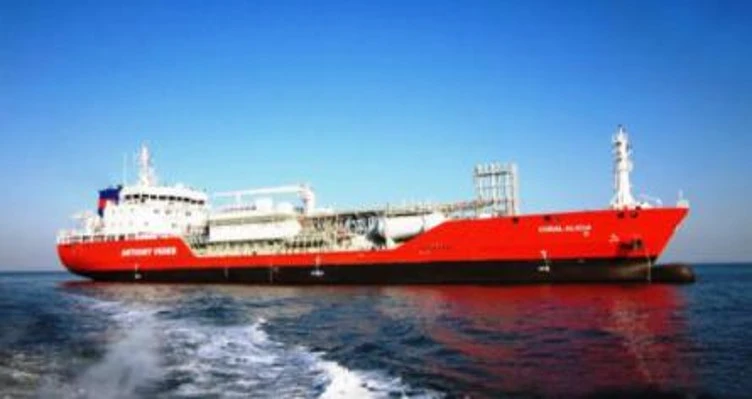
Why Source Cargo Handling Systems from Asian Manufacturers
Superior Engineering Capabilities and Cost Efficiency
Because Asian companies put a lot of money into research and development, they have changed the way goods handling equipment is made. System builders for very big gas carriers, crude oil tanks, and specialised ships are based in places like China, South Korea, and Singapore, which have world-class factories. It's good for global shipping providers that these businesses use modern production methods and keep their prices low.
The engineering teams at the biggest Asian companies have a lot of practice with dual-fuel systems, transporting liquid gas and complicated marine uses. Because of their knowledge, they can handle goods in ways that make operations more efficient and make sure they follow the rules in foreign areas.
Comprehensive Product Portfolio Coverage
Asian manufacturers excel in providing complete cargo handling ecosystems rather than isolated components. Their product ranges typically include:
- Full-pressure LPG cargo systems for gas carriers
- Semi-refrigerated and fully refrigerated handling solutions
- Methanol fuel supply systems (MFSS) for container ships
- LNG fuel gas supply systems (FGSS) for various vessel types
- Ammonia fuel supply systems (AFSS) for green shipping initiatives
- Integrated monitoring and emergency shutdown systems
This comprehensive approach enables vessel operators to source multiple system components from a single reliable supplier, streamlining procurement processes and ensuring compatibility across all equipment interfaces.
Understanding Global Cargo Handling System Applications
Maritime Vessel Categories and System Requirements
Different types of ships need different ways to handle goods that are specific to how they work. Very Large Gas Carriers (VLGCs) and VLACs that move ammonia need strong safety procedures and pressure control systems. These ships work in harsh situations that make system dependability directly affect operating safety and the ability to make money.
Carriers of crude oil, such as LR1, LR2, VLCC, and ULCC types, need cargo handling systems that can handle different kinds of crude oil while still meeting strict environmental protection standards. Multiple world trade lines have different loading rates, temperature changes, and standards for product compatibility. The systems must be able to handle all of these things.
Because they carry so many different chemical goods, chemical trucks and LPG haulers have their own set of problems to solve. The methods for moving cargo on these ships are made of special materials that don't rust or react chemically, and they can precisely control temperature and pressure.
Offshore and Specialized Applications
For Floating storing and Regasification Units (FSRUs) to work, they need very complex methods for moving goods that can do both storing and processing. When these systems combine regasification equipment with regular cargo management parts, they make very complicated working conditions that need to be very reliable.
Offshore support vessels, like Platform Supply Vessels (PSVs) and Offshore Support Vessels (OSVs), use goods handling systems that are made for rough sea conditions and activities that involve moving around. These tools have to keep working even when the weather is bad and help with important ocean activities.
Global Supply Chain Analysis for Cargo Handling Equipment
Market Demand Dynamics and Regional Variations
The move by the shipping industry around the world to more environmentally friendly fuels has greatly raised the need for high-tech methods for moving goods. Green hydrogen transport ships and container ships that run on methanol are new markets that need new ways to handle goods that weren't around ten years ago.
Asia, Europe, and the Americas all have regional trade hubs that have different needs because of local laws, environmental standards, and operating tastes. Asian companies have changed the products they make to meet the wants of different regions while still meeting normal quality standards.
Technology Integration and Automation Trends
Modern systems for moving goods use advanced robotic technologies that make operations safer and more efficient. In modern setups, real-time tracking, predictive repair algorithms, and combined control systems are all things that come as standard.
Using digital technologies together allows for online tracking and diagnosis, which lowers costs and raises the efficiency of the system. Asian makers are now at the head of industry innovation thanks to these technological breakthroughs, especially in areas like smart cargo tracking and automatic loading systems.
Sourcing Channel Comparison and Selection Strategy
Direct Manufacturer Engagement
| Channel Type | Advantages | Disadvantages | Best Suited For |
|---|---|---|---|
| Direct Manufacturer | Competitive pricing, technical support, customization | Higher MOQs, longer lead times | Large-scale projects, custom solutions |
| Local Distributors | Faster delivery, local support, smaller quantities | Higher costs, limited customization | Standard components, urgent replacements |
| B2B Platforms | Wide selection, price comparison, easy sourcing | Quality uncertainty, limited support | Initial research, component sourcing |
| Trading Companies | Market knowledge, logistics support, risk mitigation | Additional markup, communication layers | Complex international transactions |
Regional Distribution Networks
Asian companies usually have large marketing networks that offer professional support and help to customers in the area. These networks make it possible for repair needs and extra parts to be met more quickly, which is very important for ship owners who manage global companies.
Different makers have very different ways of getting their products to customers. Some rely on direct sales, while others use large networks of dealers. Buying people can choose the best way to source for their needs by understanding these different marketing models.
Supplier Verification and Quality Assurance Guidelines
Essential Qualification Criteria
Reliable cargo handling system suppliers demonstrate several key characteristics that distinguish them from less capable providers. Established manufacturers maintain comprehensive quality management systems certified to international standards such as ISO 9001 and maritime-specific certifications.
Technical expertise verification involves reviewing the supplier's track record with similar vessel types and cargo handling applications. Suppliers should provide detailed case studies, reference installations, and performance data that demonstrate their capabilities in relevant applications.
Financial Stability and Manufacturing Capacity
Supplier financial stability directly impacts project execution reliability and long-term support availability. Buyers should evaluate suppliers' financial health through credit reports, facility tours, and discussions with existing customers about their experiences with the supplier's performance.
Manufacturing capacity assessment ensures suppliers can meet delivery schedules while maintaining quality standards. This evaluation includes reviewing production facilities, quality control processes, and the supplier's ability to scale production for large orders.
Procurement Best Practices and Common Considerations
Minimum Order Quantities and Payment Terms
Cargo handling system procurement typically involves substantial investments with MOQs varying significantly based on system complexity and customization requirements. Standard components may have lower MOQs while complete integrated systems require larger minimum orders due to engineering and manufacturing setup costs.
Payment terms are usually standard in the industry. For example, a deposit is needed to secure an order, payments are made in stages based on manufacturing goals, and the final payment is due after delivery and acceptance testing. Buyers should talk to sellers about payment plans that work with their cash flow needs and protect the sellers properly.
Delivery Schedules and Installation Planning
Lead times for making goods handling systems range from a few months for basic setups to more than a year for solutions that are very specific to the customer. To avoid expensive delays, buyers must make sure that these dates work with building plans and the shipping needs of the vessel.
System providers, builders, and vessel owners must work together closely during installation planning to make sure that the new systems work well with the existing ones on the ship. This teamwork includes defining the interfaces, coming up with testing methods, and setting up routines that make sure the system works well before the ship is delivered.
Quality Control and Acceptance Testing
Factory acceptance testing, witness spots during production, and thorough inspection procedures are all parts of complete quality control programs. Before systems are sent to installation places, these programs make sure they meet performance and specs standards.
Individual component testing, combined system testing, and performance evaluation under simulated working circumstances are all common parts of acceptance testing. These tests make sure that systems will work properly once they are placed and turned on at sea.
Conclusion
Sourcing cargo handling systems from Asian manufacturers offers compelling advantages including advanced engineering capabilities, comprehensive product portfolios, and competitive pricing structures. Success in these procurement initiatives requires careful supplier evaluation, clear specification development, and thorough quality assurance processes. The Asian manufacturing base continues expanding its technological leadership while adapting to evolving industry requirements for sustainable shipping solutions. Buyers who invest time in understanding supplier capabilities and establishing strong partnerships will benefit from reliable, high-performance cargo handling systems that support their operational objectives across diverse maritime applications.
FAQ
1. What are the typical lead times for cargo handling systems from Asian manufacturers?
Highly specialized cargo handling systems may take 12-18 months to deliver, whereas standard systems take 4-8 months. The manufacturer's order backlog, system complexity, and customisation needs determine lead times.
2. How do Asian manufacturers ensure compliance with international maritime regulations?
Asian producers with DNV GL, ABS, Lloyd's Register, and other certifications are reliable. They create solutions for IMO, flag state, and consumer regulatory compliance.
3. What support services do Asian cargo handling system manufacturers provide?
Leading manufacturers provide design engineering, installation supervision, commissioning, operator training, spare parts supply, and technical support. Many have regional service centers for quicker response.
Partner with CM Energy for Advanced Cargo Handling System Solutions
CM Energy stands as a premier cargo handling system manufacturer with proven expertise in designing and delivering sophisticated solutions for the global maritime industry. Our comprehensive product portfolio includes fully pressurized LPG systems, semi-refrigerated configurations, and advanced fuel supply systems that meet diverse operational requirements. With numerous authorized patents and extensive experience serving a wide range of deck cranes and self-elevating platforms worldwide, we provide reliable, innovative cargo handling solutions backed by full lifecycle support. Contact our technical team at info.cn@cm-energy.com to discuss your specific cargo handling system requirements and discover how our advanced engineering capabilities can optimize your vessel operations.
References
1. International Maritime Organization. "Guidelines for Systems and Installations for Supply of LNG as Fuel to Ships." Maritime Safety Committee, 2019.
2. Chen, Wei-Ming. "Advanced Cargo Handling Technologies in Modern Gas Carriers." Journal of Marine Engineering and Technology, Vol. 18, No. 3, 2020.
3. Maritime Research Institute. "Asian Shipbuilding Industry Analysis: Technology Leadership in Cargo Systems." Global Maritime Quarterly, 2023.
4. Zhang, Li-Hua and Thompson, Robert. "LNG Fuel Supply Systems: Design Considerations for Commercial Vessels." Marine Technology Review, 2022.
5. Pacific Maritime Association. "Cargo Handling Equipment Standards and Best Practices for Offshore Applications." Technical Publication Series, 2021.
6. Kim, Sang-Ho. "Innovation in Liquefied Gas Carrier Design: System Integration and Safety Enhancements." Asian Journal of Maritime Studies, Vol. 15, No. 2, 2023.