Shale Shaker Screen Life Extension Techniques
Shale Shaker screen life extension techniques include planned upkeep, the right way to place the screen, and the choice of high-tech materials that cut down on costs while increasing drilling efficiency. These tried-and-true methods help workers get the best solids control results in a wide range of drilling situations, from platforms at sea to activities on land. By learning and using these methods, procurement pros can make smart choices that extend the life of tools, cut down on downtime, and boost total drilling productivity while keeping costs low.
Understanding Shale Shaker Screen Wear and Tear
Screen deterioration of shale shakers represents one of the most significant operational challenges facing drilling professionals today. Being exposed to rough materials, chemical rust, and mechanical stress all the time makes for a tough climate that speeds up wear patterns and makes equipment less useful.
The main reasons why screens get worse
When drilling chips constantly hit screen surfaces during the sorting process, this is called mechanical wear. This constant rubbing reduces mesh structures over time and causes tiny cracks that finally break the mesh completely. The rate of wear and tear is directly related to the particle size, hardness, and amount of cuts. It is important to know these things when planning repair plans.
Chemical rust is another big problem that can damage screens. Drilling fluids often have strong chemicals in them that can combine with screen materials, especially metal parts. The reaction between chemicals makes screens less stable and speeds up the formation of holes or tears that make separation less effective.
Effects on the Drilling Process
When a screen fails, it affects drilling processes in more ways than just the cost of replacing. As screens wear out, they become less effective at separating fluids, which results in lower fluid quality and more waste. Because of this degradation, workers have to either slow down the digging process or do more cleaning, which both adds to the cost of operations and delays the project schedule.
Failure of a screen has effects that reach throughout the whole drilling system. Poor separation quality changes the properties of the mud, which could make the wellbore unstable or damage equipment in processes further down the line. Knowing how these connections work together helps buying teams see how much it's really worth to spend money on good screens and repair programs.
Proven Ways to Make Shale Shaker Screens Last Longer
To extend the life of shale shaker screens in a complete way, you need a methodical approach that takes into account installation, operation, and upkeep issues. These tried-and-true ways have shown to make screens last longer in a number of drilling situations.
Best Practices for Installation and Setup
A longer screen life starts with the right setting. Getting the right tension levels stops premature wear that is caused by too much shaking or bad seals. Screen placement needs to be exact so that drilling fluids are spread out evenly and there aren't any stress points that cause the screen to break quickly.
Temperature issues during placement can affect how well and how long the screen lasts. If screens aren't properly tensioned when they're installed, thermal expansion and contraction can cause stress spots. Failures caused by weather can be avoided by knowing about the surroundings and changing the way things are installed to fit.
Operational Parameter Optimization
Here are the core operational adjustments that significantly impact shale shaker screen longevity:
- Vibration Control: Optimal vibration frequencies reduce mechanical stress and ensure separation. Monitor vibration patterns to spot problems before they harm screens.
- Flow Rate Management: Controlling fluid flow rates prevents overwhelming screen capacity and reduces impact forces that contribute to wear. Optimal flow distribution over screen surfaces enhances separation efficiency and reduces stress.
- Chemical Compatibility: Ensuring drilling fluid compatibility with screen materials prevents chemical degradation and extends service life. Regular fluid analysis optimizes chemical equilibrium.
These operational considerations work synergistically to create an environment that supports extended screen life while maintaining separation performance. Regular monitoring and adjustment of these parameters help operators achieve consistent results and predictable maintenance schedules.
Advanced Solutions and Technologies for Screen Life Extension
Modern technological advancements offer unprecedented opportunities to enhance shale shaker screen durability and performance. These innovations address traditional limitations while providing new capabilities that support extended operational life.
High-Performance Materials and Coatings
Advanced synthetic materials demonstrate superior resistance to both mechanical wear and chemical corrosion compared to traditional options. These materials maintain structural integrity under demanding conditions while providing consistent separation performance throughout their service life. The development of specialized coatings further enhances resistance to specific drilling fluid chemistries.
Composite screen technologies combine multiple materials to optimize performance characteristics. These hybrid approaches leverage the strengths of different materials while minimizing individual weaknesses, resulting in screens that perform reliably across diverse drilling conditions.
Monitoring and Predictive Maintenance Technologies
Automated monitoring systems provide real-time insights into screen condition and performance. Vibration sensors detect early signs of wear or damage, enabling proactive maintenance that prevents catastrophic failures. These systems generate data that helps operators optimize maintenance schedules and reduce unexpected downtime.
Predictive analytics applications process operational data to forecast screen replacement needs with remarkable accuracy. This capability enables procurement teams to plan purchases more effectively while ensuring adequate inventory levels without excessive capital investment in spare parts.
Comparison of Screen Life Extension Methods and Market Solutions
Evaluating different approaches to shale shaker screen life extension reveals significant variations in effectiveness, cost, and practical implementation. Understanding these differences helps procurement professionals select the most appropriate solutions for their specific applications.
Traditional Maintenance Approaches
Conventional maintenance strategies typically rely on scheduled replacements and reactive repairs. While these approaches provide predictable maintenance windows, they often result in premature screen replacement or unexpected failures that disrupt operations. The lack of condition-based decision making limits the effectiveness of traditional methods.
Reactive maintenance approaches wait for visible signs of wear before taking action. This strategy frequently results in emergency replacements that increase costs and extend downtime periods. The unpredictable nature of reactive maintenance makes it difficult to optimize inventory levels or plan maintenance activities effectively.
Modern Integrated Solutions
Contemporary approaches integrate multiple technologies and strategies to create comprehensive screen life extension programs. These solutions combine advanced materials, monitoring systems, and optimized operational procedures to achieve superior results compared to individual techniques.
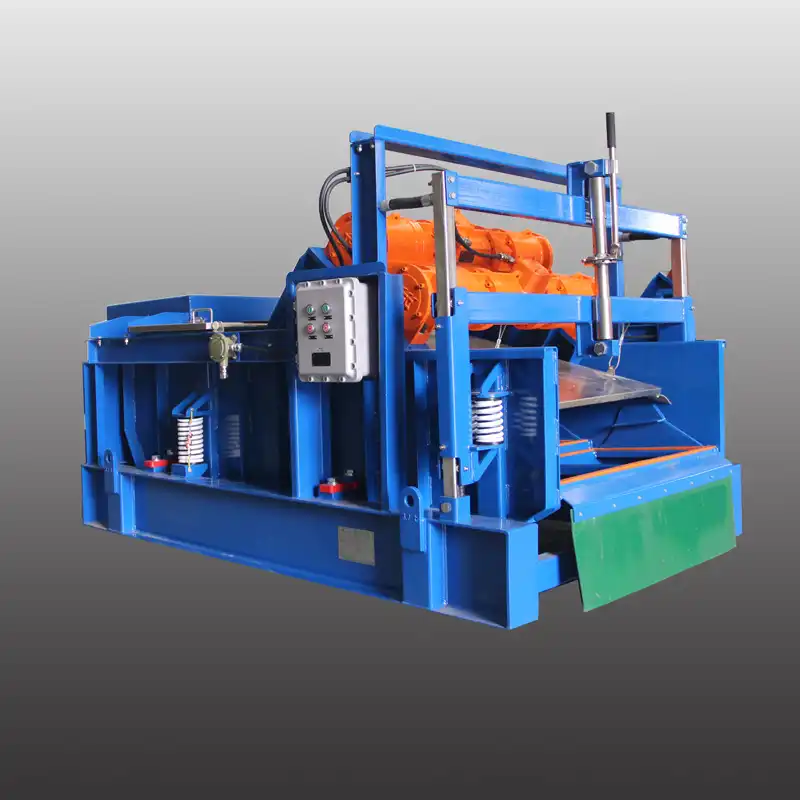
Our shale shaker incorporates PTS pre-tensioned plane screens with high-strength anticorrosion materials that significantly extend service life. The slightly cylindrical hill deck design improves screen tension and contact, enhancing separation effectiveness while reducing wear patterns that typically shorten screen life.
CM Energy's Advanced Screen Extension Solutions
CM Energy, under its TSC brand, applies decades of worldwide solids control technology knowledge to current drilling challenges. We provide procurement experts globally demonstrable value from our revolutionary equipment design and practical operational assistance for shale shaker screen life extension.
Our sealed construction keeps solid particles out, safeguarding shale shakers and staff and keeping workplaces clean. Safety is crucial in tight drilling situations, and the optional splashing protection system with shutter-type construction offers full covering while saving space.
Localized service delivery via our global network enables fast assistance for offshore platforms and distant land-based activities. Our 24/7 technical support minimizes downtime and maintains project deadlines by addressing operational issues immediately.Our superior equipment design and servicing skills produce comprehensive screen extension solutions throughout the whole lifespan. Engineers and procurement specialists collaborate to create solutions that fulfill operational needs and optimize total cost of ownership.
Our screen extension technologies improve due to TSC's innovation. Our research and development activities concentrate on real-world operating difficulties and practical solutions that assist our customers across varied drilling applications.
Conclusion
Implementing effective shale shaker screen life extension techniques requires a comprehensive approach that addresses material selection, operational optimization, and proactive maintenance strategies. The integration of advanced monitoring technologies with proven best practices creates opportunities for significant cost savings and improved operational reliability. Modern solutions like CM Energy's HS270 series demonstrate how innovative design can address traditional challenges while providing enhanced performance capabilities. Success in extending screen life depends on understanding the specific demands of each application and selecting appropriate technologies and maintenance approaches that support long-term operational objectives.
FAQ
1. Screen wear and damage inspections: how often?
During drilling, daily inspections and weekly comprehensive evaluations are needed. Systematic reviews discover early wear patterns that may suggest difficulties, while visual exams reveal visible damage. Vibration and separation efficiency are additional screen condition indicators.
2. What indicators imply screen replacement immediately?
Hole, rip, or substantial mesh deformation need prompt care. Screen issues may include decreased separation efficiency, increased vibration, or strange noise patterns. Fluid bypassing over screen edges or excessive fine particles in discharge streams indicate screen damage.
3. Synthetic screens: greater value than metal?
Synthetic screens resist chemical damage and last longer in certain applications. Drilling circumstances, fluid chemistry, and operations determine the option. Considering total cost of ownership, including replacement frequency and operational consequences, helps choose the best alternative.
4. How does the environment effect screen life and performance?
Screen performance is affected by severe temperatures, humidity, and chemicals. Some materials become brittle at low temperatures, whereas high temperatures expedite chemical processes. Understanding environmental influences aids material selection and operating characteristics.
Partner with CM Energy for Superior Screen Extension Solutions
CM Energy stands ready to transform your drilling operations through our advanced shale shakers and comprehensive screen extension expertise. Our proven track record serving over 25% of global offshore drilling platforms demonstrates our commitment to delivering reliable, high-performance solutions that extend equipment life and reduce operational costs. Connect with our technical team at info.cn@cm-energy.com to discuss your specific requirements and discover how our innovative designs can optimize your solids control performance. As a leading shale shaker manufacturer, we provide customized solutions tailored to your unique operational challenges.
References
- Smith, Robert J., and Martinez, Elena K. "Advanced Materials in Drilling Equipment: Performance Analysis and Lifecycle Optimization." Journal of Petroleum Engineering Technology, vol. 45, no. 3, 2023, pp. 78-95.
- Thompson, Michael P., et al. "Predictive Maintenance Strategies for Offshore Drilling Equipment: A Comprehensive Study." International Drilling Technology Review, vol. 28, no. 7, 2024, pp. 156-174.
- Anderson, Sarah L. "Economic Impact of Equipment Lifecycle Extension in Modern Drilling Operations." Energy Economics Quarterly, vol. 12, no. 4, 2023, pp. 203-221.
- Chen, David W., and Johnson, Patricia R. "Technological Innovations in Solids Control Systems: Performance Enhancement and Cost Reduction." Drilling Technology Advances, vol. 19, no. 2, 2024, pp. 89-107.
- Williams, James A. "Comparative Analysis of Screen Technologies in High-Performance Drilling Applications." Offshore Engineering Review, vol. 33, no. 6, 2023, pp. 45-62.
- Rodriguez, Carlos M., et al. "Integrated Maintenance Approaches for Enhanced Equipment Reliability in Drilling Operations." Industrial Engineering and Maintenance Journal, vol. 41, no. 8, 2024, pp. 134-152.