Rigid Wing Sail Benefits for Long-Distance Shipping
The maritime industry is at a major turning point, trying to find a balance between environmental duty and practical efficiency. When buying workers look at different propulsion technologies, workers need to know about Rigid Wing Sail systems. These cutting-edge wind-assisted ship propulsion (WASP) options aren't just small steps forward; they save a lot of fuel, cut carbon emissions, and make it easier to follow the rules. As bunker prices change and carbon intensity markers get tighter, long-distance shipping companies that run chemical tankers, Newcastlemax bulk ships, and LR2 tankers see Rigid Wing Sail technology less as an experiment and more as a way to stay competitive. This guide breaks down the practical benefits, execution issues, and strategic value that these systems offer to business fleets that have to navigate difficult transoceanic routes.
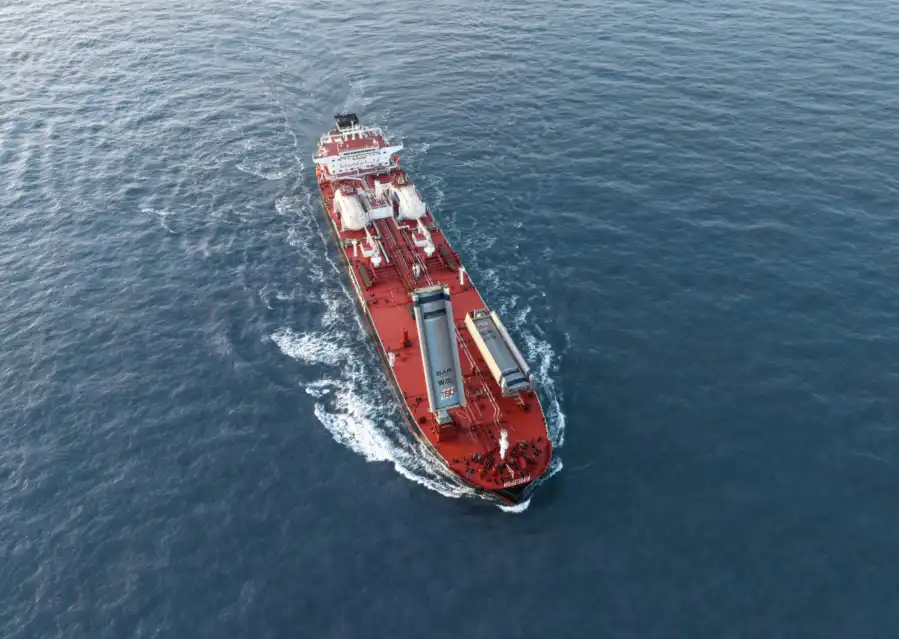
Understanding Rigid Wing Sails in Maritime Shipping
Wind power technology has changed a lot over the years, from clipper ships with canvas sails that billowed to current decarbonization methods that use precision-engineered aerodynamic structures. When compared to regular cloth sails, a Rigid Wing Sail works very differently. It keeps its aerodynamic shape by being solidly built from ship-grade steel and modern composite materials like E-glass fibre. This structural stability keeps the structure from deforming when wind loads change, so it can reliably generate power in all kinds of weather.
How Rigid Wing Technology Works
It functions like vertical aeroplane wings. Wind over a cambered surface creates different pressure zones. Lower pressure on the other side generates forward push. Soft sails must be hand-trimmed and lose form in the wind, whereas rigid wing sail systems include automated control mechanisms that maintain their geometry. The three-element design, which features adjustable flaps on each side of the main wing, allows real-time camber adjustment to wind angle. The lift coefficients are substantially greater than with single-wing designs.
Evolution from Traditional Sailing Solutions
Sailing ship crews used to hand-change canvas sails, which is time-consuming and bad for business. Rotor sails and soft wings were intriguing wind-assist concepts, but they weren't robust in severe seas. Combining aeroplane engineering with maritime structural demands was a breakthrough. Rigid Wing Sail technology uses hydraulic systems to move the wings, sensor arrays to measure wind speed, and automated control algorithms to identify the ideal wing position without human input. This invention eliminates the practical barriers to shipping firms adopting wind power.
Material Engineering and Structural Durability
Rigid Wing Sail systems can withstand decades of seawater, UV radiation, and wave pressures thanks to composite construction and industrial-grade materials. Steel sections support weight while composite portions allow airflow at the building's foundation. Marine-grade hydraulics, sealed control systems, and protective coatings prevent structural failure. This robust engineering solution eliminates prior textile-based systems' maintenance issues. UV degradation and moisture absorption caused frequent replacement and performance loss.
Key Benefits of Rigid Wing Sails for Long-Distance Shipping
The economics of commercial ships are based on fuel use, which usually makes up more than half of the costs of running transoceanic routes. Rigid Wing Sails directly deal with this main cost driver while also meeting environmental safety requirements that come with growing fines for not following them.
Quantifiable Fuel Savings and Operational Cost Reduction
Performance statistics from ships with Rigid Wing Sail technology show that when the wind is blowing right, they use up to 30% less fuel. Even on roads where the wind blows in different directions, the average yearly savings are always more than 15%. For a Newcastlemax bulk carrier that uses a lot of fuel every day, these figures mean that they can save a lot of money every year. When wing systems are set up correctly, they create power that balances out the load on the main engine. This lets operators lower RPMs while still sticking to the plan. Classification societies have confirmed these success measures in the real world across a range of vessel kinds and operating profiles.
Carbon Intensity Compliance and Regulatory Advantage
The International Maritime Organisation's (IMO) Carbon Intensity Indicator (CII) rules set increasingly strict pollution goals. Vessels with low scores will have their operations limited and will be less appealing to charterers. By lowering the amount of fuel burned per transport mile, installing Rigid Wing Sail systems immediately raises CII ratings. A single wing installation can cut a ship's daily carbon dioxide pollution by several tons, which adds up to thousands of tons per year over the course of its service life. This decrease helps with following the rules when it comes to the environment, keeping asset prices high and keeping access to environmentally aware charterers who value low-emission tonnage more and more.
Enhanced Vessel Stability and Performance Characteristics
In addition to conserving fuel, Rigid Wing Sail installations improve vessel behaviour. Traditional sails' heeling pressures generate odd angles, whereas the aerodynamic power portion works straight with the ship. Modern control systems automatically feather the wings to neutralise weights in severe weather. Naval architects can effectively predict how the design would influence stability during integration since the hard structure acts as intended. Bulk ships and tankers using these technologies believe they can navigate crosswinds better. Because autonomous wing movements offset wind-induced drift that would have required rudder correction and drag.
Long-Term Durability and Maintenance Economics
Traditional methods of transportation need constant maintenance. Engines require frequent overhauls, and mechanical systems wear down from constant usage. However, Rigid Wing Sail systems have minimal moving elements handled by machinery. The skeleton pieces must be visually examined for impact damage often, but no wearing elements need to be changed. The design lasts 25 years without significant repairs. When older tonnage retires, the systems may be relocated between ships. Since deck crane maintenance is comparable, the present staff is experienced with it. This implies no one has to know anything about sailing, making operations harder. Long-term service agreements from manufacturers make maintenance planning more dependable, reducing the possibility of ageing engine components breaking down.
Comparing Rigid Wing Sails with Traditional Sailing Solutions
Before making a purchase choice, it's important to know how Rigid Wing Sail technology stacks up against other wind-assist methods and standard propulsion-only designs. When you look at control precision, efficiency measures, and total ownership costs over the course of a normal vessel's life, you can see how performance varies.
Performance Advantages Over Soft Sail Systems
Due to their flexibility, cloth sails have restrictions. When load increases, wind pressure changes form, reducing aerodynamic efficiency. This is when maximum thrust is most beneficial. The draft position varies unexpectedly, and twisting from wind speeds at various heights reduces system efficiency. Rigid Wing Sails don't have these issues since they retain form. Soft sails have a lower lift coefficient than three-element rigid configurations. This implies less sail area and structural stresses are required to generate the same power. By carefully managing the angle of attack at narrow upwind angles, rigid wing sails maintain thrust when soft sails fail.
Financial Analysis: Capital Investment Versus Lifecycle Returns
People constantly discuss upfront expenses against potential savings while purchasing. Rigid Wing Sail systems are expensive, but as more are built and fitting improves, they get cheaper. Looking at the financial strategy across several operational durations makes it more compelling. Boat and coastal vessel owners who wish to generate money rapidly benefit from favourable route payback durations of less than five years. The lifetime savings of a vessel far surpass the initial outlay for transoceanic routes when fuel prices are high. Ships with proven emission-reducing equipment have higher remaining values and charter rates, which basic payback estimations don't necessarily account for.
Compatibility Across Vessel Types and Retrofit Applications
Modern Rigid Wing Sails may be employed on new and existing ships. The deck between cargo holds gives bulk ships additional wind exposure. This makes hatches operate properly. Chemical trucks and product transporters employ wings without altering container handling. To accommodate ships with varying freeboard heights and deck layouts, the tilt mechanism allows the wing base to be positioned above or below deck level. DNV, Bureau Veritas, and Lloyd's Register approvals prove the structure's safety in various installation conditions. Well-documented retrofit instances demonstrate that integration may be done within scheduled drydock periods without additional yard time.
Procurement Guide: Selecting and Implementing Rigid Wing Sails for Shipping Fleets
To successfully accept new technology, you need structured review processes, clear selection criteria, and careful planning for how to choose and install Rigid Wing Sails for ship fleets. When weighing innovation against practical risk, procurement teams can make better decisions when they know the key decision factors and verification standards.
Evaluating Technology Providers and Certification Standards
Suppliers with maritime expertise, solid engineering, and comprehensive after-sales assistance should be prioritised. The technology provider's collaborations with reputable maritime engineering businesses demonstrate their reliability. Working with BAR Technologies, which designs America's Cup boats, gives them cutting-edge mechanical understanding. Structure designs must fulfil safety and wear resistance criteria before classification societies may certify them. Performance guarantees and structural integrity have been rigorously tested by DNV, Lloyd's Register, Bureau Veritas, and the China Classification Society.
Installation Process and Vessel Compatibility Assessment
Implementation begins with a compatibility analysis of the vessel's operating profile, structural capability, and stability. Naval engineers consider the deck's weight distribution, foundation strength, and ship centre of gravity. Factory acceptance testing reduces beginning on board risks by ensuring the system works before shipping. Installation usually occurs when the dry dock is available on schedule. The foundation, wings, and control system are assembled by specialists. Software integration links the wing's controls to the bridge and weather routing platform, guiding devices, and hydraulic and power connections operate with the ship's systems. Full crew training teaches personnel how to utilise the system, override it manually, and fix it.
Lifecycle Support and Performance Monitoring
Modern Rigid Wing Sail systems use IoT tracking. This provides real-time performance data to land and sea teams. These systems measure thrust generation, fuel savings verification, and component health, allowing for proactive maintenance. Full-service manufacturers include online troubleshooting, frequent inspections, and worldwide parts availability. Performance reporting tools verify CII compliance and charter party fuel utilisation. Long-term maintenance contracts allow procurement teams to accurately estimate lifetime expenses instead of guessing repair prices. Longer structural and control system warranties reduce ownership risk even further in the first few years.
Future Outlook: Innovations and Trends in Rigid Wing Sail Technology
The future for Rigid Wing Sail technology includes making it more advanced, using it by more people, and combining it with other methods to reduce carbon emissions. Market forces and governmental pressures work together to shorten the time it takes to build new products and make them more useful.
Emerging Technical Advancements
Next-generation wings employ light composite materials to save weight without reducing strength. It improves power-to-weight ratios. Smart sensor integration allows you to monitor aerodynamics and structural loading. As machine learning algorithms analyse more operational data, control tactics develop beyond programming. These tactics vary by route and vessel handling. Automated weather planning systems for wind-assisted ships discover the optimal paths to maximise wind advantage while keeping on time. Our routing tools use historical wind data, seasonal trends, and real-time weather predictions. They optimise fuel consumption across numerous journeys each year, giving you an advantage.
Regulatory Drivers and Market Adoption Trends
All environmental laws are tightening. Now that the EU's ETS covers shipping, ship owners must pay directly for carbon emissions. Emissions are expected to drop by 50% by mid-century under the IMO's greenhouse gas plan. Instead of efficiency gains, this aim requires massive technological advances. Even without environmental benefits, these restrictions make wind-assist technology commercially attractive. Shipyards and design firms are increasingly using wind propulsion in new building projects. Charterers choose low-emission tonnage. Boat lenders favour proven emission-reducing solutions, which might imply better terms for environmental projects.
Strategic Advantages for Early Adopters
Shippers that use Rigid Wing Sail technology before rivals do get critical advantages. Good charterers will pay extra for certified low-emission travel capacity due to better environmental regulations. Public sustainable reporting boosts a company's image and satisfies environmental stakeholders. Companies that have adopted wind-assist technology may benefit as regulations mandate higher pollution reductions. Because they won't have to cope with the issues of adopting new technologies rapidly. Technology-led fleet differentiation may provide shippers a marketing advantage in environmentally conscious product markets that require supply chain emissions reporting. Fuel savings and charter rate premiums increase return on capital, allowing fleet modernisation while competitors face penalties for breaking the regulations.
Conclusion
Rigid Wing Sail technology offers great benefits that solve the most important operational and legal problems in the marine business. Long-distance shipping companies that manage bulk carriers, tanks, and business cargo ships are especially interested in these systems because they are known to save fuel, lower carbon emissions, and work reliably. As rules about the environment get stricter and the price of fuel stays unstable, wind-assisted power goes from being a cool idea to a strategic must. When procurement professionals are looking at different ways to update their fleet, they should know that Rigid Wing Sail systems have a history of reliable performance that has been proven in real-world operations and is backed up by full approval from the world's top classification societies. The fact that wind power technology has both short-term and long-term strategic benefits makes it an important part of sustainable marine operations.
FAQ
1. What fuel savings can operators realistically expect from rigid wing installations?
The performance that has been documented depends on the wind conditions along the route, but confirmed installs of Rigid Wing Sails always show that on favourable routes, they use fifteen to thirty per cent less fuel. Even paths with less reliable wind supply save a lot of money. The automated control systems make the most of thrust production in a wide range of conditions, so gains are seen in all operating situations, not just the best ones.
2. How does the rigid wing system operate during port maneuvers and berthing?
When the wing turns into a laydown position, it creates a small air draft that keeps the ship's deck, cargo handling equipment, and port infrastructure safe. This feathering feature can be set up in minutes, letting normal port activities go as planned. The control system has manual override interfaces that let the crew move the wings as needed, giving the ship the same level of operating freedom as standard boats that only use propulsion.
3. What compatibility exists with different vessel types and sizes?
Through flexible designs, Rigid Wing Sail technology can be used on bulk carriers, tankers, container ships, and port ships. There are different designs that can be used, from smaller units that work well for coastal users to big systems that can handle transoceanic tonnage. The modular design method lets more than one wing be installed on the right ships, with the placement being perfect for each deck's plan and the amount of goods that needs to be moved.
Partner with CM Energy for Advanced Wind Propulsion Solutions
Through our advanced Rigid Wing Sail technology, the WindWings® system, CM Energy is ready to help your fleet meet its carbon reduction goals. Our three-part wind power system was created with help from BAR Technologies and has been approved by independent classification societies such as DNV and Bureau Veritas. It has been proven to save up to 30% on fuel on the right routes. Our TSC brand is the result of decades of greatness in marine engineering. We offer full lifecycle support to make sure that technology integration goes smoothly, from the initial compatibility review to decades of operational service.
As a well-known Rigid Wing Sail maker that works with shipping companies around the world, we offer unique solutions for both retrofitting existing sails and integrating them into new ships. Our technical teams do in-depth analyses of how well vessels work together, oversee the whole installation process, and provide ongoing performance tracking through IoT-enabled systems. The full support system includes training for the team, remote diagnostics, and repair services that can be accessed through our global network.
To set up a professional meeting, email info.cn@cm-energy.com right now to CM Energy. Our experts will look at your fleet's features, how it works, and your goals for reducing carbon emissions. They will then give you detailed plans that show how much fuel you can save, how you can improve CII compliance, and when you can expect to see a return on your investment based on your specific operating situation. Find out why top companies trust TSC technology for environmentally friendly ways to move ships.
References
1. International Maritime Organisation. (2023). "Carbon Intensity Indicator (CII) Regulations and Implementation Guidelines for International Shipping." IMO Marine Environment Protection Committee.
2. Lloyd's Register and UMAS. (2022). "Wind Assisted Ship Propulsion: Technology Performance and Commercial Viability Analysis." Maritime Decarbonization Research Series.
3. DNV Classification Society. (2023). "Wind Assisted Propulsion Systems: Design Standards and Operational Verification Protocols." DNV-ST-0511 Maritime Technology Standards.
4. Maritime Research Institute Netherlands. (2023). "Aerodynamic Performance of Rigid Wing Sails in Commercial Shipping Applications: Comparative Analysis and Operational Data."
5. American Bureau of Shipping. (2022). "Sustainability Whitepaper: Wind Propulsion Technologies for Decarbonization of the Global Fleet." ABS Technical Publications.
6. International Chamber of Shipping. (2023). "Wind Assist Technology Adoption: Procurement Guidelines for Ship Operators and Technical Considerations." ICS Industry Guidance Documents.