Rigid Sail Application on Bulk Carriers: Real-World Performance Insights
Commercial shipping is changing because of wind-assisted power, and Rigid Sail technology is at the center of this change. When it comes to bulk ship owners dealing with stricter environmental rules and unstable fuel markets, Rigid Sails have been shown to be a reliable way to save money on fuel and cut down on pollution. These high-tech wingsail systems use wind energy through automatic, aerodynamic structures that work with modern ships and provide consistent performance on a variety of trade routes while meeting IMO Carbon Intensity Indicator standards.
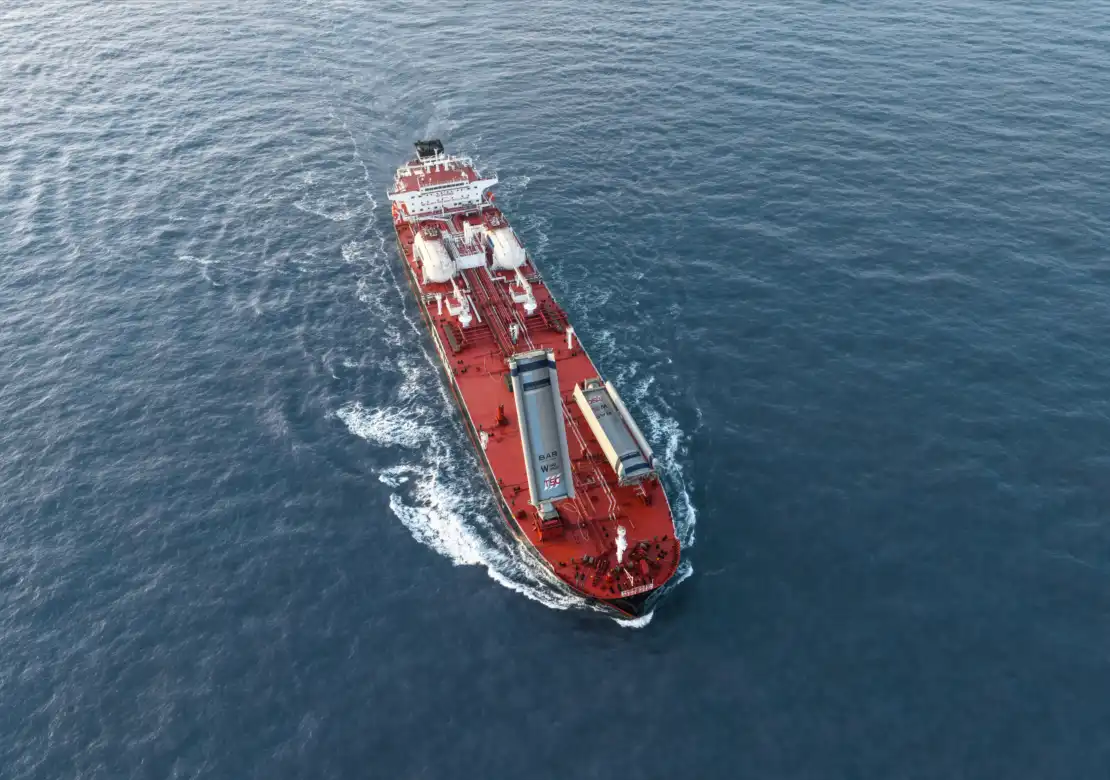
Understanding Rigid Sail Technology for Bulk Carriers
How Rigid Sail Systems Work
Rigid Sail systems work like vertical aerofoils that are attached to the decks of ships. They use wind energy to make forward movement. Unlike traditional fabric sails that need to be handled manually, these structures are fully automatic and constantly adapt to the wind conditions thanks to advanced control systems. Using Rigid Sail composite panels and steel frames to make very efficient lift profiles that greatly reduce the main engine load during journeys, the technology is based on the design of aeroplane wings.
Advanced Material Engineering
Modern Rigid Sails are made of ship-grade steel and industrial E-glass composites, which together make structures that can last for decades in tough marine settings. This mixed method of building strikes a balance between maintaining structural integrity and reducing weight. This way, improvements don't affect the stability or payload capacity of the vehicle. The materials are resistant to corrosion, UV damage, and fatigue stress from changes in steady wind pressure, so they keep working well for a long time.
Aerodynamic Innovation Through Three-Element Design
With its unique three-element design from BAR Technologies in the UK, WindWings® is the most cutting-edge product in this field. This complex design lets you fully change both the camber shape and the angle of attack, which makes sure that the car works at its best in all kinds of wind. Independent testing by the Wolfson Unit and certification by DNV show that the system produces more than 2.5 times the lift of standard single-wing designs. This directly leads to better fuel economy.
The three-part structure makes many pressure zones that work together, like the sails on high-performance race yachts, but with the durability and automation needed for business ships. Dedicated software constantly checks the direction of the wind, the speed of the ship, and the observed wind angle. It then makes real-time changes that increase thrust output without any help from the crew. These systems come in many shapes and sizes, some of which can reach great heights. They can be adjusted to fit a range of bulk carrier classes, from Handysize to Newcastlemax ships.
Evolution from Concept to Commercial Reality
Wind propulsion has been tested in the marine industry for decades, but new sites mark the shift from tests to proven commercial technology. Bulk carriers with wind-assisted propulsion systems have now made hundreds of trips along major trade routes around the world, gathering operating data that backs up promises of improved performance. These ships have stopped at major foreign ports without any problems, showing that Rigid Sail setups don't get in the way of normal cargo operations or port compatibility.
Real-World Performance and Benefits on Bulk Carriers
Documented Fuel Savings and Emissions Reductions
Operational data from bulk ships with Rigid Sail technology shows that they regularly use less fuel by double-digit percentages. There is a wide range of savings, from small but important amounts to big drops of up to one-third of the base fuel use, depending on the route and the direction of the wind. For every tonne of fuel saved, greenhouse gas emissions go down by the same amount. The amount of CO2 emissions dropped per installed unit is recorded in tonnes per day.
These saves add up over long lines that bulk carriers often take, like taking iron ore from Brazil to China, or grain from the U.S. to China, or coal from Australia to India from the Gulf to Asia. The best results come from routes that are exposed to the wind in a good way, but even when the wind is blowing in different directions, ships still make significant gains in efficiency that raise their CII scores and lower their compliance costs.
Operational Advantages Beyond Fuel Economy
Through a variety of methods, Rigid Sail systems help improve vessel dynamics. The forward thrust lowers the load on the propellers, which could make the gear last longer and require less upkeep. Some ship owners say that the sails make the ship move more smoothly in some types of sea conditions by stopping it from moving too much. Because modern systems are computerised, these benefits happen without adding to the work of the team or needing people with special sailing skills on board.
The smart placement of Rigid Sails between the cargo holds on bulk ships shows careful engineering for integration. During cargo operations, units move into laydown positions that make room for hatch covers and deck cranes. This approach to design makes sure that wind transportation improves current processes instead of making them harder to use. Vessels keep their full load capacity and operating efficiency while using extra wind power during the trip.
Managing Implementation Considerations
When procurement teams look at Rigid Sail technology, they should properly think about how hard it is to integrate and how much upkeep it needs, along with the performance benefits. For installation, the structure needs to be looked at and possibly reinforced to handle the forces that big vertical surfaces create when winds are strong. Manufacturers now offer full help throughout this process, such as checking for compatibility, providing technical services, and coordinating class approval with groups such as DNV, Bureau Veritas, and Lloyd's Register.
Maintenance needs turn out to be a lot cheaper than many owners thought they would be. Fabric sails need to be replaced often, but hard structures can last for decades with regular checks of the electrical and hydraulic systems and gear assemblies. Maintenance is easier because there aren't any rigging, sheets, or human handling tools. In fact, many systems are built around regular dry-dock service times. Long-term help packages from producers make operations even easier.
Comparative Analysis for Procurement Decisions
Rigid Sail Advantages Over Soft Sail Systems
When marine procurement experts look at wind-assist choices, it's important to know the basic differences between the technologies. Rigid Sail systems last longer than cloth options, which break down when exposed to UV light and muscular stress. When rigid setups are automatic, team safety risks that come with handling sails by hand when the weather changes are eliminated. Rigid structures don't need to be reefed or furled until extreme weather conditions happen, so performance stays the same over a bigger range of wind speeds.
When looking at the total cost of ownership, Rigid Sails are better because they last longer and can be moved from one boat to another. Quality systems keep structures strong for at least twenty-five years, and equipment can be moved to new ships when older ones are taken out of service. This long life changes ROI estimates in a big way compared to technologies where parts need to be replaced more often.
Understanding Market Positioning and Investment Returns
The Rigid Sail market has grown a lot. Now, well-known companies make tested goods that are backed by warranty plans and approvals from classification societies. Competitive forces have led to new ideas while keeping quality standards high, which is good for procurement teams. The investment study for 2024 shows that the return on investment (ROI) will be good, with payback periods usually falling between five and seven years, based on how the vessels trade and how much fuel is assumed to cost.
As rules about the environment get stricter, these estimates become more appealing. The Emissions Trading System in the EU, the CII system in the IMO, and possible future carbon pricing methods all make it more profitable for technologies that save fuel. When charterers prioritise low-emission tonnage, ships with wind power have an edge over other ships, which could help them get higher rates or better contracts.
Supplier Evaluation Criteria
To choose the right technology partner, you need to look at more than just the buy price. Leading providers offer full lifetime support, which includes overseeing the installation, teaching the team, performance tracking systems, and global service networks. IoT-enabled tracking tools let teams on land and at sea keep an eye on how systems are working, get maintenance alerts, and find the best ways to run things through web-based interfaces.
Customisation options are very important because each type of vessel brings its own integration difficulties. The suppliers that can customise their services for both new construction and retrofitting projects show that they are flexible, which is what buying teams need. Having experience with classification societies and a history of getting approvals from DNV, BV, Lloyd's Register, and the China Classification Society speeds up projects and lowers the chance of not getting permission.
Implementation and Maintenance Guidance for Bulk Carriers
Planning Successful Rigid Sail Integration
A full compatibility study of deck structures, stability effects, cargo handling equipment openings, and electrical system capacity is the first step to a successful Rigid Sail application. Experienced suppliers do thorough technical studies that help them figure out what changes need to be made early on in the project, so there are no costly mistakes during installation. During this part of planning, computational fluid dynamics modelling is often used to estimate how well the boat will work with certain hull shapes and route patterns.
Before equipment is sent to the installation site, it goes through factory acceptance testing to make sure it is of good quality. By watching these tests, reps for the owners can make sure that the system works, check the quality of the build, and make sure that it meets the requirements of the specifications. This step gives you more trust and sets basic performance standards that you can use in the future.
Installation Process and Commissioning
Installation steps are different for projects that involve adding on to an existing building or integrating it into a new one. Newbuild installations work better when their schedules are linked with port building activities. This lets structure reinforcement and equipment mounting happen while the ship is being built. Retrofit projects need to carefully plan around the availability of dry docks and may need portable cranes to move big parts into place.
On-site building follows set procedures that have been refined over many installs. Following approved processes, experienced workers install the mechanical parts, connect the electrical systems, set up the control systems, and integrate the hydraulic systems. As part of commissioning, all operating modes are tested to make sure they work properly. This includes navigation configurations, berthing positions, and emergency feathering routines. Classification society inspectors watch key tests and give out legal certificates when they're done correctly.
Maintenance Best Practices and Troubleshooting
Operators make sure that assets last as long as possible by using preventive maintenance plans to deal with things that will wear out over time. Regular checks look at the amount and condition of hydraulic fluid, the stability of electrical connections, the lubrication of bearings, and the state of the composite surface. Most systems have automatic health tracking that lets teams know about problems as they arise, before they get in the way of operations. Manual operation connections give you power over things in case the main automation system stops working.
The training requirements are reduced because Rigid Sail operation is similar to known deck crane handling. Crew members who already know how to use hydraulic deck tools quickly learn how to use the wind power system. Manufacturers give sailors operating training that includes normal procedures, emergency routines, and basic maintenance. This way, crews can safely run systems in any sailing situation.
Not paying enough attention to alignment adjustment and sensor upkeep is a common mistake. Wind direction sensors need to be checked against known standards on a regular basis because their accuracy affects automatic trim optimisation. Problems with actuators can be avoided by keeping hydraulic systems clean and using the right fluids. Most operating problems can be avoided by following the manufacturer's advice on how often to check and service the equipment.
Future Trends and Strategic Value in Bulk Shipping
Emerging Technology Integration
Rigid Sail technology keeps getting better by combining it with new ideas that work well together. AI-powered performance tracking systems look at operational data from the past to figure out the best way to sail on future route segments. These predictive programs look at things like yearly wind patterns, how full the ship is, and schedule needs to make sure that the most fuel savings are made while still meeting business obligations. It is possible for machine learning models to keep getting better as they work in more situations.
Materials Science Advancements
Future versions of Rigid Sails will have better strength-to-weight ratios and better resistance to fatigue thanks to ongoing studies into advanced composite materials. Carbon fibre reinforced polymer is currently only used in aircraft and racing, but as the cost of production goes down, it may be used on business ships as well. These materials make it possible for bigger systems to produce more thrust without adding too much weight. This improves performance even more and makes it possible for a wider range of vessel types to be used.
Protective protection technologies are also getting better, which means that parts don't need to be serviced as often, and less upkeep is needed. Better UV-resistant matrix formulations slow down weathering in warm sun exposure, and self-cleaning surfaces stop marine growth that could lower airflow efficiency.
Regulatory Drivers Accelerating Adoption
The ILO's greenhouse gas plan makes strong arguments for using tried-and-true technologies to cut down on pollution as soon as possible. The Energy Efficiency Existing Ship Index and Carbon Intensity Indicator rules punish ships that aren't efficient by limiting their operations, while they award ships that are efficient by giving them more freedom in how they comply. Rigid Sail installations improve CII in a way that can be measured. This helps owners keep their operating freedom as rules get stricter up to 2030 and beyond.
Strategic Positioning for Competitive Advantage
Modernisation plans for fleets are using wind-assist technology more and more as main parts, not just as trial extras. Operators who become familiar with these systems early on have an edge when it comes to integrating them best, teaching their crews well, and getting the most out of their performance. These early adopters also build names as leaders in sustainability, which makes relationships with environmentally conscious cargo owners and charterers stronger.
When you work with innovative technology providers, you can get access to new technologies and changes that are always being made. Through collaborative relationships, operators can shape the growth of products based on their own working knowledge. This makes sure that future systems meet the needs of people in the real world. The energy shift in the marine industry is moving forward thanks to this strategic alignment between technology providers and vessel owners.
Conclusion
For bulk carrier companies struggling with rising fuel costs and environmental safety issues, Rigid Sail technology has successfully made the move from an experimental idea to a tried-and-true business answer. Based on real-world performance data, it's clear that large fuel savings are possible, which leads to lower emissions and better CII scores. High-tech systems like WindWings® mix complex aerodynamic design with long-lasting construction and controlled operation to provide performance without making operations more difficult. As government regulations get stricter and charterers start to prefer low-emission tonnage, wind-assisted power stops being just a nice-to-have and turns into a strategic necessity. When fleet operators add these systems, they make their ships more competitive in a world where carbon limits are tightening in the maritime business.
FAQ
1. What fuel savings can bulk carrier operators realistically expect from rigid sail installations?
Fuel consumption decreases from operating boats using Rigid Sail technology have been recorded to be between notable percentages and significant savings of up to one-third of baseline consumption, dependent on the route features and wind exposure. Ships that sail routes with steady, favourable winds save more money, but ships that sail routes with changing weather still make big gains in efficiency. Results change for each person based on their vessel's size, the area of sails they have set up, and how they trade.
2. Can rigid sail systems be retrofitted to existing bulk carriers, or are they only viable for newbuilds?
Retrofit uses make up a big part of the market, and many installations have been done on boats that are still in use. For retrofits to work, the structure needs to be checked to make sure that the deck's strength can handle the forces that cause it to fall in the wind caused by big vertical surfaces. Most ships can benefit from localised reinforcement, which is planned by skilled producers and coordinated with classification groups. Once they are set up, both newbuild and upgrade paths work about the same.
3. How do rigid sail systems perform during severe weather conditions?
When the weather changes, modern control systems instantly change the direction of the sails. When the wind picks up, the profile is feathered to reduce the load on the sails. Many setups have laydown features that let the sails move horizontally during extreme weather, getting rid of all windage. These safety features work automatically or through human backup interfaces, so the crew can safely run the systems in any weather condition that might come up during normal operations.
Partner with CM Energy for Advanced Wind Propulsion Solutions
Through our TSC brand, CM Energy adds decades of experience in naval engineering to the market for wind-assisted propulsion. We do this by offering new solutions that combine proven performance with full lifecycle support. Our WindWings® Rigid Sail systems have unique three-element designs that have been approved by DNV, Bureau Veritas, and Lloyd's Register. They were created in collaboration with BAR Technologies. We've helped put things on bulk carriers that have successfully travelled on major trade routes around the world, gathering operating data that backs up claims of performance and shows that ports work with each other.
Our method goes beyond just providing equipment; it includes full project support, from figuring out whether the equipment will work with the system to overseeing the installation, teaching the crew, and keeping an eye on performance through IoT platforms. Our technical teams can help you with custom integration designs that meet practical needs and improve performance, whether you're looking at wind propulsion for new construction projects or trying to find ways to make a current fleet more efficient. As a top Rigid Sail supplier, we know what business shipping companies want when they buy things: tried-and-true technology, dependable help, and clear ways to see a return on investment.
Get in touch with CM Energy right away to talk about how wind-assisted propulsion can help you save money on fuel, meet CII requirements better, and set up your fleet to benefit from the energy change in the marine industry. Email our team at info.cn@cm-energy.com to set up a meeting and get a thorough analysis that is special to your ships and trade trends.
References
1. International Maritime Organization. (2023). "Carbon Intensity Indicator (CII) Guidelines and Operational Performance Standards for Maritime Shipping."
2. Maritime Research Institute Netherlands. (2023). "Performance Validation of Wind-Assisted Propulsion Systems on Commercial Vessels: Operational Data Analysis."
3. DNV Classification Society. (2024). "Wind-Assisted Propulsion Systems: Design Standards and Certification Procedures for Commercial Shipping Applications."
4. Journal of Marine Engineering and Technology. (2023). "Aerodynamic Efficiency of Multi-Element Rigid Wing Sails: Computational and Experimental Validation Studies."
5. Lloyd's Register Marine. (2024). "Fuel Efficiency Technologies for Bulk Carriers: Comparative Analysis of Wind Propulsion, Hull Optimization, and Propeller Upgrades."
6. Wolfson Unit Ship Design and Research Centre. (2023). "Fluid Dynamics Performance Testing of Three-Element Rigid Sail Configurations for Maritime Applications."