Best Methanol Fuel Provisioning System for Cargo Ships
Procurement teams look at safety, compliance, and operating efficiency as the most important factors when choosing the best Methanol Fuel Provisioning System for cargo ships. A strong methanol fuel supply system uses modular design, advanced safety rules, and exact fuel conditioning to meet the specific needs of naval power. CM Energy's TSC-branded solutions have been shown to work on a wide range of vessel types, from VLCCs to inland river boats. This helps shipowners meet emission regulations while keeping engines running at their best in all kinds of situations.
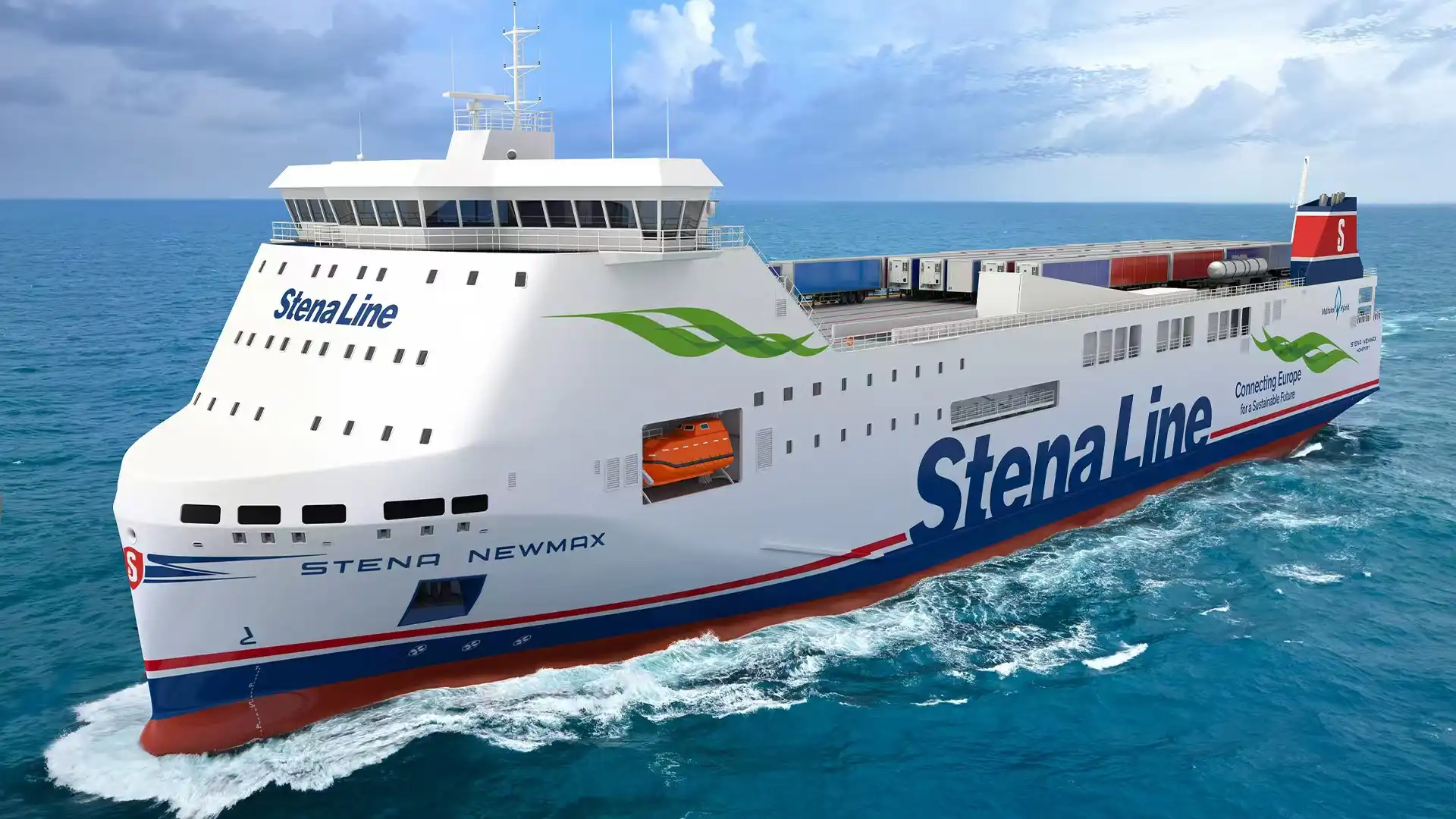
Introduction
Methanol fuel supply systems are transforming marine propulsion as owners seek environmentally sound and operationally practical options. Switching from diesel to methanol-based architectures meets regulatory requirements while positioning companies for long-term sustainability. Procurement managers, naval engineers, and OEM partners face critical choices when selecting Methanol Fuel Provisioning Systems that integrate effectively with existing vessel systems. This guide examines technical, commercial, and operational factors determining procurement outcomes.
Understanding Methanol Fuel Provisioning Systems for Cargo Ships
The Methanol Fuel Provisioning System is a combined mechatronic unit that controls the moving, conditioning, and delivering of methanol to fuel cells or naval engines. Unlike standard heavy fuel oil infrastructure, these systems deal with methanol's unique chemical makeup. Its low flashpoint (about 11°C), ability to absorb water, and ability to corrode require specific material choices and safety architecture.
Core System Architecture
Four interconnected divisions comprise the complete system. The methanol delivery unit maintains pressure, temperature, flow rate, and cleanliness exactly at engine manufacturer specifications, automatically adjusting to changing loads. The filling and transfer system controls bunkering, tank transfers, and cargo-to-fuel transfers on ships carrying methanol as both cargo and fuel. Auxiliary systems provide inert gas blanketing, double-walled pipe annular space monitoring, and water separation preventing contamination. Control and safety systems integrate fire detection, emergency isolation valves, and automatic response procedures.
Operational Advantages Over Conventional Fuels
With methanol systems, you don't have to deal with the problems that come with handling LNG's cryogenics, and the emissions meet IMO Tier III NOx standards without recirculating the exhaust gas. At room temperature and pressure, the fuel stays liquid, which makes tank design easier and shielding needs lessen. Dual-fuel engine designs make moving between methanol and marine diesel oil smooth. This gives operators more options when planning routes and managing bunkering.
Key Benefits of Methanol Fuel Provisioning Systems for Cargo Ships
Adopting more advanced methanol fuel supply systems has clear benefits for the environment, efficiency, and operations. These benefits have a direct effect on the total cost of ownership and put boats in a position to meet new rules and regulations.
Environmental and Regulatory Compliance
Methanol combustion produces negligible sulfur oxides, meeting IMO 2020 sulfur cap requirements without scrubbers or fuel surcharges. NOx emissions reduce substantially compared to diesel combustion, while particulate matter approaches zero. When vessels utilise e-methanol from renewable hydrogen and carbon capture, lifecycle greenhouse gas emissions align with IMO's initial GHG decarbonization strategy. Regulatory frameworks increasingly favour low-flashpoint fuels with proven safety records. DNV approval, SOLAS Chapter II-1 compliance, and documented safety management systems demonstrate regulatory alignment.
Performance and Efficiency Gains
Modern methanol supply systems optimise fuel delivery precision through flow management compensating for methanol's lower energy density. Advanced heat exchangers maintain optimal fuel viscosity, preventing cavitation and ensuring proper atomisation at injection points. Modular skid designs enable capacity scaling from small units suitable for harbour tugs to large configurations serving VLCC propulsion plants. Elimination of fuel heating systems required for heavy fuel oil reduces auxiliary energy consumption. Cleaner combustion extends maintenance intervals while achieving thermal efficiency comparable to diesel-only operation.
Operational Reliability and Lifecycle Value
Well-designed methanol fuel systems incorporate redundancy for critical components including pumps, filters, and control electronics, minimising single-point failure risk. Remote condition monitoring enables predictive maintenance, identifying seal degradation or filter efficiency loss before operational impact. Simplified fuel chemistry eliminates bunker quality variations complicating conventional marine fuel management. Reduced thermal stress and corrosive wear extend equipment longevity. Modular designs facilitate phased retrofits during scheduled drydock periods without extended off-hire time, protecting voyage schedules.
How to Choose the Best Methanol Fuel Provisioning System for Your Cargo Ship?
To choose the best Methanol Fuel Provisioning System, you need to carefully look at the technical specs, the vendor's skills, and the infrastructure for lifecycle support. Decisions about procurement weigh up-front capital expenditures against routine savings and lowering regulatory risk.
Vessel-Specific Requirements Assessment
Engine compatibility determines system specifications, with two-stroke dual-fuel engines requiring different feed parameters than four-stroke generators or auxiliary boilers. Vessel operating profiles affect capacity requirements, with ocean-going bulk carriers needing higher flow rates than coastal chemical tankers or river vessels with frequent port calls. Cargo operations introduce additional considerations. Chemical carriers carrying methanol may integrate fuel systems drawing from cargo tanks, requiring complex fuel transfer logic and contamination prevention protocols. PCTCs and RoRo vessels prefer skid-mounted configurations with small footprints.
Technical Evaluation Criteria
Material approvals verify wetted components resist corrosion throughout expected methanol service periods. Stable pressure control across engine load variations prevents supply interruptions during manoeuvring or adverse weather operations. Precise temperature conditioning maintains fuel within optimal viscosity ranges, ensuring consistent injection performance and combustion efficiency. Safety architecture requires rigorous evaluation. Continuous annular space monitoring in double-walled piping detects leakage before hazardous accumulation. Nitrogen purging capability prevents flammable atmospheres during maintenance. Emergency shutdown sequences must demonstrate fail-safe operation through documented testing protocols.
Supplier Evaluation and Partnership Considerations
Vendor track records show how well they've done in the past with different types of vessels and in different types of working conditions. CM Energy's TSC brand has been shown to be reliable through successful deliveries, such as installing the methanol supply system on the Stena RoRo and working on a number of current building projects. The company's 19 finished clean fuel supply system projects provide operational data that backs up promises of performance and dependability.
Lifecycle support infrastructure influences long-term ownership costs. Large service networks make sure that spare parts and expert help are available at all of the big bunkering ports. Training programs teach repair workers on land and on boats how to safely use equipment and fix common problems. During the testing phase, warranty structures should cover both broken parts and problems integrating the Methanol Fuel Provisioning System.
Installation and Integration of Methanol Fuel Provisioning Systems
For system integration to work, naval engineers, engine makers, classification groups, and fuel system providers need to work together. In addition to putting together the machines, the installation process includes making sure they are safe, teaching the crew, and coming up with operating protocols.
Pre-Installation Planning and Design Verification
Detailed interface specifications confirm Methanol Fuel Provisioning System compatibility with existing engine room layouts. Three-dimensional modelling identifies routing for electrical cabling, fuel lines, and inert gas sources without obstructing maintenance access or emergency egress. Foundation designs account for dynamic loads during adverse weather, ensuring vibration isolation prevents fatigue failures. Classification society Approval in Principle certificates validate design compliance before fabrication. CM Energy's DNV AIP demonstrates TSC-branded systems meet established safety standards.
Installation Execution and Commissioning
Modular skid construction enables workshop testing before quayside delivery, reducing on-board commissioning timelines. Instrumentation, control panels, and safety interlocks arrive pre-mounted on prefabricated assemblies, simplifying final integration. Modules position within machinery spaces using lifting equipment, with foundation bolts securing assemblies to structural members. Piping connections follow specified torque sequences and leak test protocols. Electrical terminations meet marine-grade standards including cable gland sealing and grounding for hazardous area installations.
Retrofit Considerations for Existing Vessels
Ships that are switching from traditional fuel systems to a Methanol Fuel Provisioning System have to deal with more integration challenges. Due to limited space, it may be necessary to rearrange current equipment or strategically place it in different places. For dual-fuel setups to work, marine diesel oil systems must be kept as a backup. This means that the pipe routes and control logic must be carefully coordinated.
Changes to the engine depend on the make and model. In some setups, methanol can be used by replacing the fuel valves and updating the control system. In others, the cylinder head needs to be changed or the whole fuel injection system needs to be retrofitted. CM Energy has a lot of experience building dual-fuel vessels, which helps with retrofit planning by showing what activities are most important and any possible interference problems before the manufacturing starts.
Cost Analysis and Procurement Strategies for Bulk and Custom Orders
The initial buy price is only one part of a financial analysis. Other parts include installation costs, operational saves, and lifecycle costs. When you use strategic buying methods, you get the best return on your investments while still meeting safety and technology standards.
Investment Structure and Pricing Considerations
The price of a system depends on its capability, how it can be customized, and the reach of its certification. When compared to custom options, standard setups with tried-and-true designs usually have shorter lead times and better prices. But the needs of a specific vessel often make it worth the money to make changes that make better use of room or add new working protocols.
Volume procurement generates economies of scale for fleet operators standardizing on common system architectures. With multi-vessel orders, providers can make the best use of their production plans and the parts they source, which saves buyers money through structured pricing deals. Different types of financing, such as standard capital expenditures and operating lease deals, give organizations the freedom to choose the best way to manage their cash flow and taxes.
Supplier Selection and Due Diligence
When looking at possible Methanol Fuel Provisioning System providers, you need to do more than just look at their technical specs. The ability to manufacture determines both the amount that can be made and the quality of that production. CM Energy's own technologies and world-class manufacturing facilities allow for scalable production while keeping high quality standards across all system variants.
Reference projects give practical proof that can't be found in specs alone. Site trips to ships with similar systems show how easy it is to do repair, get feedback from crews on how to run the systems, and see how well they work in real-life service situations. Classification society data show a person's past of compliance and show if any design changes or operating limits are still needed.
After-sales support infrastructure warrants detailed examination. Global service networks cut down on the time it takes to get help. When spare parts are available, there is no need for extended downtime while waiting for parts to arrive. The quality of technical paperwork affects how well crews are trained and how well repair plans are carried out. These things are taken into account by CM Energy's full lifecycle support model, which includes integrated design, manufacturing, installation, and service skills that last the entire operating life of the vessel.
Risk Mitigation in Procurement Agreements
Contract structures must address performance guarantees, acceptance testing requirements, and warranty coverage scope. Milestone payment plans align financial risk with project progress while ensuring supplier cash flow for materials. Liquidated damages clauses protect buyers against scheduling delays affecting vessel delivery or charter commitments. Force majeure clauses address uncontrollable external disruptions. Intellectual property considerations matter for custom-engineered solutions. Maintenance access to control system programming prevents vendor lock-in that increases lifetime costs. Documentation deliverables must include technical manuals, repair instructions, and crew training materials for independent operations management.
Conclusion
To choose the best Methanol Fuel Provisioning System, you need to look at its technical skills, the reliability of its suppliers, and its support system throughout its entire lifecycle. The switch to methanol fuel has real environmental benefits and keeps the operating flexibility that is important for business vessel operations. A successful procurement relies on carefully analyzing the needs of each vessel, doing a lot of research on the vendors, and planning the installation so that it doesn't interrupt service too much.
CM Energy's TSC brand has a track record of delivering projects and starting building plans for a wide range of vessel types. The company's method is unified, covering design, production, installation, and service. This gives procurement teams responsibility from a single source. As rules push for low-emission fuels and businesses try to stay ahead of the competition by running in a way that is good for the environment, methanol fuel supply systems are smart investments that protect the value of assets and the ability to run businesses.
FAQ
1. What safety measures distinguish quality methanol fuel systems?
Premium systems have pipes that are double-walled and constant circular space monitoring that finds leaks before they cause dangerous buildups. Nitrogen purging stops the formation of explosive vapors in system amounts while they are being maintained. Emergency stop processes must show that they are fail-safe by being tested and written down. Choosing materials like 316L stainless steel and elastomers that work well together stops rust that could damage the system. A full safety system that follows the rules of the SOLAS-IBC Code and the IGF Code keeps the crew and the ship's property safe.
2. How does the methanol system efficiency compare to conventional diesel?
When methanol is burned, it has about the same heating efficiency as marine diesel, but it produces almost no sulfur fumes and almost no NOx. Because the fuel has a lower energy density, it needs higher mass flow rates. However, current Methanol Fuel Provisioning System designs make up for this by improving temperature control and delivery accuracy. The costs of running a business go down when the fuel makeup is simplified and quality variations are eliminated. This is because cleaner combustion means less upkeep and there is no need for scrubber systems or pollution penalty fees in controlled zones.
3. What maintenance requirements ensure methanol system longevity?
Regular checking of sealing parts finds wear and tear before leaks happen, and rubber materials need to be replaced as directed by the maker. Because methanol is hygroscopic, tracking is needed to control how much water is absorbed by filtration devices. This is done to keep fuel quality standards. Checking the accuracy of sensors and valve response times is part of diagnosing a control system. Compared to heavy fuel oil systems, methanol setups have fewer carbon deposits and easier cleaning requirements. However, material compatibility checks are still necessary to keep corrosion-related failures from happening during the entire operating life.
Partner with CM Energy for Advanced Methanol Fuel Supply Solutions
CM Energy makes the best methanol fuel supply systems on the market. These systems are designed to be safe, reliable, and in line with regulations. Our TSC-branded Methanol Fuel Provisioning System range works well for offshore uses, bulk carriers, ships, specialty vessels, and more. Its performance has been proven by 19 clean fuel projects that have already been finished. We have a lot of experience with dual-fuel vessels and offer full lifecycle support to make sure that your fleet transfer goes easily from the initial design phase to decades of operational service.
Our flexible system design can work with a wide range of ships, from small port tugs to very big container ships. It can also be customized to meet specific practical needs. DNV approval shows that we are committed to safety and quality standards that are known all over the world. As a Methanol Fuel Provisioning System manufacturer pioneering clean fuel technology since 2022, we bring new ideas to the table backed by world-class production infrastructure and technical know-how gained from making offshore drilling equipment for more than 25% of the world's installations.
Connect with our engineering team to talk about the details of your vessel and your operating goals. We offer thorough technical advice, competitive quotes, and project schedules that are made to fit your needs, whether you're building something new or fixing something up. Get in touch with info.cn@cm-energy.com to start switching your fleet to environmentally friendly methanol propulsion—the future of maritime operations awaits.
References
1. International Maritime Organization. "Interim Guidelines on the Safety for Ships Using Methyl/Ethyl Alcohol as Fuel." MSC.1/Circ.1621, 2020.
2. DNV GL Maritime. "Alternative Fuels for Shipping: Methanol as Marine Fuel Technical and Operational Assessment." Classification Society Technical Report, 2021.
3. MAN Energy Solutions. "Methanol Fuel Supply System Design Guidelines for Two-Stroke Dual-Fuel Engines." Marine Engine Technical Documentation, 2022.
4. Society of Naval Architects and Marine Engineers. "Low-Flashpoint Fuel System Integration in Commercial Vessels." SNAME Technical Proceedings, 2023.
5. Lloyd's Register. "Methanol as a Marine Fuel: Safety and Regulatory Framework." Marine Fuel Technology White Paper, 2022.
6. Wärtsilä Corporation. "Methanol Fuel Handling and Storage Systems for Marine Applications." Marine Solutions Technical Guide, 2023.